

2° FESTIVAL INTERNAZIONALE CINEMA GIOVANI
Retrospettiva - Nouvelle Vague
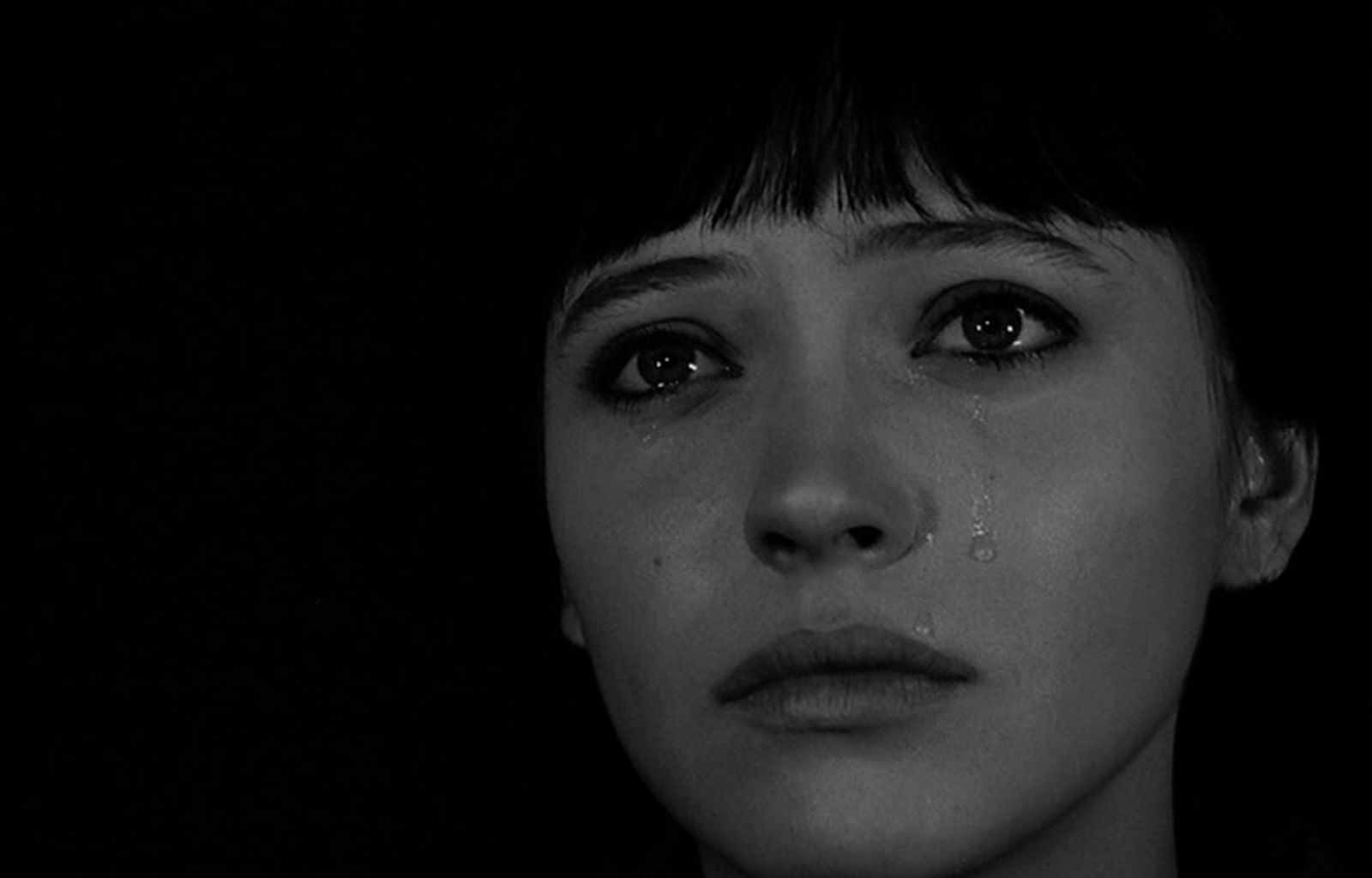
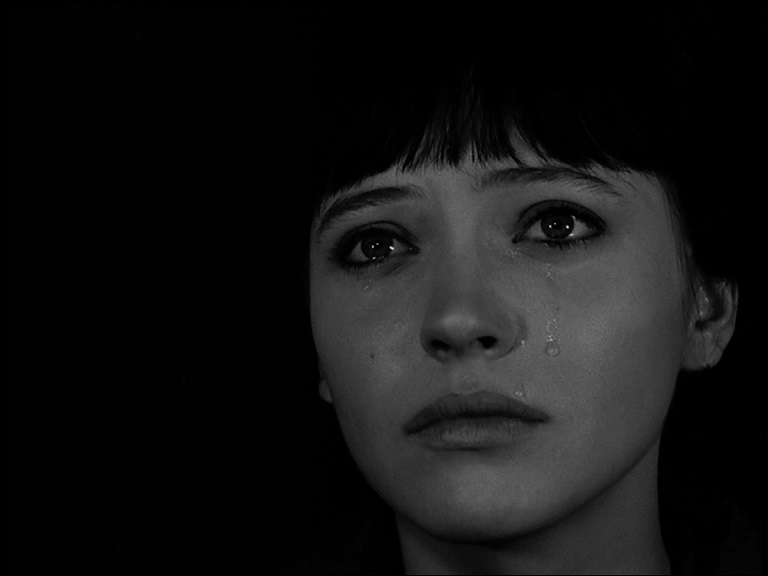
Vivre sa vie
by Jean-Luc Godard
Country: France
Year: 1962
Duration: 85'
Biography
film director
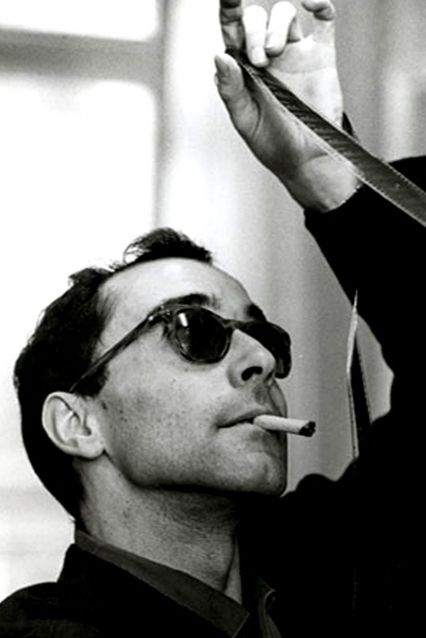
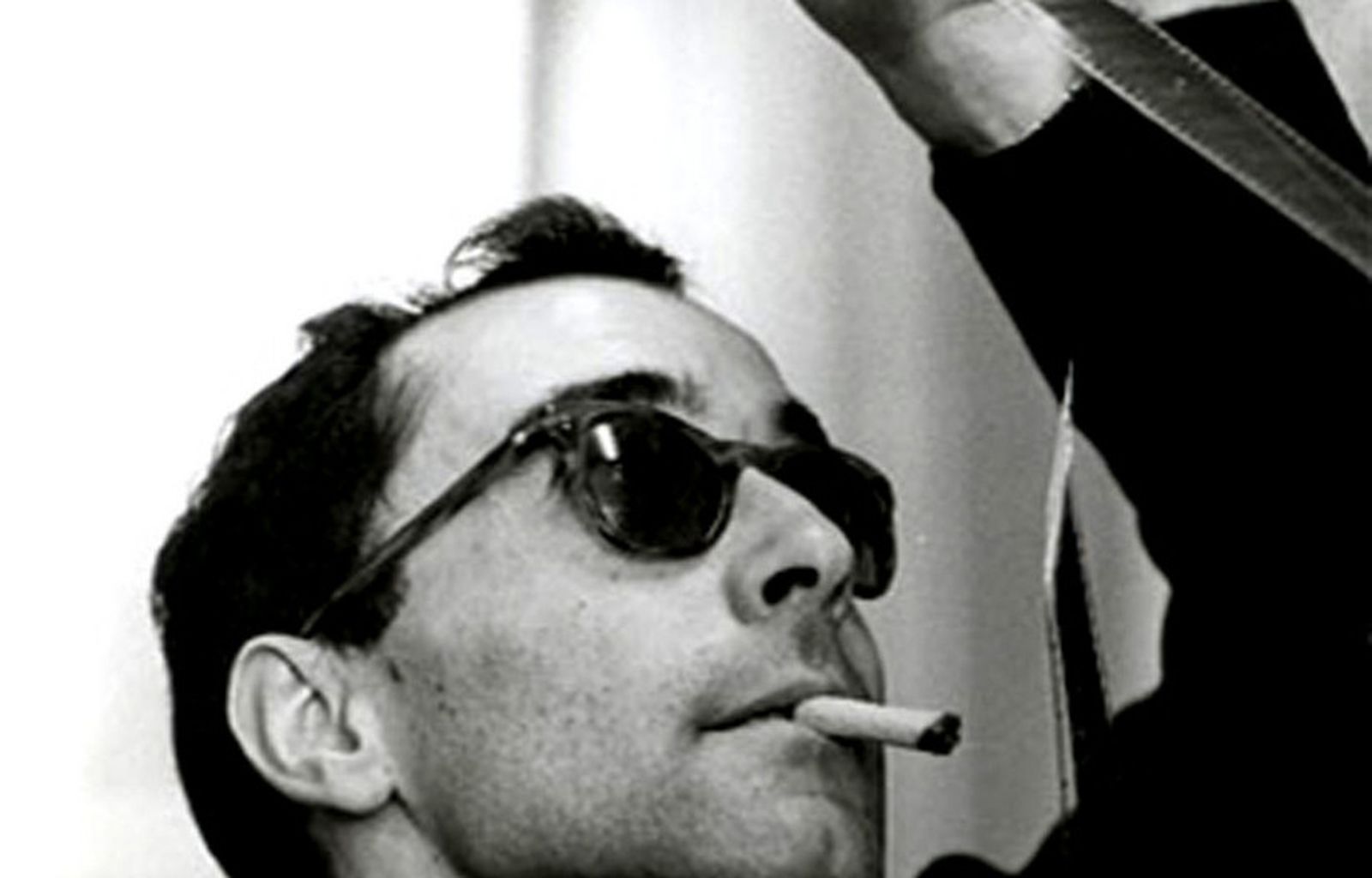
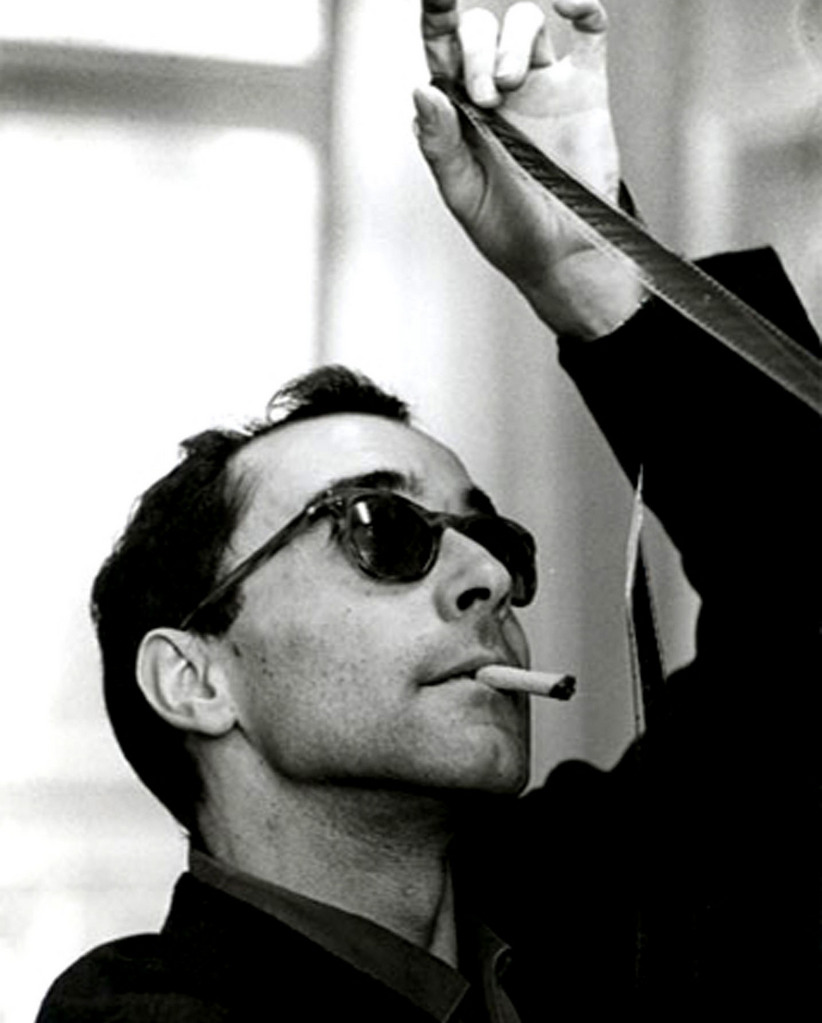
Jean-Luc Godard
(Paris, France, 1930 – Rolle, Switzerland, 2022) was one of the leading figures of the French New Wave, as well as one of the most radical and rigorous innovators of cinematic language. A tireless experimenter with forms, techniques and formats, he was a true thinker who used images to investigate the mechanisms of language, representation, speech and knowledge. A militant critic for Cahiers du Cinéma in the 1950s, he made his debut as a director with the epoch-making Breathless (1960) and from that moment on remained a point of reference for all filmmakers and film lovers around the world.
FILMOGRAFIA
Opération béton (cm 1954), Une femme coquette (cm, 1954), Tous les garçons s’appellent Patrick (cm, 1957), Charlotte et son Jules (1958), Une histoire d’eau (coregia François Truffaut, cm, 1958), À bout de souffle (Fino all’ultimo respiro, 1960), Une Femme est une femme (La donna è donna, 1961), Vivre sa vie (Questa è la mia vita, 1962), Le petit soldat (1963), Les Carabiniers (1963), Le Mépris (Il disprezzo, 1963), Bande à part (id., 1964), Une Femme mariée (Una donna sposata, 1964), Alphaville, une étrange aventure de Lemmy Caution (Agente Lemmy Caution: missione Alphaville, 1965), Pierrot le fou (Il bandito delle 11, 1965), Masculin féminin (Il maschio e la femmina, 1966), Made in USA (Una storia americana, 1966), Deux ou trois choses que je sais d’elle (Due o tre cose che so di lei, 1967), La Chinoise (La cinese, 1967), Weekend (Week End - Una donna e un uomo da sabato a domenica, 1967), Le gai savoir (La gaia scienza, 1969), Le Vent d’est (Vento dell’est, 1969), Lotte in Italia (1971), Vladimir et Rosa (1970), Tout va bien (Crepa padrone, tutto va bene, 1972), Numéro deux (1975), Numéro deux (1975), Ici et ailleurs (1976), Six fois deux (tv, 1977), France, tour détour deux enfants, tv, 1977), Comment ça va? (1978), Sauve qui peut (la vie) (Si salvi chi può-La vita, 1980), Lettre à Freddy Buache (cm, 1982), Changer d’image (cm, 1982), Passion (id., 1982), Prénom Carmen (id., 1983), Je vous salue, Marie (id., 1985), Détective (Detective, 1985), Soigne ta droite (Cura la tua destra, 1987), Histoire(s) du cinéma (TV, 1989-1998), Nouvelle vague (id., 1990), Allemagne 90 neuf zéro (Germania nove zero, 1991), Hélas pour moi (1993), For Ever Mozart (1996), Éloge de l’amour (2001), Notre Musique (2004), Prières pour Refusniks I-II (cm, 2004) , Film socialisme (id., 2010), Adieu au langage (Addio al linguaggio, 2014), Le livre d’image (2018).
Cast
& Credits
Director and screenplay: Jean-Luc Godard.
Plot: Jean-Luc Godard, sulla base dell'inchiesta giornalistica "Où en est avec la prostitution?" di Marcel Sacotte.
Aiuto-regia: Bernard Toublanc-Michel, Jean-Paul Savignac.
Director of photography: Raoul Coutard.
Editor: Agnès Guillemot, Lila Lakshmanan.
Music: Michel Legrand (canzone "Ma môme, elle joue pas les starlettes": Jean Ferrat, Pierre Frachet).
Sound: Guy Villette, Jacques Maumont.
Cast and characters: Anna Karina (Nana Klein Frankenheim), Sady Rebbot (Raoul), André S. Labarthe (Paul), Guylaine Schlumberger (Yvette), Brice Parain (il filosofo), Peter Kassowitz (il giovane), (voce doppiata da Jean-Luc Godard), Dimitri Dineff (Dimitri), Monique Messine (Elisabeth), Gérard Hoffmann (l'uomo che "compra" Nana), Gilles Quéant (il cliente), Paul Pavel (il fotografo), Eric Schumberger (Luigi), Marcel Charton (poliziotto alla macchina da scrivere), Laszlo Szabo (l'uomo ferito che entra nel bar), Gisèle Hauchercorne (portinaia), Odile Geoffroy (cameriera del bar), Jacques Florency (l'uomo nel cinema), Jean Ferrat (l'uomo al juke-box), Henri Atal (Arthur), Jean-Paul Savignac (giovane soldato al bar), Mario Botti (l'italiano).
Production company: Pierre Braunberger per Les Films de la Pléiade, Parigi.
Distribuzione italiana: Dear U.A.
Plot: Jean-Luc Godard, sulla base dell'inchiesta giornalistica "Où en est avec la prostitution?" di Marcel Sacotte.
Aiuto-regia: Bernard Toublanc-Michel, Jean-Paul Savignac.
Director of photography: Raoul Coutard.
Editor: Agnès Guillemot, Lila Lakshmanan.
Music: Michel Legrand (canzone "Ma môme, elle joue pas les starlettes": Jean Ferrat, Pierre Frachet).
Sound: Guy Villette, Jacques Maumont.
Cast and characters: Anna Karina (Nana Klein Frankenheim), Sady Rebbot (Raoul), André S. Labarthe (Paul), Guylaine Schlumberger (Yvette), Brice Parain (il filosofo), Peter Kassowitz (il giovane), (voce doppiata da Jean-Luc Godard), Dimitri Dineff (Dimitri), Monique Messine (Elisabeth), Gérard Hoffmann (l'uomo che "compra" Nana), Gilles Quéant (il cliente), Paul Pavel (il fotografo), Eric Schumberger (Luigi), Marcel Charton (poliziotto alla macchina da scrivere), Laszlo Szabo (l'uomo ferito che entra nel bar), Gisèle Hauchercorne (portinaia), Odile Geoffroy (cameriera del bar), Jacques Florency (l'uomo nel cinema), Jean Ferrat (l'uomo al juke-box), Henri Atal (Arthur), Jean-Paul Savignac (giovane soldato al bar), Mario Botti (l'italiano).
Production company: Pierre Braunberger per Les Films de la Pléiade, Parigi.
Distribuzione italiana: Dear U.A.