

Country: Russia, France
Year: 2007
Duration: 92'
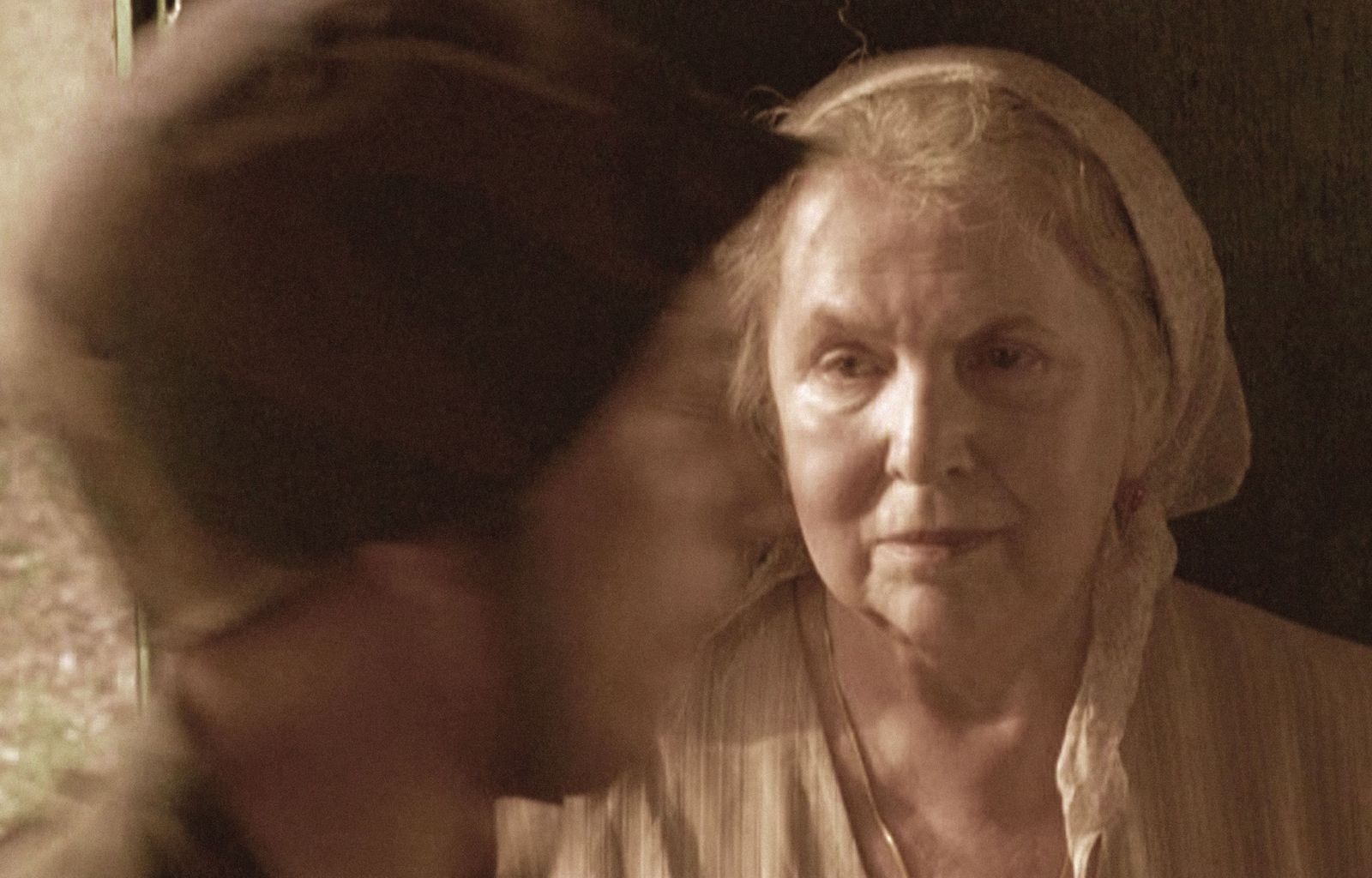
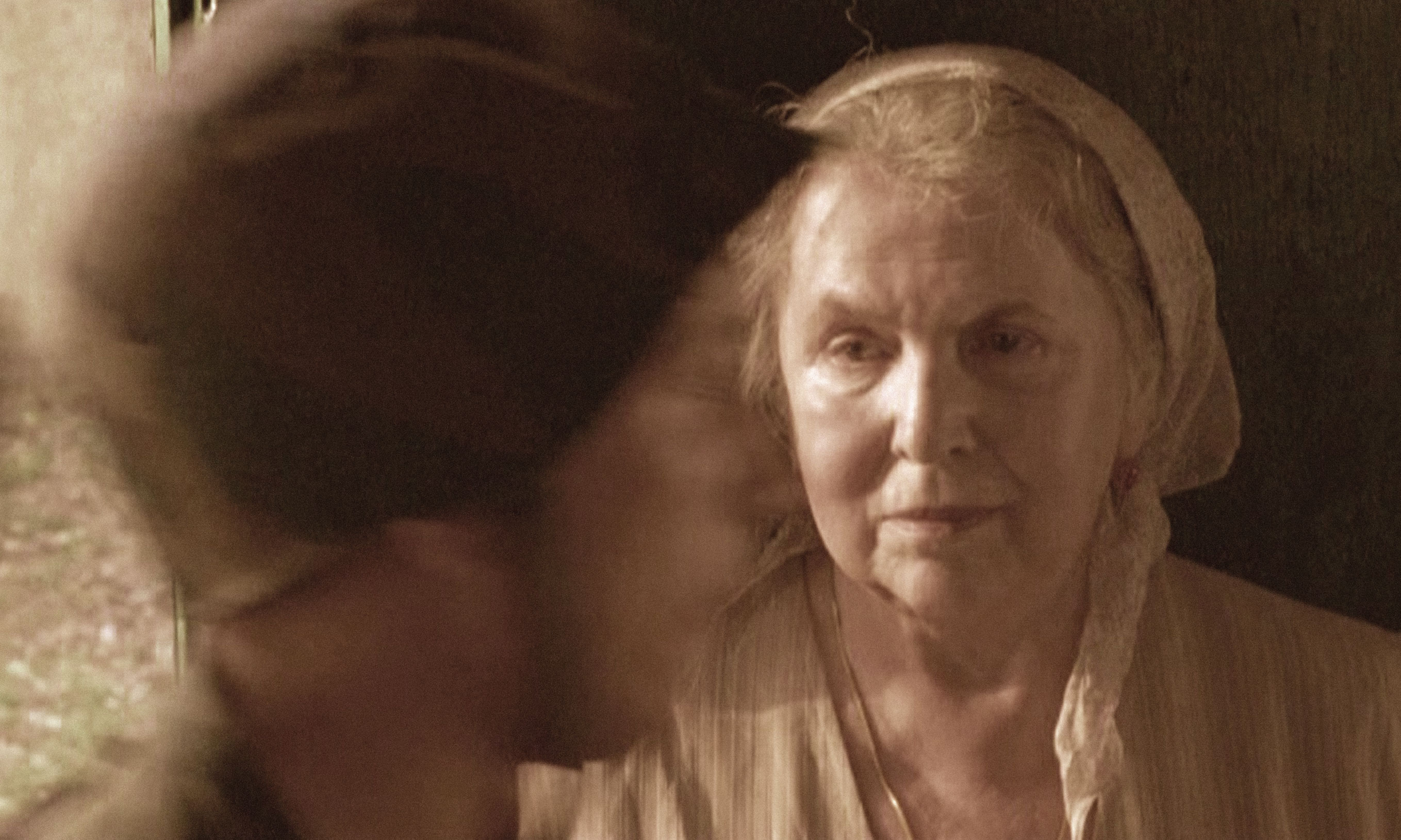
Chechen Republic, present day. Russian troop positions. Alexandra Nikolaevna is a grandmother who has come to see her grandson, one of the best officers in his unit. She will spend a few days here, and will discover a new world. In this male world there are no women, no warmth or comfort. Daily life is meagre, people are shy of their feelings here. Or maybe there simply isn’t time or energy for feelings. Every day and every hour questions of life and death are decided here. And yet is still a world populated by people. “For me this story is not about the actual but about the eternal. Not about present-day Russia, its policies in the Caucasus, its army, but about the eternal life of Russia. War is always a terrible thing. In this film about war there is no war. I don’t like war feature films. There is no poetry in war, no beauty and it should never be filmed poetically. Our film is a work of fiction, not a political act. In the film, we are looking for ways to bring people together, and we find them.”
Biography
film director
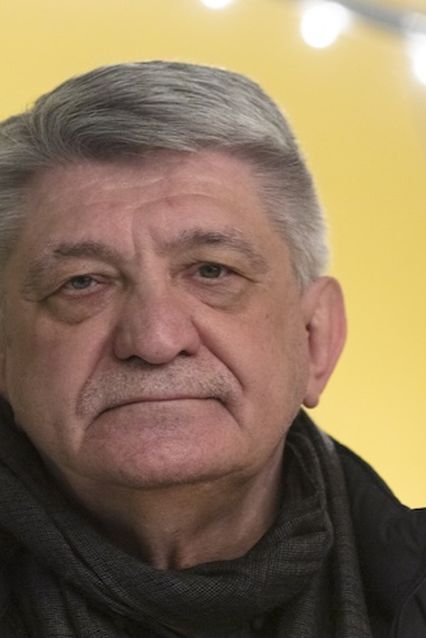
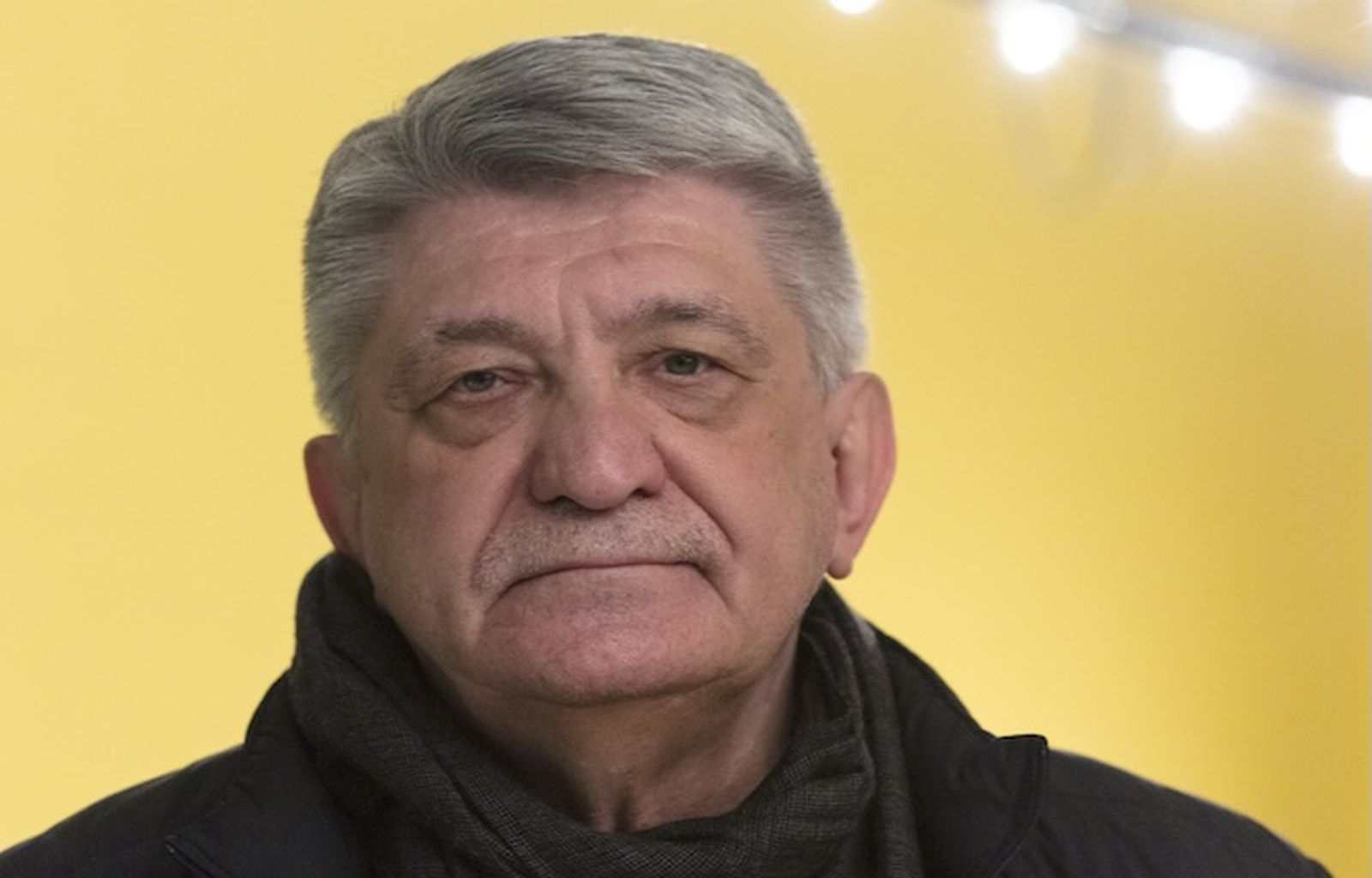
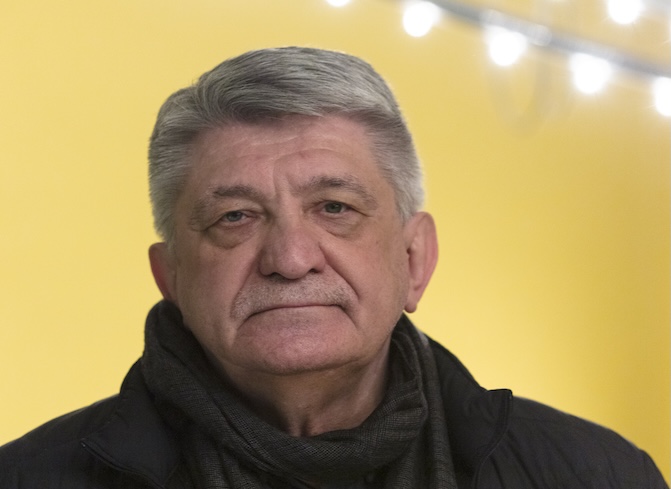
Aleksandr Sokurov
(Podorvicha, Russia, 1951) studied cinema at VGIK in Moscow but left before completing his studies because of contrasts with the Goskino. In 1980 he began working at Lenfil'm, but only after perestroika could the films he made during this period be seen, like his debut film The Lonely Voice of Man (1978). In 1985 he inaugurated the series of Elegies and in the 1990's he experimented with digital technology in A Humble Life (1997) and Dolce (1999). He received world-wide recognition with Mother and Son (1997), Moloch (1999), Russian Ark (2002) and Father and Son (2003). In 2003, the Film Festival dedicated a complete retrospective to his opus. In 2011 his film Faust won Golden Lion in Venice Film Festival. In 2019 la sua scuola di cinema nel Kabardino-Balkaria, che ha lanciato giovani registi come Kantemir Balagov e Kira Kovalenko, è stata chiusa per via dei contrasti tra il regista e il governo russo. In 2019 the film foundation set up by Alexander Sokurov, which raised young directors such as Kantemir Balagov and Kira Kovalenko, has been closed after claims of government hostility.
FILMOGRAFIA
Finzione
Odinokiy golos cheloveka (La voce solitaria dell’uomo, 1978-1987), Razzhalovannyy (The Degrade, cm, 1980), Skorbnoye beschuvstviye (Una dolorosa indifferenza, 1983-1987), Ampir (cm, 1987), Dni zatmeniya (I giorni dell'eclisse, 1988), Spasi i sohrani (Salva e custodisci, 1989), Krug vtoroy (Il secondo cerchio, 1990), Kamen (Pietra, 1992), Tikhiye stranitsy (Pagine sommesse, 1994), Mat i syn (Madre e figlio, 1997), Molokh (Moloch, 1999), Telets (Taurus, 2001), Russkiy kovcheg (Arca russa, 2002), Otets i syn (Padre e figlio, 2003), Solntse (Il Sole, 2005), Aleksandra (Alexandra, 2007), Faust (id., 2011), Francofonia (id., 2015), Skazka (Fairytale, 2022).
Elegie
Elegiya (Elegia, cm, 1986), Moskovskaya elegiya (Elegia moscovita, 1987), Peterburgskaya elegiya (Elegia di San Pietroburgo, mm, 1990), Sovetskaya elegiya (Elegia sovietica, cm, 1990), Prostaya elegiya (Elegia semplice, 1990), Elegiya iz Rossii (Elegia dalla Russia... studi per un sogno, 1992), Vostochnaya elegiya (Elegia orientale, 1996), Elegiya dorogi (Elegia di un viaggio, 2001), Elegiya zhizni. Rostropovich. Vishnevskaya (Elegia della vita - Rostropovich, Vishnevskaya, 2006).
Documentari
I nichego bolshe (And Nothing More, 1987), Zhertva vechernyaya (Evening Sacrifice, 1987), Patience Labour (1987), Altovaya sonata. Dmitriy Shostakovich (Sonata for Viola. Dmitri Shostakovitch, 1988), Mariya (Maria, 1988), Sonata dlya Gitlera (Sonata for Hitler, 1989), K sobytiya v Zakavkazye (To the Events in Transcaucasia, 1990), Leningradskaya retrospektiva (1957-1990) (A Retrospection of Leningrad (1957-1990), 1990), An Example of Intonation (1991), Soldatskiy son (Soldier’s Dream, cm, 1995) , Dukhovnyye golosa (Spiritual Voices, 1995), Robert Schastlivaya zhizn (Hubert Robert. A Fortunate Life, 1996), Smirennaya zhizn (Una vita umile ,1997), Peterburgskij dnevnik: Otkrytie pamjatnika Dostoevskomu (Diario di San Pietroburgo: L’inaugurazione del monumento a Dostoevskij, 1997), Peterburgskij dnevnik: Kvartira Kozintseva (Diario di San Pietroburgo: L’appartamento di Konincev, 1998), Povinnost (Confession, 1998), The Dialogues with Solzhenitsyn (Uzel) (1998), Dolce (2000), Peterburgskij dnevnik: Mozart. Rekviem (Diario di San Pietroburgo: Mozart. Requiem, 2004), Citaem blokadnuju knigu (Leggendo il libro dell’assedio, 2009), Zapisnaja knižka režisëra (Director's diary, doc, 2025)
.Cast
& Credits
regia, sceneggiatura/director, screenplay Aleksandr Sokurov
fotografia/director of photography Aleksandr Burov
scenografia/set design Dmitri Maliˇc-Konkov
costumi/costume design Lidiya Kryukova
montaggio/film editor Sergei Ivanov
musica/music Andrei Sigle
suono/sound Vladimir Persov
interpreti e personaggi/cast and characters Galina Vishnevskaija (Aleksandra), Vasili Shevtsov (Denis), Raisa Gichaeva (Malia), Andrei Bogdanov, Aleksandr Kladko, Aleksei Nejmijshev, Rustam Shahgireev, Evgeni Tkachuk
produttore/producer Andrei Sigle
produzione/production Proline Film, Rézo Productions
coproduttore/coproducer Laurent Daniélou
distribuzione/distribution Eskimo
fotografia/director of photography Aleksandr Burov
scenografia/set design Dmitri Maliˇc-Konkov
costumi/costume design Lidiya Kryukova
montaggio/film editor Sergei Ivanov
musica/music Andrei Sigle
suono/sound Vladimir Persov
interpreti e personaggi/cast and characters Galina Vishnevskaija (Aleksandra), Vasili Shevtsov (Denis), Raisa Gichaeva (Malia), Andrei Bogdanov, Aleksandr Kladko, Aleksei Nejmijshev, Rustam Shahgireev, Evgeni Tkachuk
produttore/producer Andrei Sigle
produzione/production Proline Film, Rézo Productions
coproduttore/coproducer Laurent Daniélou
distribuzione/distribution Eskimo