

Country: Italy
Year: 1958
Duration: 95'
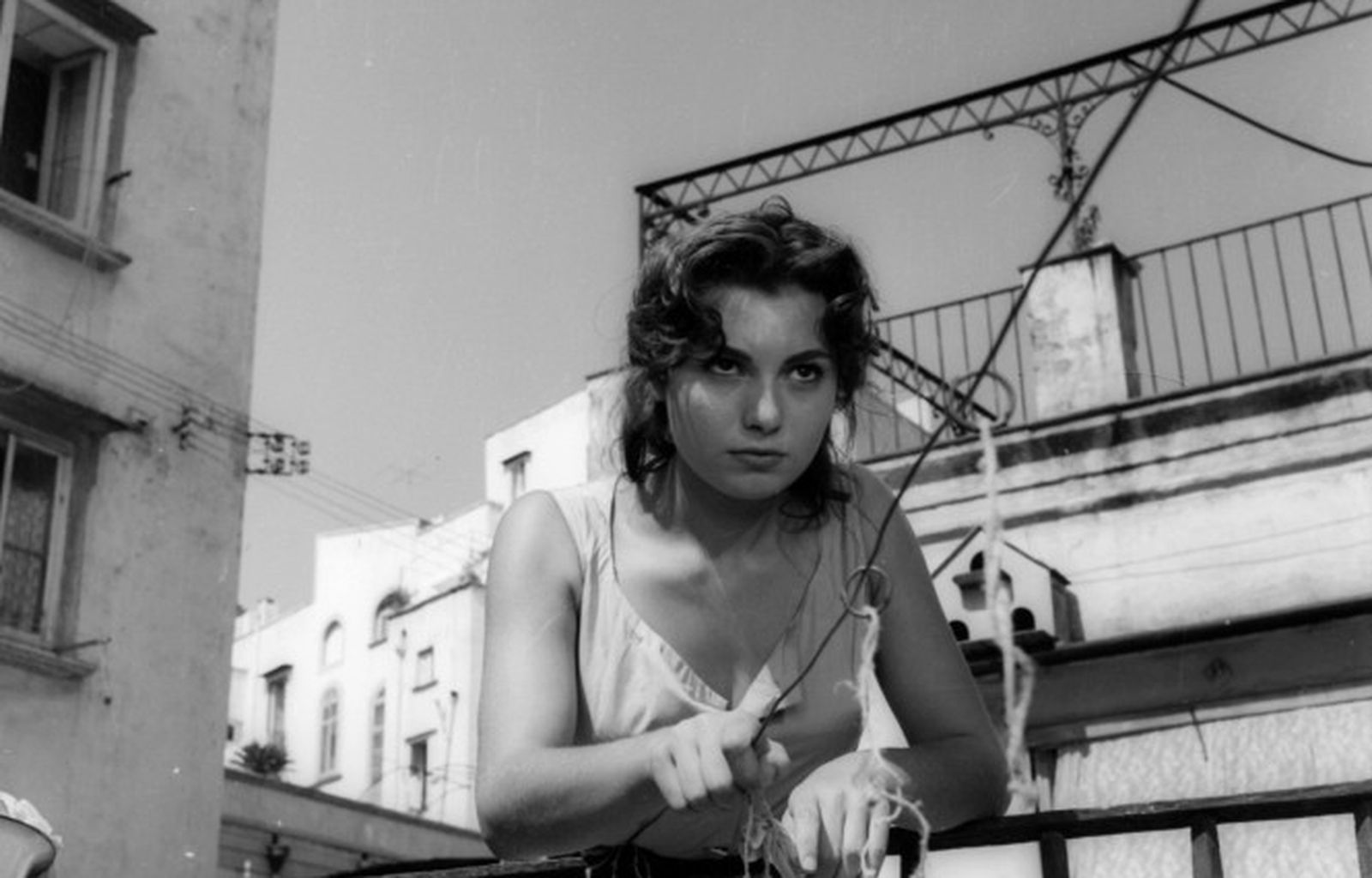
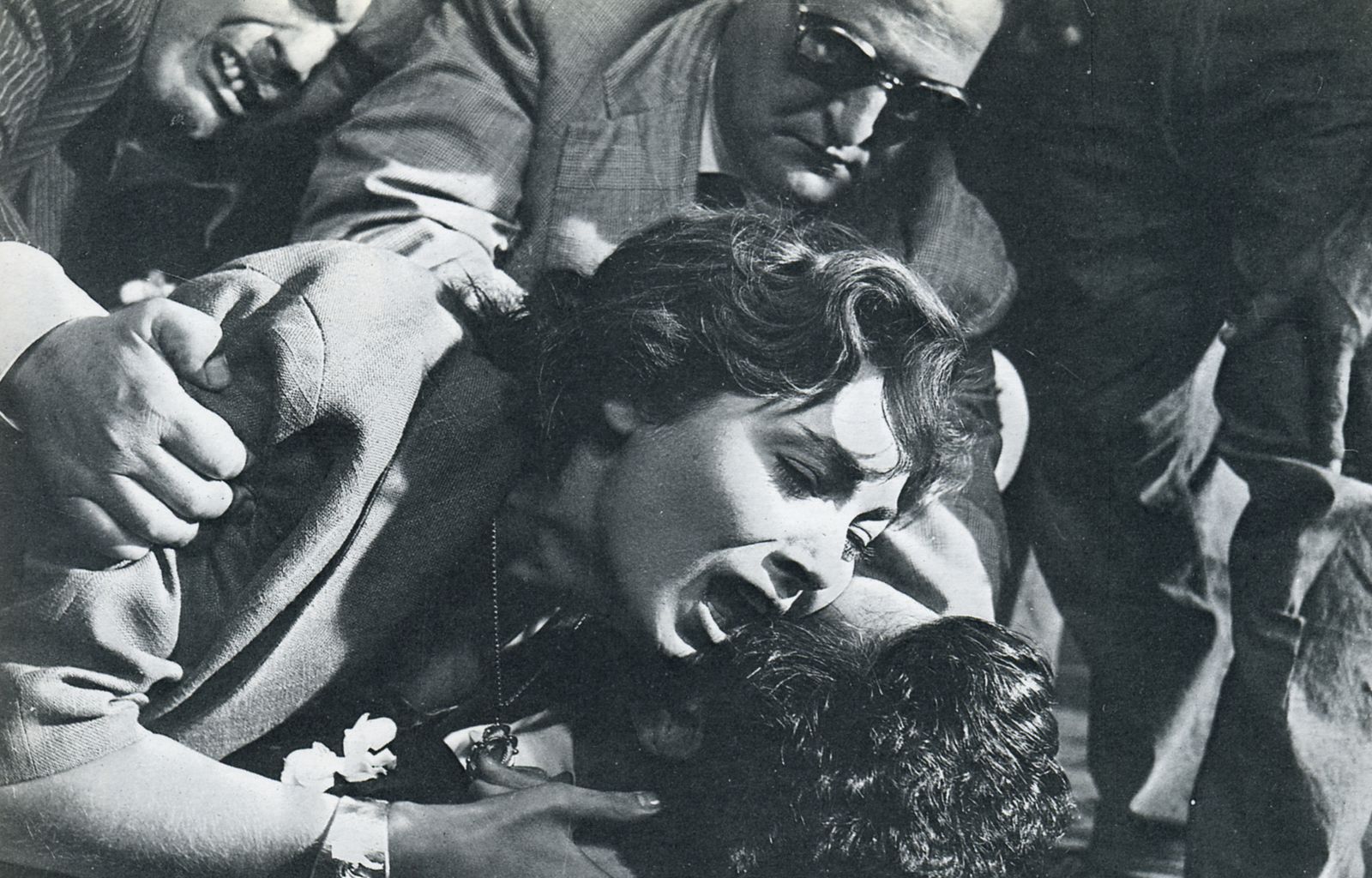
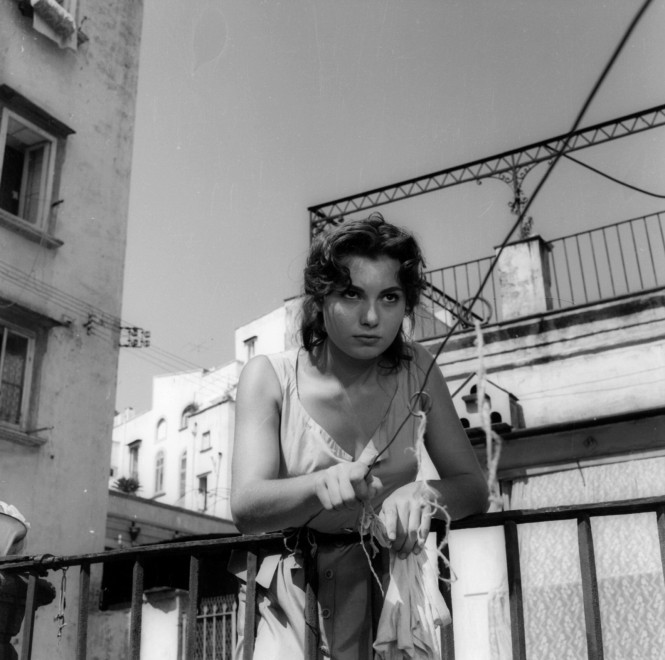
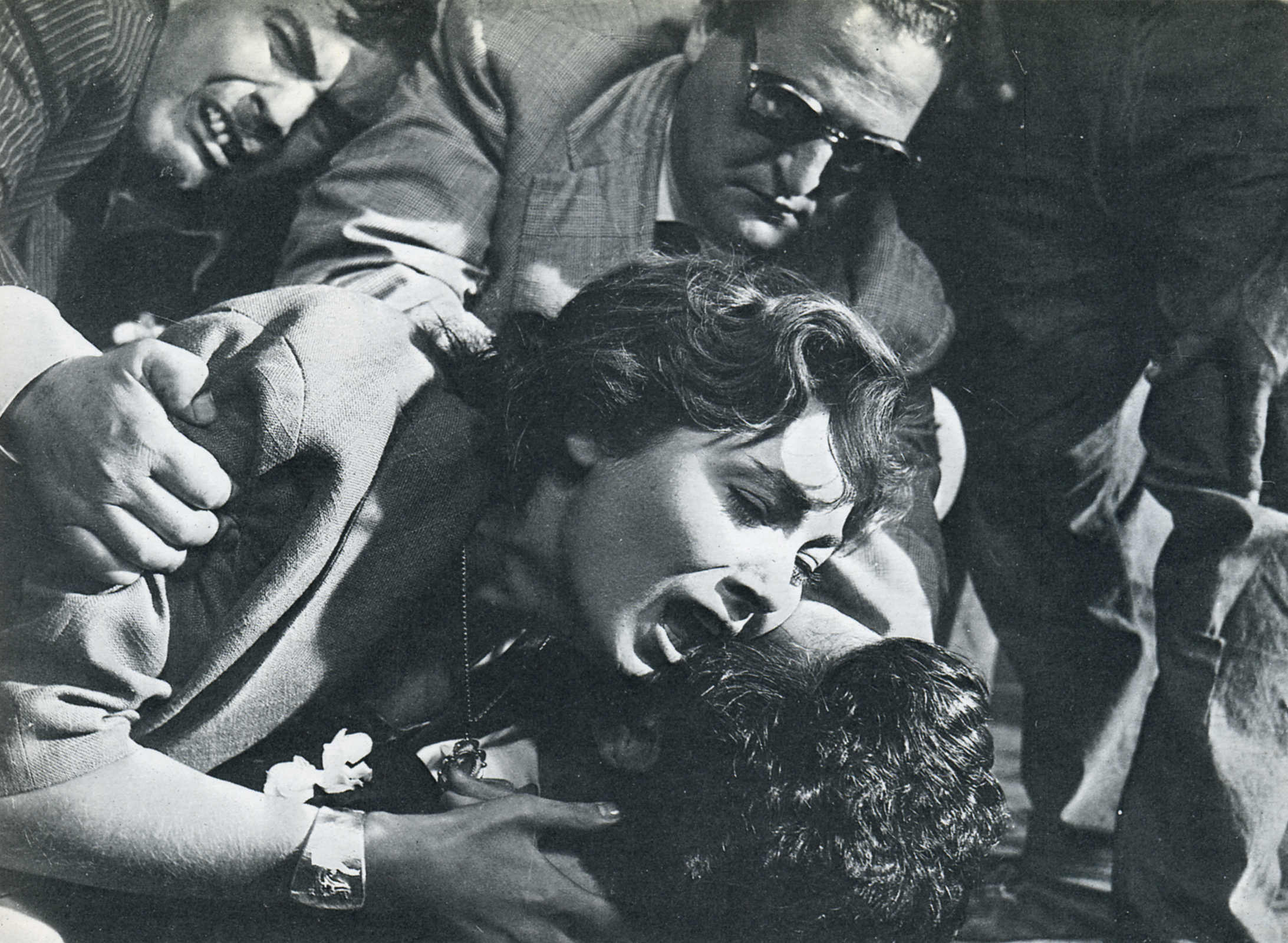
Vito Polara abandons the black market for cigarettes and decides to join the fruit and vegetable market and the Camorra organization that controls it. An ambitious man, he disobeys the boss Ajello, who wants to drive the prices up and has ordered that tomatoes not be delivered into the city for at least a week. Vito promises a wholesaler that he will deliver the produce right away. But the deal falls through and Vito is killed for having insulted Ajello. “In Naples, there was the story about Pasqualone from Nola. Even though the film is completely different, it does resemble it. It was my departure point for showing a side of Naples that is sentimental but at the same time violent to the point of cruelty. It’s the story of what’s going on inside and behind a society that already back then was undergoing rapid growth through organized crime. Naturally, they didn’t look kindly on my purpose. Lauro, who was the mayor of the city, had me thrown out of the wholesalers’ market. ‘You can’t come in here,’ they told me. So we shot the finale in Rome.”
Biography
film director
Francesco Rosi
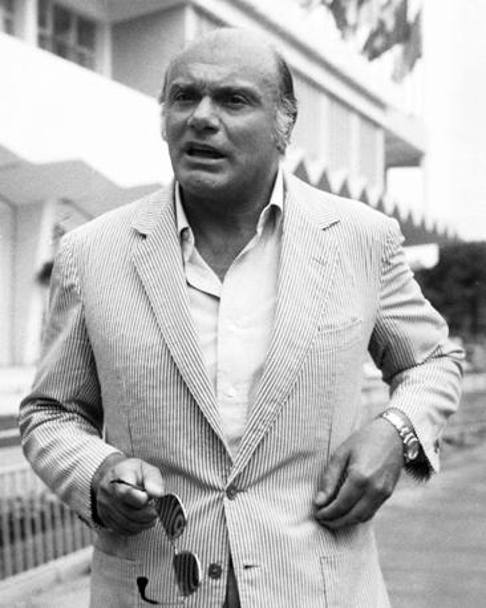
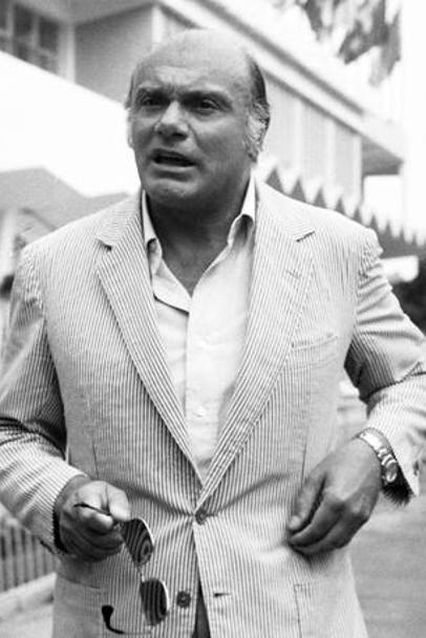
(Naples, Italy, 1922) was assistant director for Luchino Visconti for The Earth Trembles (1948) and in 1952 he shot some of the sequences of Red Shirts (1952) by Goffredo Alessandrini. His first feature-length film was The Challenge (1958), which won the Special Jury Prize in Venice. His film Salvatore Giuliano (1962) inaugurated the investigative genre, and in Hands Over the City (1963), which won the Golden Lion in Venice, he denounced the Italian political system. After his fantasy More Than a Miracle (1967), he returned to more serious films like Many Wars Ago (1970), The Mattei Affair (1972) and Christ Stopped at Eboli (1979). In 1997 he directed The Truce, a film he had wanted to make for over thirty years.
FILMOGRAFIA
Camicie Rosse (Anita Garibaldi) (coregia/codirector Goffredo Alessandrini, 1952), La sfida (1958), I magliari (1959), Salvatore Giuliano (1962), Le mani sulla città (1963), Il momento della verità (1965), C’era una volta (1967), Uomini contro (1970), Il caso Mattei (1972), Lucky Luciano (1973), Cadaveri eccellenti (1976), Cristo si è fermato a Eboli (1979), Tre fratelli (1981), Carmen (1984), Cronaca di una morte annunciata (1987), 12 registi per 12 città (ep. Napoli, 1989), Dimenticare Palermo (1990), Diario napoletano (doc., 1992), La tregua (1997).
Cast
& Credits
regia/director Francesco Rosi
soggetto, sceneggiatura/story, screenplay Suso Cecchi D’Amico, Enzo Provenzale, Francesco Rosi
fotografia/director of photography Gianni Di Venanzo
scenografia/set design Franco Mancini
costumi/costume design Marilù Carteny
montaggio/film editor Mario Serandrei
musica/music Roman Vlad
suono/sound Ovidio Del Grande
interpreti e personaggi/cast and characters José Suárez (Vito Polara), Rosanna Schiaffino (Assunta), Nino Vingelli (Gennaro), Decimo Cristiani (Salvatore Ajello), Pasquale Cennamo (Ferdinando Ajello), José Jaspe (Raffaele), Tina Castigliano (la madre di Vito/Vito’s mother), Elsa Valentino Ascoli (la madre di Assunta/Assunta’s mother), Ubaldo Granata (Califano), Elsa Fiore (la sorella di Vito/Vito’s sister), Ezio Vergari (Antonio), Concetta Petito (zia/aunt Rosa), Rosita Pisano (la lavandaia/laundress), Guglielmo Spoletini, Gennaro Di Napoli, Guido Cante, Ferdinando Gerra, Mario Laurentino
produttore/producer Franco Cristaldi
produzione/production Lux Film, Vides Cinematografica, Cinecittà
coproduzione/coproduction Suevia Films
soggetto, sceneggiatura/story, screenplay Suso Cecchi D’Amico, Enzo Provenzale, Francesco Rosi
fotografia/director of photography Gianni Di Venanzo
scenografia/set design Franco Mancini
costumi/costume design Marilù Carteny
montaggio/film editor Mario Serandrei
musica/music Roman Vlad
suono/sound Ovidio Del Grande
interpreti e personaggi/cast and characters José Suárez (Vito Polara), Rosanna Schiaffino (Assunta), Nino Vingelli (Gennaro), Decimo Cristiani (Salvatore Ajello), Pasquale Cennamo (Ferdinando Ajello), José Jaspe (Raffaele), Tina Castigliano (la madre di Vito/Vito’s mother), Elsa Valentino Ascoli (la madre di Assunta/Assunta’s mother), Ubaldo Granata (Califano), Elsa Fiore (la sorella di Vito/Vito’s sister), Ezio Vergari (Antonio), Concetta Petito (zia/aunt Rosa), Rosita Pisano (la lavandaia/laundress), Guglielmo Spoletini, Gennaro Di Napoli, Guido Cante, Ferdinando Gerra, Mario Laurentino
produttore/producer Franco Cristaldi
produzione/production Lux Film, Vides Cinematografica, Cinecittà
coproduzione/coproduction Suevia Films