

Country: France, Belgium
Year: 2003
Duration: 75'
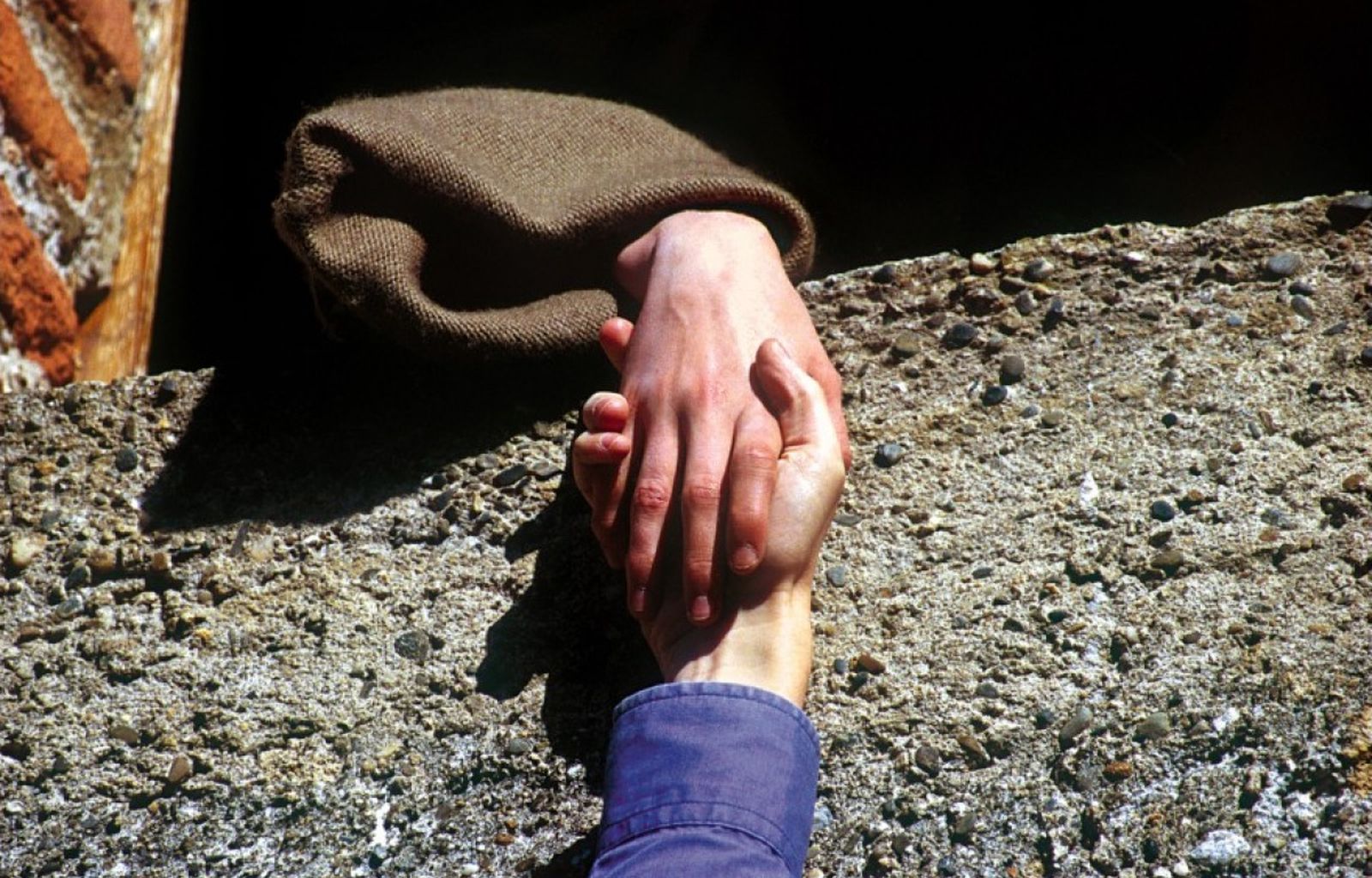
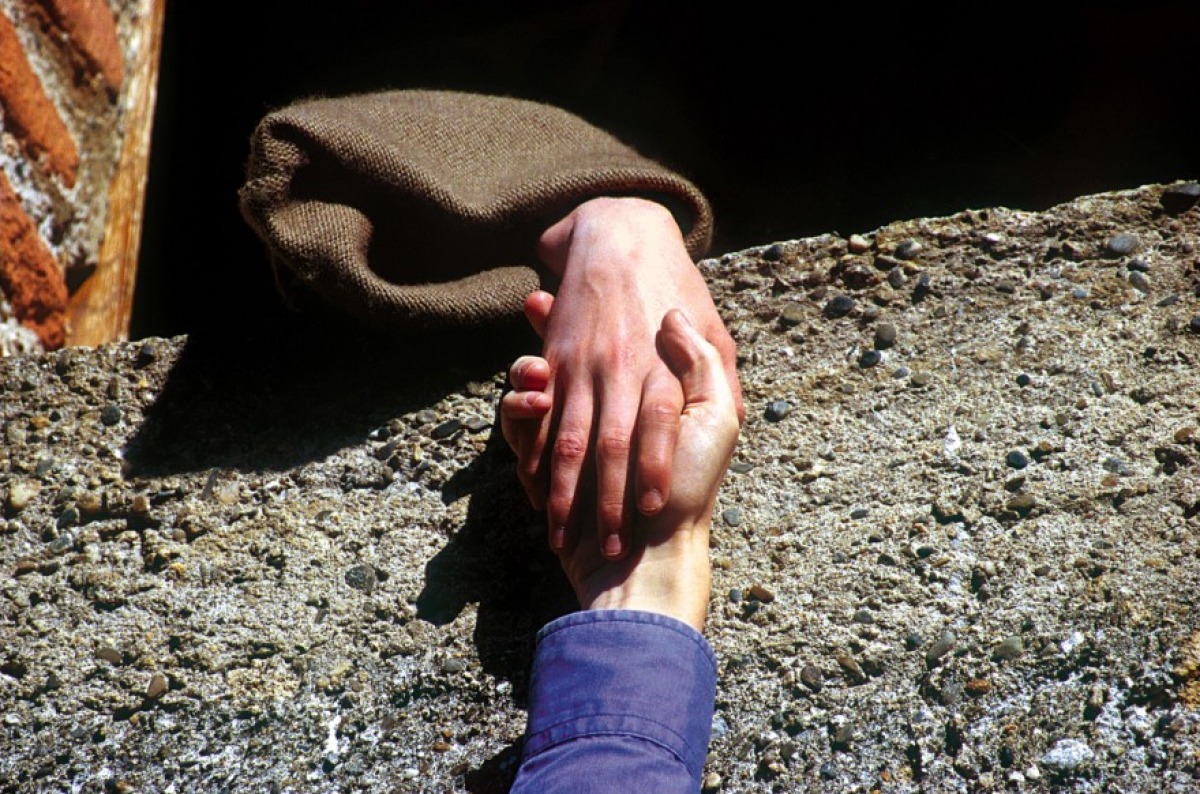
An ogre wants to disown his wife in order to marry a noblewoman he is keeping prisoner. He captures two children, who await the fatal moment in which they will be killed and turned into a dinner to satisfy his appetite. In the meantime, two knights set off in different directions: one of them, Nicolas, leaves his father’s home without a precise destination and during his journey comes across the second knight, who is traveling with a lion, that has the less ferocious appearance of a Labrador. “It’s a movie that talks about some of the most serious and essential aspects of the human condition, but I always believed that bad things could be explained in a pleasant way. There are also the characters of two children in the story and, if this story could be liked by an audience of their age, I will not be unsatisfied. In fact, if I will make it to show some aspects of the action as I want – the combats, the passage between life and death, until the lion played by a Labrador – this will prove me that it was the right choice.”
Biography
film director
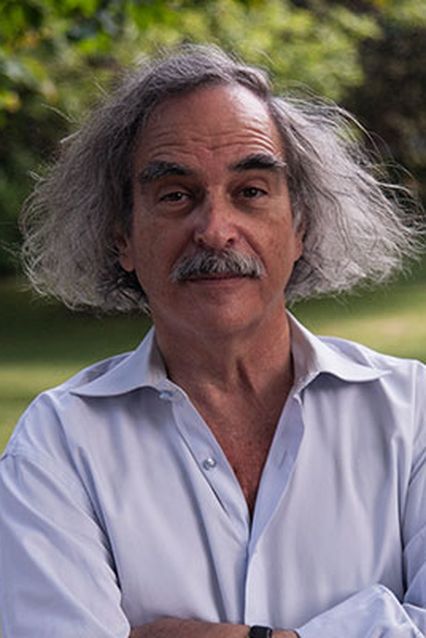
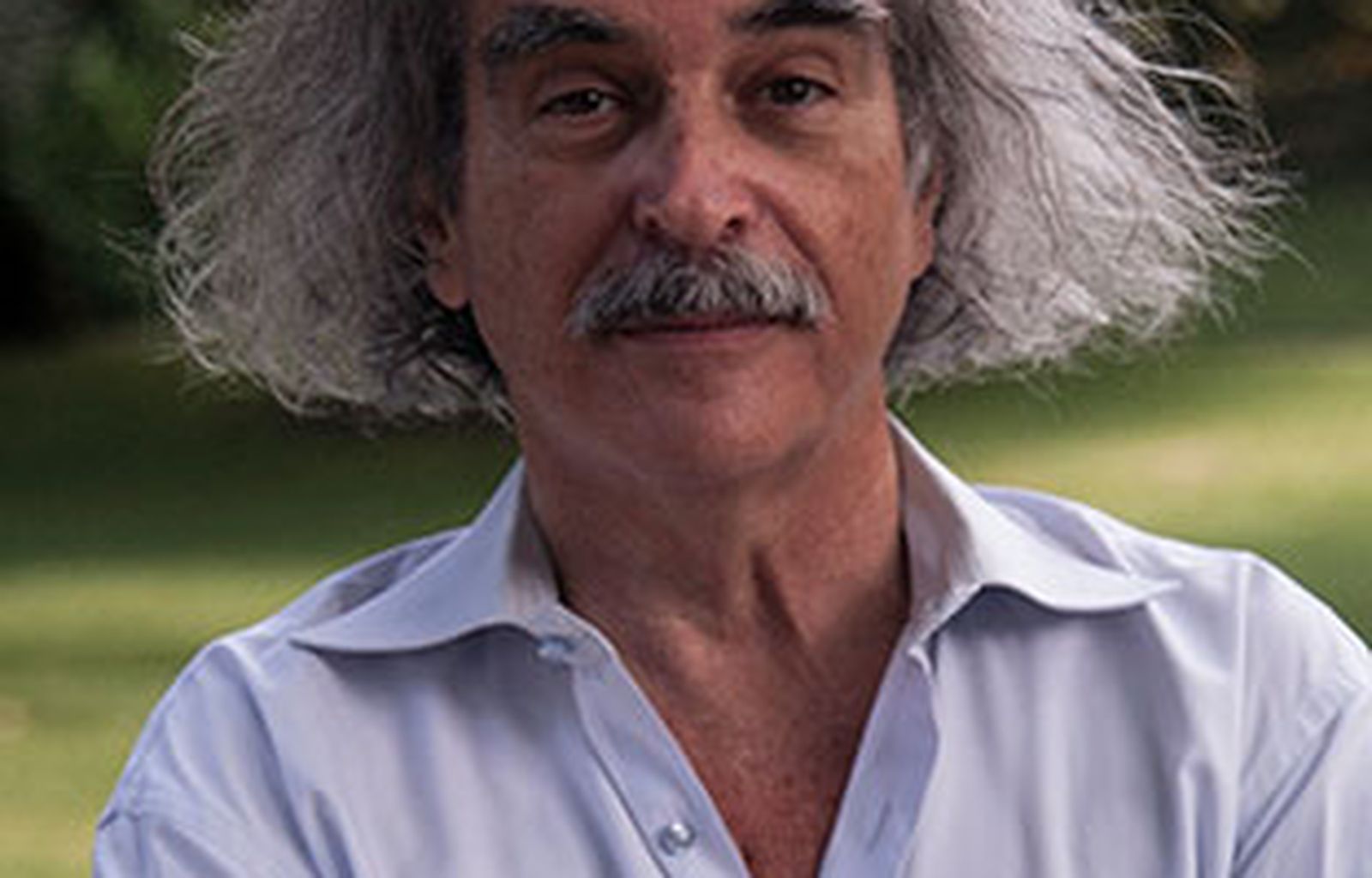
Eugène Green
(New York, USA, 1947) moved to Paris in 1969, where in 1977 he founded the Théâtre de la Sapience, with which he staged various Baroque and modern plays. He made his directorial debut with Toutes les nuits, Prix Delluc for best debut film in 2001. He then directed Le nom du feu, presented in Locarno in 2002 and distributed together with Le monde vivant, which took part in the Directors' Fortinight. With Correspondances he was awarded in 2007, together with Harun Farocki and Pedro Costa, the special jury prize in Locarno, where he returned to competition in 2009 with A Religiosa Portuguesa and in 2014 with La Sapienza, shot between Switzerland and Italy. In 2011 TFF dedicated a retrospective to him and then went on to program several of his films, such as the documentary filmed in the Basque Country Faire la parole (2015), Le fils de Joseph (2016), which premiered at the Berlinale, and the workshop film En attendant les Barbares (2017). In 2020 he returned to the Basque Country to shoot Atarrabi et Mikelats, which was presented in San Sebastian. In addition to his activity as a director, he also works as a writer and poet.
FILMOGRAFIA
Toutes les nuits (2001), Le nom du feu (cm, 2002), Le monde vivant (2003), Le pont des arts (2004), Les signes (mm, 2006), Digital Sam in Sam Saek 2007: Memories (ep. Corrispondences, mm, 2007), A Religiosa Portuguesa (2009), La sapienza (2014), Faire la parole (doc., 2015), Le fils de Joseph (2016), En attendant les Barbares (2017), Como Fernando Pessoa salvou Portugal (cm, 2017), Lisboa revisitada (cm, 2019). Atarrabi et Mikelats (2020), Le mur des morts (2022).
Cast
& Credits
regia, sceneggiatura/director, screenplay
Eugène Green
fotografia/cinematography
Raphaël O’Byrne
montaggio/film editing
Cheng Xiao Xing, Benoît De Clerck
scenografia/production design
Pierre Bouillon
costumi/costume design
Agnès Noden
musica/music
Christina Pluhar, Damien Guillon
suono/sound
Dana Farzanehpour
interpreti e personaggi/cast and characters
Christelle Prot (Pénélope), Alexis Loret (il cavaliere con il leone/Lion Knight), Adrien Michaux (Nicolas), Laurène Cheilan (la nobildonna/Milady), Achille Trocellier (il bambino più grande/Bigger Child), Marin Charvet (il bambino meno grande/Less Big Child)
produttore/producer
Martine de Clermont-Tonnerre
produzione/production
Les Films du Fleuve, Mact Productions
coproduttori/coproducers
Claude Berda, Jean-Pierre Dardenne, Luc Dardenne
coproduzione/coproduction
AB3
vendita all’estero/world sales
Mact Productions