

Year: 2005
Duration: 103'
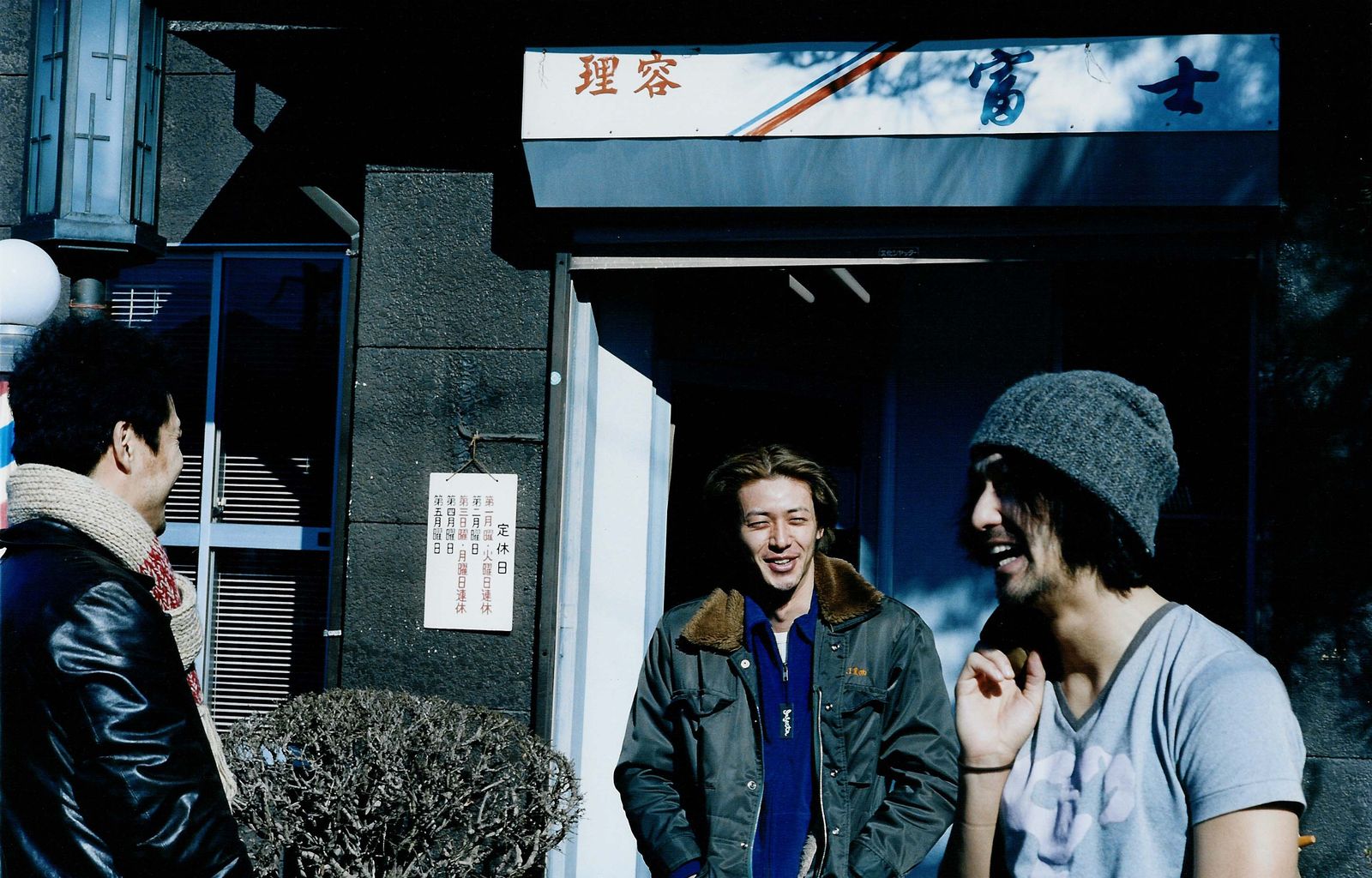
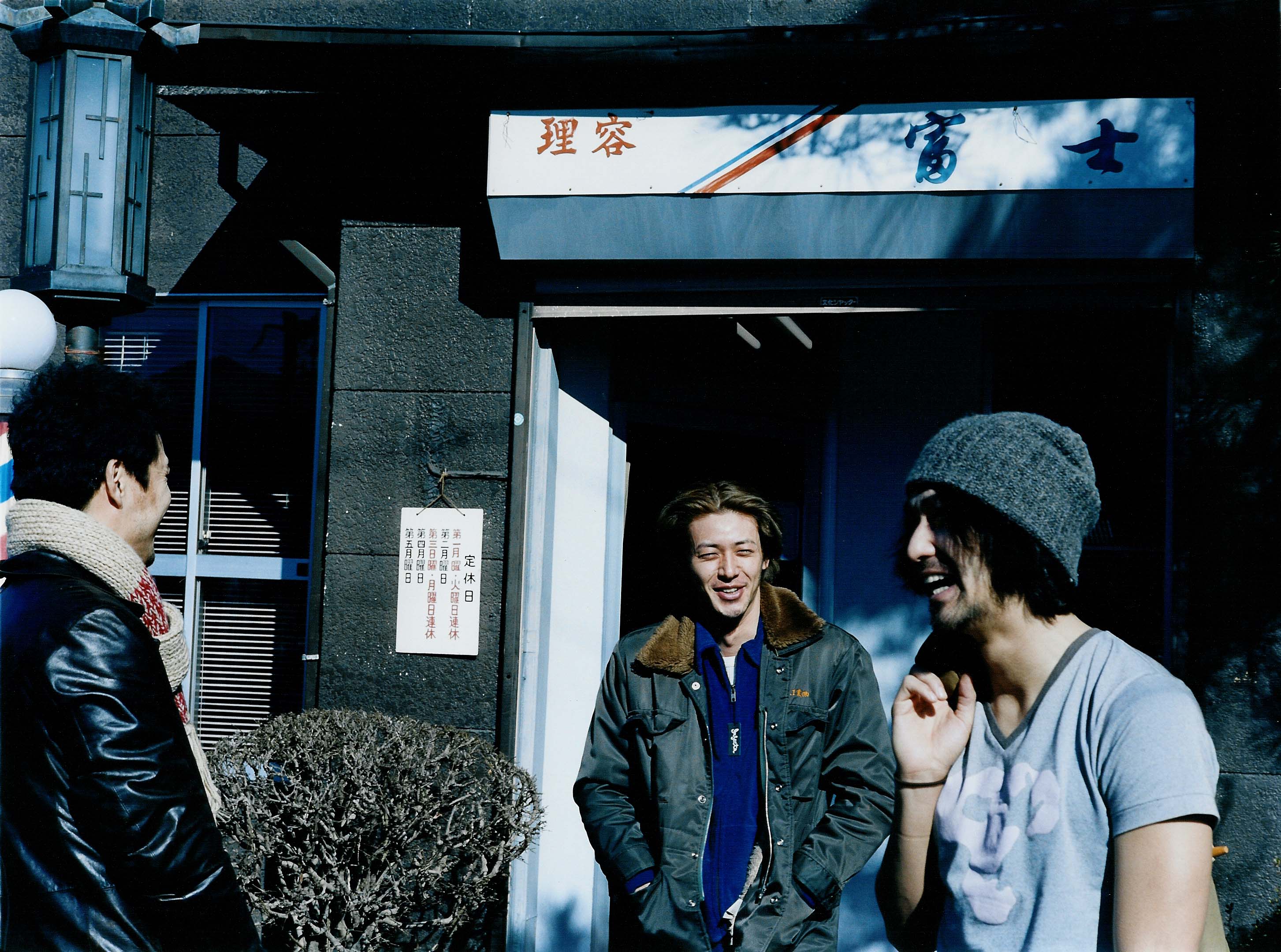
Suzuki and Taeko are two theatrical actors who have tired of each other, after spending 10 years together as a couple. One evening, the ennui takes over their bodies as well and, rather than discussing the situation, they fall asleep. Suzuki has a dream in which he is a terrorist and when he wakes up he discovers that Taeko has left him. The dreams multiply, becoming increasingly violent and complicated and furthering Suzuki’s feeling of disorientation. Uneasiness turns into desperation and then rebellion, increasing until it explodes in a nocturnal and liberating run through the streets. “The film seems improvised, but it was actually all written down. You get this impression because the actors followed the script so precisely that they make it all seem extremely natural. Instead, as far as their movements are concerned, they could move around in total freedom because I wasn’t interested in the slightest in creating a ‘pretty image.’ The role of the head cameraman was, above all, to follow the actors around without worrying about the framing or the lights. Plus, before I began to write the script, I talked a lot with Tanaka Tetsushi about his role.”
Biography
film director
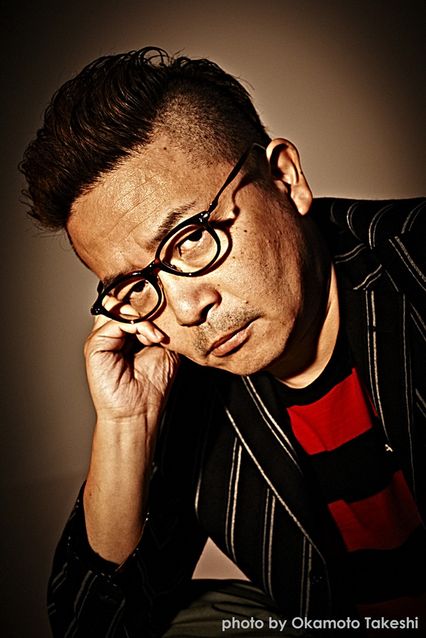
Sion Sono
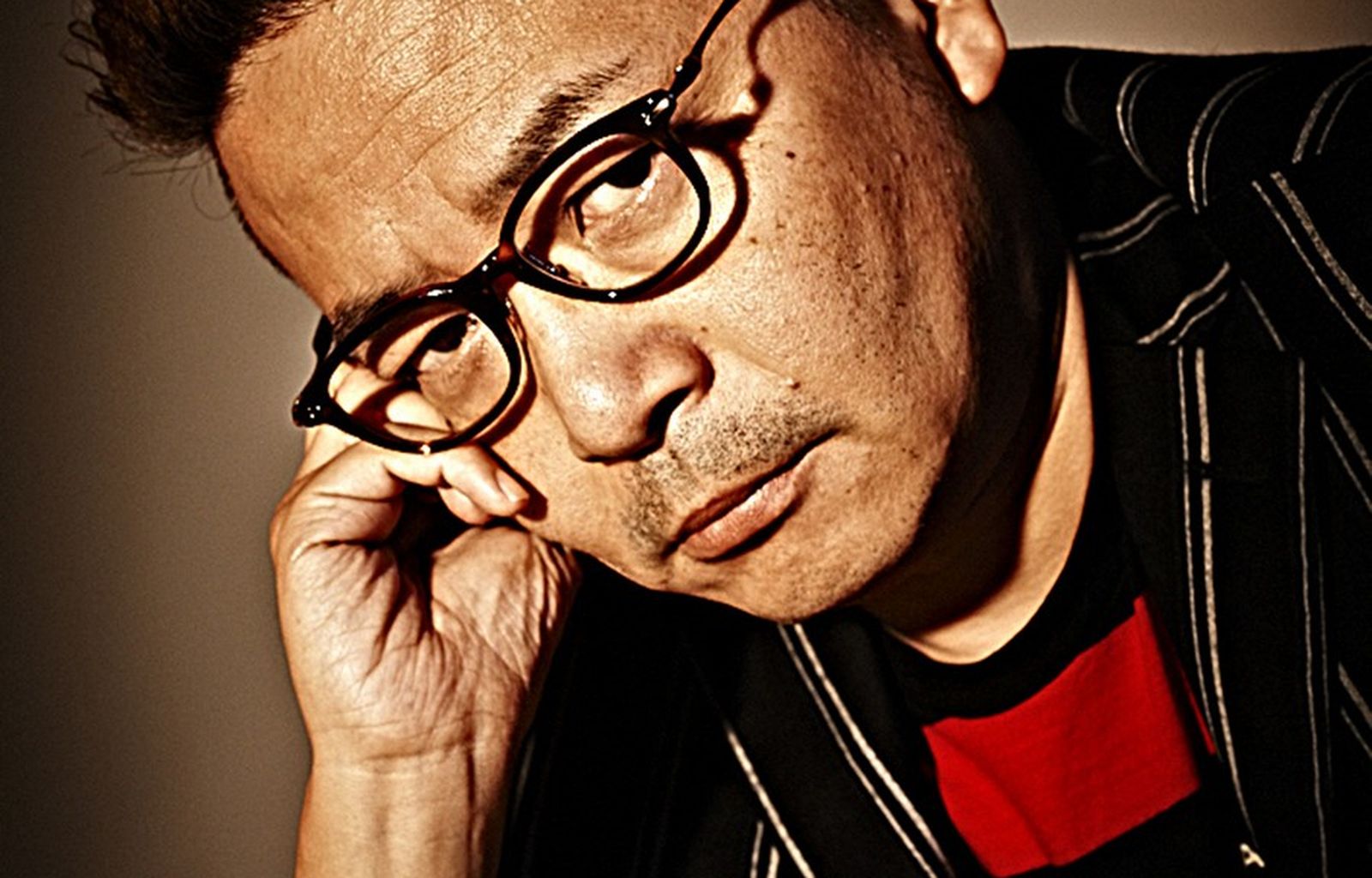
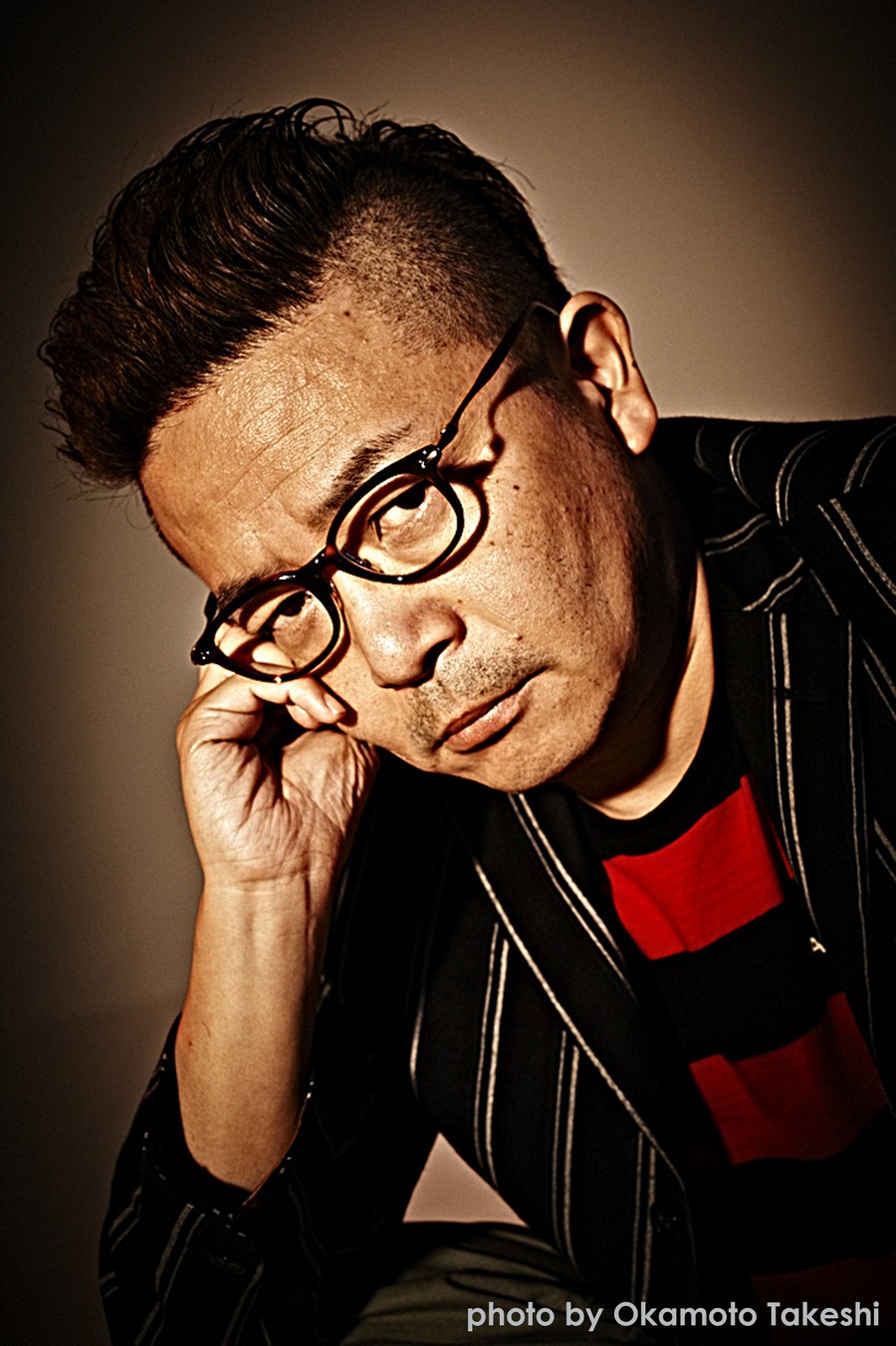
Sion Sono (Toyokawa, Japan, 1961) is an internationally acclaimed Japanese filmmaker. His movies depict Japanese society in a provocative and violent way, amid a plethora of pop culture references. His most renown films include Suicide Club (2002), which is part of a trilogy on alienation along with Noriko’s Dinner Table (2005), winner of the Berliner Zeitung Jury Award, and Love Exposure (2008), winner of the FIPRESCI Award and the Caligari Film Award at the Berlinale. Love Exposure is also the first film of the “trilogy of hate,” which includes Cold Fish (2010) and Guilty of Romance (2011). He participated to the Venice Film Festival in 2011 with the feature Himizu, and in 2013 with Why Don’t You Play in Hell. The Torino Film Festival paid tribute to him with a retrospective in 2011. He participated in several TFF editions with his films Tokyo Tribe (2014), Love & Peace (2015), TAG (2015) and Shinjuku Swan (2015).
FILMOGRAFIA
The Room (1992), Suicide Club (2002), Noriko’s Dinner Table (2005), Strange Circus (2005), Hazard (2006), Exte: Hair Extensions (2007), Love Exposure (2008), Cold Fish (2010), Guilty of Romance (2011), Himizu (2011), Why Don’t You Play in Hell (2013), Tokyo Tribe (2014), Love & Peace (2015), Riaru onigokko (TAG, 2015), Shinjuku suwan (Shinjuku Swan, 2015), Antiporno (2016), Tokyo Vampire Hotel (serie tv/tv series, 2017).
Cast
& Credits
regia, soggetto, sceneggiatura/director, story, screenplay
Sion Sono
fotografia/cinematography
Yanagida Hiro’o
montaggio/film editing
It? Jun’ichi
scenografia/production design
Suzuki Junko
costumi/costume design
Maruoka Yumi
suono/sound
Onishi Akira
interpreti e personaggi/cast and characters
Tanaka Tetsushi (Mutsugoro Suzuki/Sat?), Natsuo Y?na (Taeko), Murakami Jun (Keiji), Odagiri Jô (Yuji), Ichikawa Miwako (Ranko), Iwamatsu Ryô, Maro Akaji, Nukumizu Y?ichi, Tezuka Toru
produttori/producers
Asano Hirotaka, Suzuki Takeshi
produzione/production
Moving Pictures Japan, T. Artist
vendita all’estero/world sales
Eleven Arts