

40° TORINO FILM FESTIVAL
BACK TO LIFE
ALL'ARMI SIAM FASCISTI
by Lino del Fra, Cecilia Mangini, Lino Miccichè
Country: Italy
Year: 1962
Duration: 106'
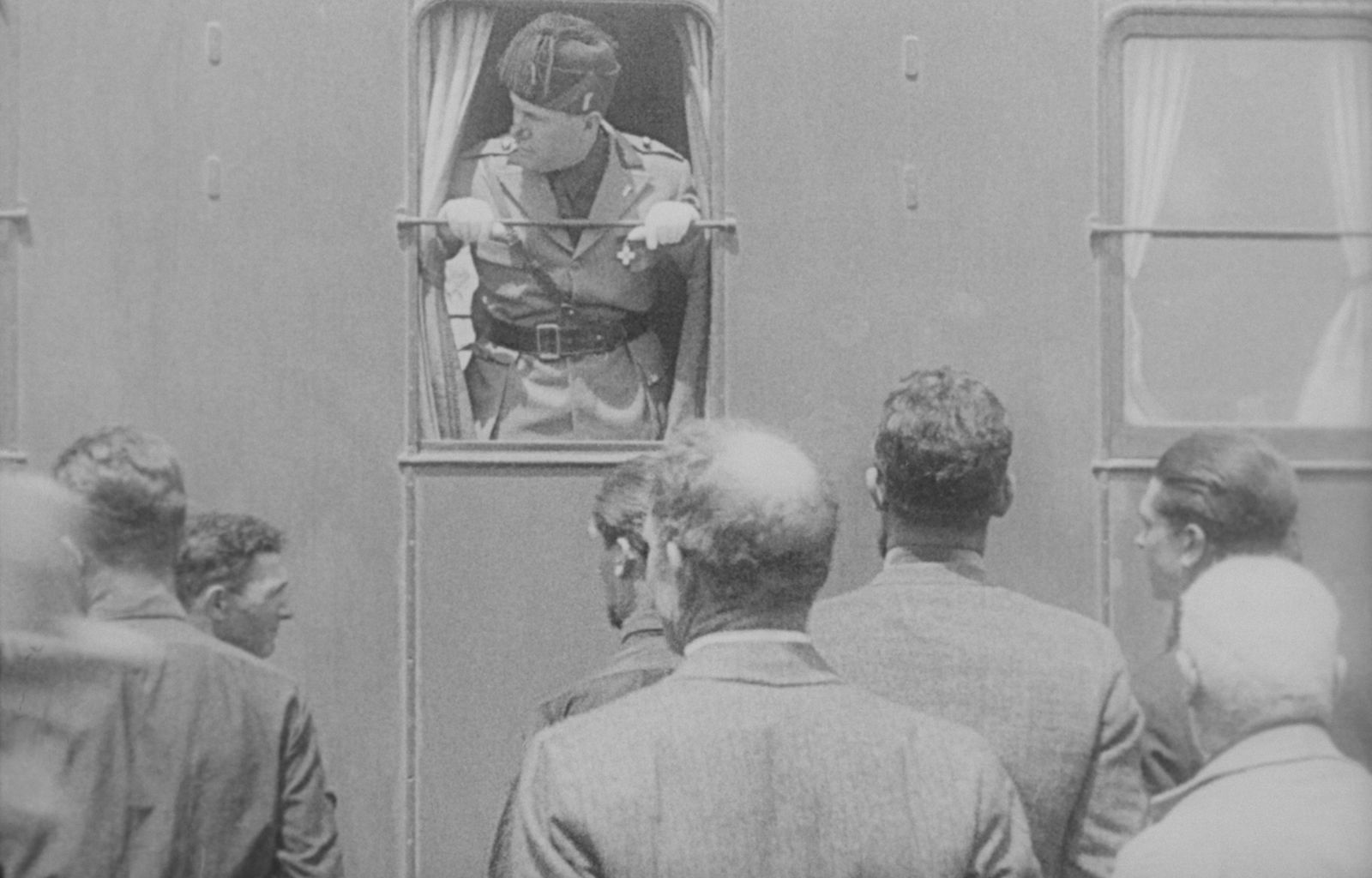
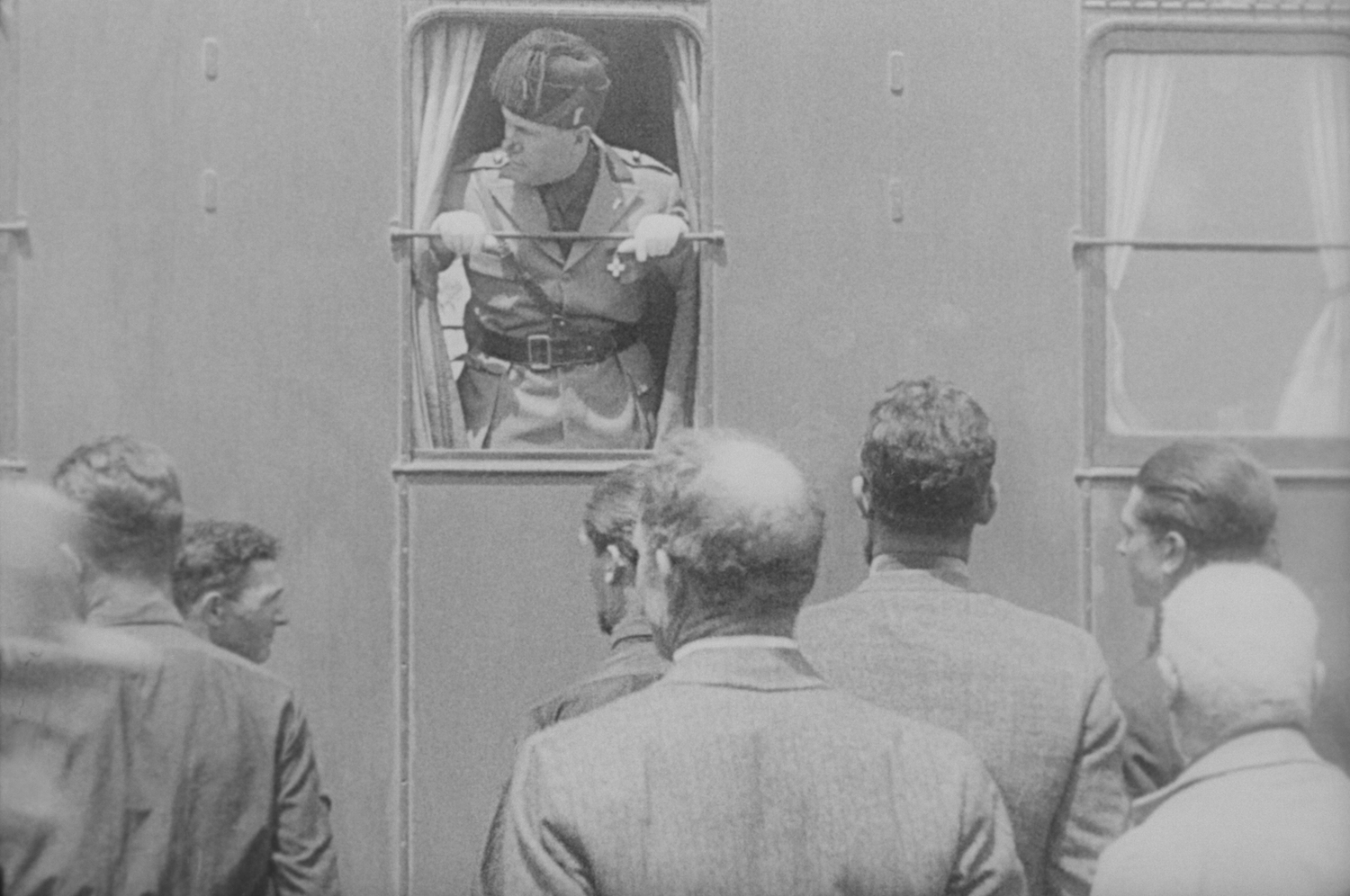
Considered one of the cornerstones of Italian documentary filmmaking, the movie is composed primarily of archival material, with a commentary written by Franco Fortini and read by Giancarlo Sbragia, Emilio Cigoli, and Nando Gazzolo. Over a period of time ranging between the early 1900s and the events in Genoa and Rome in 1960, the three directors plumb the long-ago and recent causes of a phenomenon of overwhelming historical impact: from the support of agricultural and industrial capitalism to the ramifications in Europe, from shared responsibility and connivance to the errors of political adversaries, the film shows how Fascism was “the armed organization of capitalistic violence.” Presented in a restored, digital version thanks to a collaboration between the Cineteca Nazionale, the Red Post Production restoration laboratory, and the owners of the Minerva Pictures Group rights.
Biography
film director
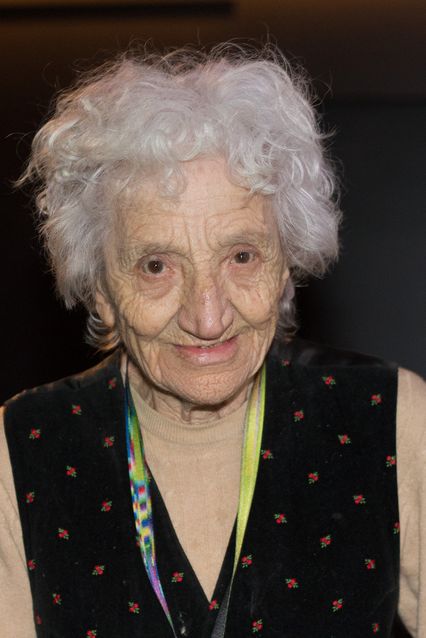
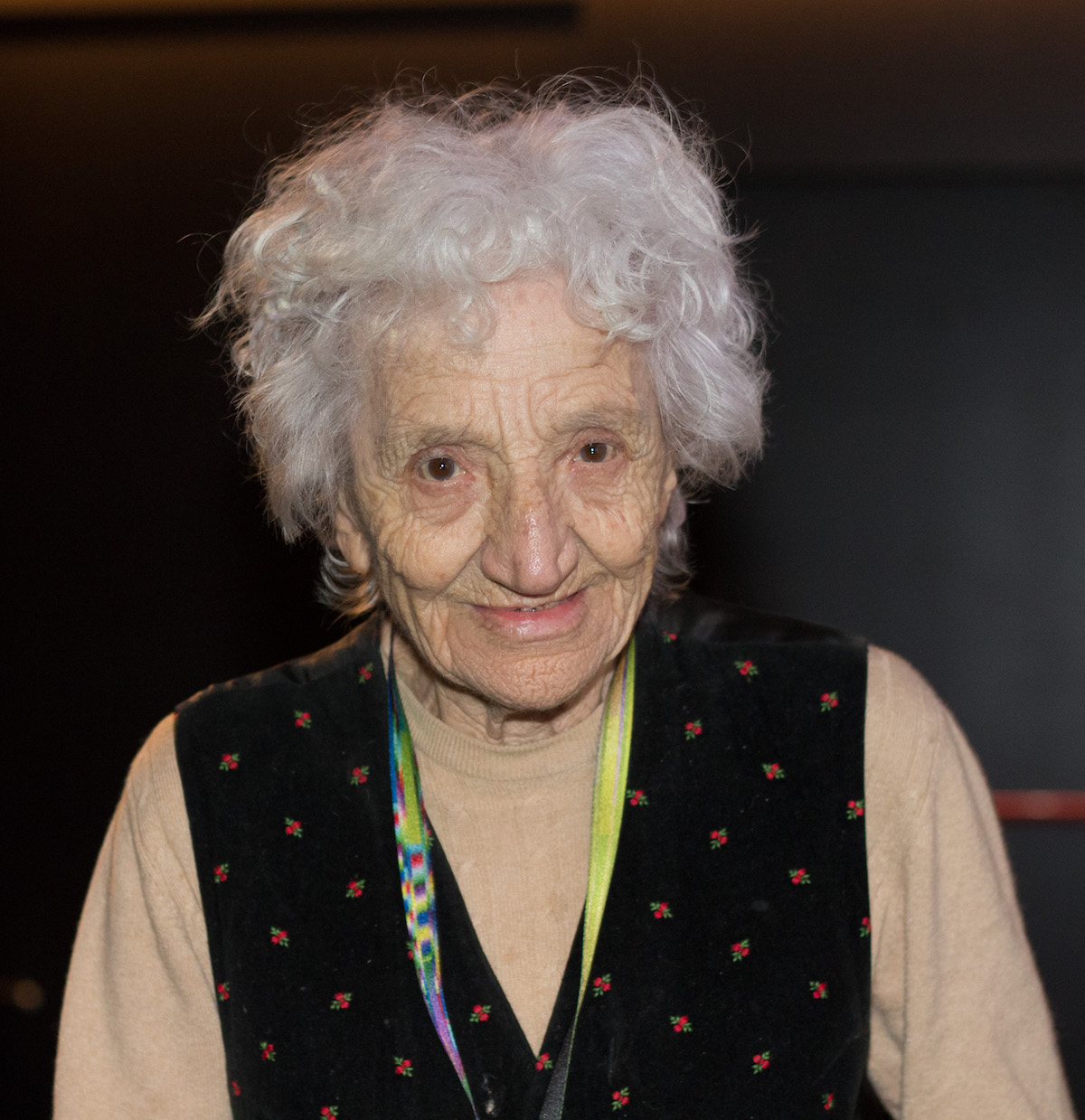
Cecilia Mangini
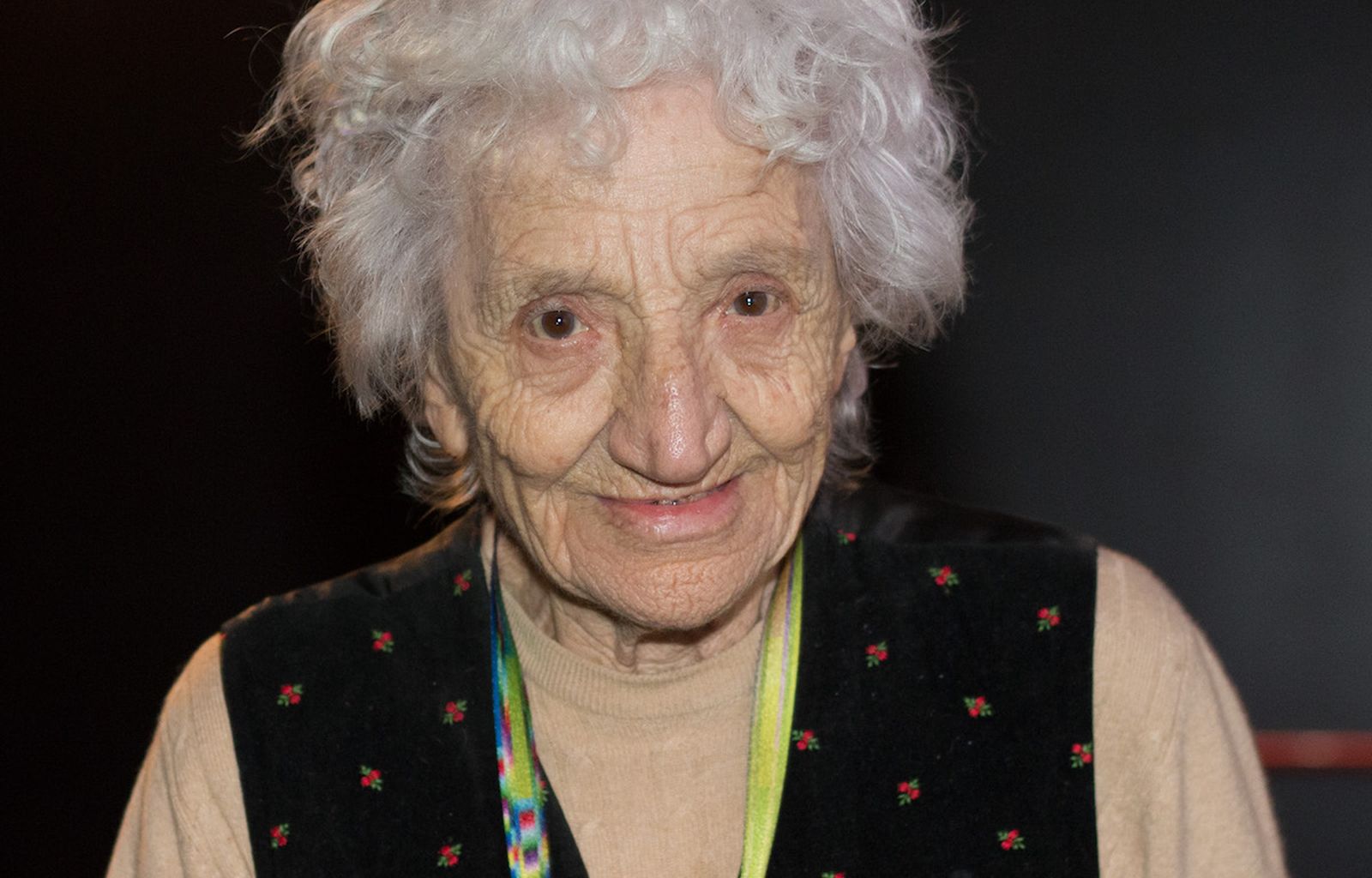
(Mola di Bari, Italy, 1927 - Roma, Italy, 2021) is the first Italian woman documentarist. She is a photographer, writer, filmmaker. She started her career as a film critic, and the found in Lino Del Fra the partner for what concerns both her sentimental and professional life. All alone or together with De Fra (collaborating with Pier Paolo Pasolini too), she started directing documentaries on Italian outskirts and subaltern classes, producing Ignoti alla città (1958), La briglia sul collo (1974), La canta delle Marane (1960), inspired by Pasolini’s Ragazzi di vita, and Stendalì (1960). Throughout Comizi d’amore '80 they dealt with the idea of sexuality and the issue of abortion. In All'armi siam fascisti! (1960), thery were the first filmmakers, alongside Lino Micciché, to introduce a visual insight on the regime, and then to analyse Stalin’s figure in La statua di Stalin (1963). In 2012 Cecilia went to Taranto to represent the uprising against the climate pollution in In viaggio con Cecilia (2013), codirected with Mariangela Barbanente. In 2020 Torino Film Festival honoured her with the Maria Adriana Prolo Award, after the screening of her last work, Due scatole dimenticate - Un viaggio in Vietnam.
FILMOGRAFIA
Ignoti alla città (doc, cm, 1958), Maria e i giorni (doc, cm, 1959), Firenze di Pratolini (doc, cm, 1959), La canta delle marane (doc, cm, 1960), Stendalì - Suonano ancora (doc, cm, 1960), La passione del grano (doc, cm, coregia di Lino del Fra, 1960), Fata Morgana (doc, coregia di Lino del Fra, 1961), All'armi, siam fascisti! (doc, coregia di Lino Del Fra e Lino Micciché, 1962), La statua di Stalin (doc, coregia di Lino Del Fra, 1963), Divino amore (doc, 1963), Trieste del mio cuore (doc, cm, 1964), Pugili a Brugherio (doc, cm, 1965), Tommaso (doc, cm, 1965), Felice Natale (doc, cm, 1965), Essere donne (1965), Brindisi '66 (1966), Domani vincerò (1969), La briglia sul collo (cm, 1974), Comizi d’amore ’80 (doc, coregia di Lino Del Fra, 1982), In viaggio con Cecilia (coregia di Mariangela Barbanente>, 2013), Due scatole dimenticate - Un viaggio in Vietnam, (doc, 2020).
Lino Del Fra
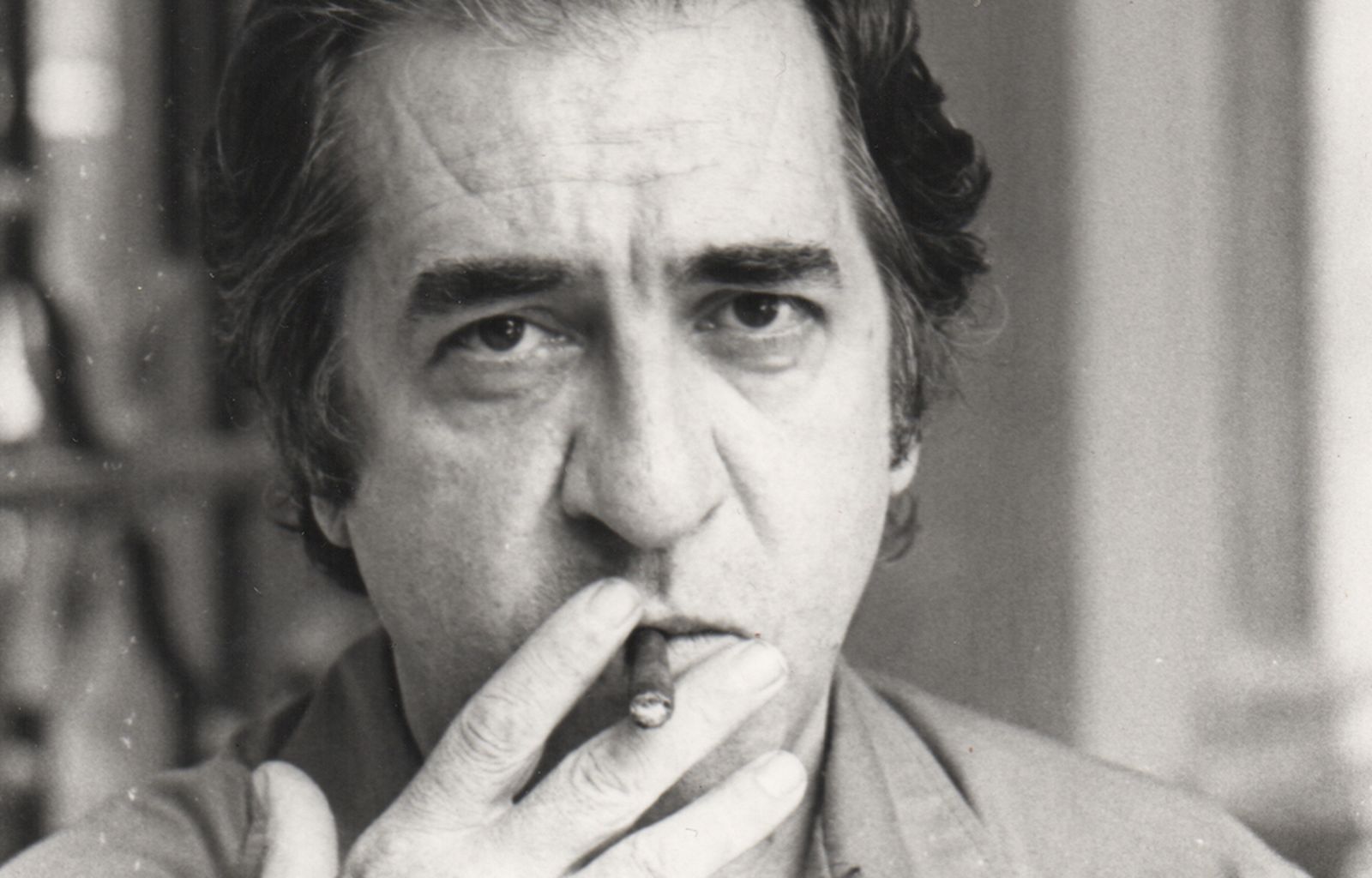
(Rome, 1927-1997) was an assistant professor of moral philosophy and pedagogy at the University of Rome, as well as a film critic for “Cinema Nuovo,” “Bianco e Nero,” “Avanti!” and “Mondo Nuovo.” A documentary filmmaker starting in 1960, he made short films of remarkable anthropological and social interest. He initially collaborated with the well-known anthropologist Ernesto De Martino (La passione del grano and L’inceppata, both from 1960) and his later filmography was dedicated to investigating the conditions of the less affluent classes of Italian society during the years of the economic boom and the following decades. He received several important awards, such as the Leone di San Marco at the Venice Film Festival for Fata Morgana (1961) and the Osella di bronzo for Lettera dal Friuli (1964). His best-known film is All’armi, siam fascisti! (To Arms, We're Fascists!, 1961), which he directed with the film critic Lino Miccichè and with his wife Cecilia Mangini, his regular collaborator. He refused to take credit for his movie La statua di Stalin (1963) after the producer edited the movie. His few feature films include La torta in cielo (Cake in the Sky, 1973), a fable against capitalism and authoritarianism, and Antonio Gramsci: i giorni del carcere (Antonio Gramsci: The Days of Prison, 1977). Comizi d’amore ‘80, which he directed in 1983 with Mangini, is an ideal sequel, twenty years after the fact, of Pier Paolo Pasolini's famous investigation.
FILMOGRAFIA
La passione del grano (cm, 1960), L’inceppata (1960), All’armi siam fascisti! (coregia Cecilia Mangini, Lino Miccichè, doc, 1961), I misteri di Roma (doc, 1963), La statua di Stalin (cm, doc, 1963), Dopo l’alluvione (cm, doc, 1965) L’assurdo (cm, doc, 1966), La torta in cielo (1973), V. & V. (cm, doc, 1973), Strip Girl (cm, doc, 1974), Antonio Gramsci: i giorni del carcere (1977), Comizi d’amore ‘80 (coregia Cecilia Mangini, doc, 1983), Klon (doc, 1991).
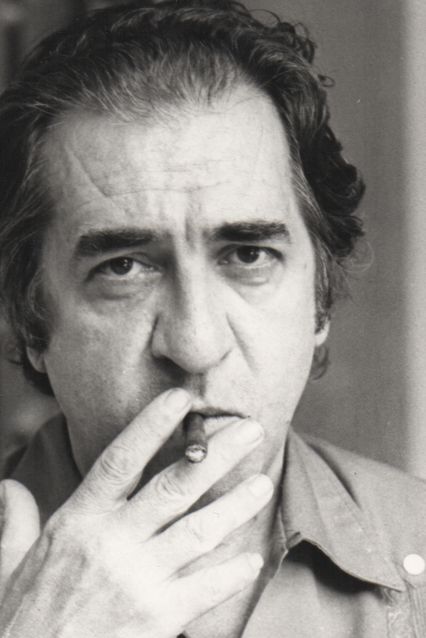
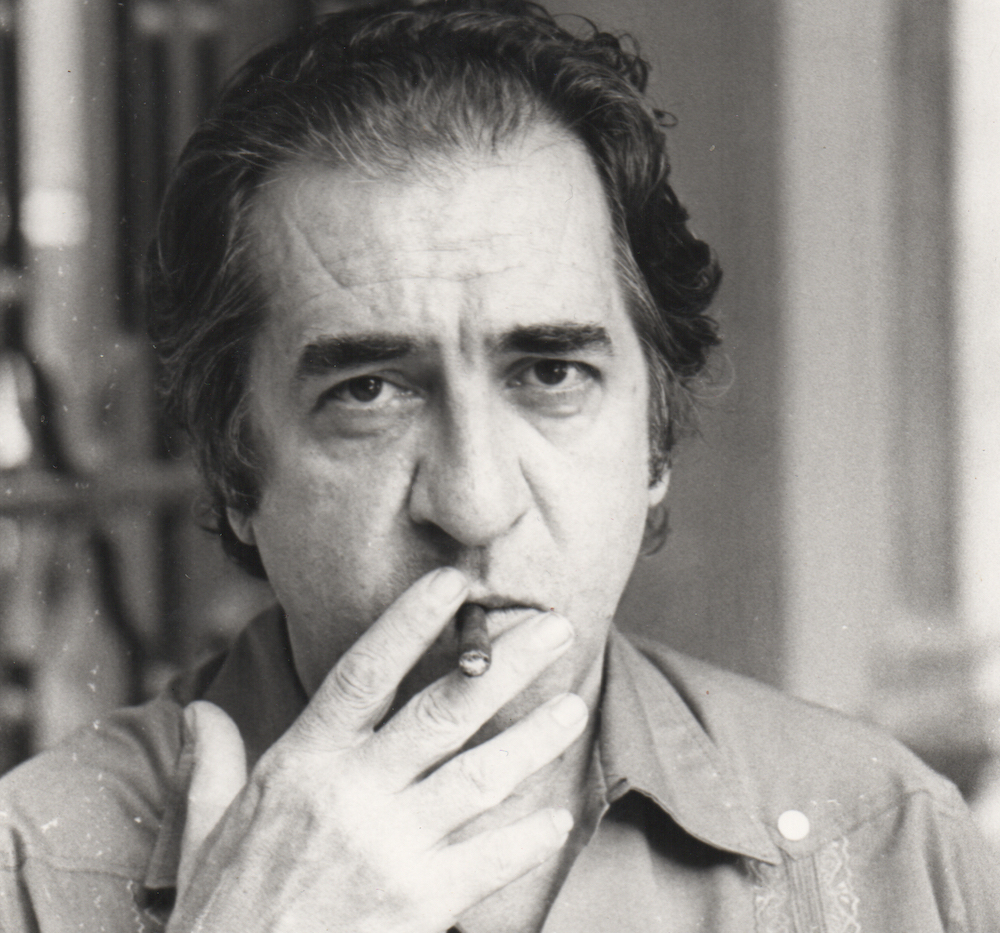
Lino Micciché
(Caltanissetta, 1934-Rome, 2004) began working as a film critic and making neorealistic short films during the 1950s. In 1961, he, Lino Del Fra, and Cecilia Mangini made the famous All’armi, siam fascisti!. In 1965, he created the Pesaro Film Festival, which he directed for many years, bringing the major waves of the new international cinema of the 1960s to Italy. He was a professor of film history at the universities of Trieste, Siena, Paris-Sorbonne, and Roma Tre, where he founded the department of studies in performing arts. He wrote the film column for “Avanti!” for over thirty years, was a critic for Tg3, president of the national union of film critics and one of the people behind the creation of the Settimana della Critica. In 1997, he was president of the Venice Biennale, and from 1998 to 2002 he was president of the Centro sperimentale di cinematografia in Rome. His son dedicated the movie Lino Miccichè, mio padre - Una visione del mondo (2013) to his life.
Cast
& Credits
DIRECTOR, STORY, SCREENPLAY: Lino Del Fra, Cecilia Mangini, Lino Miccichè. TEXT: Franco Fortini. VOICES: Giancarlo Sbragia, Emilio Cigoli e Nando Gazzolo. FILM EDITING: Georgy Urschitz. MUSIC: Egisto Macchi. PRODUCTION: Universale Film.
CONTACT:
Minerva Pictures info@minervapictures.com