

Country: Italy
Year: 1979
Duration: 155'
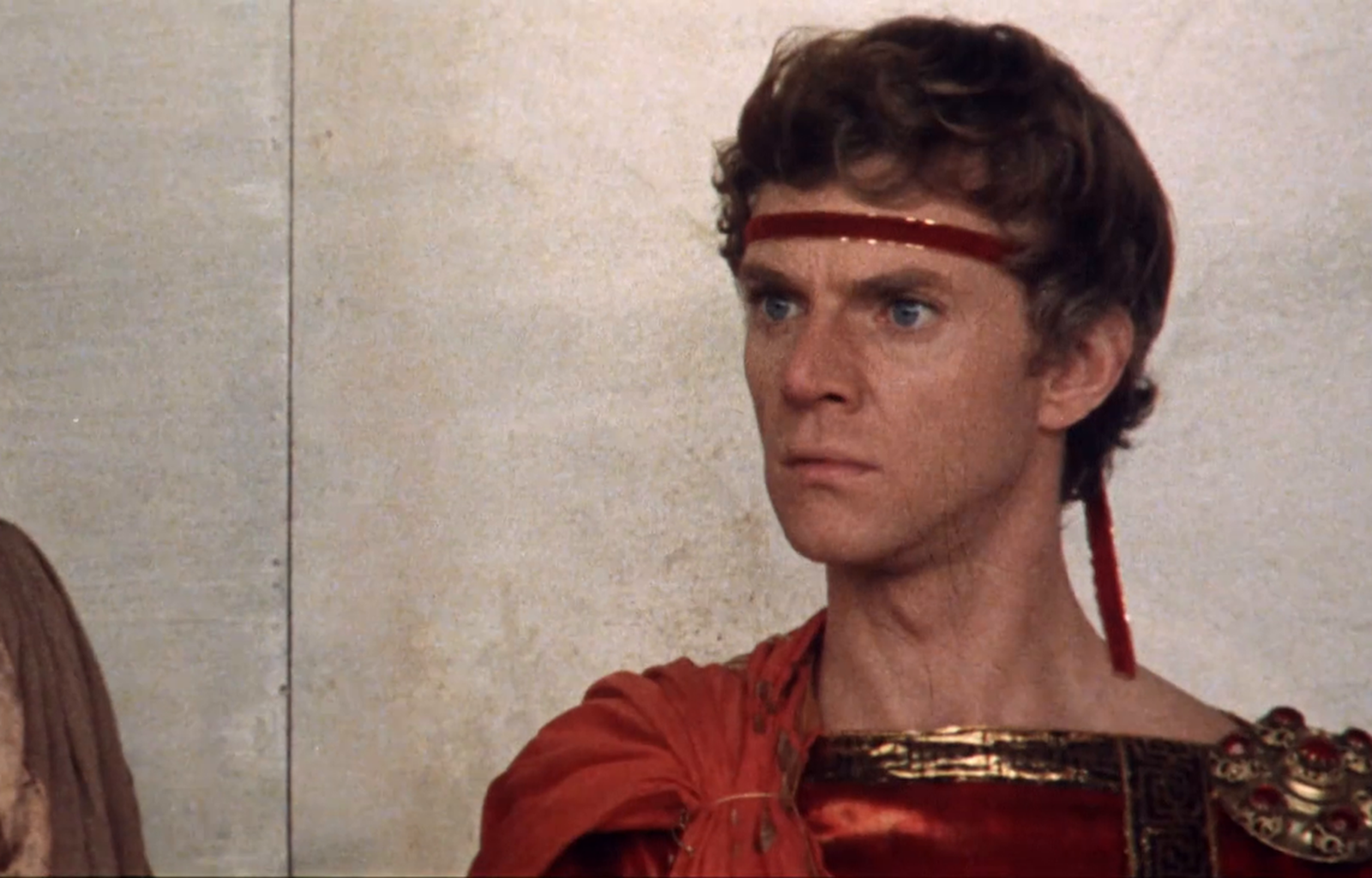
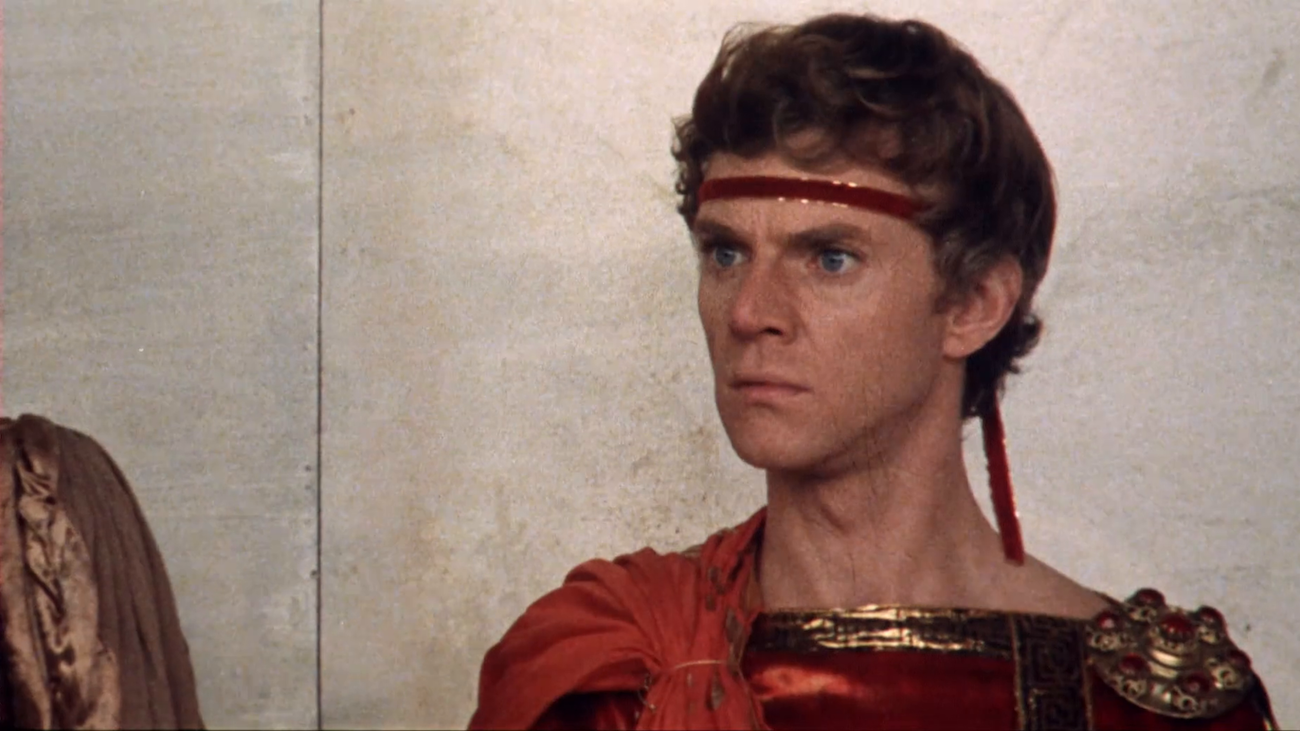
The story of the mad Roman emperor Caligula (played by Malcolm McDowell), his rise and fall, the paranoia of a young man who wants to enjoy the power he has gained, the excesses and cruelty that marked his reign. Written by Gore Vidal; directed by Tinto Brass (who took the place of Roberto Rossellini, Vidal’s choice when he wrote the movie); produced by Bob Guccione, the owner of “Penthouse;” and one of the most discussed and mutilated movies in film history. It took form despite countless clashes among its authors, and from a realistic story about the Roman empire it turned into an uncontrolled orgy of torture, violence, and sexual excess. The movie was taken away from its director, scenes were added and re-shot beyond Brass’ control, and it was later censored and distributed in various versions. The screened version is the original one lasting 155’.
Biography
film director
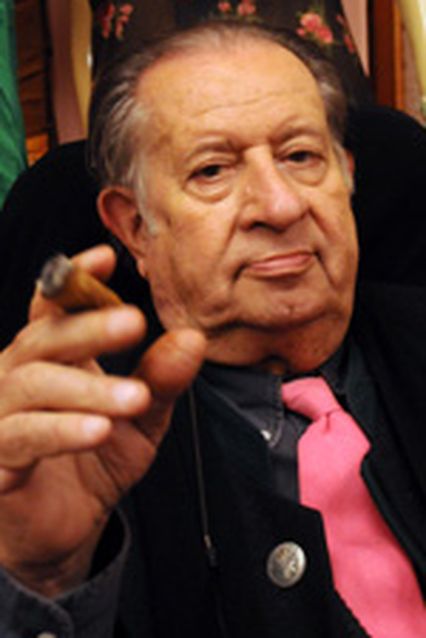
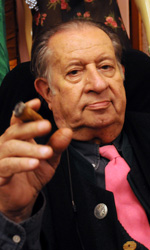
Tinto Brass
(Milan, Italy, 1933) received his law degree in 1957 but since he was more interested in cinema than in law he moved to Paris, where he worked as an archivist at the Langlois’ Cinémathèque. He later returned to Italy and worked as assistant director for directors like Cavalcanti, Rossellini and Ivens, before debuting with his feature film Chi lavora è perduto (In capo al mondo) in 1963. He later tried his hand at other genres, such as the sci-fi fairytale The Flying Saucer (1964), the Italian-style western Yankee (1966) and the detective story I Am What I Am (1967). In 1968 he portrayed the libertarian mood of ’68 in Black on White (1969) and Vacation (1971) before dedicating himself exclusively to the erotic genre, starting with Madam Kitty (1976).
FILMOGRAFIA
Chi lavora è perduto (In capo al mondo) (1963), Ça ira - Il fiume della rivolta (doc., 1964), La mia signora (ep. L’uccellino; L’automobile, 1964), Il disco volante (1964), Yankee - L’americano (1966), Col cuore in gola (1967), Nerosubianco (1969), L’urlo (1970), Dropout (1971), La vacanza (1971), Salon Kitty (1976), Io, Caligola (1979), Action (1980), La chiave (1983), Miranda (1985), Capriccio, (1987), Snack Bar Budapest (1988), Paprika (1991), Così fan tutte (1992), L’uomo che guarda (1994), Fermo posta Tinto Brass (1995), Monella (1998), Tra(sgre)dire (2000), Senso ’45 (2002), Fallo! (2003), Monamour (2005).
Cast
& Credits
DIRECTOR: Tinto Brass. SCREENPLAY: Gore Vidal, Bob Guccione, Giancarlo Lui. CINEMATOGRAPHY: Silvano Ippoliti. FILM EDITING: Nino Baragli, Russell Lloyd. PRODUCTION DESIGN: Danilo Donati, Franco Velchi. COSTUME DESIGN: Danilo Donati. MUSIC: Paul Clemente. CAST: Malcolm McDowell, Teresa Ann Savoy, Guido Mannari, John Gielgud, Peter O’Toole, Giancarlo Badessi, Bruno Brive, Adriana Asti, Leopoldo Trieste, Paolo Bonacelli, John Steiner, Mirella Dangelo, Helen Mirren, Osiride Pevarello, Donato Placido. PRODUCERS: Bob Guccione, Franco Rossellini. PRODUCTION: Penthouse Films International, Felix Cinematografica.