

Country: Italy
Year: 2022
Duration: 16'
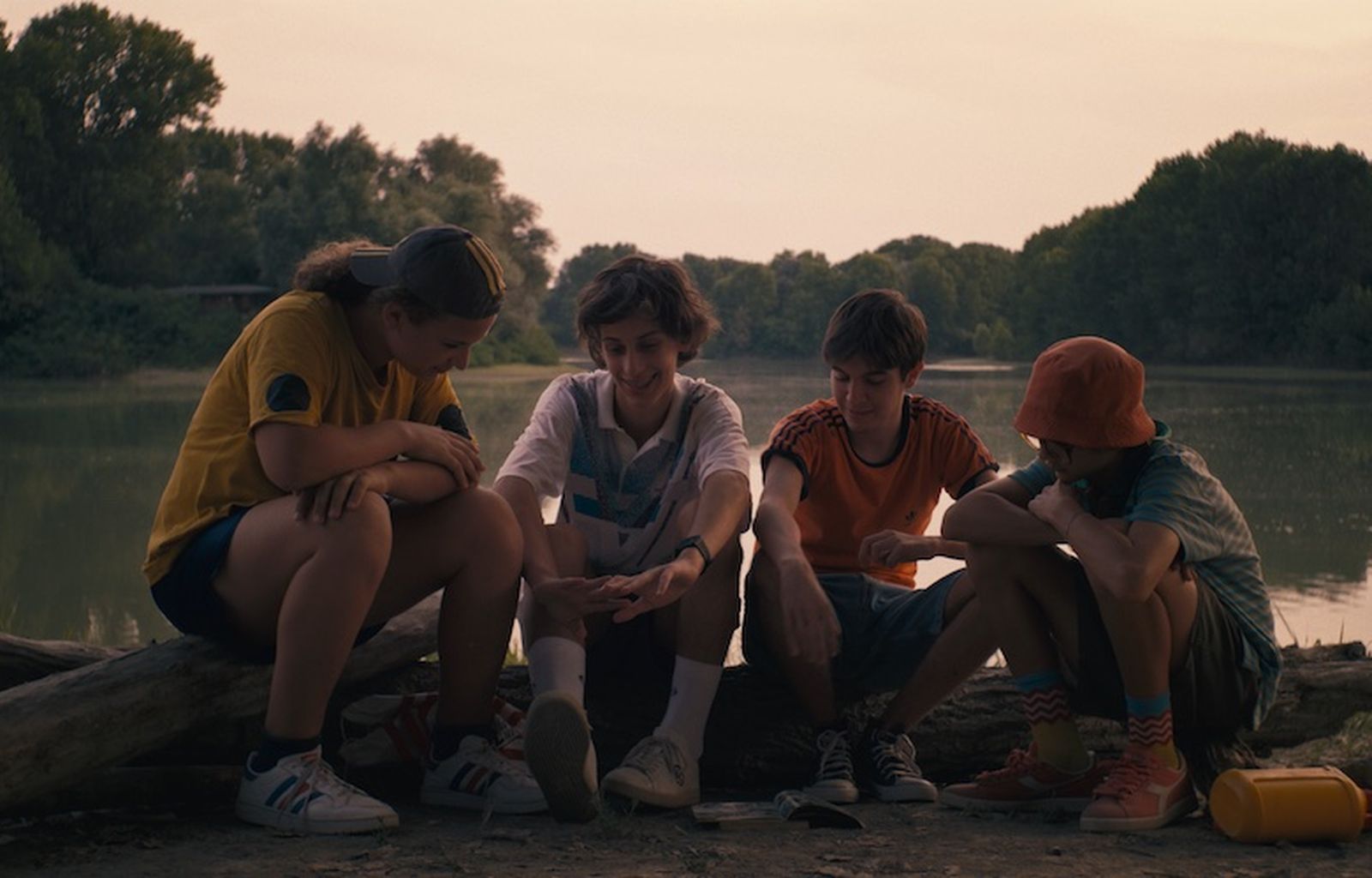
The early 1990s. Three adolescents are trying to seem older than they are: they build tree houses and challenge each other continuously. They collect trading cards but the most coveted collection features photos of semi-naked women ripped from magazines, the most desired prize for winning a game. Other picture magazines tickle their desire to become adults: will the newspaper-seller notice how old they are? Who will be the one to deal with him? And will adulthood be as fascinating as it seems in their imagination?
Biography
film director
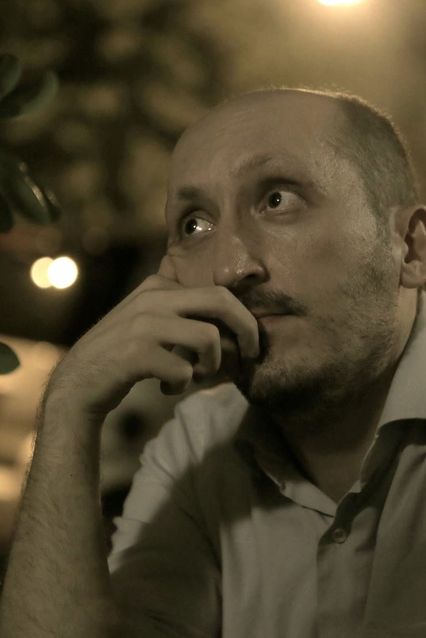
Claudio Casazza
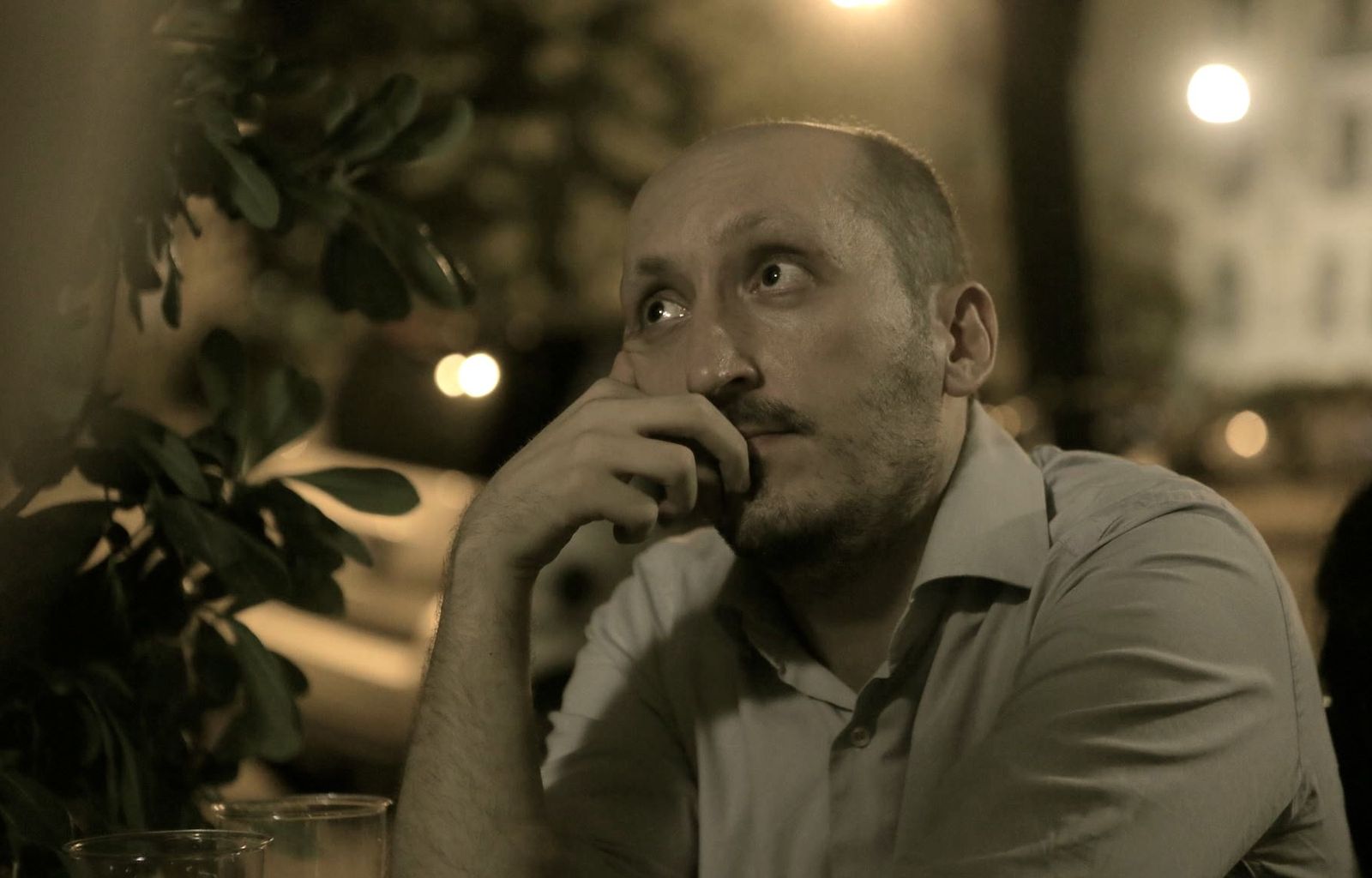
(Milan, 1977) presented at the 2013 Torino Film Festival the documentary Habitat [Piavoli], directed with Luca Ferri and a portrait of the director Franco Piavoli. In 2014, his movie Capulcu - Voices from Gezi recounted the protests against Erdogan in Istanbul and in 2017, L’ultima popstar, a surreal chronicle of a day Pope Francis spent with the faithful, won the Italian competition at the 2017 Festival dei Popoli. His most successful movie is Un altro me (Another Me), shot inside the Bollate penitentiary; it, too, was presented at the Festival dei Popoli, where it won the audience award in 2016. In 2020, he participated in the collective film Le storie che saremo.
FILMOGRAFIA
Era la città del cinema (doc., 2010), I frutti puri impazziscono – Frammenti di Altro Lario (doc., 2010), Il vento fa suo il Giro (doc., cm, 2012), Habitat [Piavoli] (coregia Luca Ferri, doc., 2013), Çapulcu: Voci da Gezi (doc, 2014), Un altro me (doc, 2016), L’ultima popstar (doc., 2017), Le storie che saremo (episodio di Vite che non sono la mia, doc., cm, 2020), Cicciolina Pocket (cm, 2022).
Declaration
film director
“Cicciolina Pocket is a snapshot of adolescence between the late 1980s and the early '90s, a direct drive of the lives of four boys, harsh and brutal, temperamental and imaginative. An avalanche of quips that frames one afternoon that has one single goal, a single unrepeatable adventure: the search for the first erotic magazine, the object of their desire, their 'first time.' Movies like Stand by Me and Goonies played a central role in my imagination and in how I recount adolescence in films. Using these reference points, but without much nostalgia, we constructed the movie, setting it along the Po river in Emilia, a place full of the cinema of the past – from Bertolucci to Olmi – where time is still standing still and it's still possible to set an adventure like this one, the ideal place to build a tree house and let the imagination of our four protagonists travel toward the otherness, toward this opposite sex, made of the same flesh but yet so mysterious, so exciting but also so distant.”
Cast
& Credits
DIRECTOR: Claudio Casazza. SCREENPLAY: Roberto Donati. CINEMATOGRAPHY: Michele Cherchi Palmieri. FILM EDITING: Ubaldo Giusti. CAST: Giovanni Versari, Luca Cagnetta, Samuele Marchi, Tommaso Finocchiaro, Giuseppe Sepe. PRODUCERS: Carla Vulpiani, Ubaldo Giusti. PRODUCTION: Ubaldo Giusti’s Keep Digging Production, Quasar.
CONTACT:
Varicoloured - ubaldo@keepdiggingproduction.com