

Country: Italy
Year: 2022
Duration: 83'
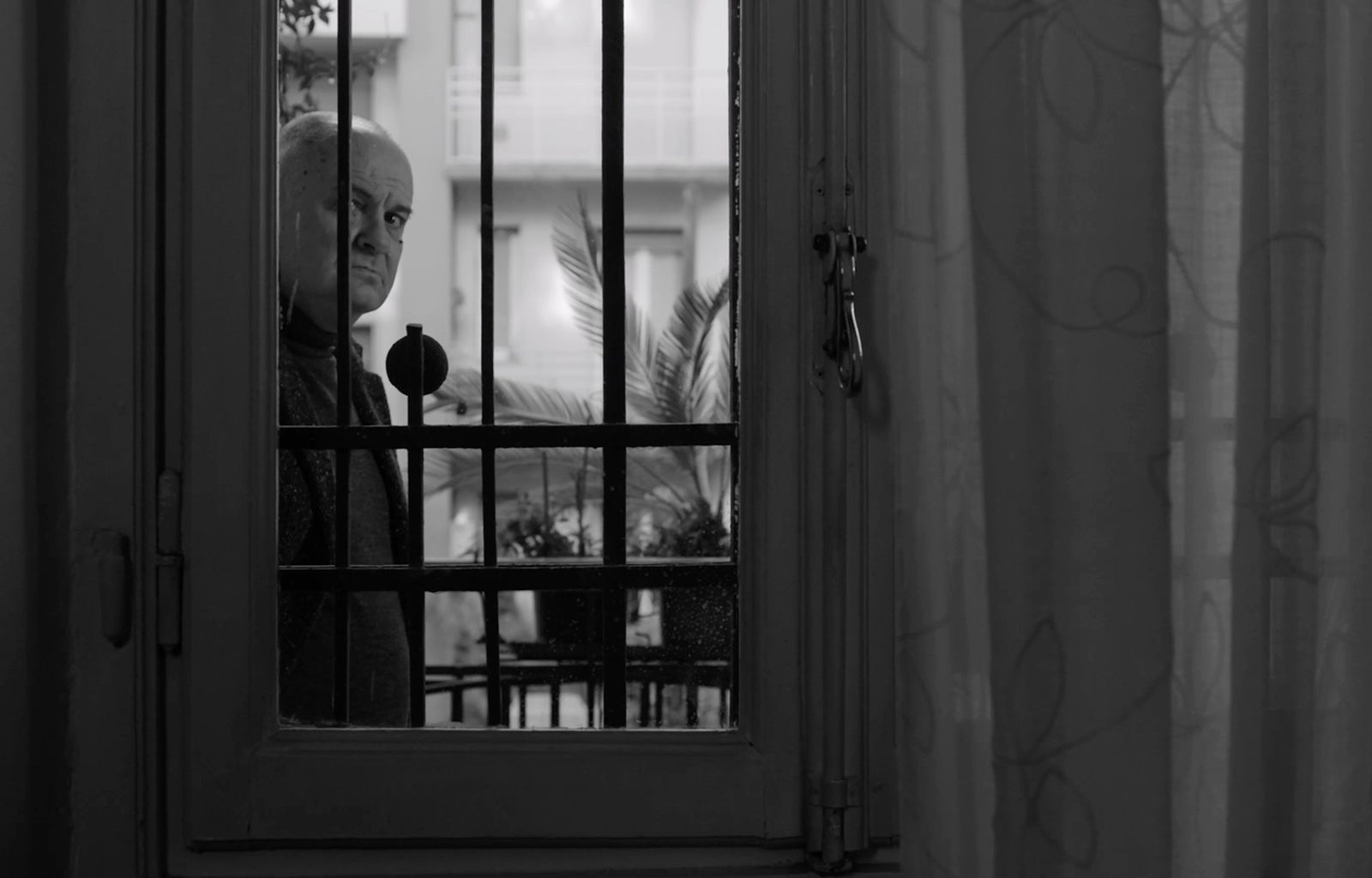
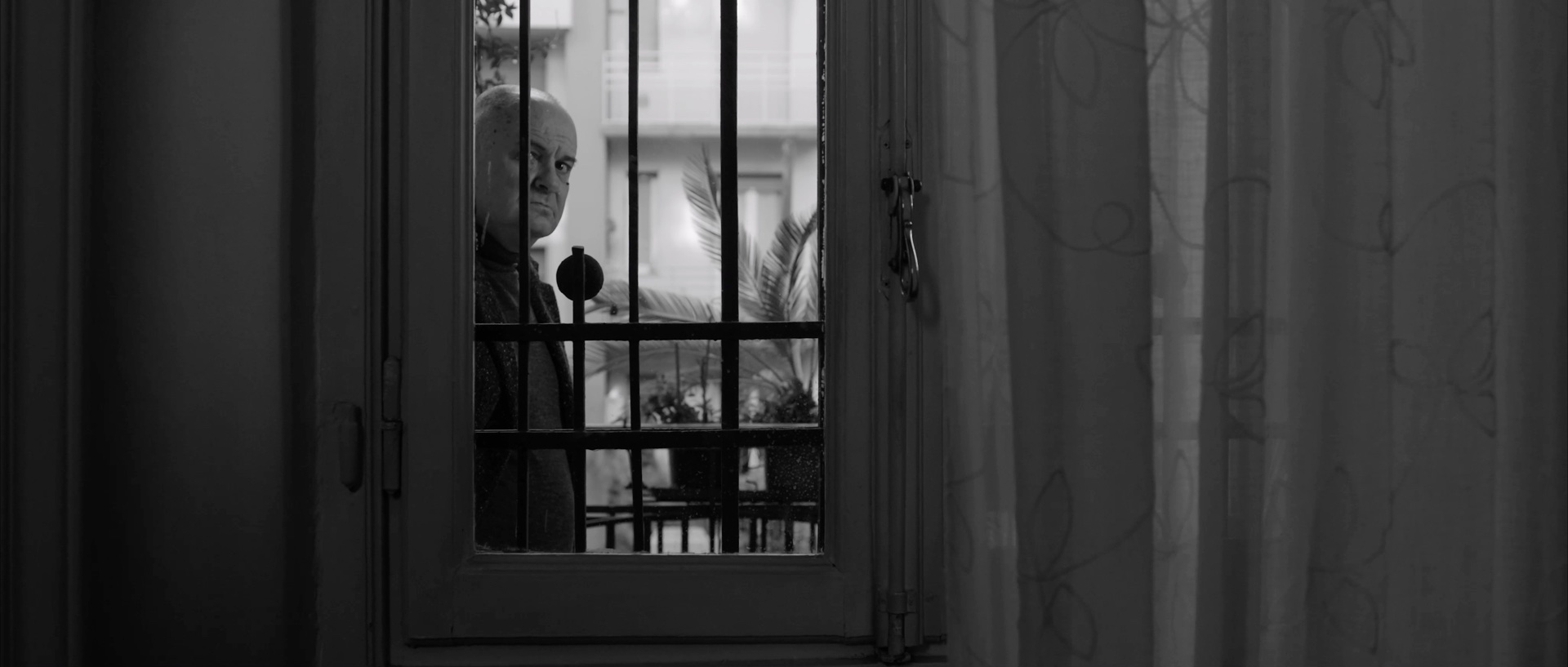
K is getting old; for over thirty years, he has been married to Lara, who is just a few years younger than he is. They married for love but the death of their four-year-old daughter, which occurred when they were still young, has left them fragile and desperate. For the past six months, now that he's almost retirement age, K has been having an affair with a woman, Silvia, with whom he spends much of his time. Lara is abandoned to herself and tries to survive this cohabitation made of mechanical gestures and long silences. Until the day she falls gravely ill. Unable to communicate with K, she locks herself up in her pain, while her husband doesn't realize his wife is sick because he is so distracted by his things and his lover. Lara decides to leave K, but the situation rapidly spins out of control...
Biography
film director
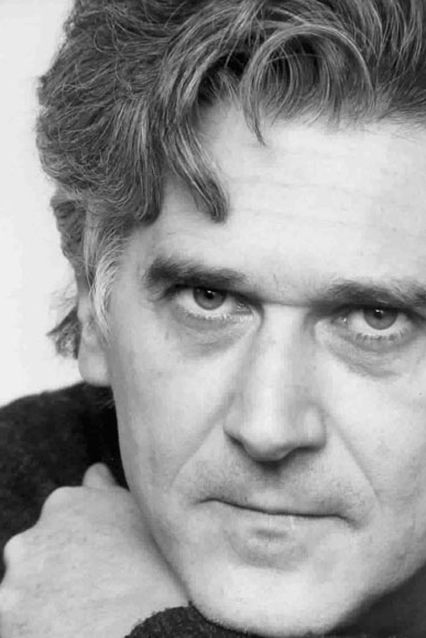
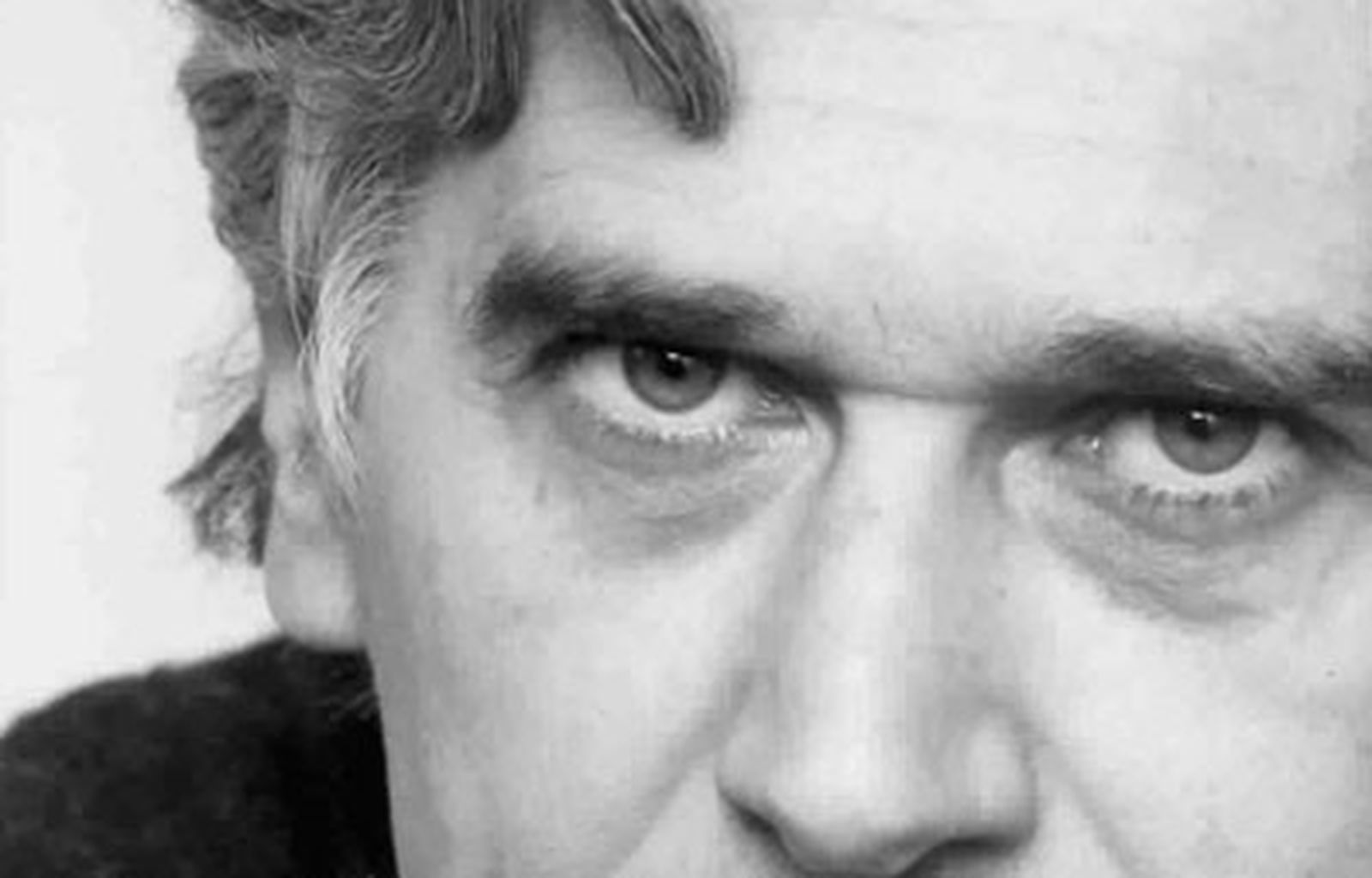
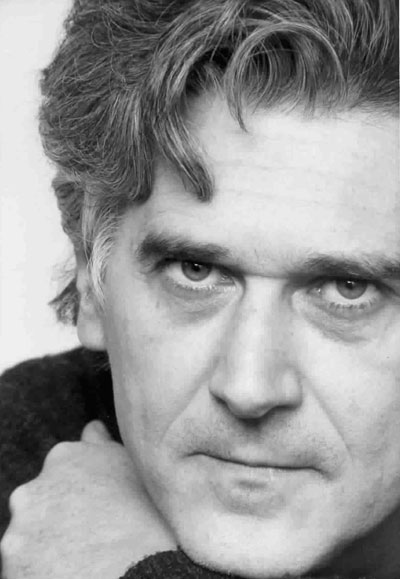
Bruno Bigoni
(Milan, Italy, 1950) in 1979 was one of the founders of the Filmmaker Festival. In 1983, he and Kiko Stella codirected his first film, Live. In 1987, he directed the documentary Nome di battaglia: Bruno and in 1990, he, Minnie Ferrara, and Kiko Stella founded Minnie Ferrara & Associati. His most recent documentaries include Oggi è un altro giorno; Amleto... frammenti; Faber; Comizi d’amore 2000; Chi mi ha incontrato, non mi ha visto and, in 2017, My War Is Not Over, many of which were presented at the TFF. In 2019 he directed with Francesca Lolli Voglio vivere senza vedermi, presented out of competition at TFF and Filmmaker, Milan. TFF also presented his film Tre donne, di Sylvia Plath, co-directed with Francesca Lolli.
FILMOGRAFIA
(cortometraggi) Spaccati (1979), L’attesa (1980), La magia (1980), Nothing (1985) Nel lago (1986), Nome di battaglia: Bruno (1987), Il mondo chiuso (1988), Confine incerto (1988), Zanzare (1989), Lux interior (1989), Jamaica (1990), Stanza One-Eleven (1991), Le lacrime amare di Petra (1992), L’origine della ferita (1994), Oggi è un altro giorno (doc, 1995), Belli sciallati (1996), Il cerchio (1996), L’agnello di Dio (1996), Nothing is Real - Appunti su Nirvana (co-regia Giuseppe Baresi, doc,1996), Amleto... frammenti (1997), Scene da Pinocchio (1998), In tutto questo niente (co-regia Collettivo 57 dello IULM di Milano, 2012), Fino a quando l’ultimo - Sulcis, storia di una resistenza operaia (2018). (documentari) Italia ‘90 - Lavori in corso (1990), Faber, co-regia Romano Giuffrida (1999), Comizi d’amore 2000 (2000), I sogni degli Elfi - Viaggio nella storia del Teatro dell’Elfo (2000), Cuori all’assalto - Storia di Raffaele e Cristina (2003), Riccardo (2004), Chiamami Mara (2005), Don Chisciotte e... (2006), L’attimo assoluto (2009), Il colore del vento (2010), Milano 55,1 - Cronaca di una settimana di passioni (2011), Sull’anarchia (2014), Chi mi ha incontrato, non mi ha visto (2016), My War Is Not Over (2017). (lungometraggi) Live, co-regia con Kiko Stella (1983), Occasioni di shopping (ep. Provvisorio quasi d’amore, 1988), Veleno (1993), Illuminazioni (2004), Voglio vivere senza vedermi (co-regia con Francesca Lolli, 2019), Tre donne, di Sylvia Plath (co-regia con Francesca Lolli, 2021), Cinque stanze (2022).
Declaration
film director
“Cinque stanze isn't a movie about pain but about falling, about the difficulty of getting back up. Yes, pain is involved but also perseverance, courage, strength, desire. Not everybody has these qualities and so you fall, you try not to hurt yourself too much. The movie casts an affectionate and never impetuous gaze on the characters. It constructs a type of geography of the soul of these three characters, who are linked by a shared destiny: to live. […] Each room that is recounted contains and narrates one or more of the characters in the story. It defines the place and somehow determines their behavior. The things that happen find their meaning in the room where it happened.”
Cast
& Credits
DIRECTOR, STORY: Bruno Bigoni. SCREENPLAY: Bruno Bigoni, con la collaborazione di Beba Slijepcevic. CINEMATOGRAPHY: Italo Petriccione. FILM EDITING: Claudio Bonafede. PRODUCTION DESIGN: Francesca Caccia. COSTUME DESIGN: Luciana Malacarne. MUSIC: Fabio Gianni. SOUND: Paolo Benvenuti. CAST: Riccardo Magherini, Debora Zuin, Federica Fracassi e Gaia Carmagnani. PRODUCER: Mario Castagna, in collaborazione con Università IULM.
CONTACT:
Altamarea - Giulia Fiore giulia.fiore@altamareafilm.it