

Country: Poland, Afghanistan, Italy
Year: 2022
Duration: 88'
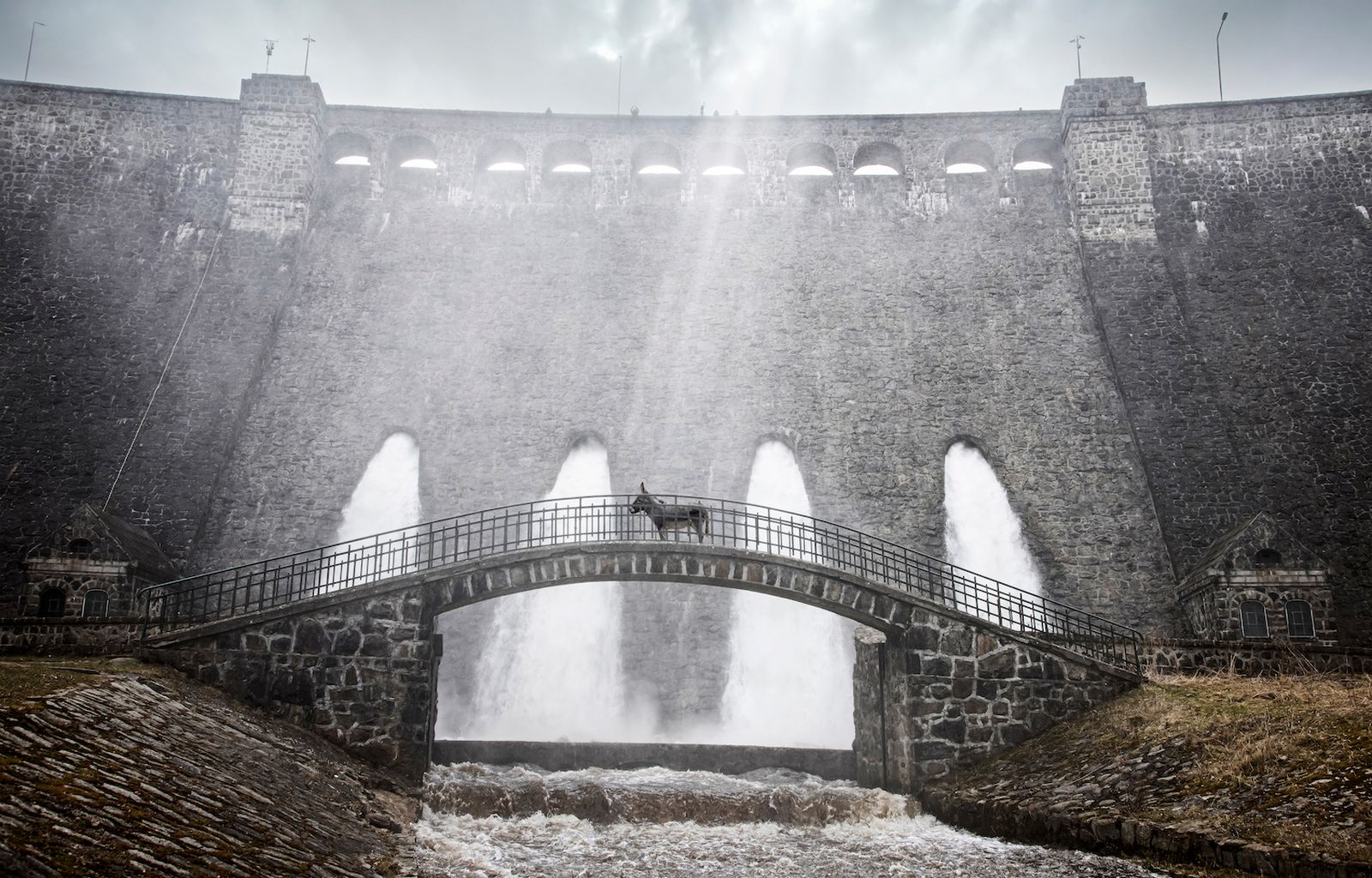
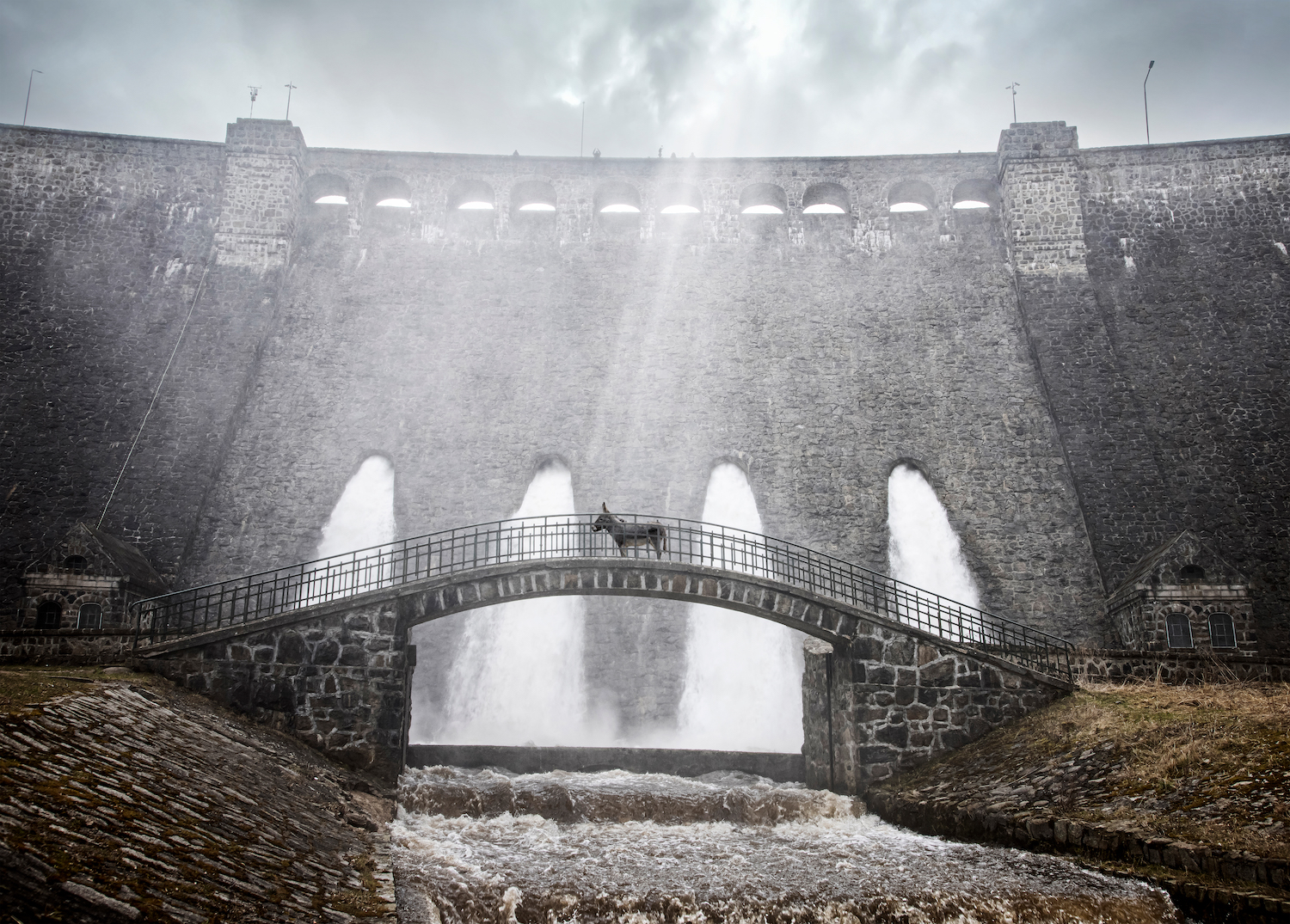
EO, a gray donkey with melancholic eyes and a curious spirit, begins his life as a circus performer. After being removed from the traveling circus, which is the only life he’s ever known, EO begins a trek across the Polish and Italian countryside, experiencing cruelty and kindness in equal measure, all the while observing the follies and triumphs of humankind. During his travels, EO is both helped and hindered by a cast of characters that includes a young Italian priest, a Countess, and a rowdy Polish soccer team.
Biography
film director
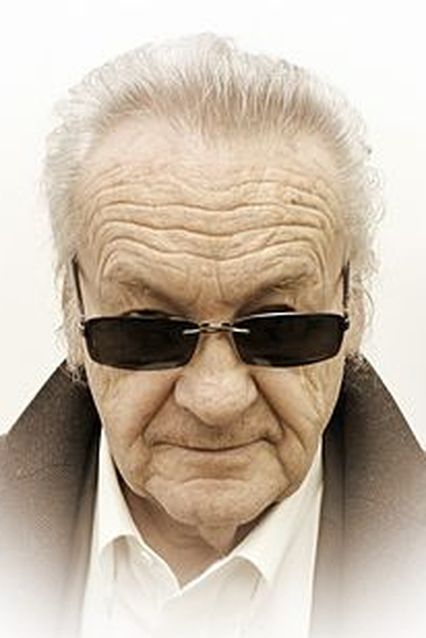
Jerzy Skolimowski
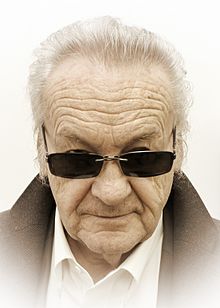
(Lodz, Poland, 1938), director, screenwriter, producer, and actor, after inconsistent studies and experience as a boxer and a poet, became involved in cinema thanks to Andrzej Wajda, who encouraged him to enroll in the film school in Lodz. With Polanski, he wrote the screenplay for Knife in the Water (1962) and he debuted as a director with Rysopis (1964), which, with his next film Walk over (1965), made him one of the major exponents of the international Nouvelle Vague of the 1960s. In 1967, his film The Departure won the Golden Bear in Berlin but that same year another movie of his, Hands Up!, was censored (it was released only in 1981) and he never made another movie in his home country. Skolimowski's international career is full of risky production adventures and great masterpieces and spans various countries (Czechoslovakia, Italy, Germany, England, the United States). After the failure of King, Queen, Knave, he spent a great deal of inactive time in England and Poland, followed by the great success of his English movies The Shout (1978) and Moonlighting (1982). In 1985, he directed his first all-American movie, Lightship and he moved to the US. After returning to his homeland, in 1991 he directed his first Polish movie after Hands Up!, 30 Door Key and over the years continued to work in cinema, writing and producing the film by his two sons Józef and Michal, The Hollow Men (1993). After a long hiatus from film, he returned to directing movies in 2008 with Four Nights with Anna, presented at the Quinzaine des réalisateurs in Cannes, followed by Essential Killing (2010), Special Jury Prize in Venice; 11 Minutes (2015); and EO (2022), the Jury Prize in Cannes.
FILMOGRAFIA
Rysopis (Rysopis - Segni particolari nessuno, 1964), Walkover (1965), Bariera (Barriera, 1966), Le Départ (Il vergine, 1967), The Adventures of Gerard (Le avventure di Gerard, 1970), Deep End (La ragazza del bagno pubblico, 1970), König, Dame, Bube (Un ospite gradito... per mia moglie, 1972), The Shout (L'australiano, 1978), Ręce do gory (Mani in alto, 1981), Moonlighting (Moonlighting - Cittadini di nessuno, 1982), Success Is the Best Revenge (Il successo ad ogni costo, 1984), The Lightship (Lightship - La nave faro, 1985), Torrents of Spring (Acque di primavera, 1989), Thirty Door Key/Ferdydurke (1991), Cztery noce z Anną (Quattro notti con Anna, 2008), Essential Killing (id. 2010), 11 minut (11 Minutes, 2015), EO (2022).
Declaration
film director
“Several decades ago, I said in an interview (I think it was ‘Cahiers du Cinéma’) that the only film that moved me to tears was Bresson’s Au hasard Balthazar. I think I discovered it shortly after its release. Since then, I haven't shed a single tear at the cinema. Thus, what I owe to Robert Bresson is to have acquired the strong conviction that making an animal a character in the film is not only possible but can also be a source of emotion. I wanted above all to make an emotional film, to base the narration on emotions, much more than in any of my previous films.”
Cast
& Credits
DIRECTOR: Jerzy Skolimowski. SCREENPLAY, Producers: Ewa Piaskowska, Jerzy Skolimowski. CINEMATOGRAPHY: Michał Dymek. FILM EDITING: Agnieszka Glińska. MUSIC: Paweł Mykietyn. CAST: Sandra Drzymalska, Lorenzo Zurzolo, Mateusz Kosciukiewicz, Isabelle Huppert. PRODUCTION: Skopia Film, Jeremy Thomas. CO-PRODUCTION: Alien Films, Polwell, Moderator Inwestycje, Warminsko-Mazurski Fundusz Filmowy, Podkarpacki Regionalny Fundusz Filmowy, Strefa Kultury Wroclaw, Veilo.
CONTACT:
IWonder Pictures acquisitions@iwonder.it