

40° TORINO FILM FESTIVAL
OUT OF COMPETITION/FAVOLACCE
I SOGNI ABITANO GLI ALBERI
by Marco Della Fonte
Country: UK
Year: 2022
Duration: 112'
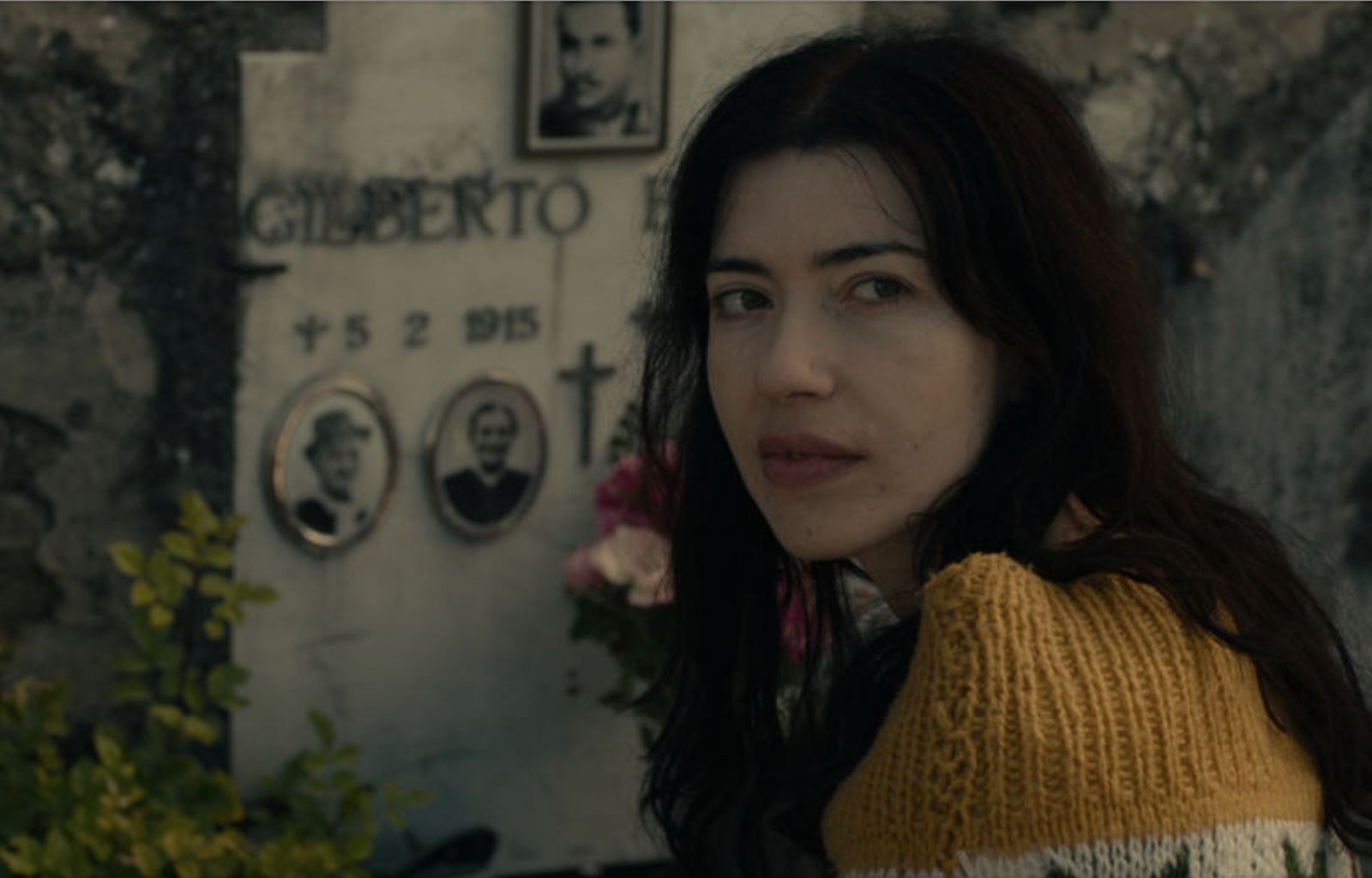
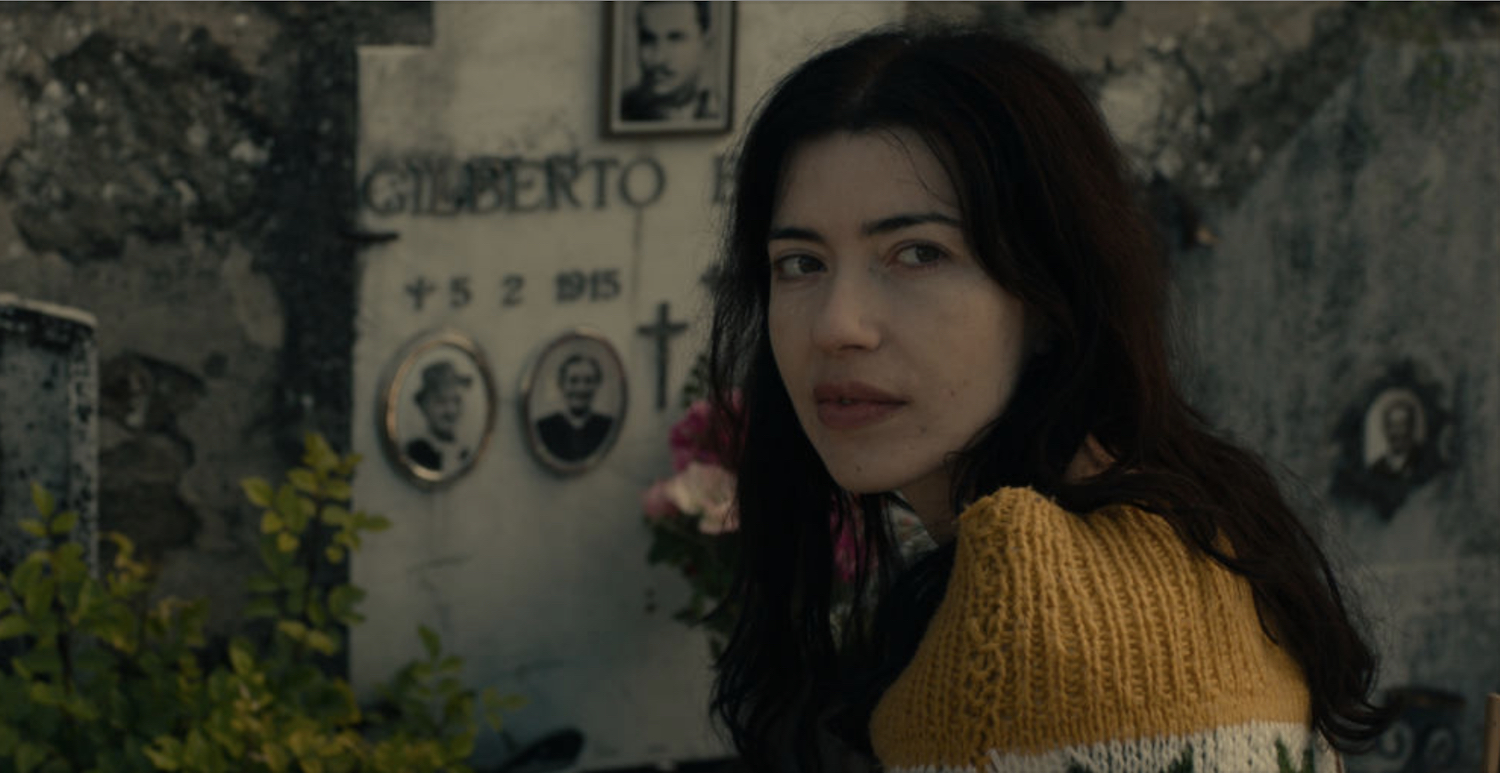
After 5 years in a mental hospital Anja returns home to a village in Tuscan mountains into the care of her brother Ettore and his wife Lisa. For everyone, Anja’s a mentally disturbed woman except “crazy” Libero. He’s the only one who treats her without prejudice, and with his child-like innocence allows her to be free. Libero lives with his mother. He did time in a criminal asylum for the accidental murder of his father. Anja & Libero fall in love. They live out their dream under the protection of a secret shack in the middle of a forest surrounded by coloured trees. When Anja gets pregnant her family does everything to separate her from Libero and prevent the birth of an "unacceptable" family.

Biography
film director
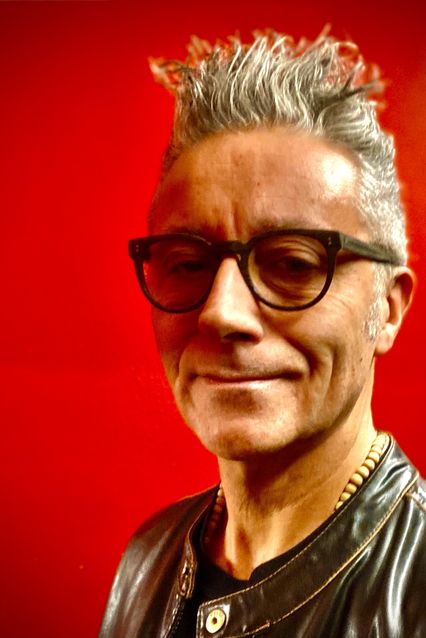
Marco Della Fonte
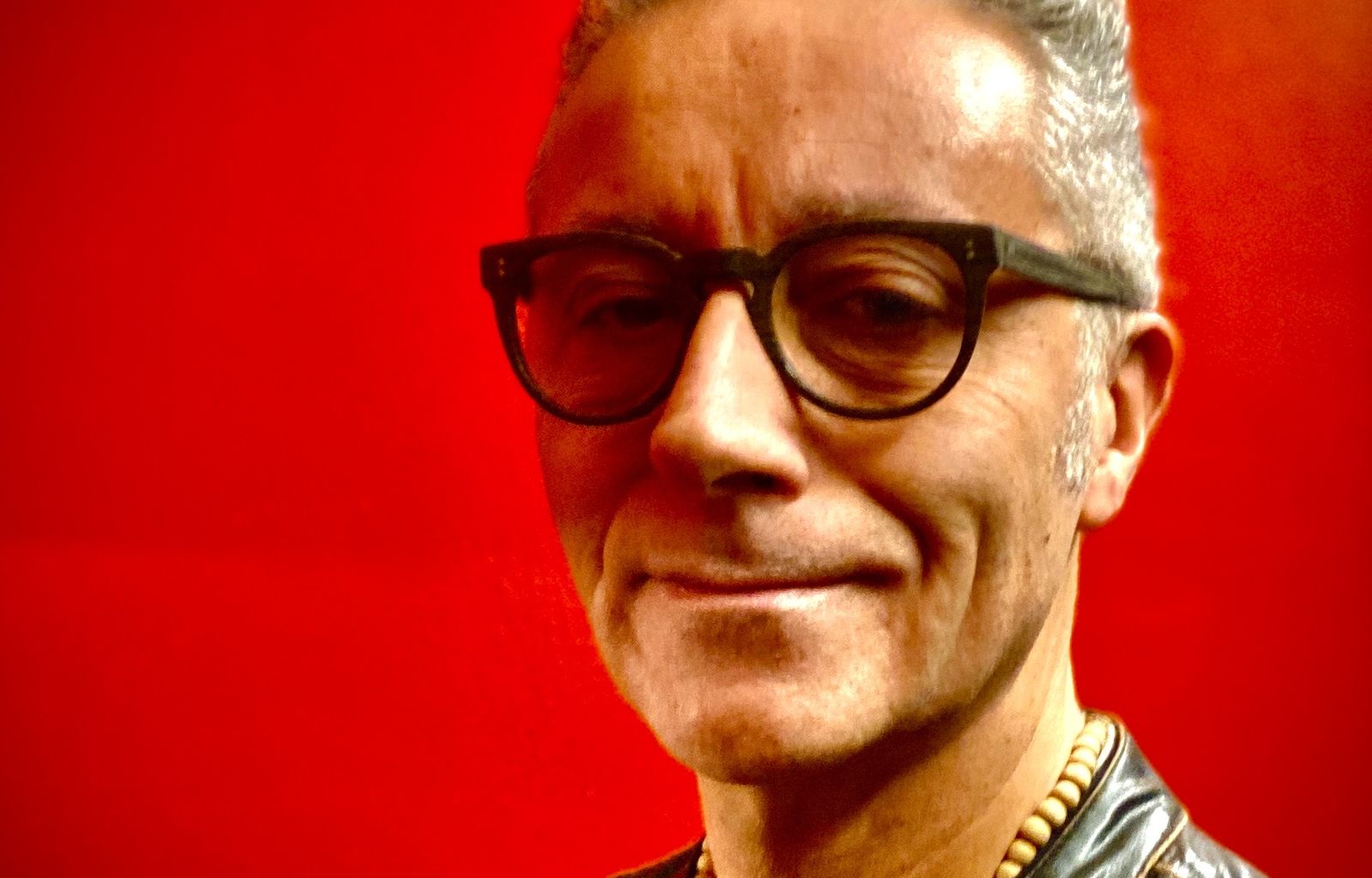
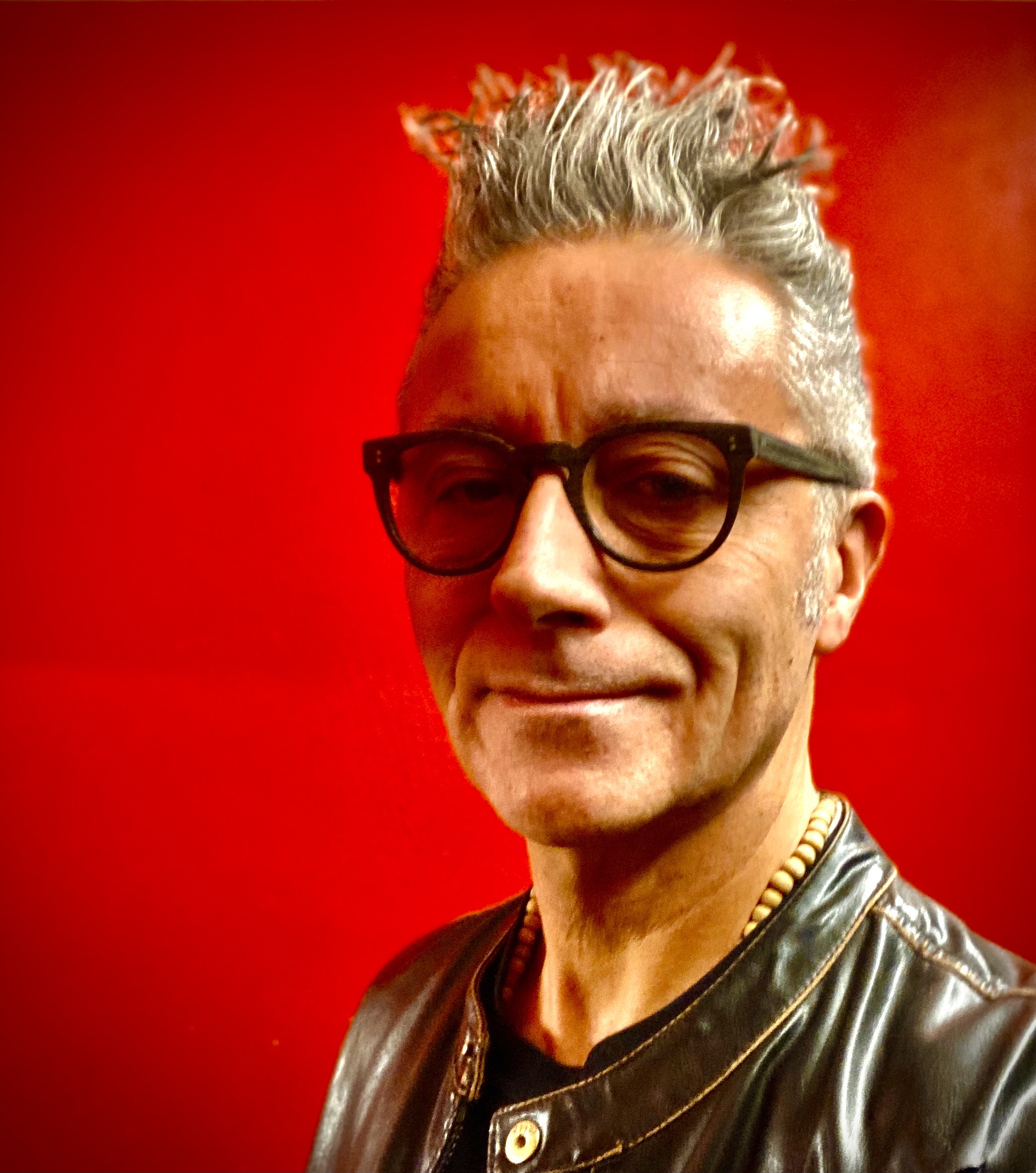
(Italy) is a director/writer. He has directed commercials and music videos for the last 20 years, establishing sound credibility in the European scene. He also wrote and directed a number of short films and docu-dramas winning various Festivals awards. In 2021 he directed his first feature film I sogni abitano gli alberi
FILMOGRAFIA
Il messaggero (doc, 1991), Jannis Kounellis (doc, 1995), Saharawi: People in Exile (doc, 1996), Ozono (cm, 1997), Difference (cm, 1997), Il politiko (cm, 1998), Wash and Dry (1999), Pixel (cm, 2000), Hakerbuk (serie tv, 2000), Wanted Sex (cm, 2000), Spotters (cm, 2001), Behaviour (doc, 2001), Schizophrenic (2002), Children Are Not Patient(s)(doc, 2003), Solvite Me (cm, 2005), Aspettando l’inverno (doc, 2008), La valle del ghiaccio (doc, 2010), IEO - European Institute of Oncology (doc, 2012), No Nuclear Weapon (doc, 2013), Lamborghini “The Drift” (serie, 2014), Reversion (cm, 2015), Niente per caso (cm, 2016), Aisa (cm, 2018), A Soul Journey (doc, 2019), I sogni abitano gli alberi (2022).
Declaration
film director
“I like to think of this story as a fairy tale rather than a faithful representation of reality. At the end of the 70s social contradictions in Italy had a strong impact on people’s lives, through existential turbulence that also created indelible inner wounds. Consequently, thinking from a visual point of view, I find a re-interpretation of “that” reality very effective, through a static and linear vision of the storyline, creating sequences almost in “real time.” The perception of time and rhythm of life today is completely different, and I wanted to “re-create” that feeling of the past in which memories, passions and sufferings come out in a temporal context in a-synchronous with the perception of today’s life. The camera therefore becomes a “witness,” rather than a protagonist. Static images allow for a natural emotional immersion in every scene. The camera’s slow movements accentuate only the emotional aspects of the protagonists.”
Cast
& Credits
DIRECTOR, STORY: Marco Della Fonte. SCREENPLAY: Marco Della Fonte, Pietro Ragusa. CINEMATOGRAPHY: Mik Allen. FILM EDITING: Leonardo Alberto Moschetta. PRODUCTION DESIGN: Mirco Rocchi. COSTUME DESIGN: Lea Bevilacqua. MAKE-UP: Giovanni Montaresi. HAIR STYLIST: Diletta Alterini. MUSIC: Lorenzo Piggici. SOUND: Claudio Spinelli, Matteo Botticelli. CAST: Kiera Morgan, Pietro Ragusa, Evita Ciri, Rinat Khismatouline, Giusi Merli, Fausto Maria Sciarappa, Piera Dabizzi, Luciano Casaredi, Miriam Bardini, Alessio Venturini. ORGANIZZATORI: Gianluca Bertogna, Marco Bertogna. ASSOCIATE PRODUCER: Caterina Pani. EXECUTIVE PRODUCERS: Kiera Morgan, Marco Della Fonte, Alex Di Martino, Pietro Ragusa. PRODUCER: Kiera Morgan. PRODUCTION: Naked Love, Venus in Scorpio, Lost Pictures.
CONTACT:
Kiera Morgan kiera.morgan27@gmail.com