

Country: Italy
Year:
Duration: 119'
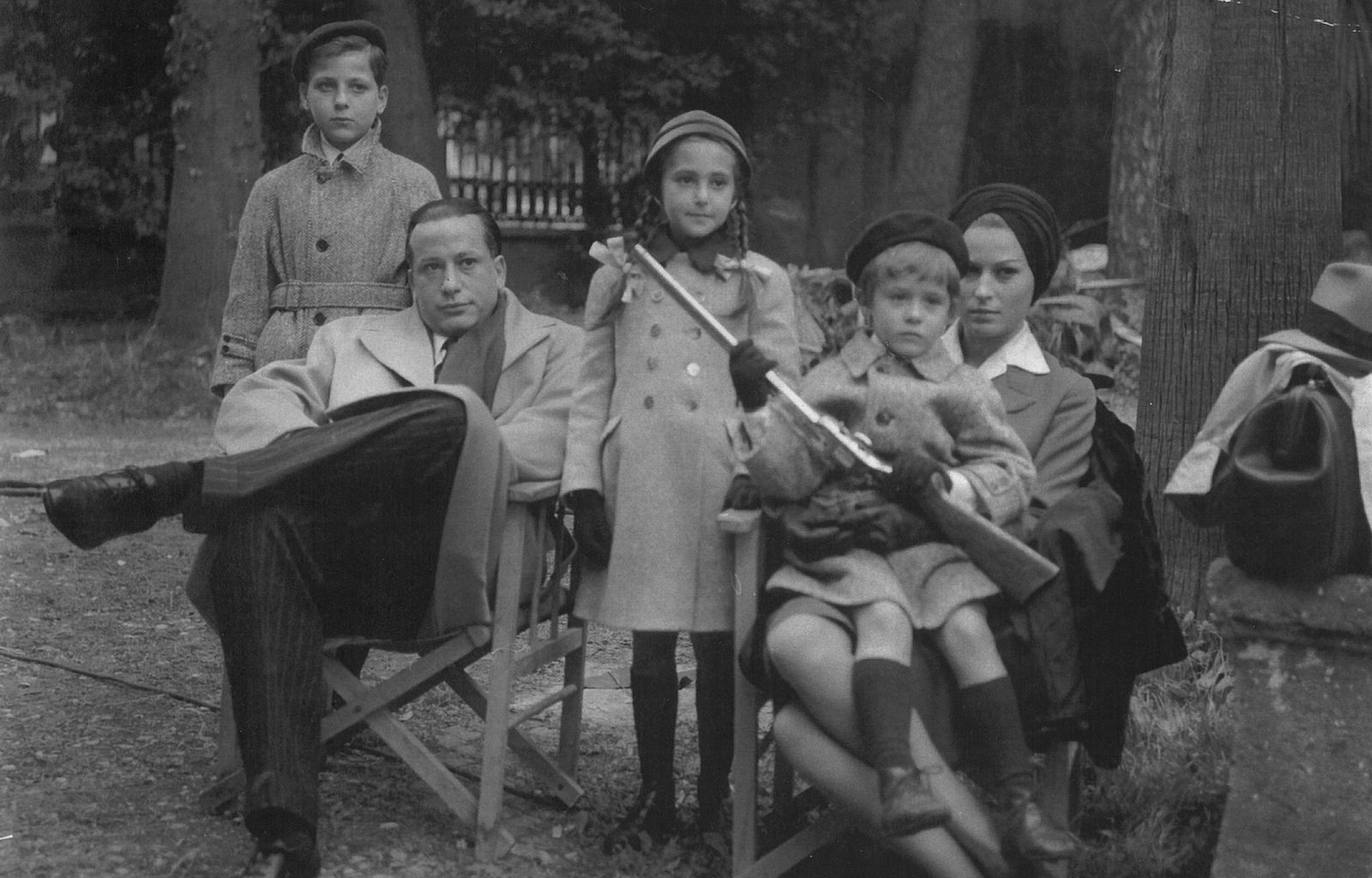
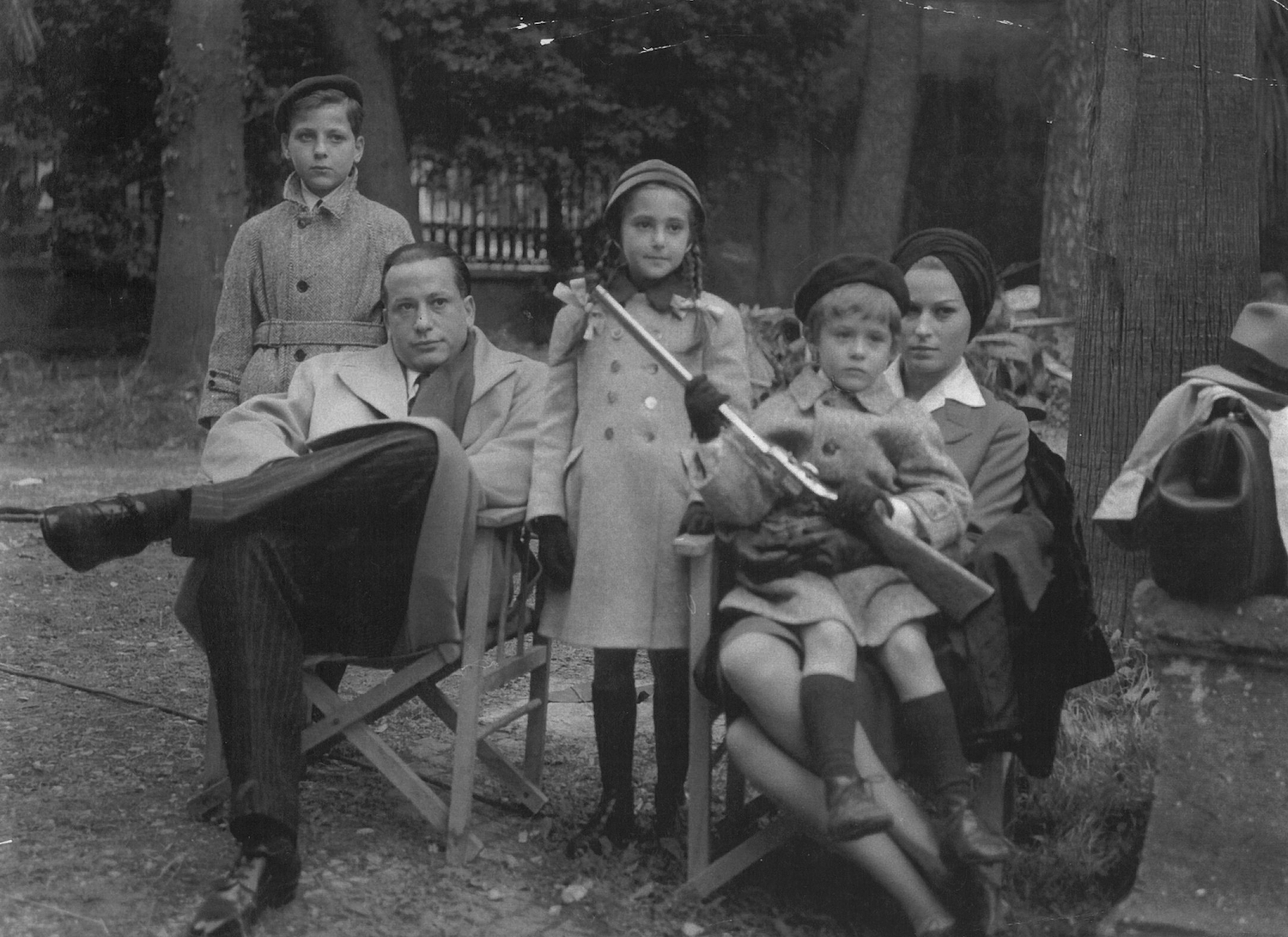
After the fall of Fascism on July 25, 1943; Mussolini's arrest; the ceasefire; and Nazi occupation, Count Galeazzo Ciano, who had voted to depose Mussolini, decides to flee to Spain with his wife Edda Mussolini and their children. Ciano is in possession of a diary that contains important revelations; he is arrested by the Nazis at the train station in Verona and put on trial. In prison, he is visited several times by Frau Beetz, an English spy who tries to get her hands on the diaries but the trial concludes with a predictable outcome: the death sentence for Ciano and the other former fascists. Edda calls Mussolini and declares her contempt for him. The condemned men are taken to a firing range, where they are executed. The date is January 11, 1944.
Biography
film director
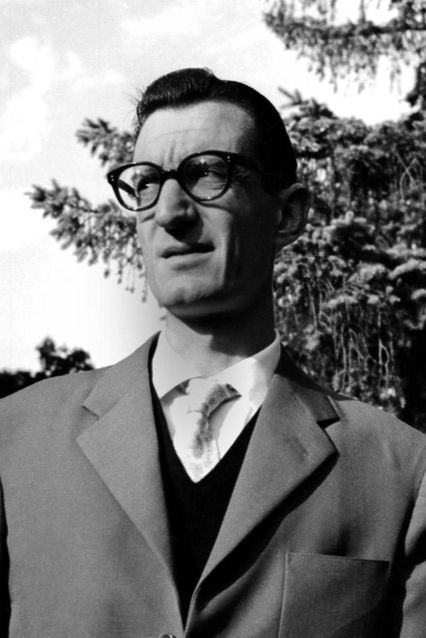
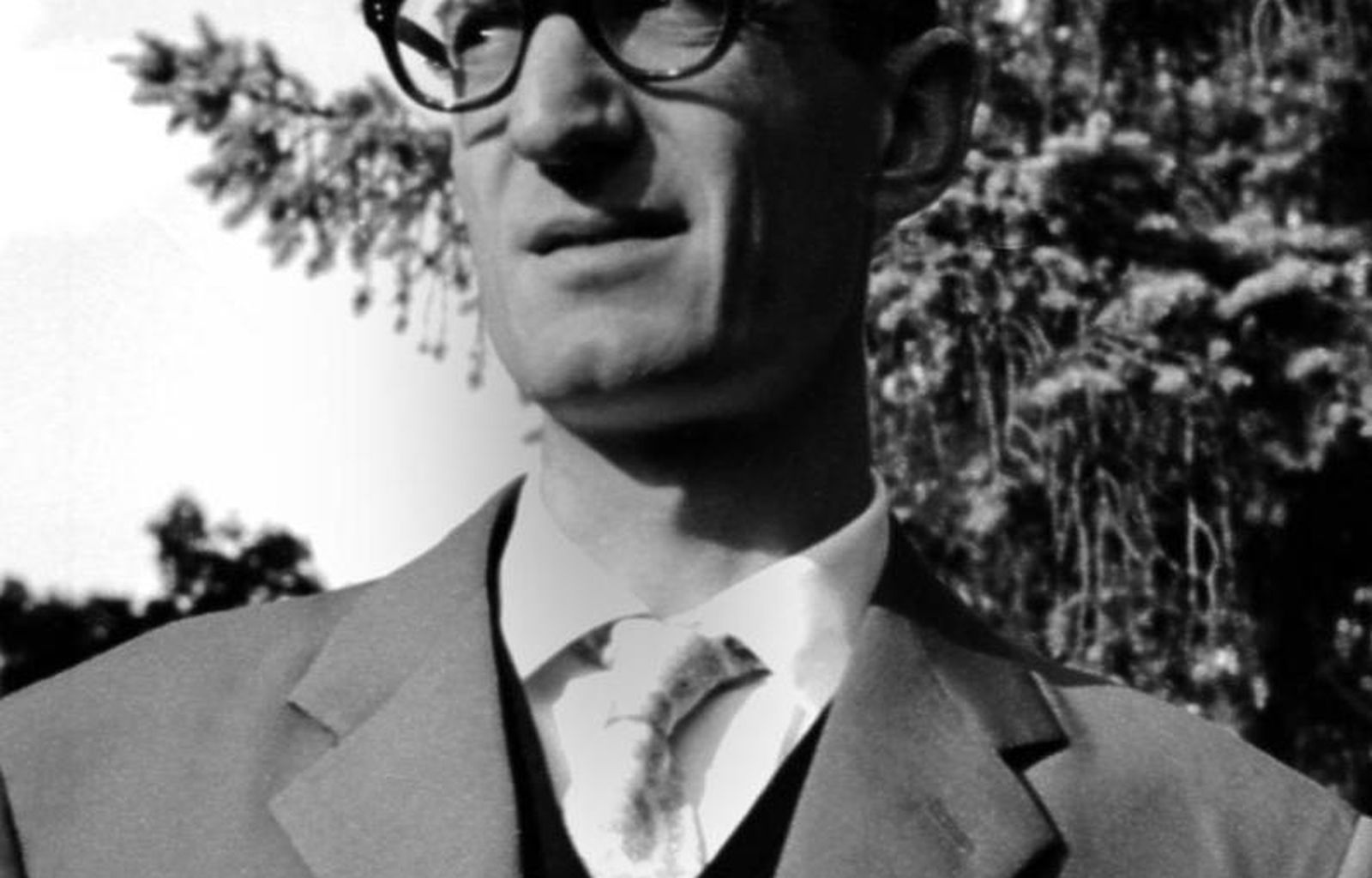
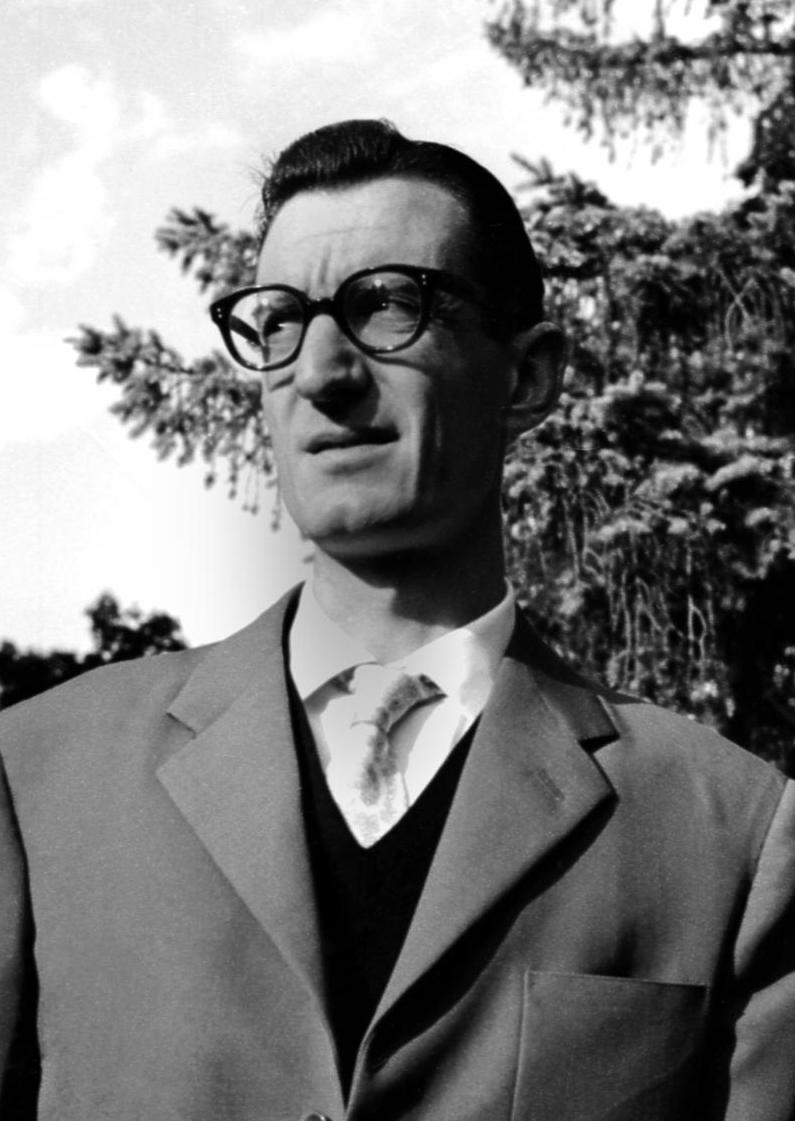
Carlo Lizzani
(Rome, Italy, 1922-2013) was critic and essayist for the journal, Cinema, between 1941 and 1943. From 1945 to 1950 he worked as screenwriter with De Sica, Zavattini and Blasetti. He also worked as assistant director with Giuseppe De Santis for Bitter Rice, Roberto Rossellini for Germany Year Zero, and Alberto Lattuada for The Mill on the Po. In the 1970s and 1980s he was professor of directing and screenwriting at the Experimental Film Center. He was director of the Venice Film Festival from 1979 to 1983. He was also president of the National Association of Film Authors and of the scholarly committee for the Turin National Cinema Museum. One of the most significant directors of Italian cinema of the decades 1950-60-70s, he directed a series of important historical period pieces about fascism and Resistance movement, both genre films and political statements. Among them, Achtung! Banditi (1951), Cronache di poveri amanti (1954), Mussolini ultimo atto (1974), Fontamara (1980). His adaptation of the novel by Luciano Bianciardi, La vita agra (1964) is noteworthy. In 2007 he received the David di Donatello Award for lifetime achievement.
FILMOGRAFIA
Achtung! Banditi! (1951), Cronache di poveri amanti (1954), Esterina (1959), La muraglia cinese (doc., 1959), Il gobbo (1960), Il carabiniere a cavallo (1961), Il processo di Verona (1962), La vita agra (1964), La guerra segreta (1965), Requiescant (1966), Svegliati e uccidi (Lutring) (1966), Banditi a Milano (1968), Amore e rabbia (1969), Roma bene (1971), Torino nera (1972), Crazy Joe (1974), Mussolini ultimo atto (1974), Storie di vita e di malavita (1975), San Babila ore venti: un delitto inutile (1976), Africa nera, Africa rossa (doc., 1976/1977). Kleinhoff Hotel (1977), Fontamara (1980), Mamma Ebe (1985), Un'isola (1986), Caro Gorbaciov (1988), Cattiva (1990), L'Europa dei popoli (doc., 1995/1996, co-regia Francesco Lizzani), Celluloide (1996), Luchino Visconti (doc., 1999), Roberto Rossellini (2001). Hotel Meina (2007), Art. 1 (ep. di All Human Rights for All, 2008) Speranza (ep. di Scossa, 2011).
Declaration
film director
“During these months, trying to find a concise definition for Il processo di Verona, I ended up writing 'palace drama.' Why a 'palace drama' in 1963? How will the characters of Il processo di Verona feel, surrounded by the underprivileged, the subject-investigations, and the alienated people who crowd our committed cinema and, in general, European cinema today? I think that depicting certain characters from contemporary history - identified with first and last names, and shown during actual moments of their lives - isn't necessarily in contradiction with the general profile of our present-day cinema. Besides the results (if the characters in Il processo di Verona are limp, pale, and poorly drawn, their presence within the framework of contemporary film will, in any case, be certainly unjustified). As I was saying, besides the results, to me the principle behind research in this direction seems absolutely modern, sustainable, and full of positive developments.”
Cast
& Credits
DIRECTOR: Carlo Lizzani. STORY: Sergio Amidei, Luigi Somma. SCREENPLAY: Ugo Pirro. CINEMATOGRAPHY: Leonida Borboni. FILM EDITING: Franco Fraticelli. PRODUCTION DESIGN: Elio Costanzi. COSTUME DESIGN: Giulia Mafai. MUSIC: Mario Nascimbene. SOUND: Venanzio Lisca. CAST: Silvana Mangano, Frank Wolff, Françoise Prévost, Vivi Gioi, Claudio Gora, Giorgio De Lullo, Andrea Checchi, Henri Serre, Salvo Randone, Gennaro Di Gregorio, Ivo Garrani, Filippo Scelzo, Tino Bianchi, Carlo D'Angelo, Curt Lowens, Umberto D'Orsi, Carmelo Artale, Gianni Di Benedetto, Andrea Bosic, Franco Castellani, Edoardo Toniolo, Patrizia Cafiero, Umberto Raho, Antonio Ricci, Loris Loddi, Ewa Hart, Ugo Carboni, Pietro Fumelli, Mario Ciparrone, Armando Furlai, Pier Annibale Danovi, Mario Milita, Guido Celano, Calisto Calisti, Max Turilli, Marcello Bonini Olas, Tiziano Cortini, Renato Terra Caizzi. PRODUCTION: Duilio Cinematografica, Orsay Films.
CONTATTO:
Cineteca Nazionale diffusioneculturale@fondazionecsc.it