

40° TORINO FILM FESTIVAL
OUT OF COMPETITION/DEI CONFLITTI E DELLE IDEE
LA GIUNTA
by Alessandro Scippa
Country: Italy
Year: 2022
Duration: 78'
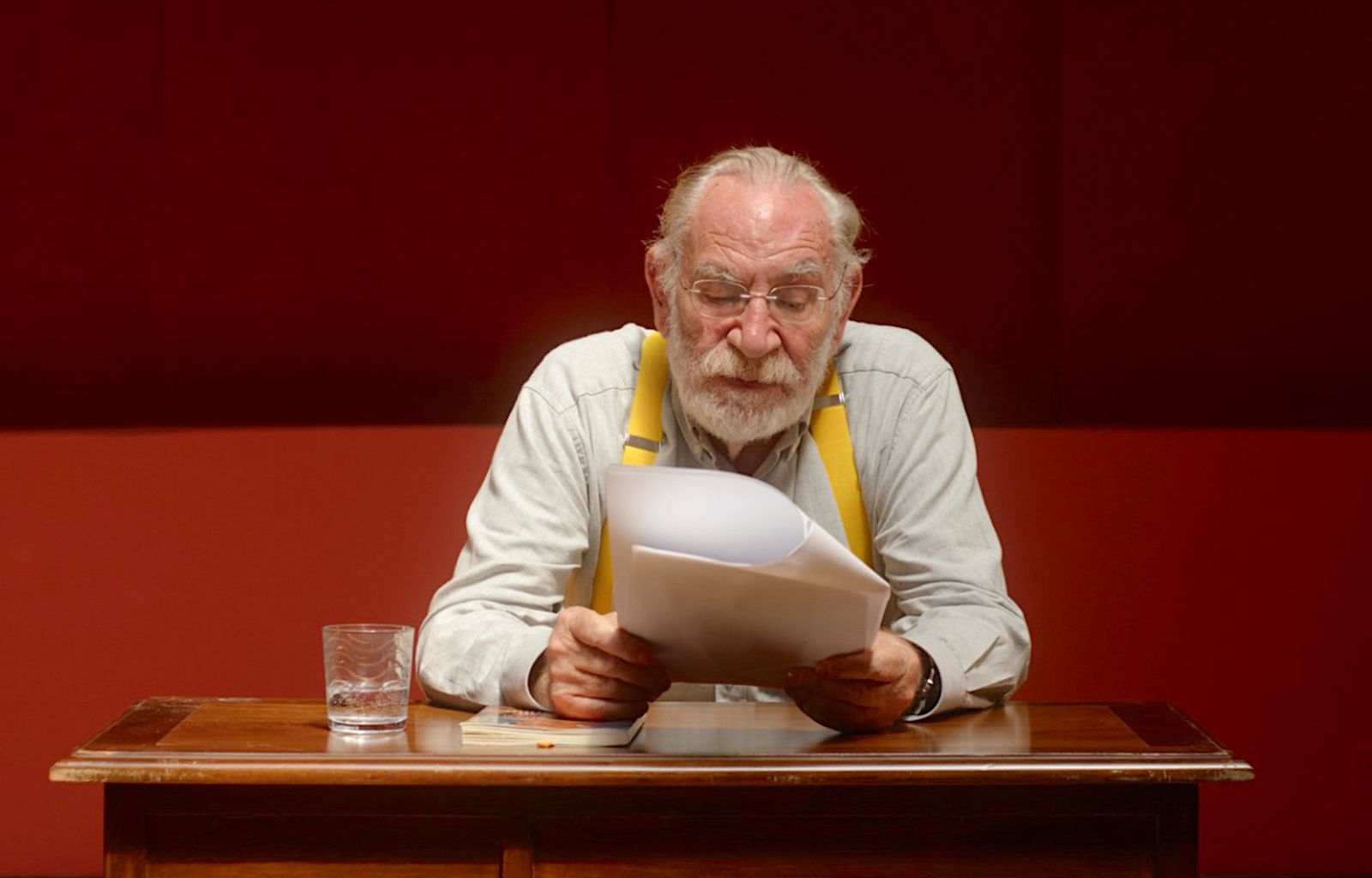
1975. Maurizio Valenzi becomes the first communist mayor of Naples, the biggest city in southern Italy. Through interviews with the protagonists of the time and unpublished archival material, the movie recounts the story of a group of women and men who were trying to realize the dream of a type of politics that stands by the people. This administrative experience, with its human specificity, civic values and the ideals that characterized it, represented a unique moment, an event that makes us wonder how and why Italian communism, with its strong social and cultural bonds with the masses, could have been canceled along with the ghosts of true communism. Through interviews with the protagonists of the time and the children of those who have passed away, a story is constructed that deals with the past and the present of a city and an idea.
Biography
film director
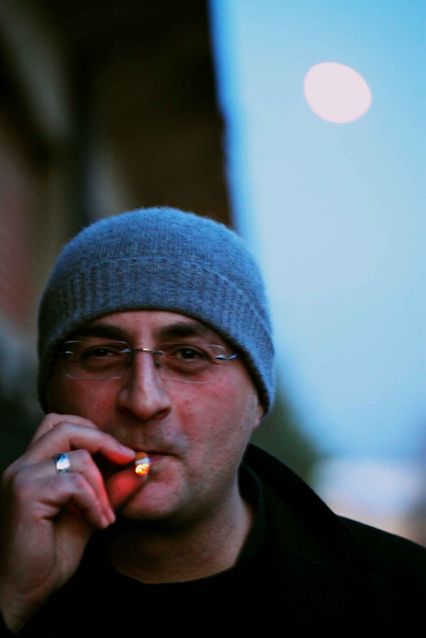
Alessandro Scippa
(Naples, Italy, 1968) worked as assistant director for Mario Martone, Stefano Incerti and Alessandro di Robilant, among others. He debuted in directing with the docufiction Favole vere, favole false (1994), and then went on to direct numerous documentaries, including Nanni e le api (2009), which received a special jury mention at the 17th Arcipelago Film Festival. A dialogue writer and screenwriter for TV fiction programs, he co-wrote the screenplay of Ruggine by Daniele Gaglianone. In 2012 his first feature Arianna premiered at Torino Film Festival.
FILMOGRAFIA
Favole vere, favole false (cm, 1994), Barricate (cm, doc., 1995), Zhao (coregia Maurizio Braucci, cm, doc., 1997), 1944 (cm, 2007), Memo torinesi (cm, doc., 2009), Nanni e le api (cm, doc., 2009), Francesco sull’isola (cm, doc., 2009), Arianna (2012).
Declaration
film director
“The opportunity to talk about Maurizio Valenzi's Naples presented itself with Antonella Di Nocera, who, like me, was young during that era and who remembered that same story from another point of view and was fascinated by it. She still lives in Naples, whereas I left years ago. But, deep down, both of us are 'orphans' of that city in which the hope for change was still a vivid and sincere feeling. The fracture that occurred in Naples during those years was, basically, the mirror image of a national situation that would soon mark the destiny of Italian political history forever. But within the intricate weave of that public story, I sensed that there would be, above all, a story of parents and children.”
Cast
& Credits
DIRECTOR: Alessandro Scippa. CINEMATOGRAPHY: Giancarlo Cardillo. FILM EDITING: Mauro Santini. MUSIC: Canio Loguercio, Leandro Sorrentino. SOUND: Rosalia Cecere, Valerio Baiocchi. CAST: Lucia Valenzi, Marco Valenzi, Federico Geremicca, Antonio Scippa, Floriana Mazzuca, Aldo Di Nocera, Antonella Di Nocera, Renato Carpentieri, Eleonora Puntillo, Emma Maida, Eugenio Donise, Aldo Cennamo, Antonio Bassolino, Mimmo Jodice, Luciano Ferrara, Gianni Fiorito, Roberto De Simone, Berardo Impegno, Alessandro Sodano, Antonio Sodano, Giulio Baffi, Marco Demarco, Nino Ferraiuolo, Francesco Iorio, Franco Cortese, Benito Visca. PRODUCER: Antonella Di Nocera. PRODUCTION: Parallelo 41, Istituto Luce Cinecittà. COPRODUCTION: Fondazione Valenzi, Archivio Audiovisivo del Movimento Operaio e Democratico.
CONTACT:
Parallelo 41 Produzioni - Antonella Di Nocera antodinocera@gmail.com