

Country: France
Year: 2022
Duration: 51'
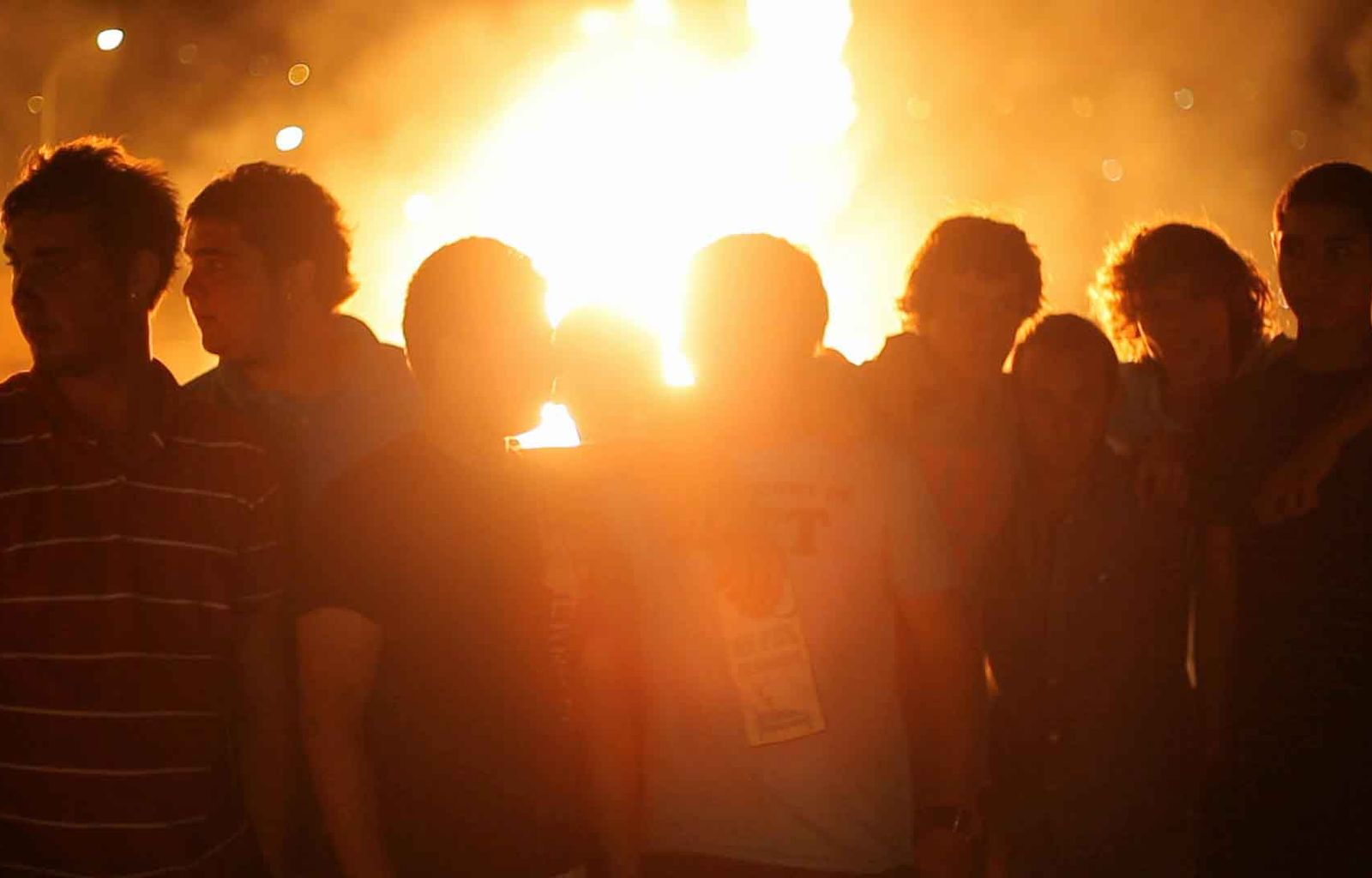
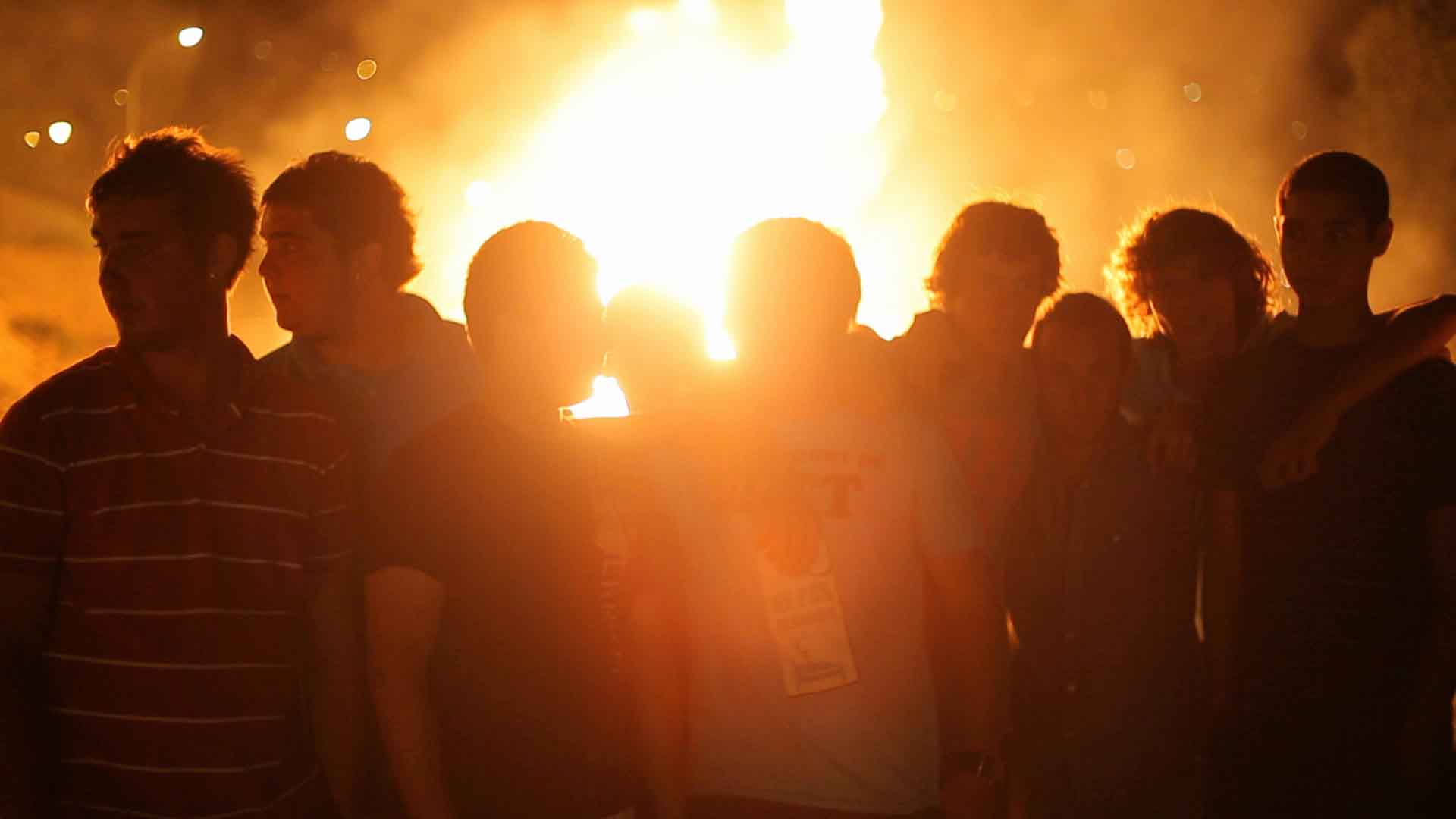
Arnaud, a student left alone in Paris for the summer, suffers from anxiety and idleness. During a walk, he discovers the wall of the Père-Lachaise cemetery, where the names of the Parisian soldiers who died during the 1914-18 war are engraved. Troubled, he receives a visit from one of them, who invites him to leave the time to comfort those bereaved loved ones.
Biography
film director
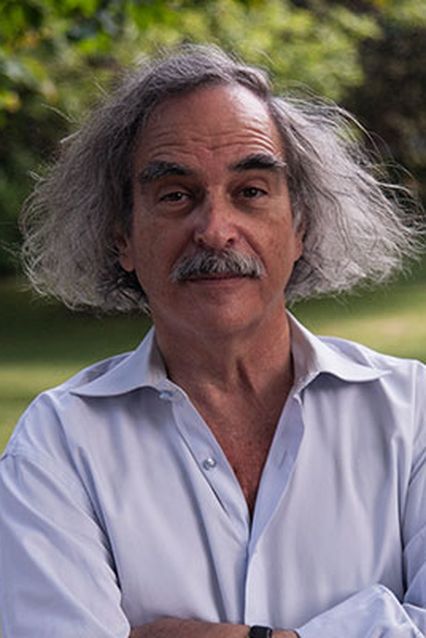
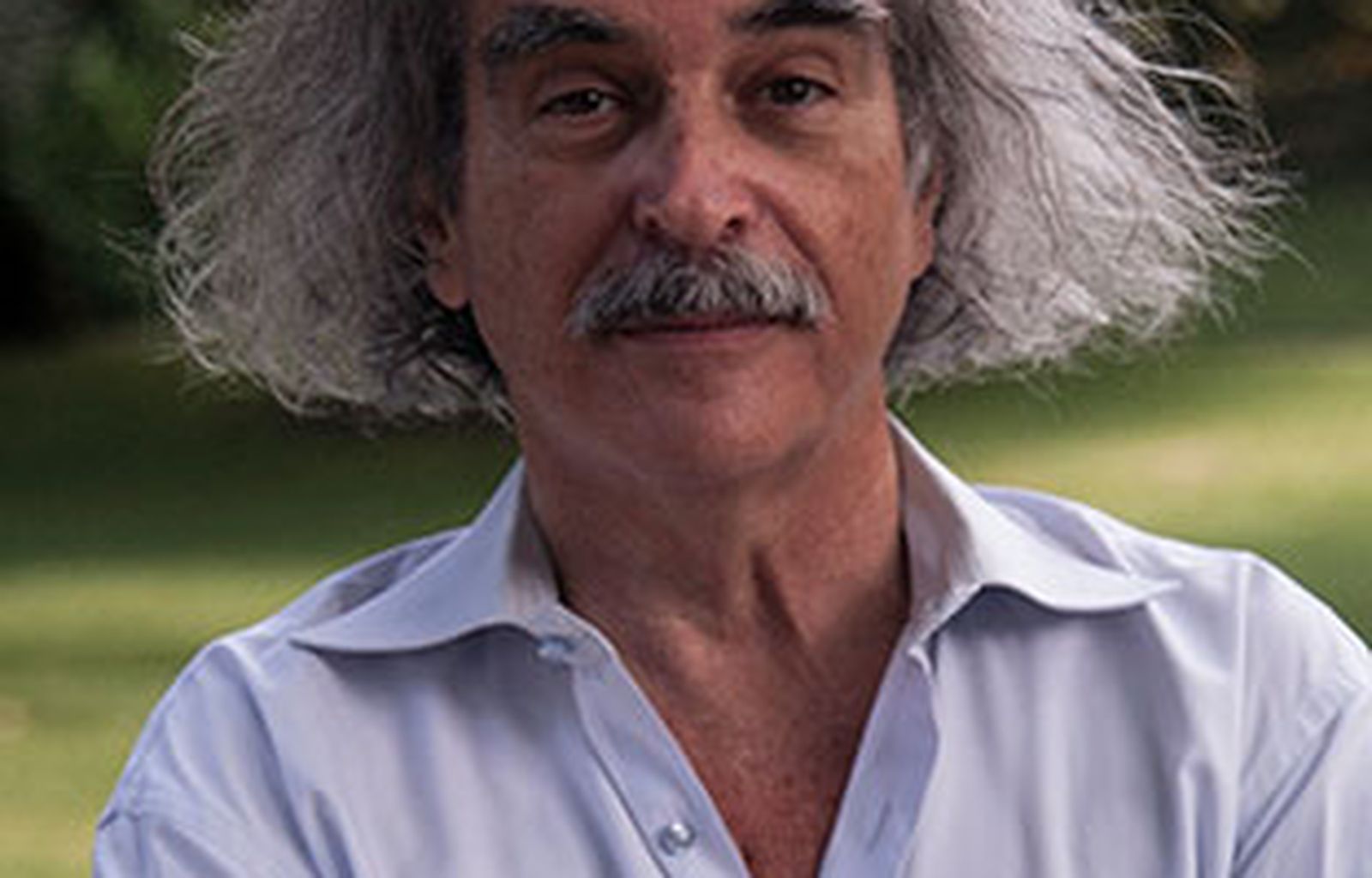
Eugène Green
(New York, USA, 1947) moved to Paris in 1969, where in 1977 he founded the Théâtre de la Sapience, with which he staged various Baroque and modern plays. He made his directorial debut with Toutes les nuits, Prix Delluc for best debut film in 2001. He then directed Le nom du feu, presented in Locarno in 2002 and distributed together with Le monde vivant, which took part in the Directors' Fortinight. With Correspondances he was awarded in 2007, together with Harun Farocki and Pedro Costa, the special jury prize in Locarno, where he returned to competition in 2009 with A Religiosa Portuguesa and in 2014 with La Sapienza, shot between Switzerland and Italy. In 2011 TFF dedicated a retrospective to him and then went on to program several of his films, such as the documentary filmed in the Basque Country Faire la parole (2015), Le fils de Joseph (2016), which premiered at the Berlinale, and the workshop film En attendant les Barbares (2017). In 2020 he returned to the Basque Country to shoot Atarrabi et Mikelats, which was presented in San Sebastian. In addition to his activity as a director, he also works as a writer and poet.
FILMOGRAFIA
Toutes les nuits (2001), Le nom du feu (cm, 2002), Le monde vivant (2003), Le pont des arts (2004), Les signes (mm, 2006), Digital Sam in Sam Saek 2007: Memories (ep. Corrispondences, mm, 2007), A Religiosa Portuguesa (2009), La sapienza (2014), Faire la parole (doc., 2015), Le fils de Joseph (2016), En attendant les Barbares (2017), Como Fernando Pessoa salvou Portugal (cm, 2017), Lisboa revisitada (cm, 2019). Atarrabi et Mikelats (2020), Le mur des morts (2022).
Declaration
film director
“The misery of our time is largely linked to an absence of the present. We no longer have a collective memory, we don't want to see the apocalypse that is coming, generated by the destruction of the earth and of civilization, and in the street, in the subway, people are completely disconnected from what and who is around them, because they are "connected" to their digital devices. Our only hope is to find the present, a spiritual space where, in a reciprocal relationship, we will necessarily be in contact with those who have preceded us in material space, and with those who will follow us there. I plan to use the stylistic language I found in my first filmmaking experience because it gets me what I'm looking for, and because I can't use any other. All the elements of this language are intended to make possible the capture of a reality hidden under the appearances of what we see every day, and to make it apprehensible to the spectator. It is particularly appropriate for this film, where we will see people and elements of the material world in situations that escape our usual perception of time and space.”
Cast
& Credits
DIRECTION, SCREENPLAY: Eugène Green. CINEMATOGRAPHY: Raphaël O’Byrne. FILM EDITING: Laurence Larre. PRODUCTION DESIGN: Valentine Sas. SOUND: Jocelyn Robert, Sergio Henriquez, Stéphane Thiebaut. CAST: Saia Hiriart, Edouard Sulpice, Françoise Lebrun, Lola Le Lann, Alex Terrier‐Thiebaux. PRODUCTION: Le plein de super, Don Quichotte Films, 10:15 Productions !
CONTACT:
Le Plein de super - Julien Naveau julien.naveau@lepleindesuper.fr