

Country: Italy
Year: 1972
Duration: 102'
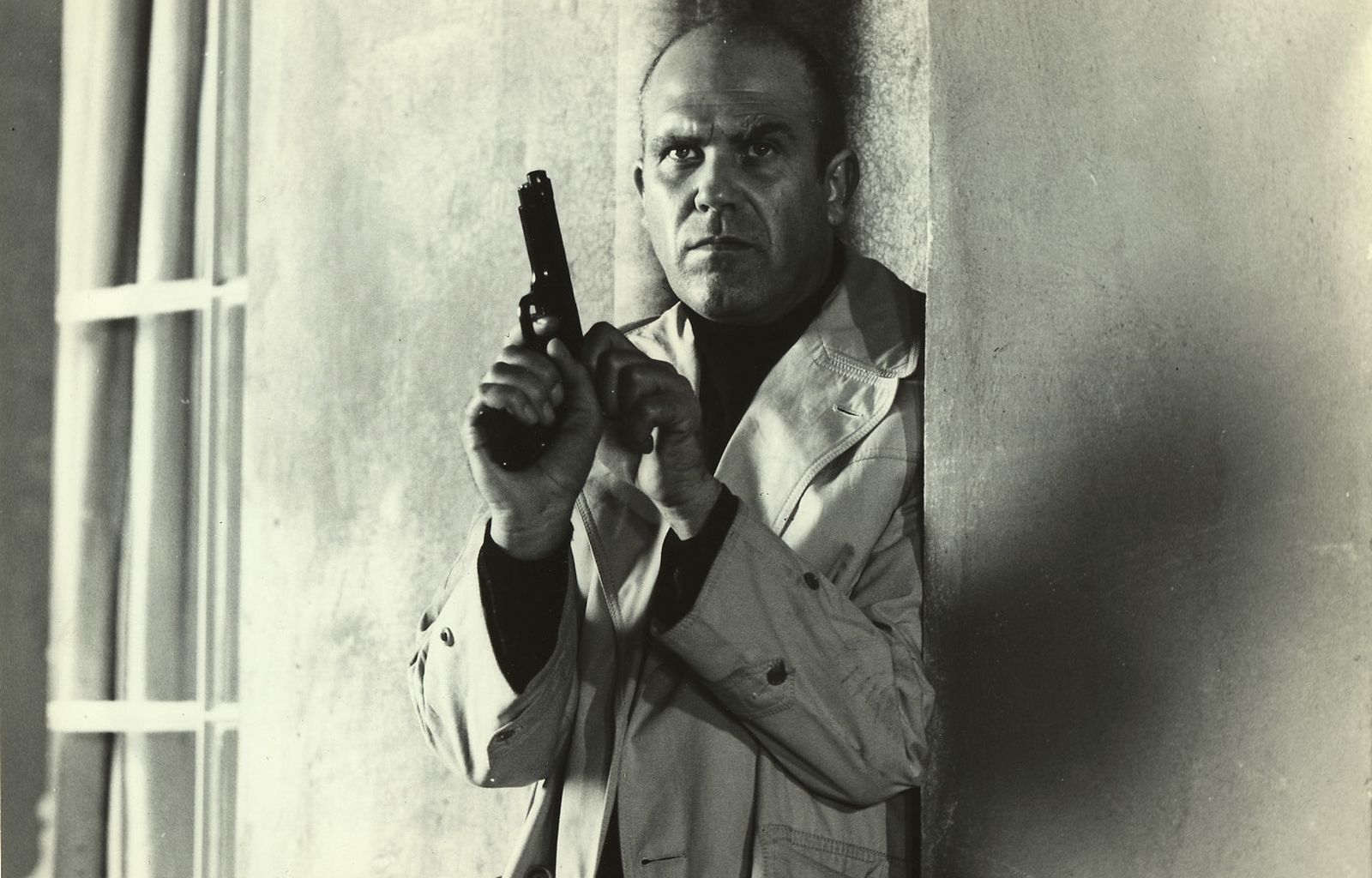
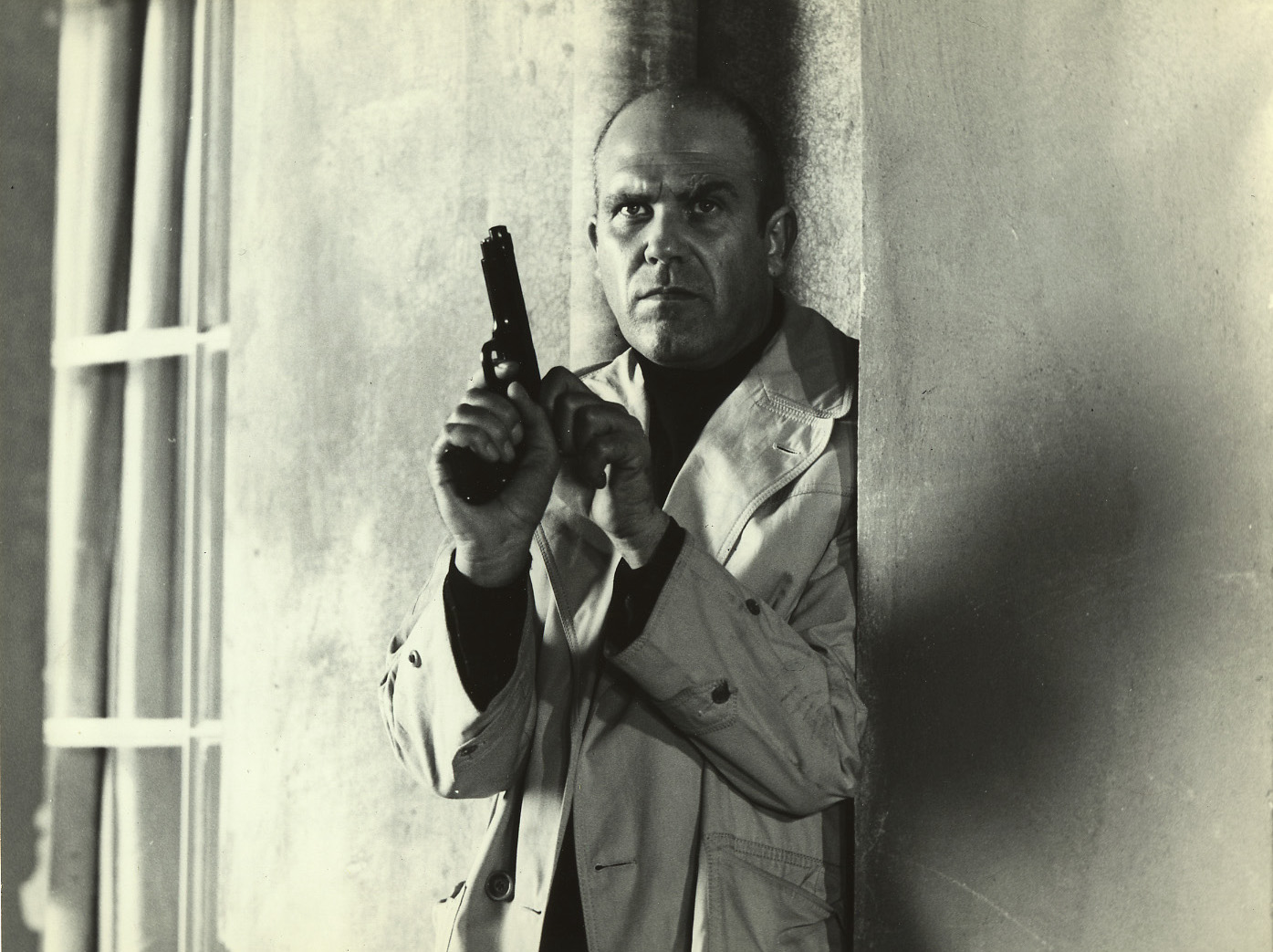
Just after being released from prison, Ugo Piazza, a former smuggler for the mob, is attacked by the men of Rocco, the Americano's right-hand man, because he is suspected of having kept a large sum of money for himself. He is hired back by the Americano, who hopes to keep an eye on him that way, and he finds Nelly, the woman he loves, and his friend Chino. He resumes his criminal life even though he is being tailed by the police. After a mission goes bad, Ugo is once again accused of theft and is taken prisoner by the Americano, who orders that Chino be killed in retaliation. Chino survives the ambush, in which his father dies. He goes to the Americano's villa, commits a massacre, and is, in turn, killed. Ugo is finally free; he tries to recover the money that was stolen years before but he is arrested and taken to police headquarters. There, Rocco unexpectedly exonerates him, but it won't be the first surprise awaiting Ugo...
Biography
film director
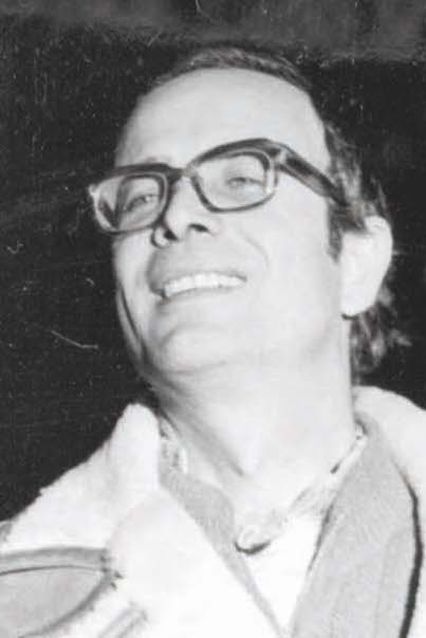
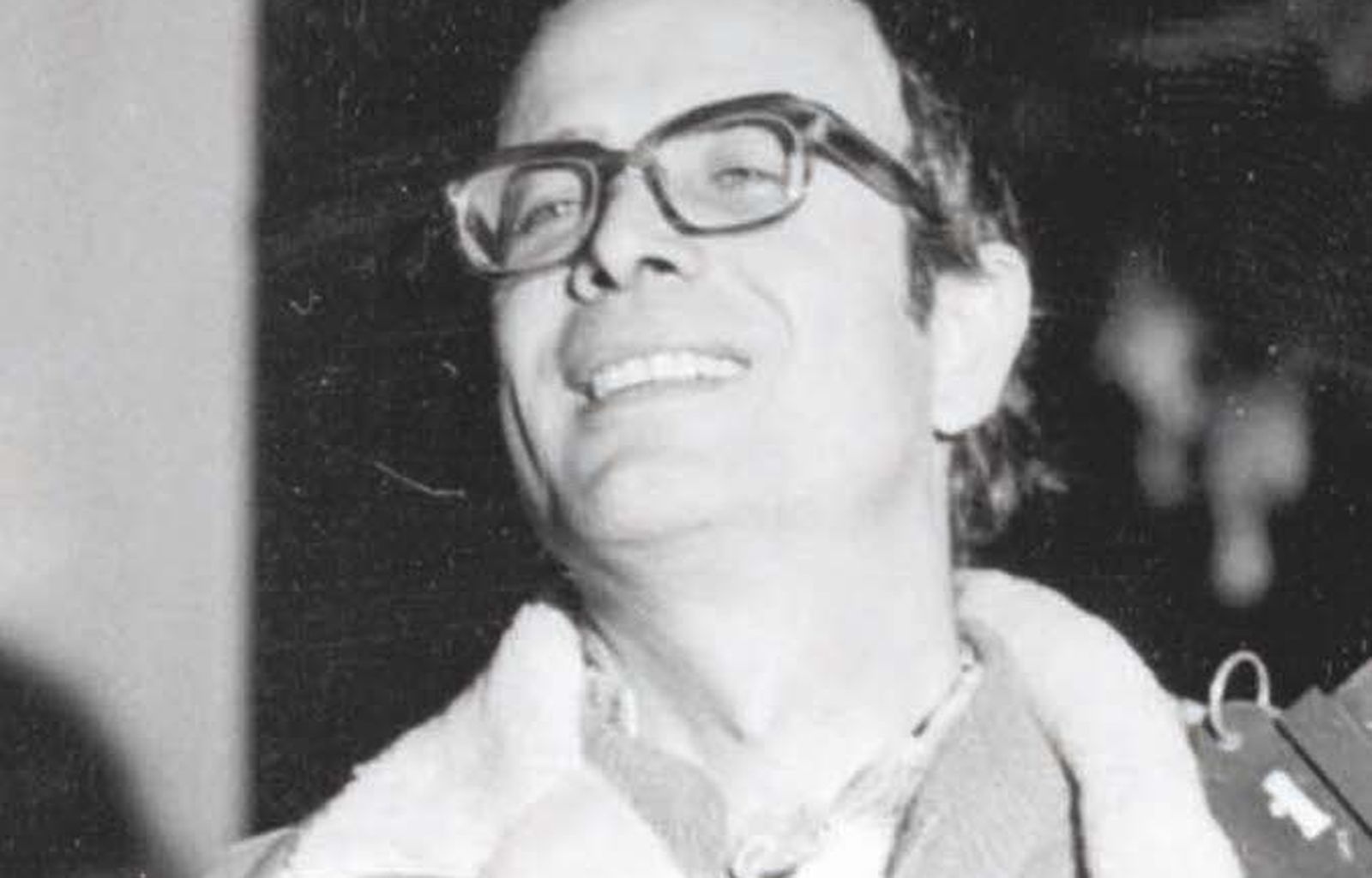
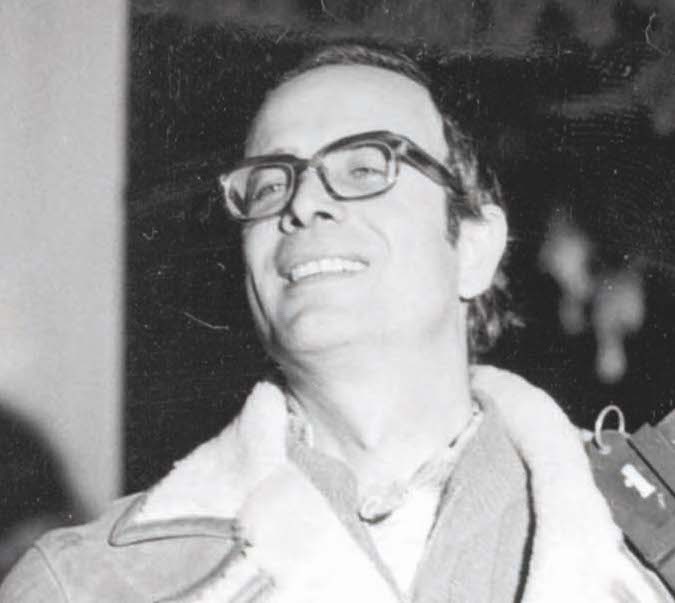
Fernando Di Leo
(San Ferdinando di Puglia, Italy,1932 - Rome, Italy, 2003) got his start in cinema
by collaborating on the scripts of various spaghetti westerns, including A Fistful of Dollars (1964) and For a Few Dollars More (1965) by Sergio Leone. During the late '60s, he made his first feature films, Code Name, Red Roses (1968) and A Woman on Fire (1969), and during the next decade he
directed films such as Caliber 9 (1972), Manhunt (1972), and The Boss (1973), which greatly influenced Italian-style film noir and detective movies. He retired in the mid-1980s and died in Rome in 2003. One year later, the legendary retrospective at the Venice Film Festival, “Italian Kings of the B’s: the secret story of Italian film” helped reassess his opus and give it new visibility.
FILMOGRAFIA
Gli eroi di ieri... oggi... domani (ep.Un posto in paradiso, co-regia Enzo dell'Aquila (1963), Rose rosse per il führer (1968), Brucia ragazzo, brucia (1969), Amarsi male (1969), I ragazzi del
massacro (1969), La bestia uccide a sangue freddo (1971), Milano calibro 9 (1972), La mala ordina (1972), Il boss (1973), La seduzione (1973), Il poliziotto è marcio (1974), Colpo in canna (1975), La città sconvolta: caccia spietata ai rapitori (1975), Gli amici di Nick Hezard (1976), I padroni della città (1976),Diamanti sporchi di sangue (1978), Avere vent'anni (1978), Vacanze per un massacro (1980), Razza violenta (1983), Killer contro killers (1985).
Declaration
film director
“Milano calibro 9 not only is my best film, it's also the best of that same genre shot in Italy, and it one of the best made in Europe about 'delinquents' – I use this term in a broad and vague sense. Nobody, in Europe, had the American-style moxie I did. Nobody except Jean-Pierre Melville, because we're on another planet there. Noir is the genre in which I express myself best, the genre that gives meaning to my filmography, a group of movies that characterize a career. You could cancel all the other movies, even the good ones like Brucia ragazzo brucia or La seduzione, which made a lot of money at the box office, and take into account only those six or seven movies to make my presence, in the panorama of directorial creativity of the 1970s, a presence with value and meaning. […] When I made Milano calibro 9, Italian advertising didn't even dream that Milan could be a crime capital. So, just like I helped invent the 'spaghetti-western' genre, I helped create the action-detective stories. Far be it from me to take all the merit. Me and others, me more than others.”
Cast
& Credits
DIRECTOR: Fernando Di Leo. STORY: from the short stories by Giorgio Scerbanenco (Stazione centrale ammazzare subito, Vietato essere felici, La vendetta è il miglior perdono). SCREENPLAY: Fernando Di Leo. CINEMATOGRAPHY: Franco Villa. FILM EDITING: Amedeo Giomini. MUSIC: Luis Enrique Bacalov, Osanna, New Trolls. PRODUCTION DESIGN, COSTUME DESIGN: Francesco Cuppini. CAST: Gastone Moschin, Barbara Bouchet, Philippe Leroy, Mario Adorf, Frank Wolff, Luigi Pistilli, Ivo Garrani, Lionel Stander, Mario Novelli, Ernesto Colli, Giulio Baraghini, Giorgio Trestini, Gastone Pescucci, Fernando Cerulli, Sergio Serafini, Franco Beltrame, Gianni Milito, Edda Tiberio, Rossella Bergamonti, Giuseppe Castellano, Antonio Melli, Bruno Bertocci. PRODUCTION: Cineproduzioni Daunia 70.
CONTACT:
Minerva Pictures info@minervapictures.com
Restored in 4k from the original negatives and column by Minerva Pictures Group S.r.l. Restoration by CSC Digital Lab. This version is the final cut of the director Di Leo, with the space-time overlays, present in the 35mm copy of the National Film Archive.