

40° TORINO FILM FESTIVAL
OUT OF COMPETITION/DEI CONFLITTI E DELLE IDEE
OK BOOMER
by Andrea Gropplero di Troppenburg, Gianfranco Pannone
Country: Italy
Year: 2022
Duration: 77'
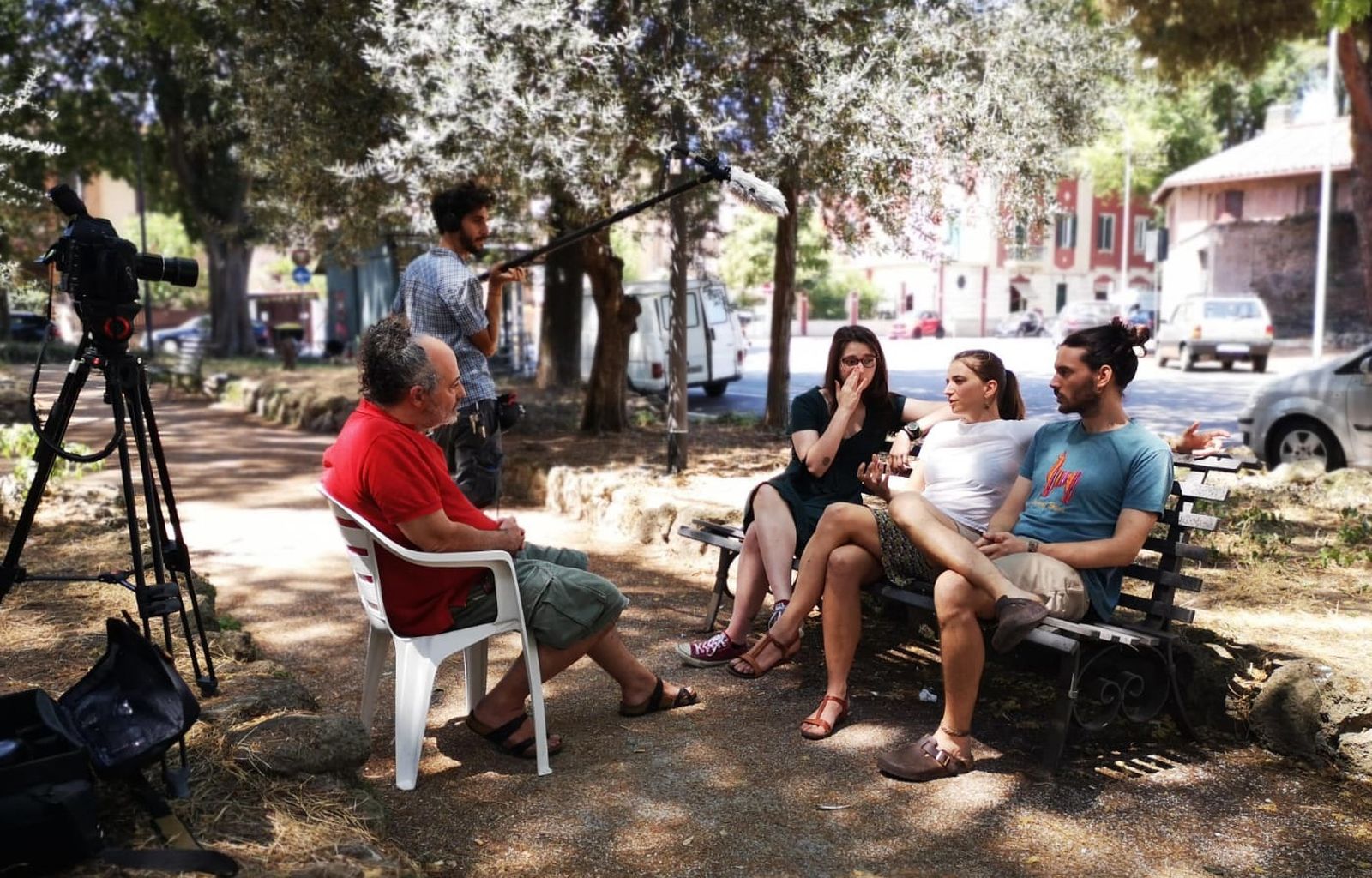
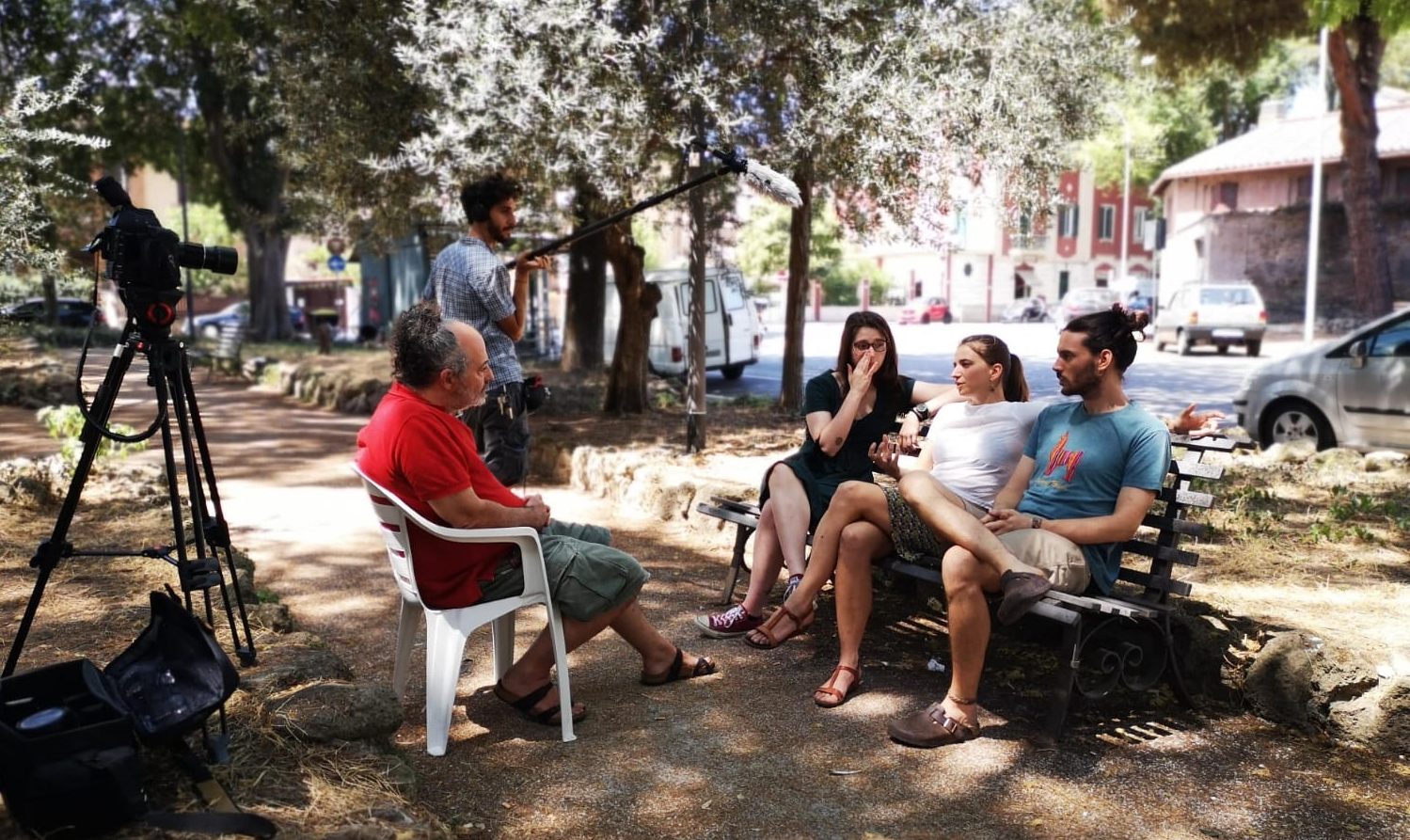
During the first big pandemic of the millennium, Gianfranco, a fifty-year-old forced to stay at home, is re-organizing old possessions when he comes across a Video8 cassette with images dating back to early February 1990. The cassette was shot in Berlin when the wall was being demolished. In it, he and Andrea, a fellow student his own age at the Centro Sperimentale di Cinematografia, act out scenes from Wings of Desire and, with their friends Diletta and Sabina, walk along what remains of the wall that had been built in 1962 by the DDR. The ghost of the pandemic looms over the scene with new questions about the possible demise of the species. Starting with the material shot in Berlin and with frequent forays into the web in search of fragments of memory that can compose the mosaic of their existence over these past 30 years, the two exchange short and provocative video-letters. And they consult their young daughters in search of a common thread with Diletta, the young aspiring actress who, in that long-ago February 1990, accompanied them along the remains of the Berlin Wall and who represents the authors' now-distant youth.
Biography
film director
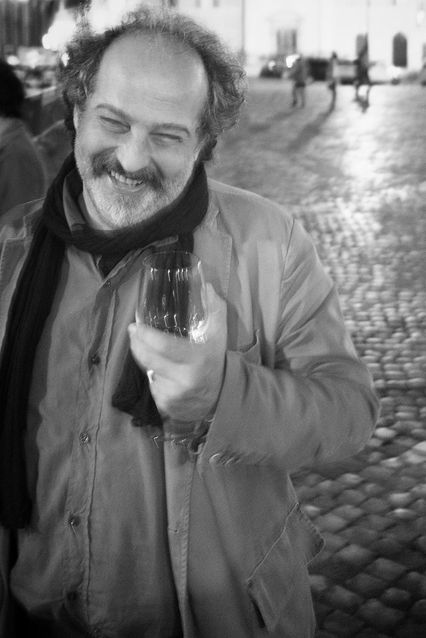
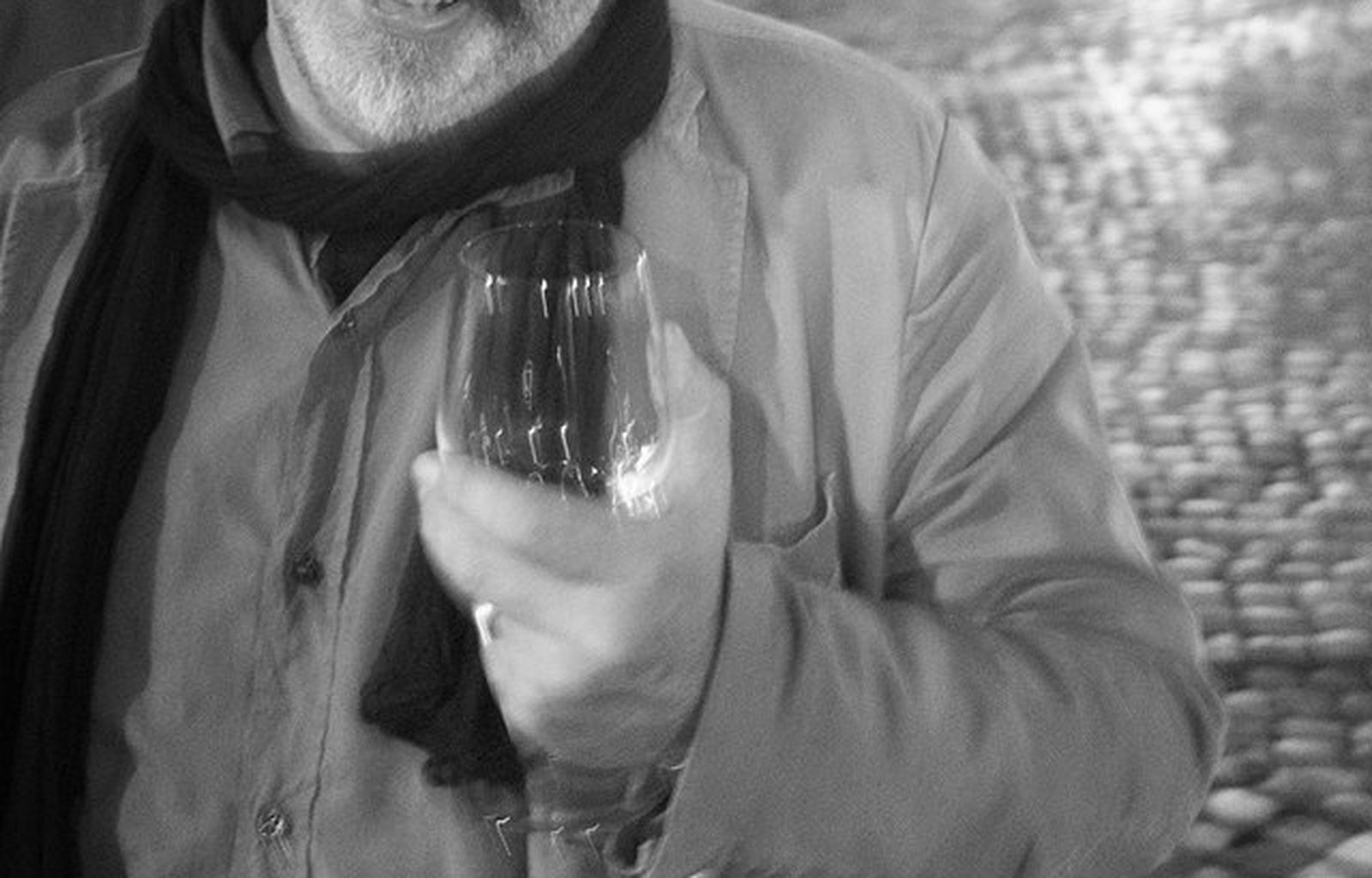
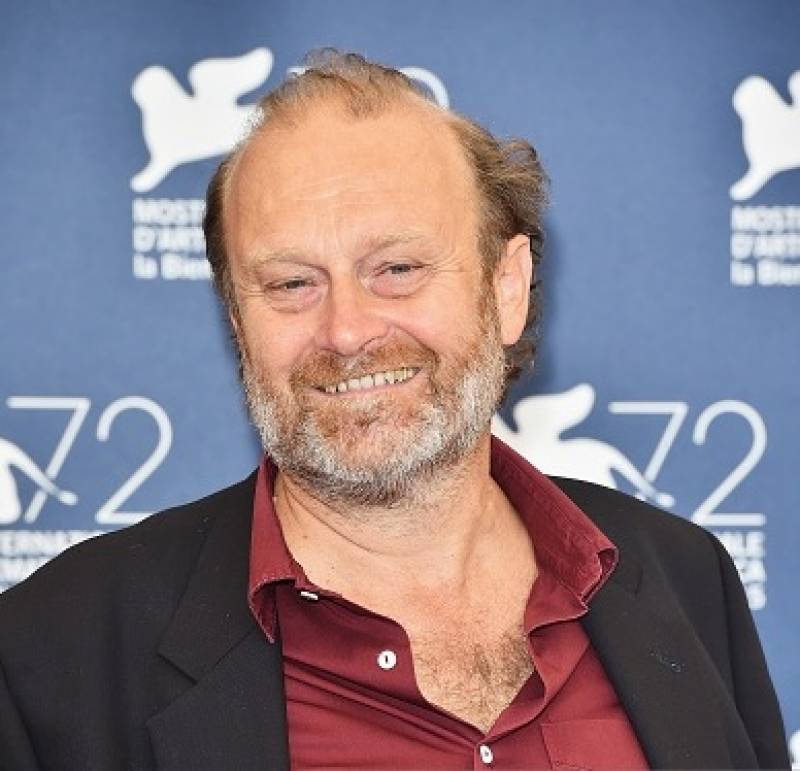
Andrea Gropplero di Troppenburg
(Udine, Italy, 1963) is a director, producer, activist, gourmet, and cook known as Chef Guevara. In 2015, for the Istituto Luce he made Quando l’Italia mangiava in bianco e nero, presented at the 65th Berlinale, and Il cinecittario, a collection of 180 2-minute film clips and recipes. Two years later, always for the Istituto Luce and Sì produzioni, he shot Il colore della fatica and, that same year, Comunismo futuro. He and the philosopher Stefano Bonaga created and curate Lido Philo, encounters between film and philosophy that take place during the Venice Film Festival. He writes a regular column called Cinegourmet for the journal “8 ½.” Over the many preceding years, he has made numerous shorts and documentaries, and produced various movies, including Mary (2005) by Abel Ferrara, Paris Dabar (2003) by Paolo Angelini, Elegia della vita - Rostropovich, Vishnevskaya (2006) by Alexander Sokurov, and many other films that have won awards at numerous international festivals.
FILMOGRAFIA
Fallo! (1989), Aprile (1990), Passami il burro! (1990), Permesso di soggiorno (1991), Sette anni sono troppo lunghi (1993), Pidgin (1997), Kumbh-Mela 95 (1997), Quando l’Italia mangiava in bianco e nero (doc, 2015), Il colore della fatica (doc, 2019), Comunismo futuro (doc, 2017), Ok boomer (coregia con Gianfranco Pannone, doc, 2022).
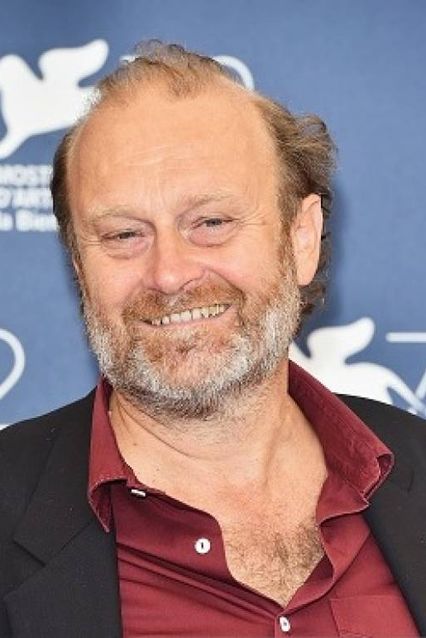
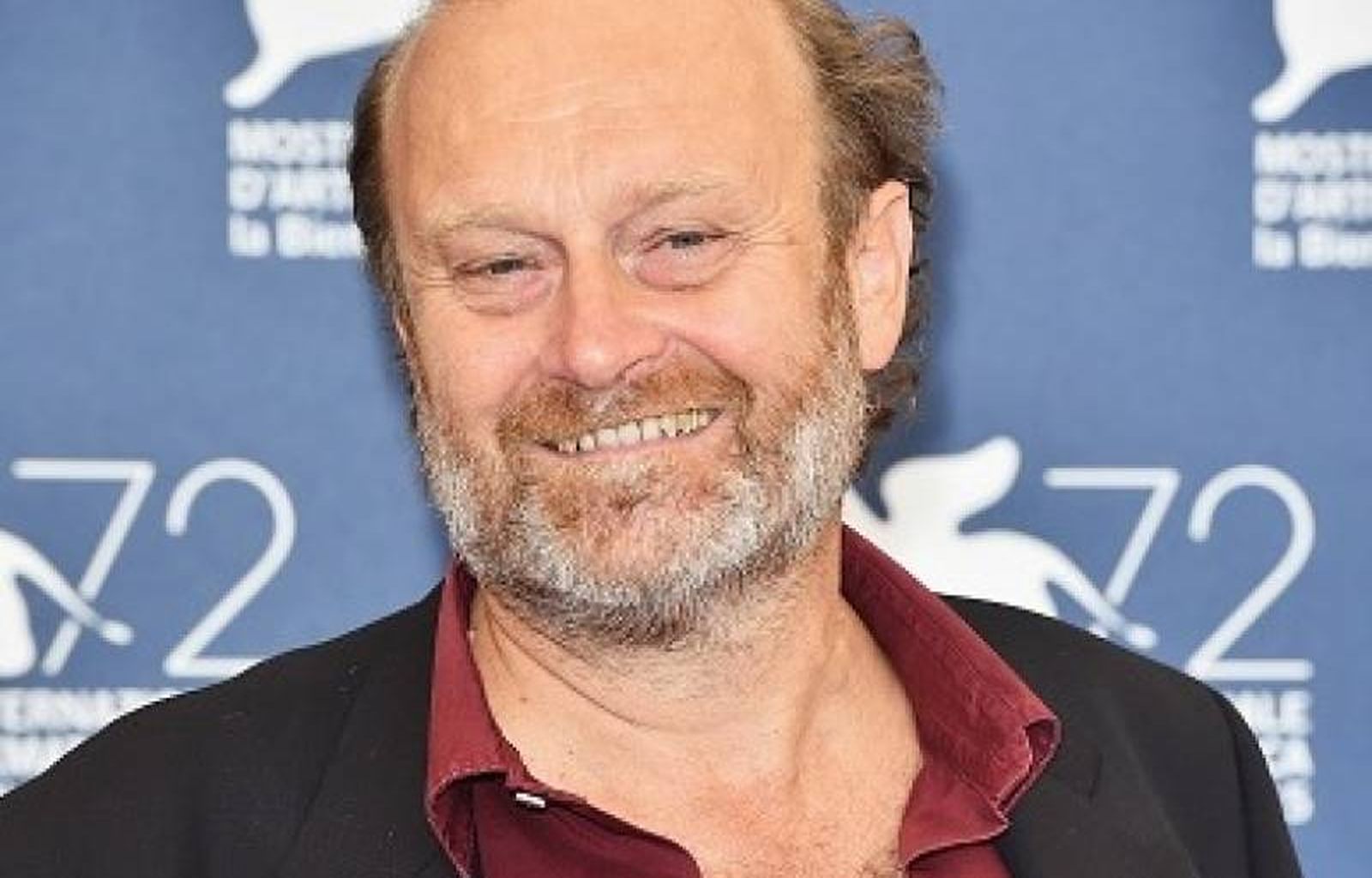
Gianfranco Pannone
(Naples, Italy, 1963) graduated in film from Sapienza University of Rome and received a degree in directing from the Centro Sperimentale di Cinematografia; he lives and works in Rome. His documentaries have participated and received awards at many festivals in Italy and abroad, and have also been broadcast on major European television channels. His works from the 1990s include Piccola America, Lettere dall’America, and L’America a Roma (which compose the Trilogia dell’America), and Latina/Littoria (2001, best documentary at the Torino Film Festival), followed by Io che amo solo te (2004), Il sol dell’avvenire (Red Sunrise, 2008), ma che Storia… (2010), Ebrei a Roma (2012), Sul vulcano (2014), L’esercito più piccolo del mondo (2015), Lascia stare i santi (Leave the Saints Alone, 2016), Mondo Za (2017), and Scherza con i fanti (2019).He is a professor and coordinator of directing for the Master's degree in Film and Television at the Suor Orsola Benincasa University in Naples, and he runs the documentary film laboratory at the DAMS of Roma Tre University. He also collaborates as a professor of directing at the Centro Sperimentale di Cinematografia in Rome.
FILMOGRAFIA
La giostra (cm, 1989), Vacanze d'Egitto (cm, 1990), Piccola America (doc, 1991), Kenya (doc, 1995), Lettere dall’America (doc, 1995), Romani - Storie di normale integrazione (doc, 1996), Ritorno a Littoria (doc, 1996), La dama bruna - Gli ultimi giorni di Ciano (doc, 1997), Ombre del sud (1997), L’America a Roma (doc, 1998), Le leggi dimenticate (doc, 1998), Kelibia-Mazara (coregia con Tarek Ben Abdallah doc, cm, 1998), La guerra di Anna (doc, 1999), Così vicini, così lontani (1999), Pomodori - Viaggio nell’identità italiana (doc, 1999), Ferie - gli italiani e le vacanze (doc, cm, 2000), Sirena operaia (doc, 2000), Ferie: gli italiani e le vacanze (2000), Viaggio intorno alla mia casa (doc, 2000), Cerimonie: gli italiani, la Chiesa, lo Stato (2001), Latina/Littoria (doc, 2001) Venezia, la città che affonda (coregia con Marco Visalberghi, doc, 2001), Toscana: lungo il fiume (doc, 2002), Pietre, miracoli e petrolio (doc, 2004), 100 anni della nostra storia (coregia con Marco Simon Puccioni, doc, 2006), Cronisti di strada (doc, tv, 2007), Il sol dell’avvenire (doc, 2008), Immota manet (doc,cm, 2009), Ma che Storia... (doc, 2010), Silvio, One of Us (coregia collettiva, doc, 2011), Ebrei a Roma (doc, 2012), Scorie in libertà - L’incredibile avventura del nucleare in Italia (doc, 2012), Sul vulcano (doc, 2014), L’esercito più piccolo del mondo (doc, 2015), Con Ugo (doc, cm, 2017), Lascia stare i santi (coregia con Ambrogio Sparagna, doc, 2017), Gli altri (doc, cm, 2018), Mondo Za (doc, 2018), Scherza con i fanti (coregia con Ambrogio Sparagna, doc, 2019), Campo 67 (doc,cm, 2020), Dell’acqua e del tempo (doc, 2020) Onde radicali (doc, 2021), Via Argine 310 (2022), Ok boomer (coregia Andrea Gopplero di Troppenburg, doc, 2022).
Declaration
film director
“Ok Boomer! is a small movie that, during the first pandemic of the millennium, was originally supposed to be made entirely long distance. The idea springs from an archeological artifact, a Video8 cassette the two protagonists made in Berlin in January 1990 as the wall was being demolished. In full lockdown, that artifact sparked a long-distance reflection between the two: what was 1989? Which hopes defined their personal and social horizon that year? And what happened to society and their lives over the following years, up to the present, when fear of contagion and the thought of death accompany every moment of the human species' existence? What responsibilities did they have as boomers, in the face of the disaster Neoliberalism has created over the past forty years? How to escape the capitalist trap that has led the planet to the edge of the precipice? The two search for answers from different points of view, with a certain degree of nostalgia for their lost youth, as they encounter children, grandchildren, and young activists with whom they share their worries about the destiny of the planet and humanity.”
Cast
& Credits
DIRECTOR, SCREENPLAY: Andrea Gropplero di Troppenburg, Gianfranco Pannone. CINEMATOGRAPHY: Valerio Burli. FILM EDITING: Marzia Mete, Fulvio Molena. MUSIC: Enrico Melozzi. CAST: Diletta Benincasa, Andrea Gropplero di Troppenburg, Gianfranco Pannone, Adele Gropplero, Costanza Pannone. PRODUCERS: Luigi Tortato, Andrea Gropplero di Troppenburg, Gianfranco Pannone. PRODUCTION: Si Produzioni. CO-PRODUCTION: Luce Cinecittà.
CONTACT:
Cinecittà Luce international@cinecittaluce.it