

Country: Italy
Year: 2022
Duration: 122'
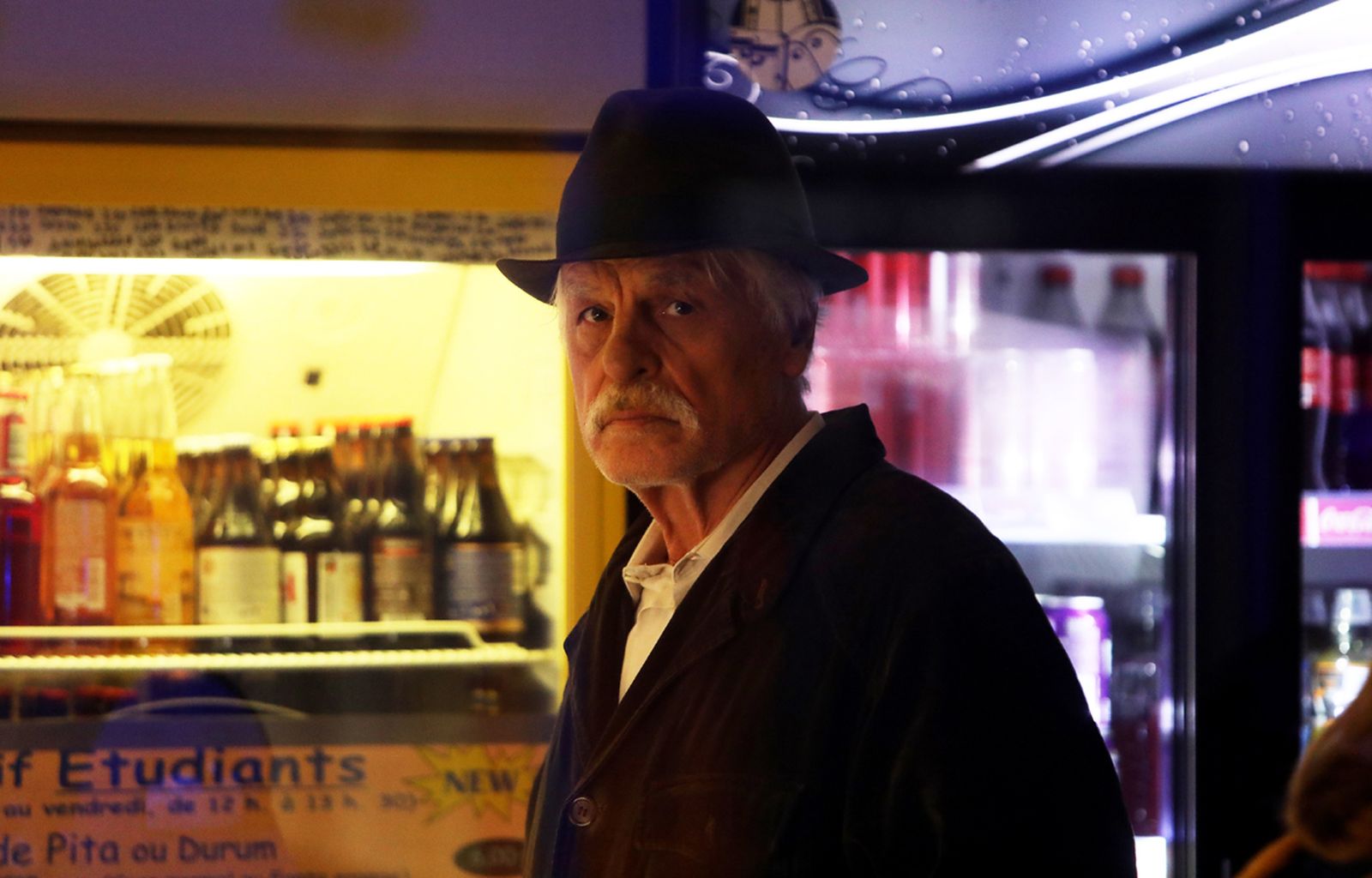
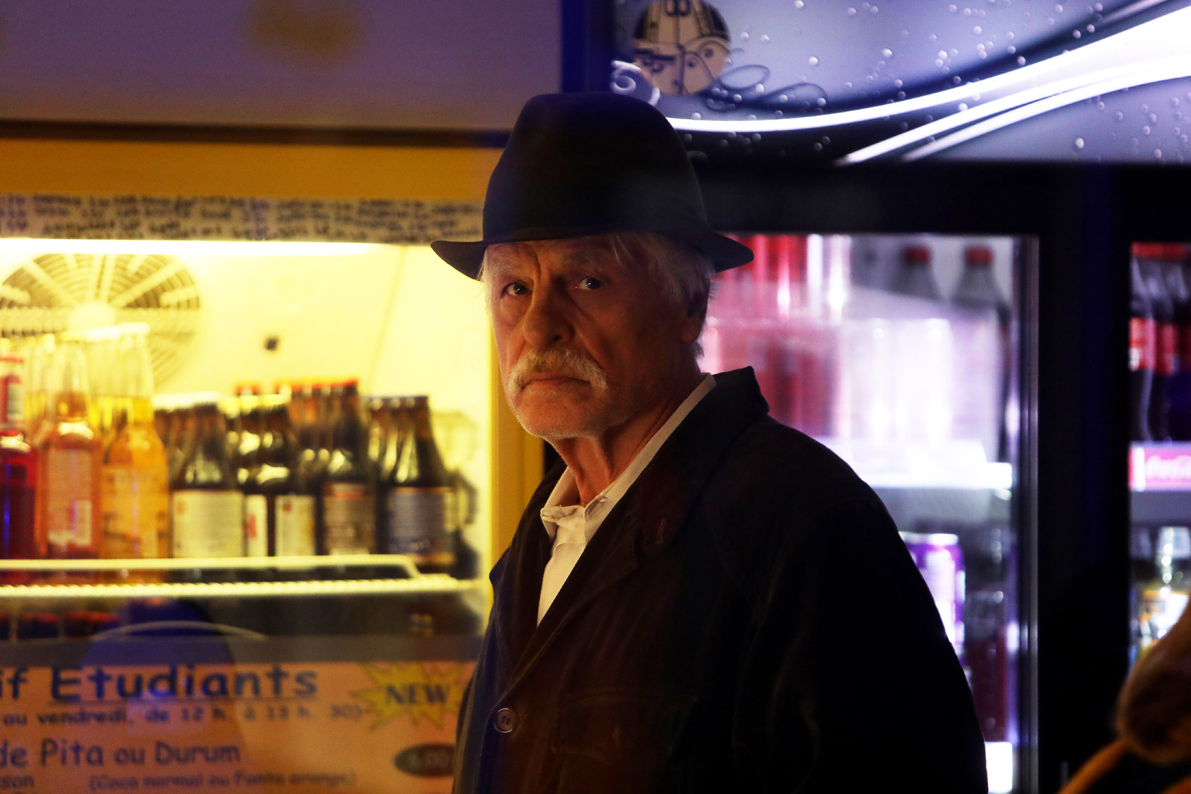
Orlando lives by himself in a mountain village in central Italy. Twenty years earlier, like many other local inhabitants, his son left to live and work in Brussels, but Orlando never wanted to emigrate. After receiving a phone call telling him his son is sick, he is forced to leave his home for the first time. When Orlando arrives in Belgium, he discovers that he has a twelve-year-old granddaughter, Lyse. Orlando and Lyse, like the past and the future, are as different as two people can be but they unexpectedly discover that they need each other.
Biography
film director
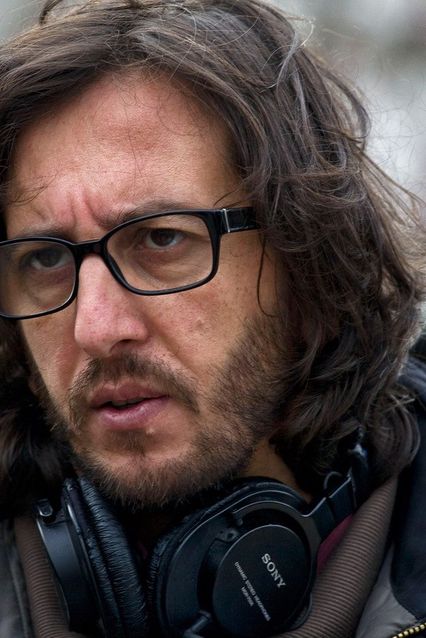
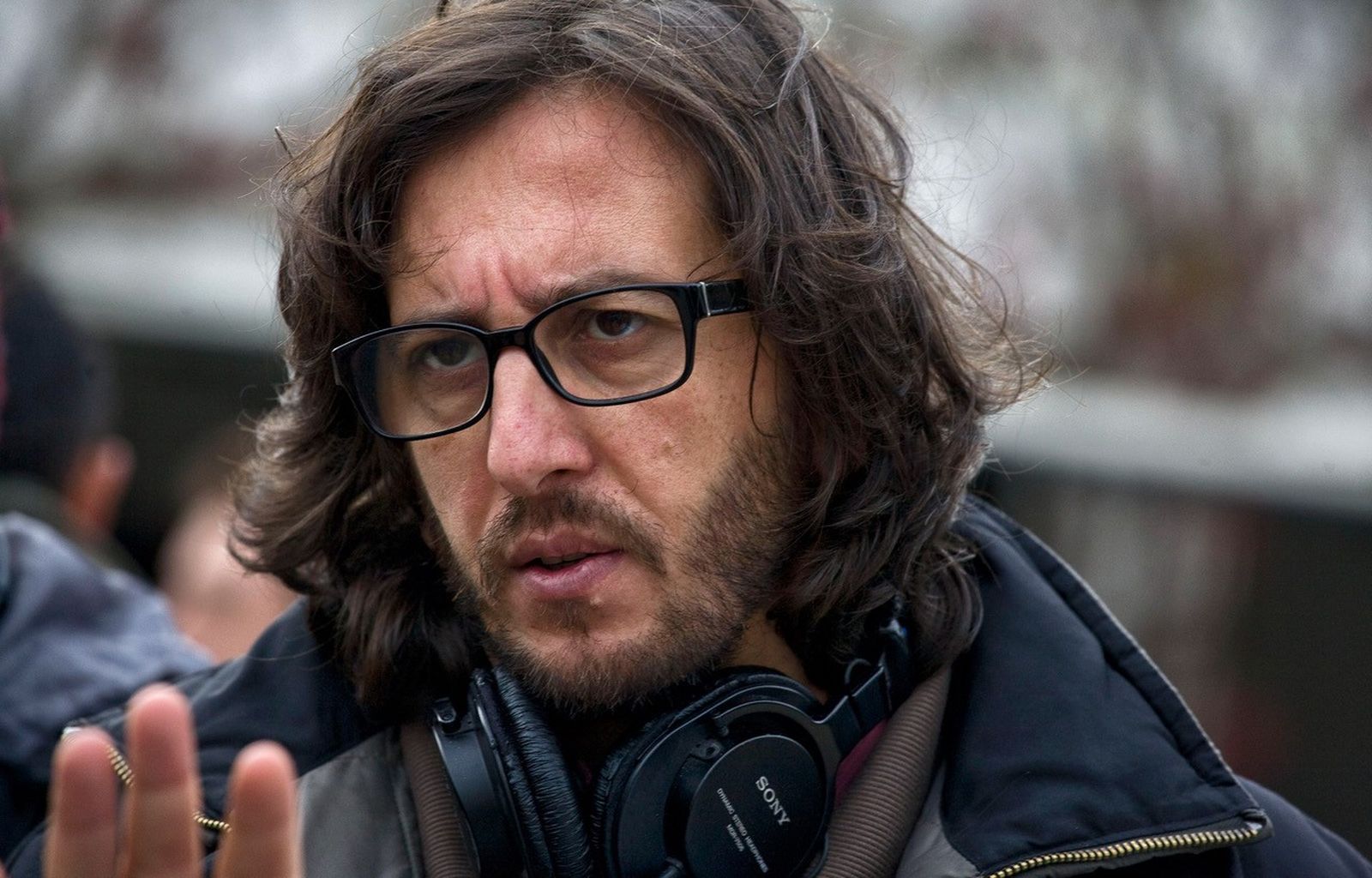
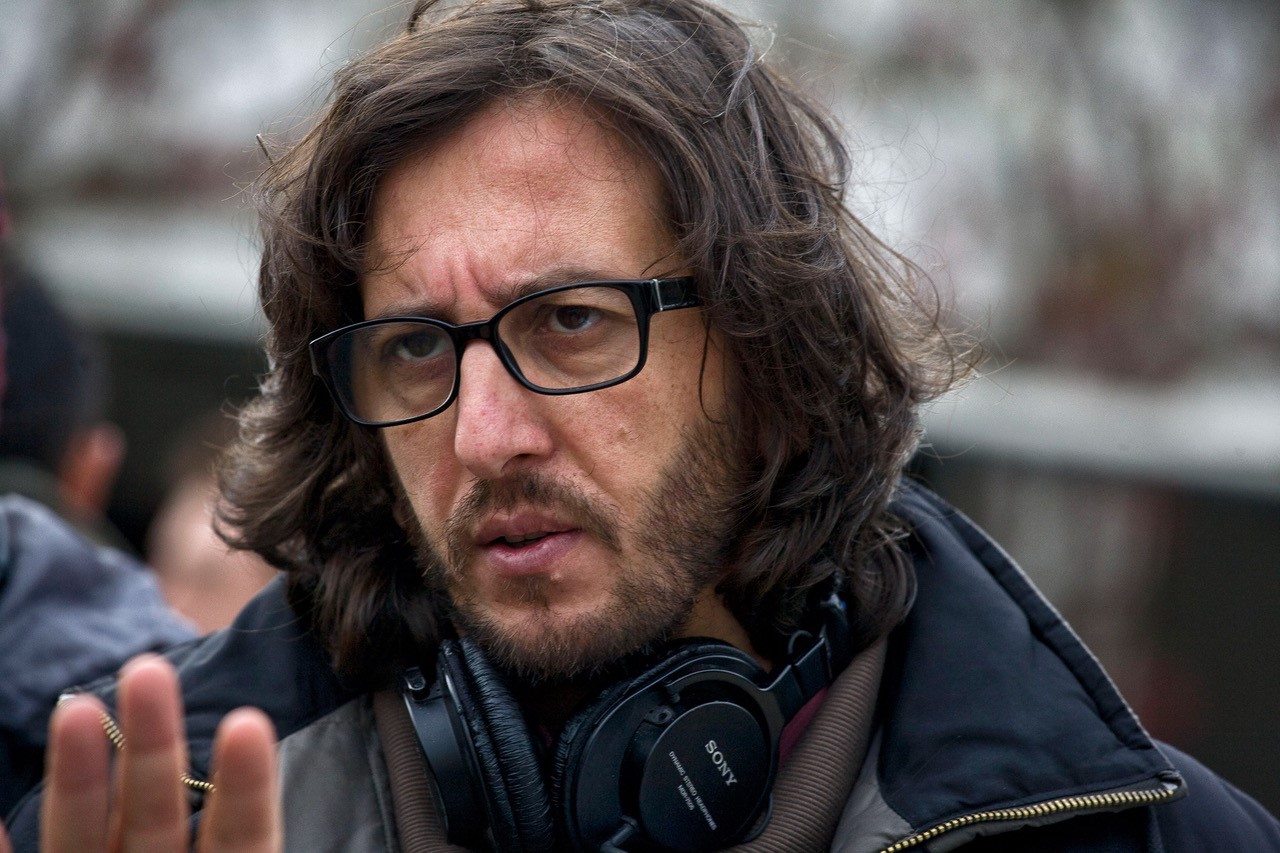
Daniele Vicari
(Castel di Tora, Rieti, 1967) after film studies and a few collaborations with movie magazines, in the early 1990s began making historical-political short and medium-length movies, including Comunisti (1998), the collective project Partigiani (Partisans, 1997), and Non mi basta mai (1999), which he directed with Guido Chiesa, all presented at the Torino Film Festival. In 2002, with Velocità massima (Maximum Velocity) he participated in competition at the Venice Film Festival and won the Pasinetti Award, followed by a David di Donatello for best new director. In 2005, with L'orizzonte degli eventi he participated at the Semaine de la critique in Cannes and two years later he won another David di Donatello for his documentary Il mio paese. He next presented Il passato è una terra straniera (The Past is a Foreign Land, 2008) at the Rome Film Fest and his best-known movie Diaz - Don't Clean Up This Blood (2012) at the Berlinale, winning the Panorama Audience Award. That same year, he once again won a Pasinetti Award in Venice with his documentary La nave dolce (The Human Cargo), and in 2017 he presented Sole cuore amore (Sun, Heart, Love) in Rome, winning the Silver Ribbon for legality and winning another one the next year with the TV movie Prima che la notte. In 2021, he directed Il giorno e la notte (The Day and the Night), made during the lockdown. With Andrea Porporati and Francesca Zanza, he founded the production company Kon-Tiki film and he also published a novel with Einaudi, Emanuele nella battaglia (2019).
FILMOGRAFIA
Il nuovo (cm, 1991), Mari del sud (cm, 1993), Partigiani (coregia Guido Chiesa, Davide Ferrario, Antonio Leotti e Marco Simon Puccioni, doc., 1997), Uomini e lupi (doc., 1998), Comunisti (doc., 1998), Bajram (doc., 1998), Non mi basta mai (coregia Guido Chiesa, doc., 1999), Sesso, marmitte e videogames (cm, doc., 1999), Morto che parla (cm, 2000), Velocità massima (2002), L’orizzonte degli eventi (2005), Il mio paese (doc.., 2006), Il mio paese 2.0 (doc., 2007), Il passato è una terra straniera (2008), Diaz - Don’t Clean Up This Blood (2012), La nave dolce (doc.., 2012), UnoNessuno (2015), Sole cuore amore (2016), Prima che la notte (tv, 2018), L’Alligatore (serie tv, 2020), Aria (serie tv, 2020), Il giorno e la notte (2021), Orlando (2022).
Declaration
film director
“Orlando is a movie that comes straight from the heart: I didn't make it so much as I lived it. It was nice to share with Michele Placido a character both of us encountered, came to know, a farmer who lives hand-to-hand with his land and who is used to fighting for a living. It was surprising to make him encounter Lyse, a young European who is already living in the future and has the same determined and stubborn nature as her grandfather. It is also the merit of a magnetic and dynamic 12-year-old actress like Angelica Kazankova.”
Cast
& Credits
DIRECTOR, STORY: Daniele Vicari. SCREENPLAY: Andrea Cedrola, Daniele Vicari. CINEMATOGRAPHY: Gherardo Gossi. FILM EDITING, SOUND: Benni Atria. PRODUCTION DESIGN: Igor Gabriel, Beatrice Scarpato. COSTUME DESIGN: Francesca Vecchi, Roberta Vecchi. MUSIC: Teho Teardo. CAST: Michele Placido, Angelica Kazankova, Fabrizio Rongione, Denis Mpunga, Christelle Cornil, Federico Pacifici, Lola Deleuze, Chiara Scalise, François Neycken, Céline André, Daniela Giordano. PRODUCERS: Marica Stocchi, Joseph Rouschop. PRODUCTION: Rosamont, Rai Cinema, Tarantula.
CONTACT:
Rosamont info@rosamont.com