

Country: Italy
Year: 2022
Duration: 43'
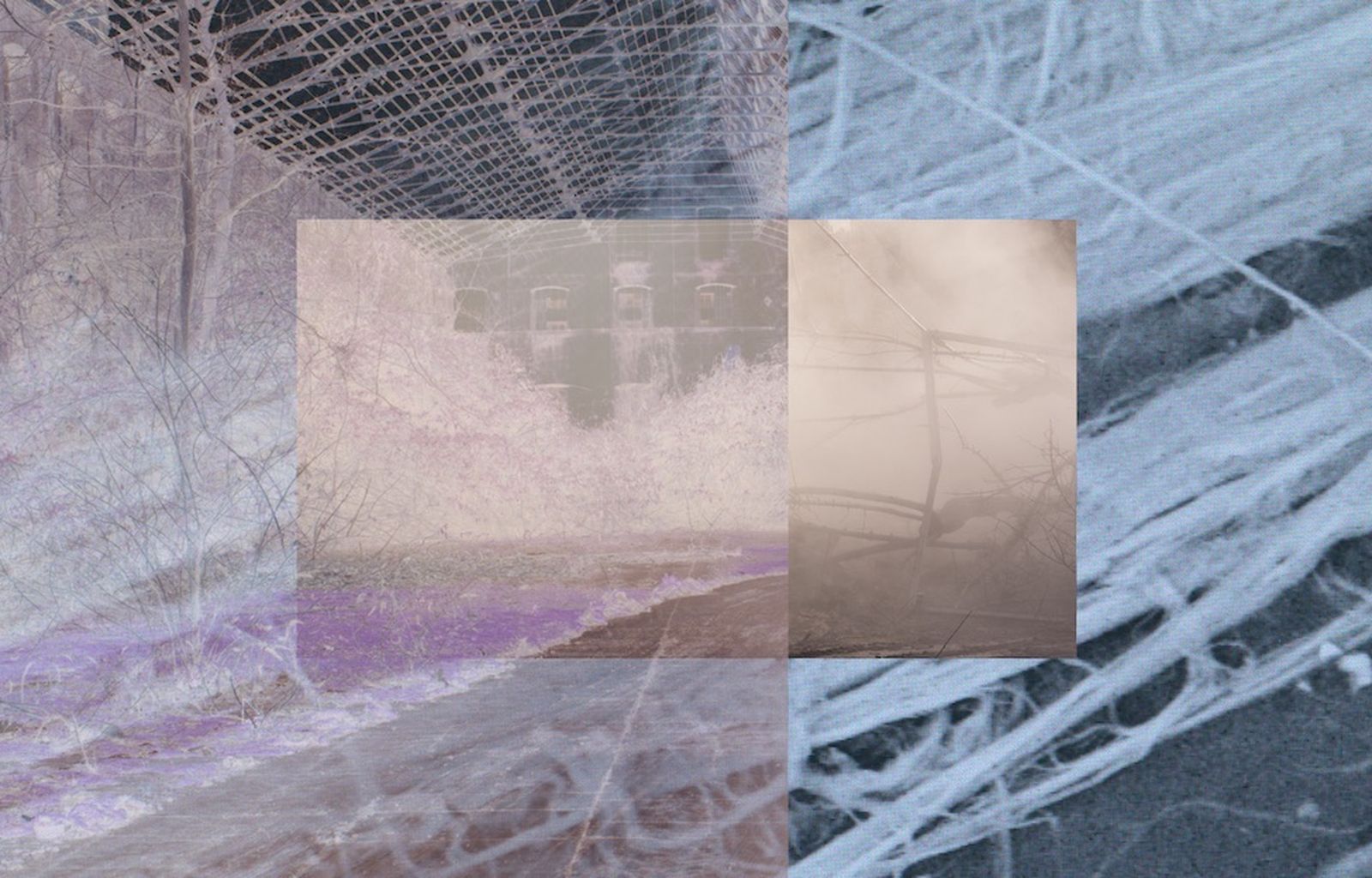
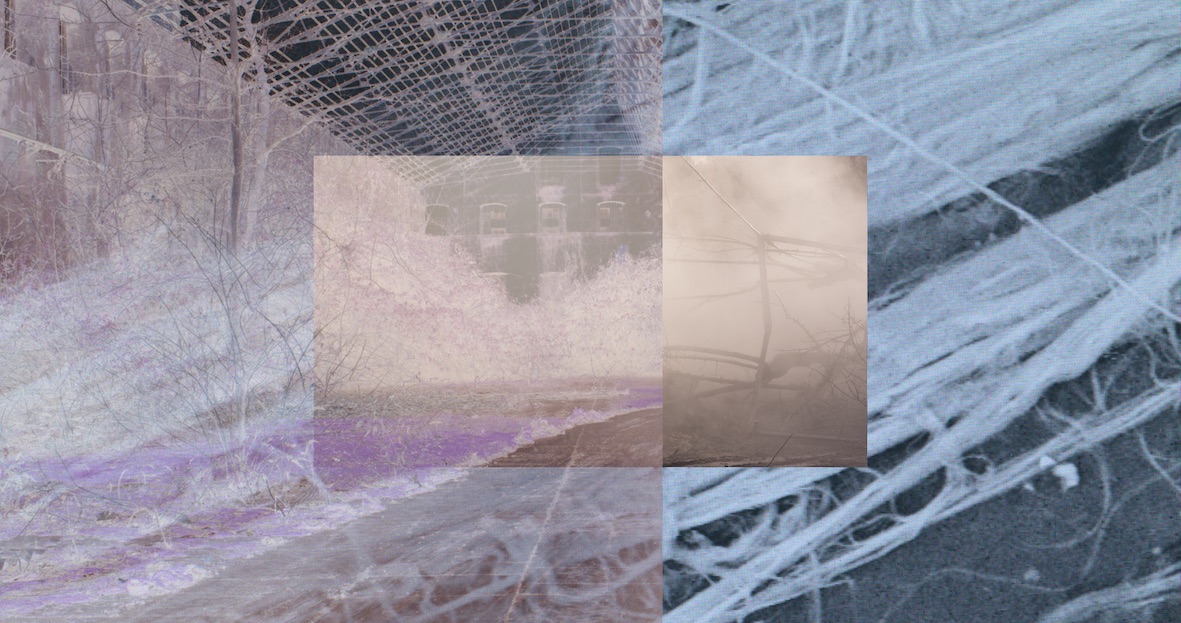
Six hectares of destruction and six hectares of vegetation that is out of control. An industrial pole that was abandoned in 1989 is observed for two years as it undergoes a radical process of transformation. A few speleologists explore the underground darkness in search of the ammunition depot and the air raid shelters. Two natural scientists take a census of the invasive plant species to be uprooted; a geologist directs core drilling to reclaim the land from the pollutants that were spilled during a century of industrial activity. Former workers wander through what remains of their world. A gigantic, tenacious Paulownia tree is demolishing the buildings. Parrots twitter in the palm trees. Part industrial archeology and part tropical re-naturalization. Post-Prod studies a paradigmatic case of the oblivion of western mechanical industry. The unfettered development of the tropical vegetation counters the death of the productive structure and invites us to reconsider our concept of nature.
Biography
film director
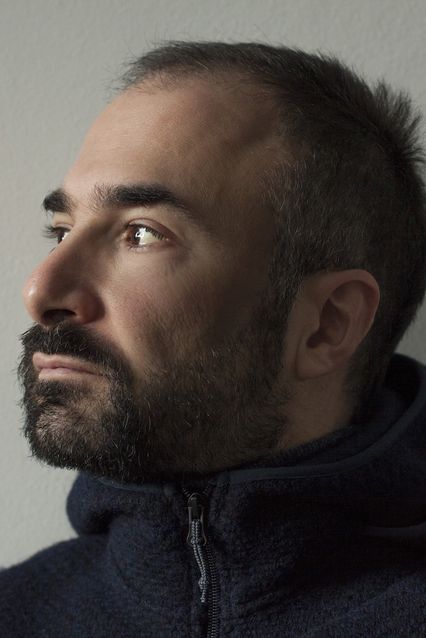
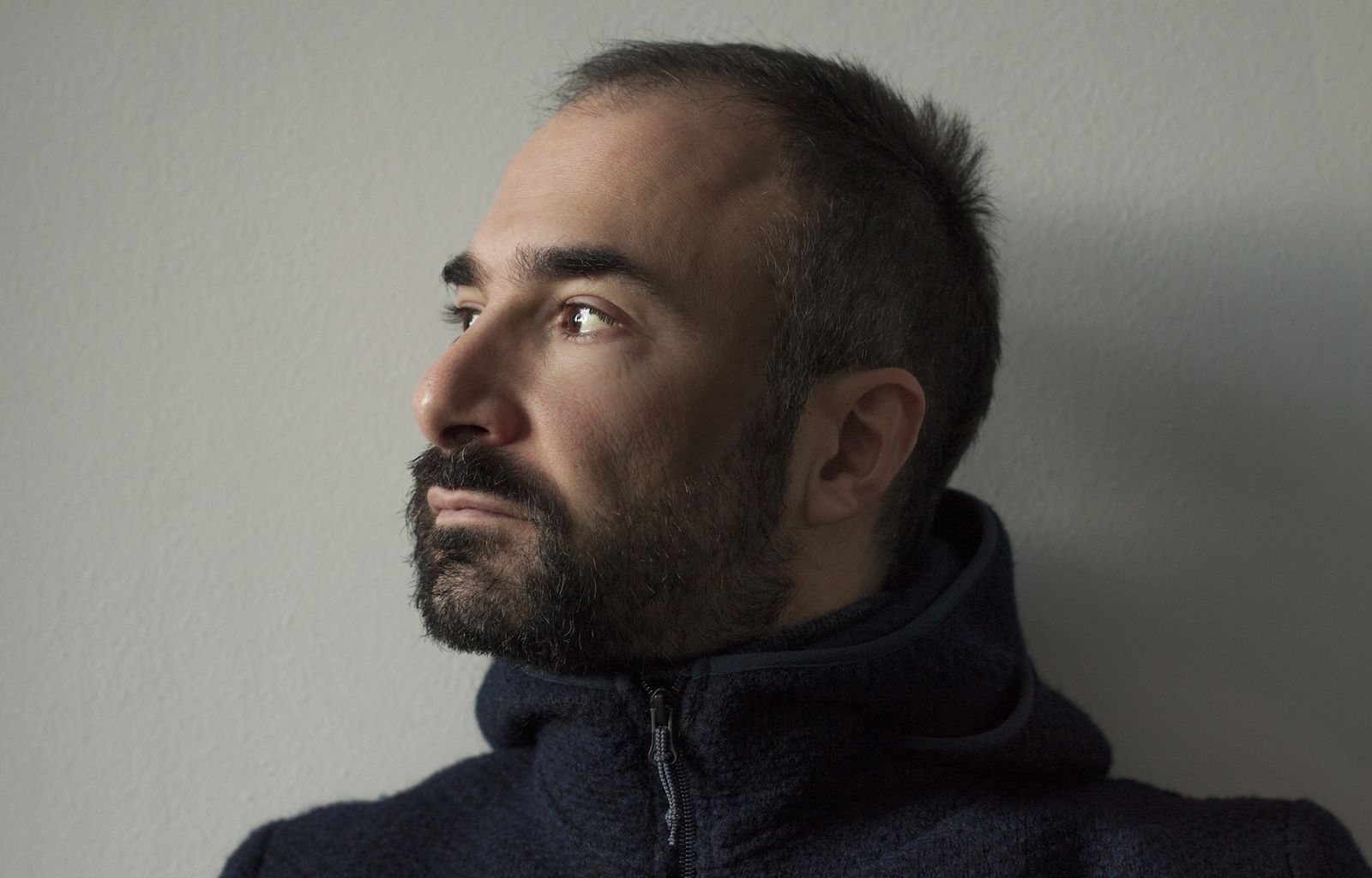
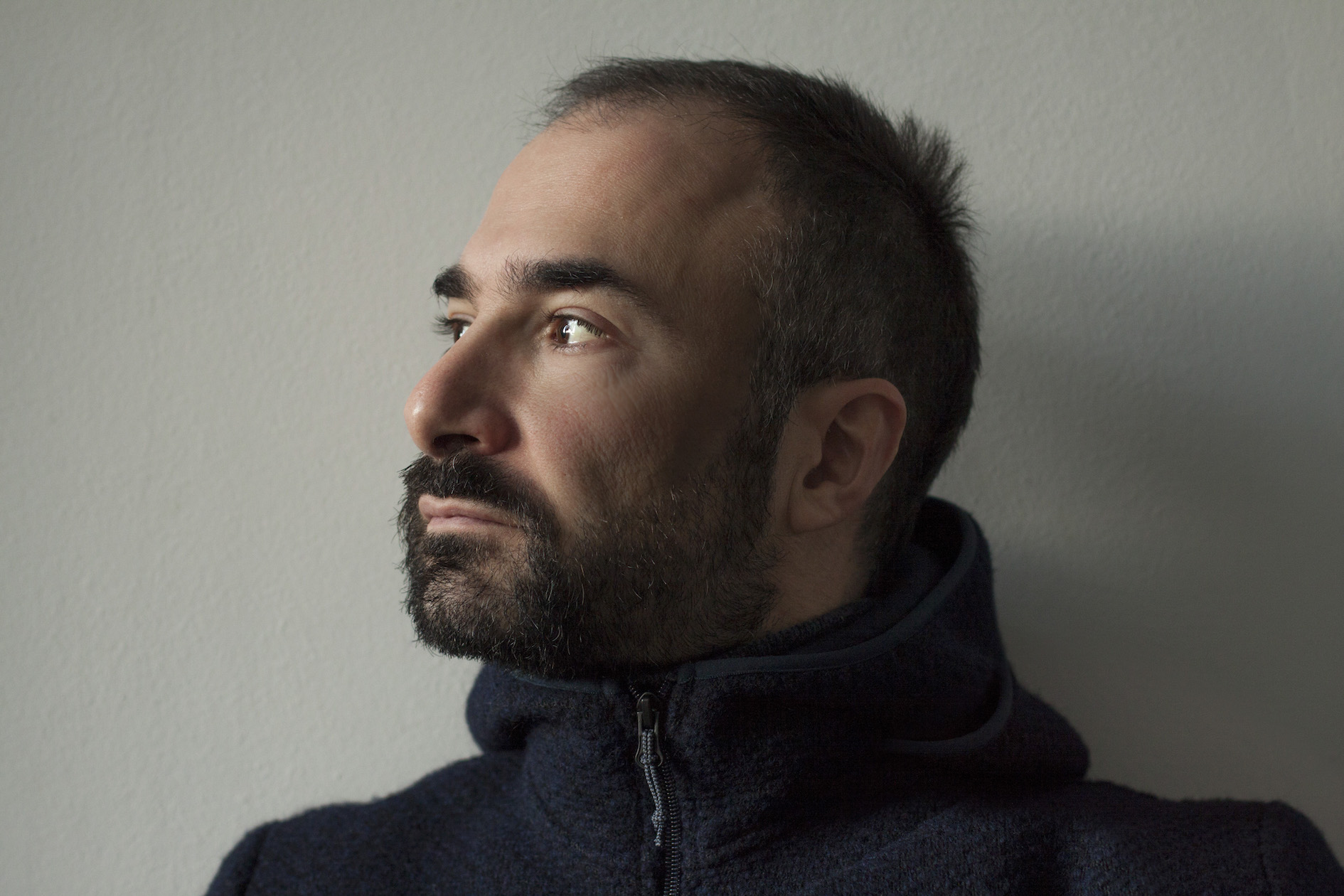
Lorenzo Casali
works primarily on site-specific projects that start from an analysis of the network of relations existing in a given place: cultural, social, political, and economic stratifications. Since the early 2000s, he participates in competitions, festivals, exhibits, and residences in Italy and abroad. Since 2010, he is part of the artistic duo Casali+Roubini and since 2019, he is a member of the artistic collective Museo Wunderkammer. Besides his artistic research, he also teaches, at present at the Academy of Fine Arts in Rome and Bergamo.
FILMOGRAFIA
Echi di abitazioni (cm, 2002), 4 frammenti (cm, 2002), Nyàr utca (cm, 2003), Nebulosa – ò utca (cm, 2003-2005), Hungària Fürdò (cm, 2003), Scansione (cm, 2006), Pulsar (cm, 2007), Nero (cm, 2007), Permanence#1 (cm, 2008), Permanence#2 (cm, 2010), Persistence: blank (cm, 2010), Post-Prod (mm, 2022).
Declaration
film director
“Post-Prod is an experimental listening documentary about a place that developed over the space of two years. Even though it was conceived for and shaped according to the various characteristics of the specific context, the work tends toward a state of universal things: Isotta Fraschini in Saronno is a case study of the environmental questions posed by industrial decommissioning during the past century. The gap, the fragment, and the ambiguity of memory conceptually mold the subject and the shape of the movie, influencing the methodology of the filming and editing. The camera is almost exclusively fixed, allowing the movement to develop at its own pace within the frame, or off-screen, or in the tension between the two.”
Cast
& Credits
DIRECTOR: Lorenzo Casali. STORY, CINEMATOGRAPHY, FILM EDITING: Lorenzo Casali, Gianluca Angioi. MUSIC: The Selva, Ricardo Jacinto, Gonçalo Almeida, Nuno Morão. SOUND: Vittorio Mazzola. CAST: Ricardo Jacinto, Gonçalo Almeida, Nuno Morão. PRODUCERS: Lorenzo Casali, Gianluca Angioi.
CONTACT:
Lorenzo Casali lorecasali@yahoo.it