

Country: Australia
Year: 2022
Duration: 180
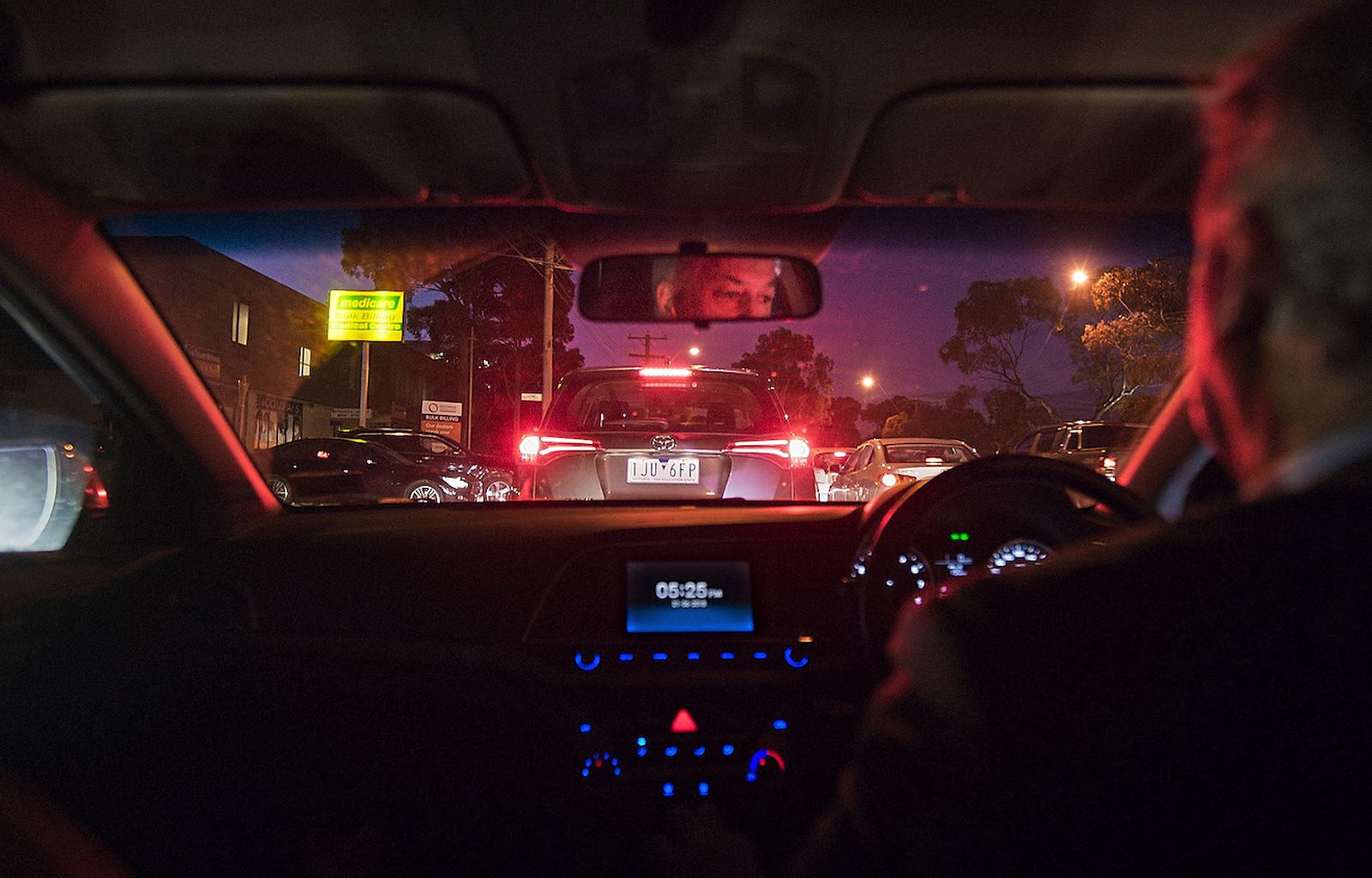
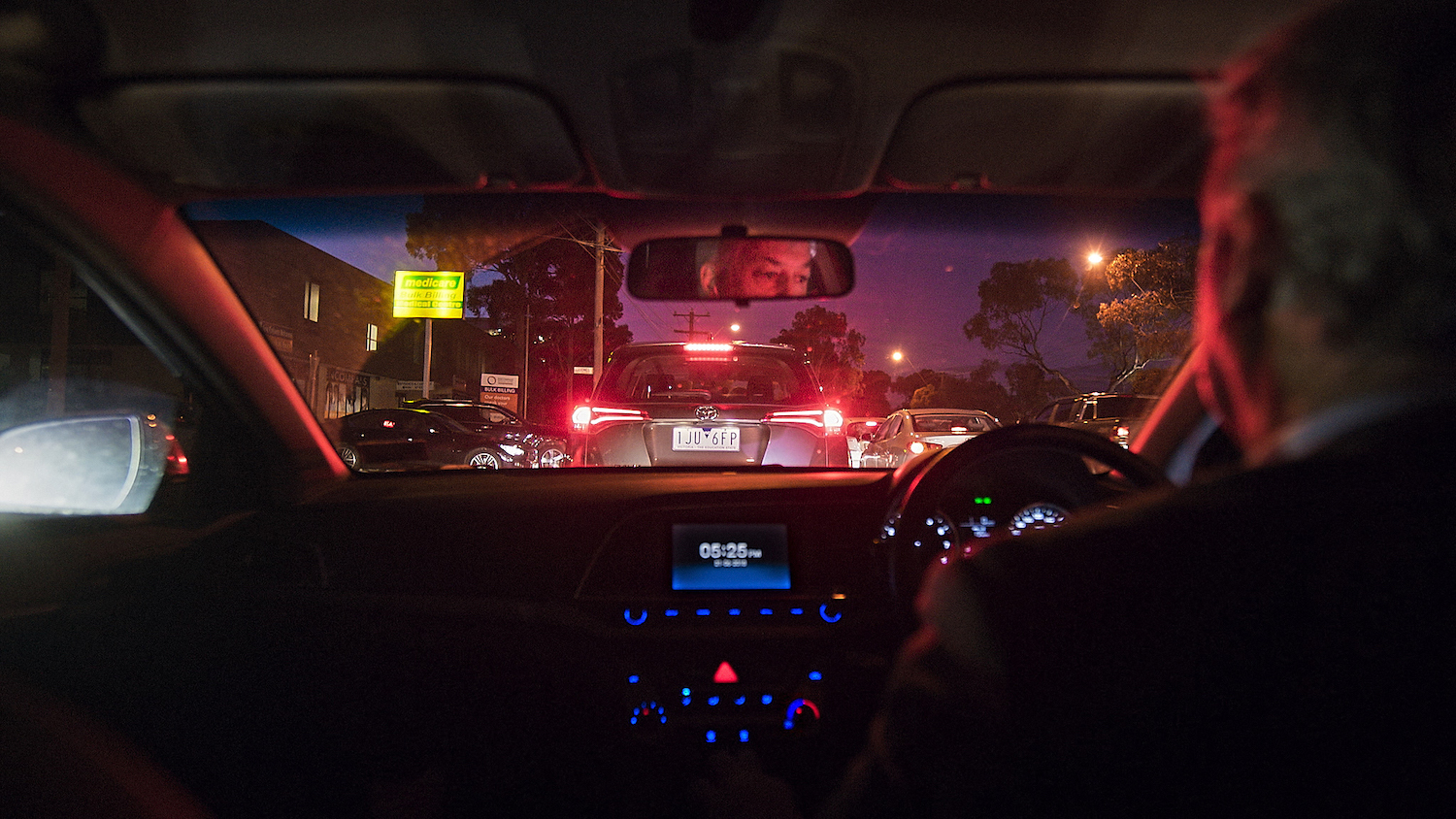
Every evening a man in his late 50s commutes home at the end of the working day in the outer suburbs of Melbourne. As the seasons pass in gentle rhythm we observe dramatic events of his life as well as mundane quotidian details, and learn more about the man, his inner conflicts and the relationships in his life—with his wife, his mother, deceased sister, and a younger co-worker whom he occasionally drives home. Within the microcosm of the car the film ultimately becomes a meditation on the passage of time, memory, work, and how love and the relationships in our life sustain us.
Biography
film director
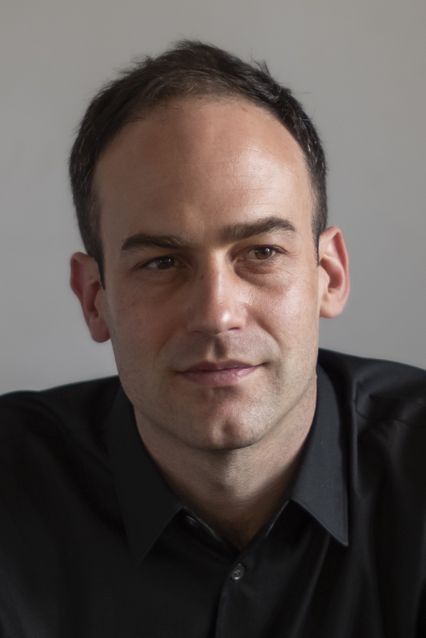
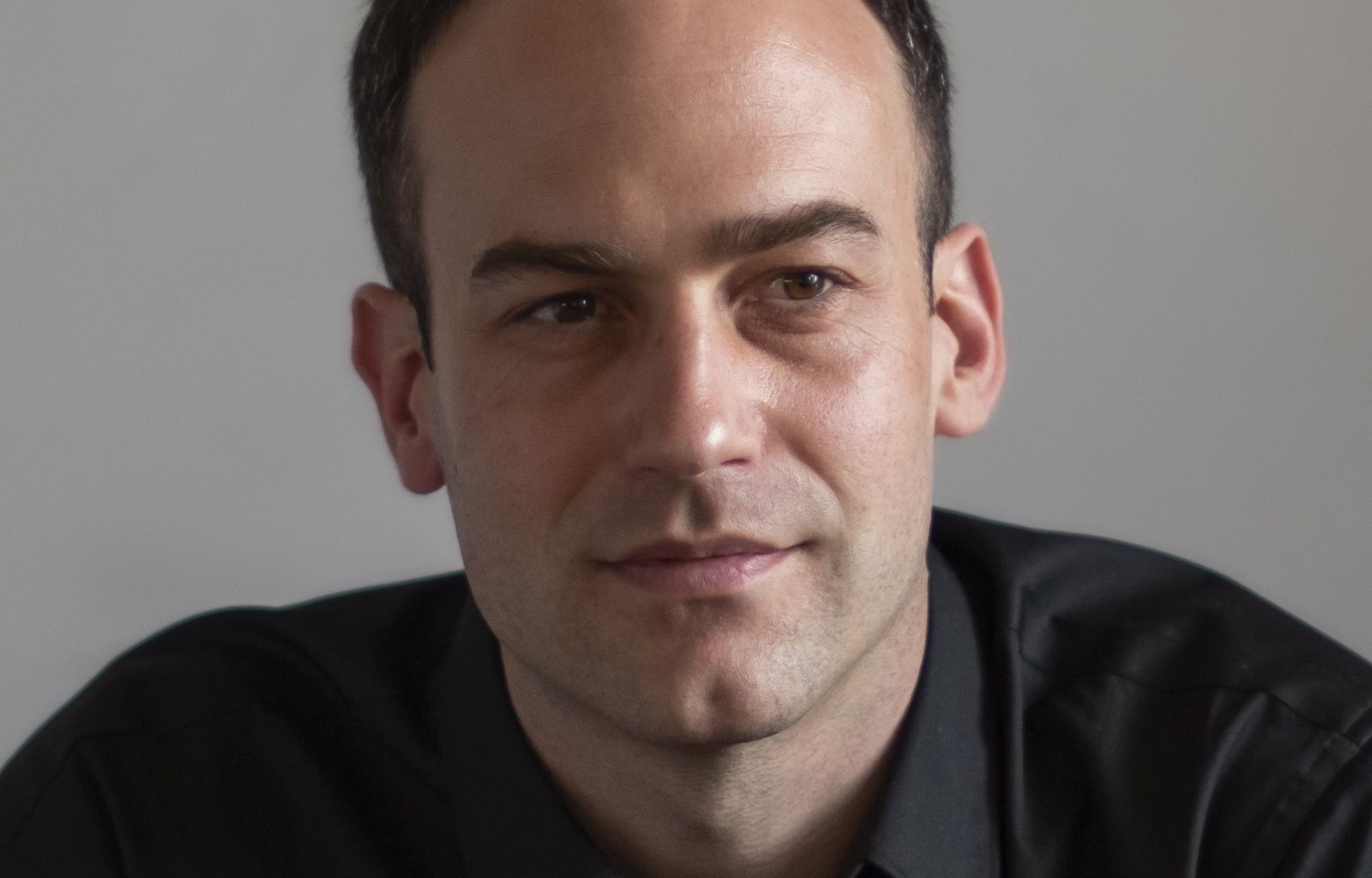
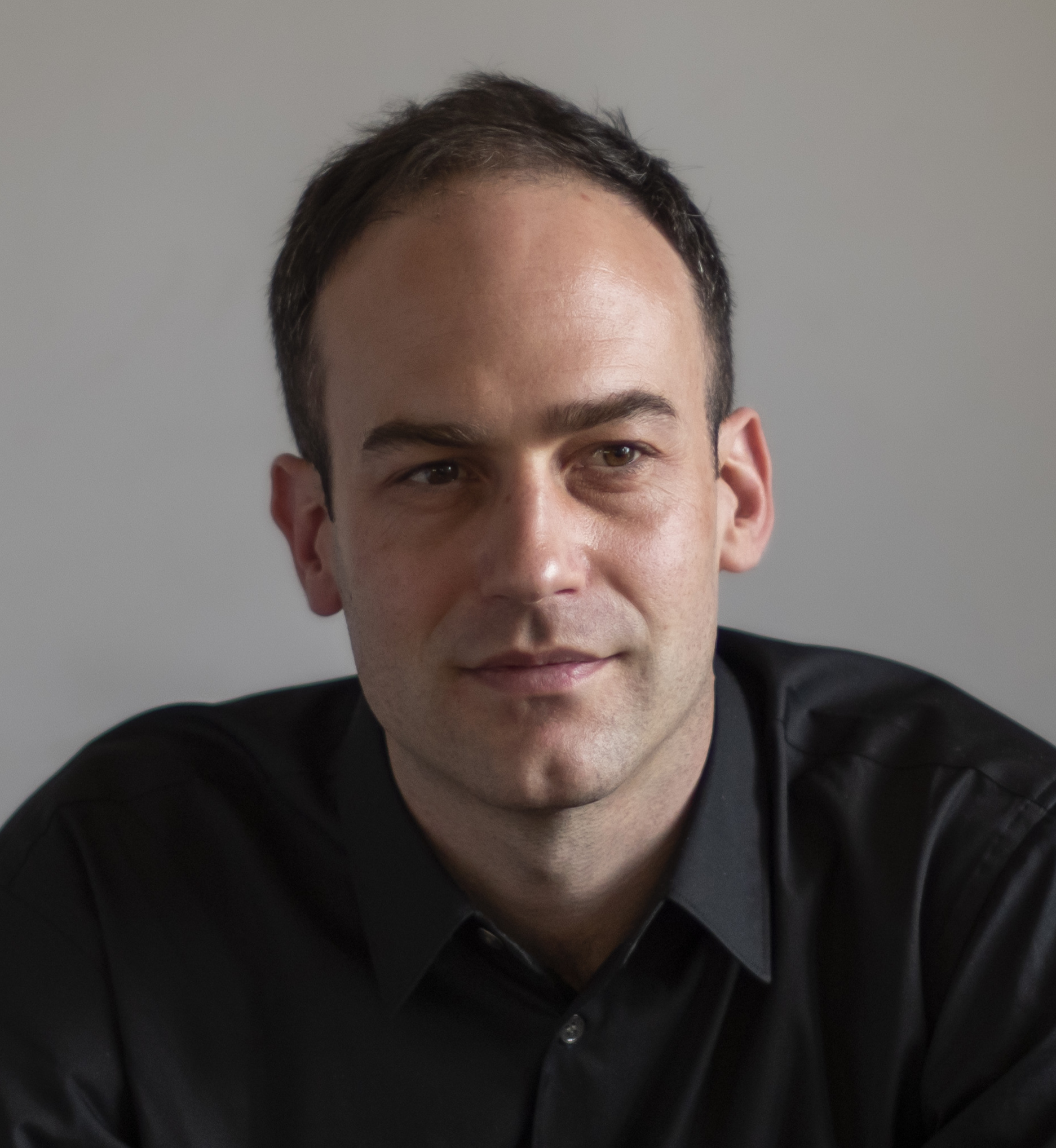
David Easteal
(Australia, 1986) is a Melbourne based filmmaker. He studied law and literature at the University of Melbourne, and currently practises as a barrister at the Victorian Bar Mediation Centre. His short films screened at various international festivals, including the New York, Londra, Chicago, Kiev, Sofia and Singapore film festivals. He received the Award for Emerging Australian Filmmaker at the 2015 Melbourne International Film Festival. His first feature-length film, The Plains, received the Films en Cours post-production support award at Belfort International Film Festival Entrevues. The Plains premiered at International Film Festival Rotterdam 2022 as part of the Tiger Competition.
FILMOGRAFIA
The Father (cm, 2011), Monaco (cm, 2015), The Plains (2022).
Declaration
film director
“I first met Andrew when we worked together some years ago at a community legal centre in the outer suburbs of Melbourne. Andrew started driving me home from work on occasions and an unlikely friendship slowly developed. Over the course of a year I learnt about Andrew’s life, both through our discussions and by hearing some of the telephone conversations he had with his wife and his mother. His mother’s dementia worsened over the year and she passed away. I left that workplace but remained in contact with Andrew and our commutes home formed the basis of the film. We filmed approximately once each month over a year. The content of each shoot was loosely scripted in the month preceding the shoot – based on what had occurred years prior, as well as more recent events, while remaining open for digressions to occur spontaneously – and was comprised of re-creating real events, documentary and fiction. Through the process the film evolved in a very dynamic way, and unintended themes present in the film started to take shape. The film explores Andrew’s life through the repetitive action of commuting home at the end of the working day. It’s a liminal time where the commuter is in effect doing little, moving through the city to get to home, together with thousands of others yet alienated from them. In the solitude of the car’s interior, work-life can linger despite being physically left behind.”
Cast
& Credits
DIRECTOR, SCREENPLAY, FILM EDITING, PRODUCER: David Easteal. CINEMATOGRAPHY: Simon J Walsh. SOUND: Steven Bond, David Easteal, Nick Batterham, Matthieu Langlet. CAST: Andrew Rakowski, David Easteal, Cheri LeCornu, Inga Rakowski. COPRODUCTION: Belfort International Film Festival Entrevues post-production support (Films en cours), Cineli Digital, La Puce A L’Oreille, Poly Son Post Production, Studio Orlando and Arc Edit.
CONTACT:
Pascale Ramonda pascale@pascaleramonda.com