

Country: Switzerland
Year: 2022
Duration: 93'
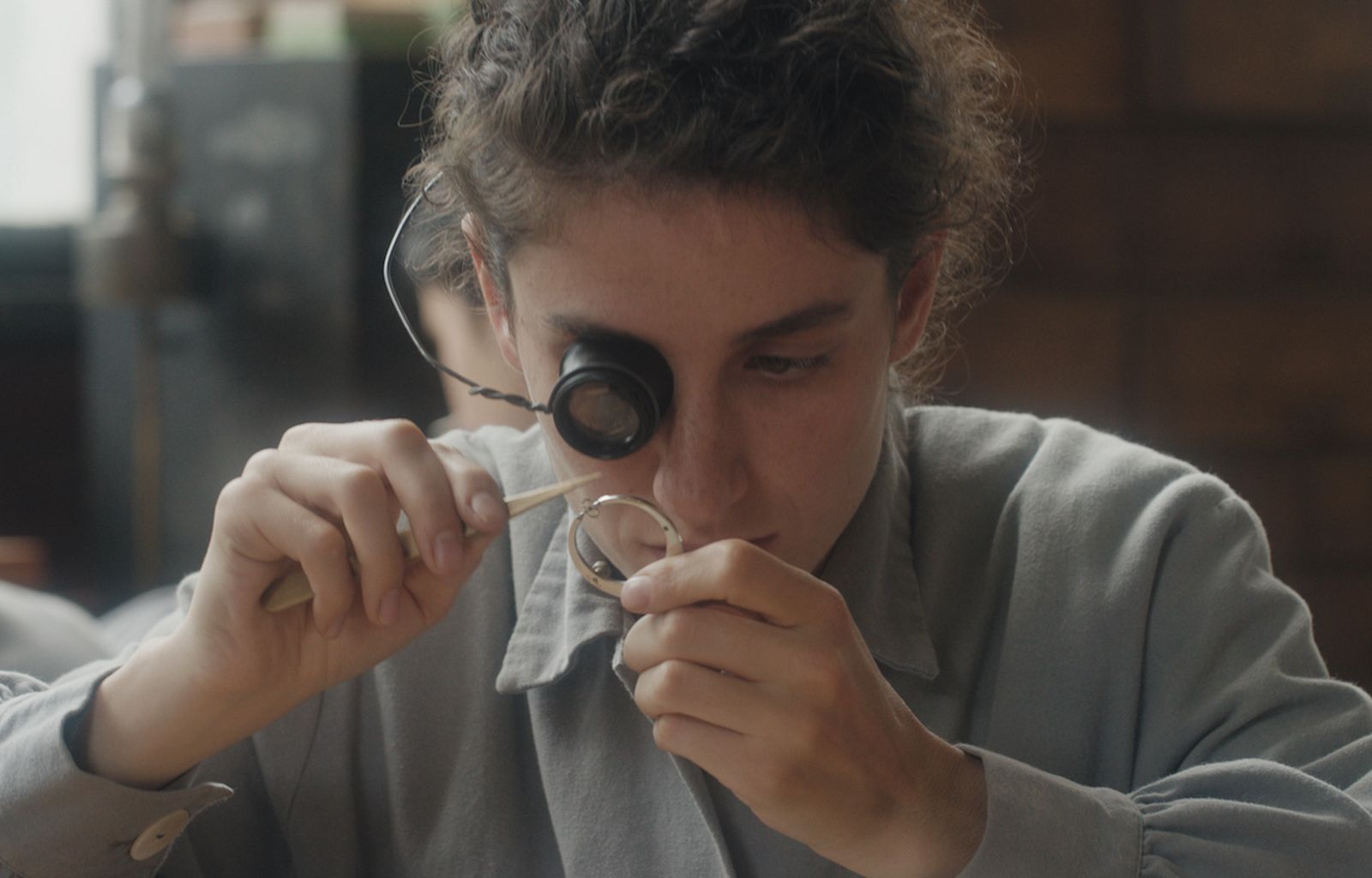
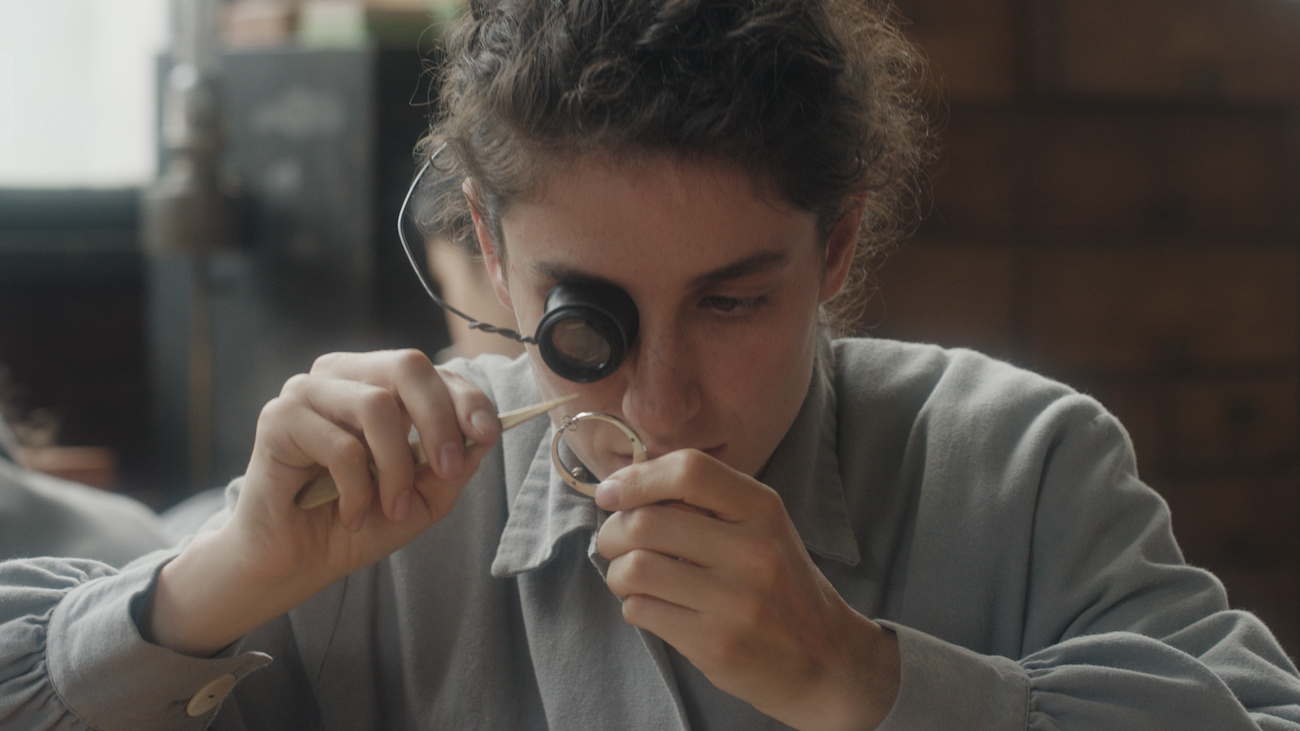
New technologies are transforming a 19th-century watchmaking town in Switzerland. Josephine, a young factory worker, produces the unrest wheel, swinging in the heart of the mechanical watch. Exposed to new ways of organizing money, time and labour, she gets involved with the local movement of the anarchist watchmakers, where she meets Russian traveller Pyotr Kropotkin.
Biography
film director
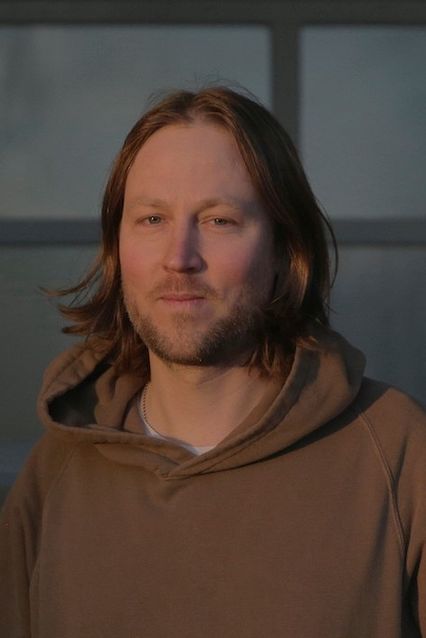
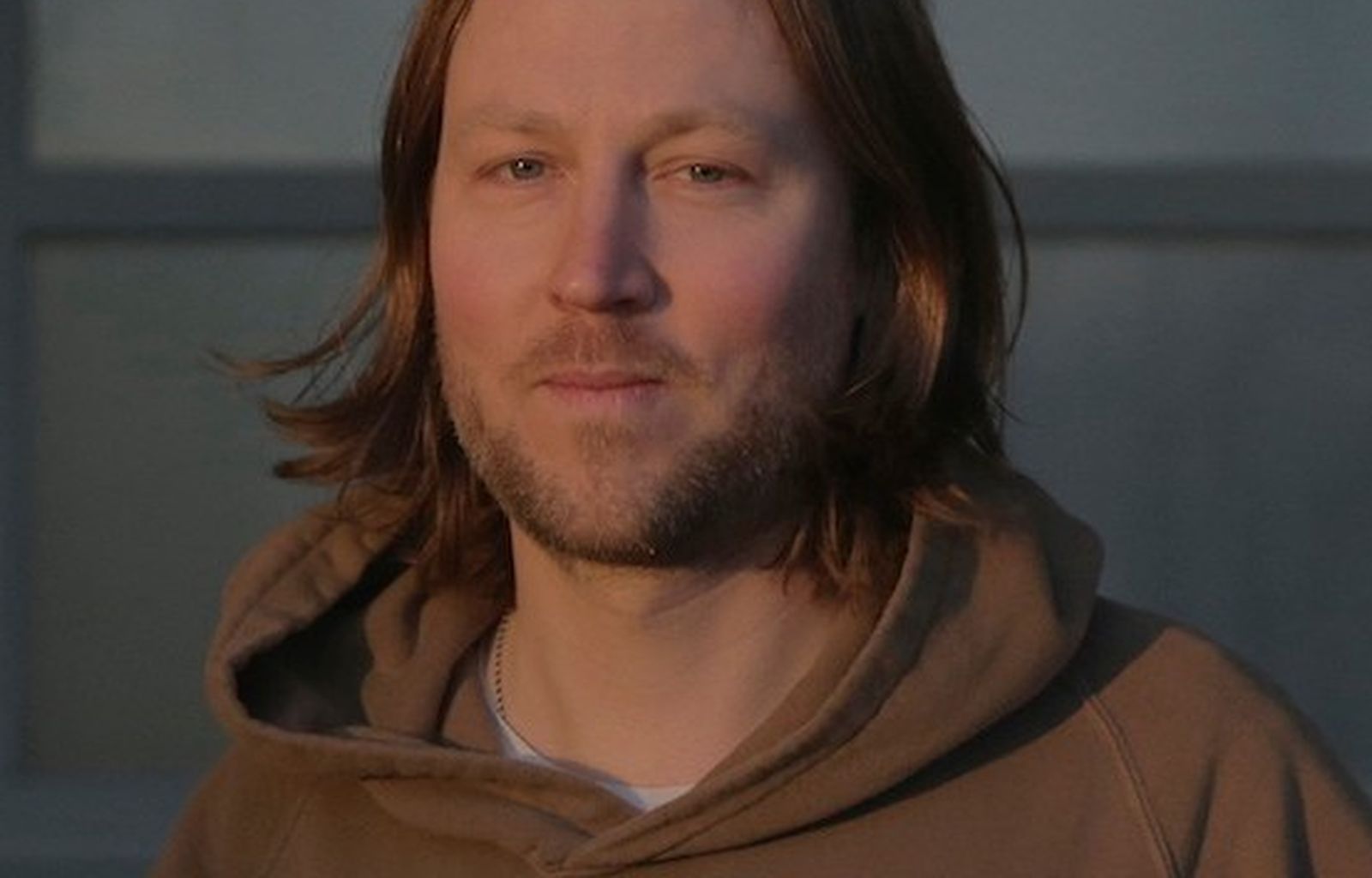
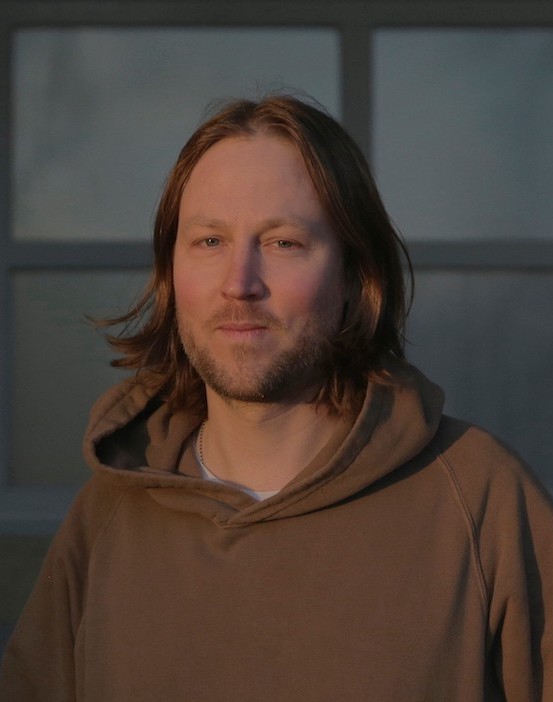
Cyril Amon Schaublin
(Zurich, Switzerland, 1984) studied ethnology, history and sinology at the University of Zurich from 2003 to 2005 and then studied for a year at the Beijing Film Academy. In 2003 he debuted with the short Das Licht der Maschine, followed in 2005 by Qiao and Zhinanzhen, both of which were shot with the support of the Beijing Film Academy. Since 2006 he has been studying at Berlin’s Deutsche Film und Fernsehakademie, where he was a student of Lav Diaz and James Benning and shot the shorts Mein Bruder, der Rabe, Stomausfall, Party Animals and Lenny, the latter selected at the Torino Film Festival in 2009. His first feature film Those Who Are Fine (2017) premiered in Locarno and Rotterdam. Unrest, which was selected at the Berlinale section Encounters, is his second feature.
FILMOGRAFIA
Das Licht der Maschine (cm, 2003), Qiao (cm, 2005), Zhinanzhen (cm, 2005), Mein Bruder, der Rabe (cm, 2006), Stromausfall (cm, 2007), Party Animals (cm, 2008), Lenny (cm, 2009), Portrait (cm, 2011), Stampede (cm, 2012), Modern Times (cm, 2013), Public Library (cm, 2013), I de Schwiis (cm, 2014), Dene wos guet geit (Those Who Are Fine, 2017), Kropotkin (cm, 2018), Il faut fabriquer ses cadeaux (cm, 2021), Unrueh (Unrest, 2022).
Declaration
film director
“Based on the historical events which made the watchmaking valley of Saint-Imier in northwestern Switzerland the political epicentre of the growing international anarchist movement in the second half of the 19th century, the film reconstructs events in 1870s. The film also tells the encounter between Josephine Gräbli, a watch factory worker producing the unrest wheel, and Pyotr Kropotkin, a Russian traveller and cartographer. The character of Pyotr is inspired by the real Pyotr Kropotkin (1842-1921). His book Memoirs of a Revolutionist, which discusses his time spent in Switzerland where he became an anarchist, constituted an essential source for writing the film. […] Are the definitions of time and work, developed and established during industrial capitalism, mere fictions perhaps? How are narratives, such as the “nation” and other inventions of people living in the 19th century defining the ways we work together and how we organise and experience time today? Is there something like a capitalist mythology discreetly guiding out everyday life? What are its fairy tales? And what other tales might be possible?”
Cast
& Credits
DIRECTOR, SCREENPLAY, FILM EDITING: Cyril Schäublin. CINEMATOGRAPHY: Silvan Hillmann. PRODUCTION DESIGN: Sara B. Weingart. COSTUME DESIGN: Linda Harper. MUSIC: Li Tavor. SOUND: Roland Widmer, Miguel Moraes Cabral. CAST: Clara Gostynski, Alexei Evstratov, Monika Stalder, Hélio Thiémard, Li Tavor, Valentin Merz, Laurence Bretignier, Laurent Ferrero, Mayo Irion, Daniel Stähli. PRODUCERS: Linda Vogel, Michela Pini. PRODUCTION: Seeland Filmproduktion. COPRODUCTION: Cinédokké Savosa.
CONTACT:
Alpha Violet - Fiorella Aguayo festivals@alphaviolet.com