

Country: Italy
Year: 1980
Duration: 75'
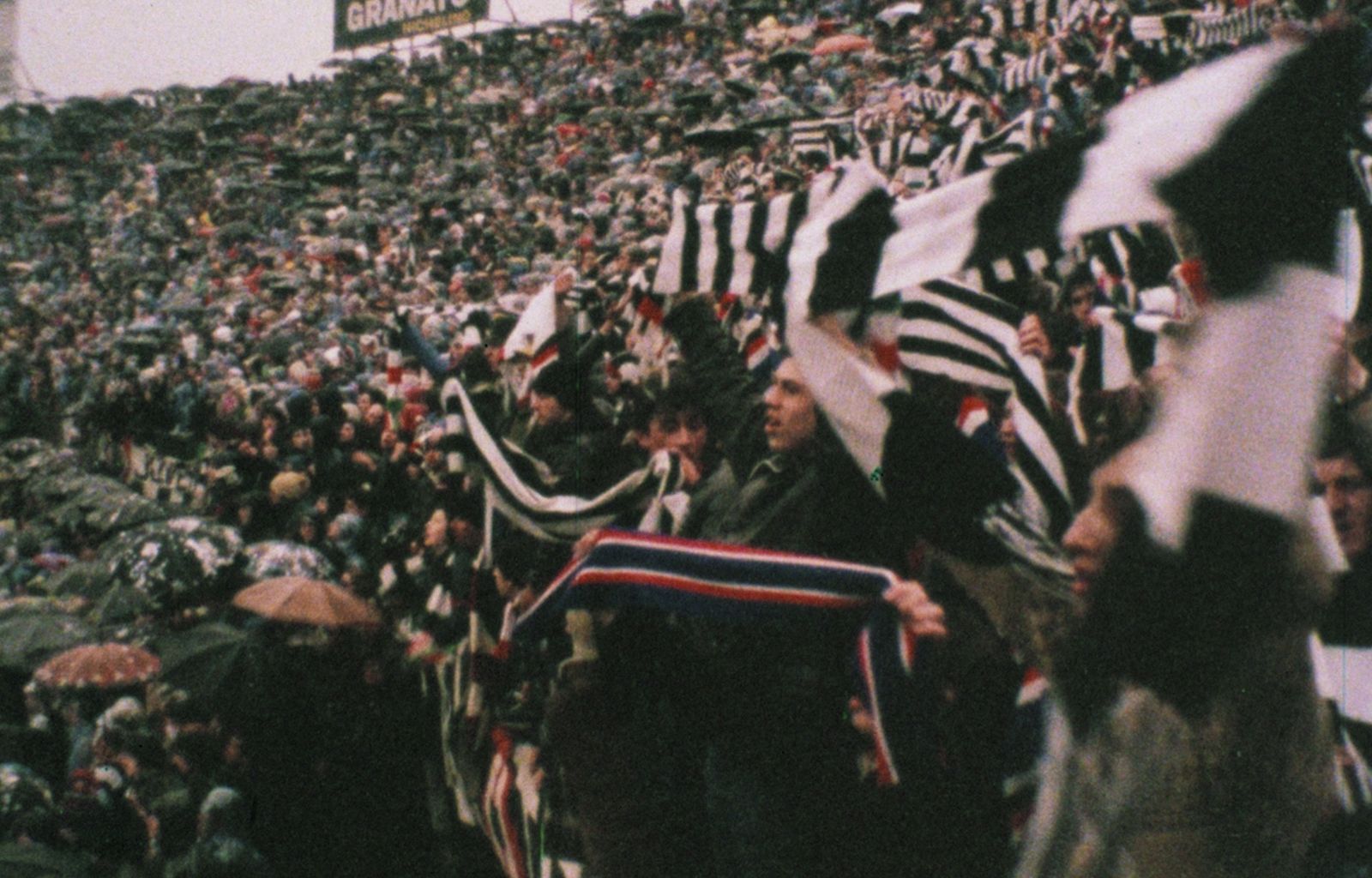
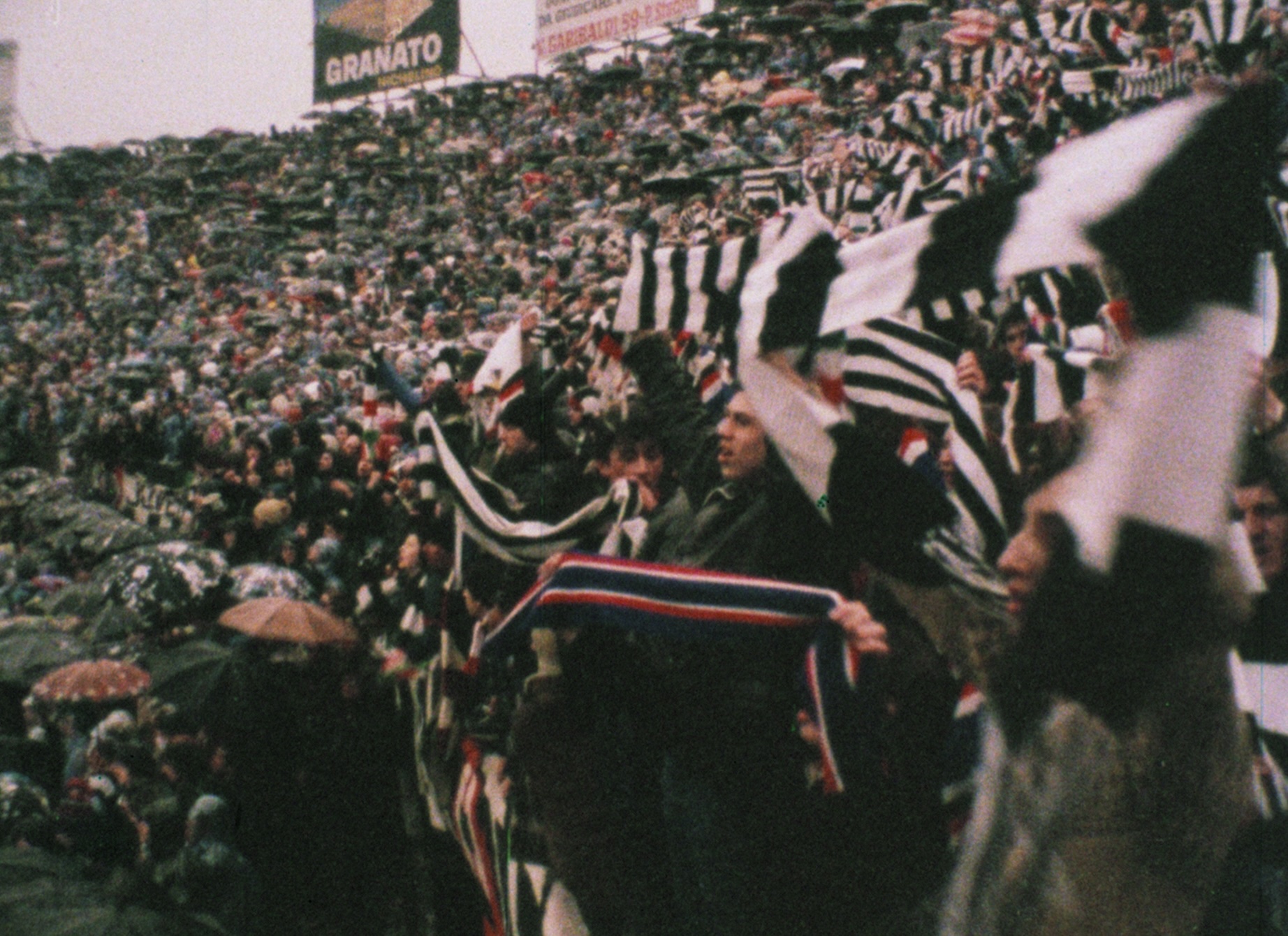
After Il potere deve essere bianconero (1978), a short film in which the Juventus Fighters, an organized group of soccer fans, meet in Turin’s suburbs and at the municipal stadium, in 1980 Daniele Segre takes the filmed material in hand once again (as well as the pictures he took for the same-titled book of photographs published in 1976) and builds on it to conduct one of the very first investigations of the phenomenon of the ultras, not only those rooting for Juventus but those rooting for Toro as well. After going to the stadium for two years, to Juventus games and to those of Toro, he impartially recounts a social phenomenon that, although it was only emerging at the time, was already marginalized. The people interviewed do all the talking and, stimulated by the director’s questions and the investigative gaze of the movie camera, they share the meaning of their collective experience and implicitly reveal the broader social, economic, political, and historical questions of Italy at the time: from the crisis of the working class to the decay in the suburbs, from violence as a daily language to the slow but definitive passage toward a depoliticized society. A momentous movie, which would be followed by Ragazzi di stadio, quarant’anni dopo.In a brand new digitalization from CSC - Archivio Nazionale Cinema Impresa, I Cammelli.
Biography
film director
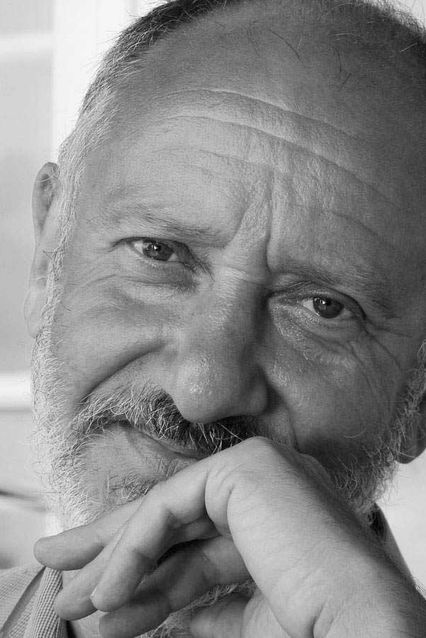
Daniele Segre
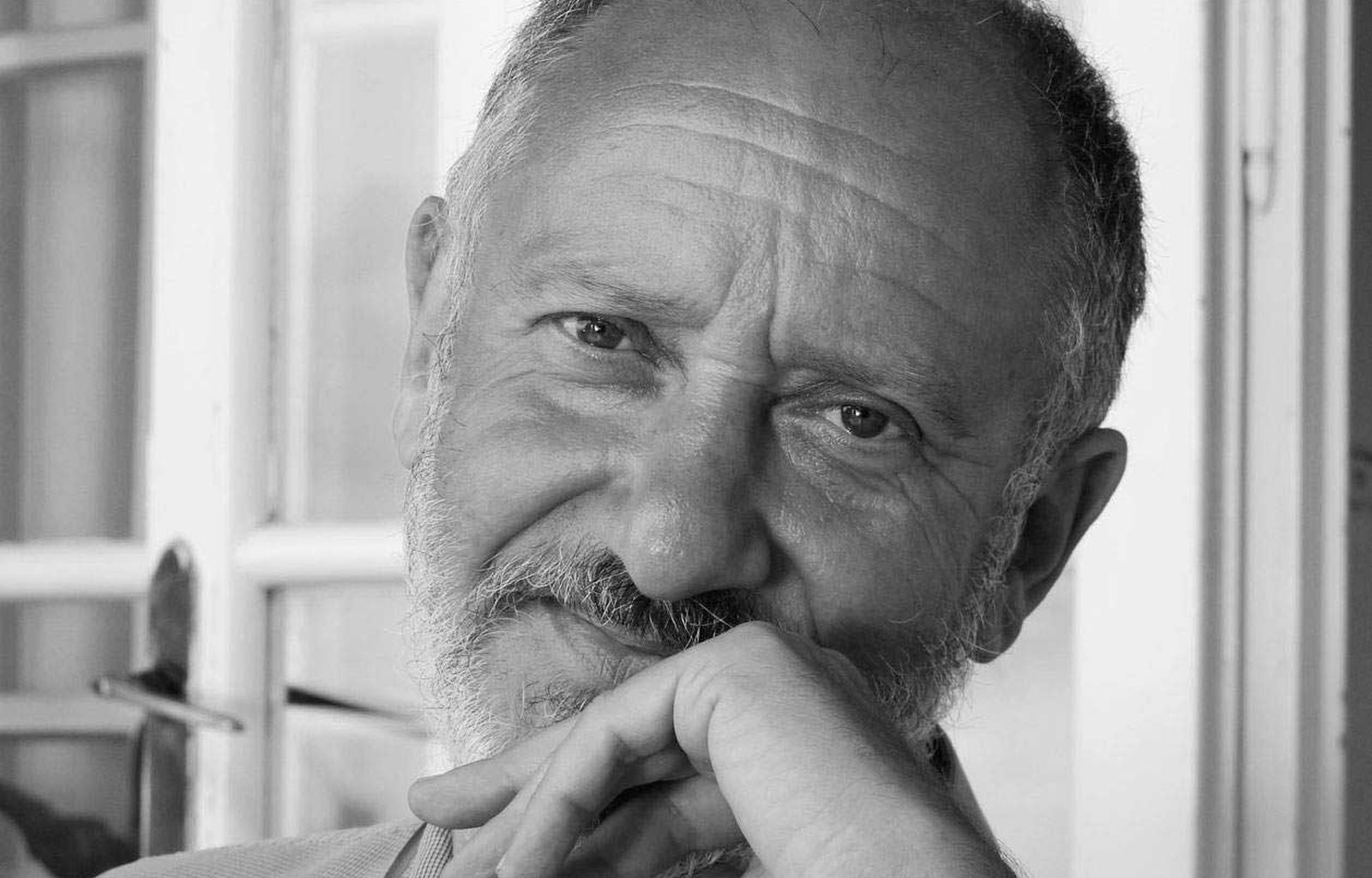
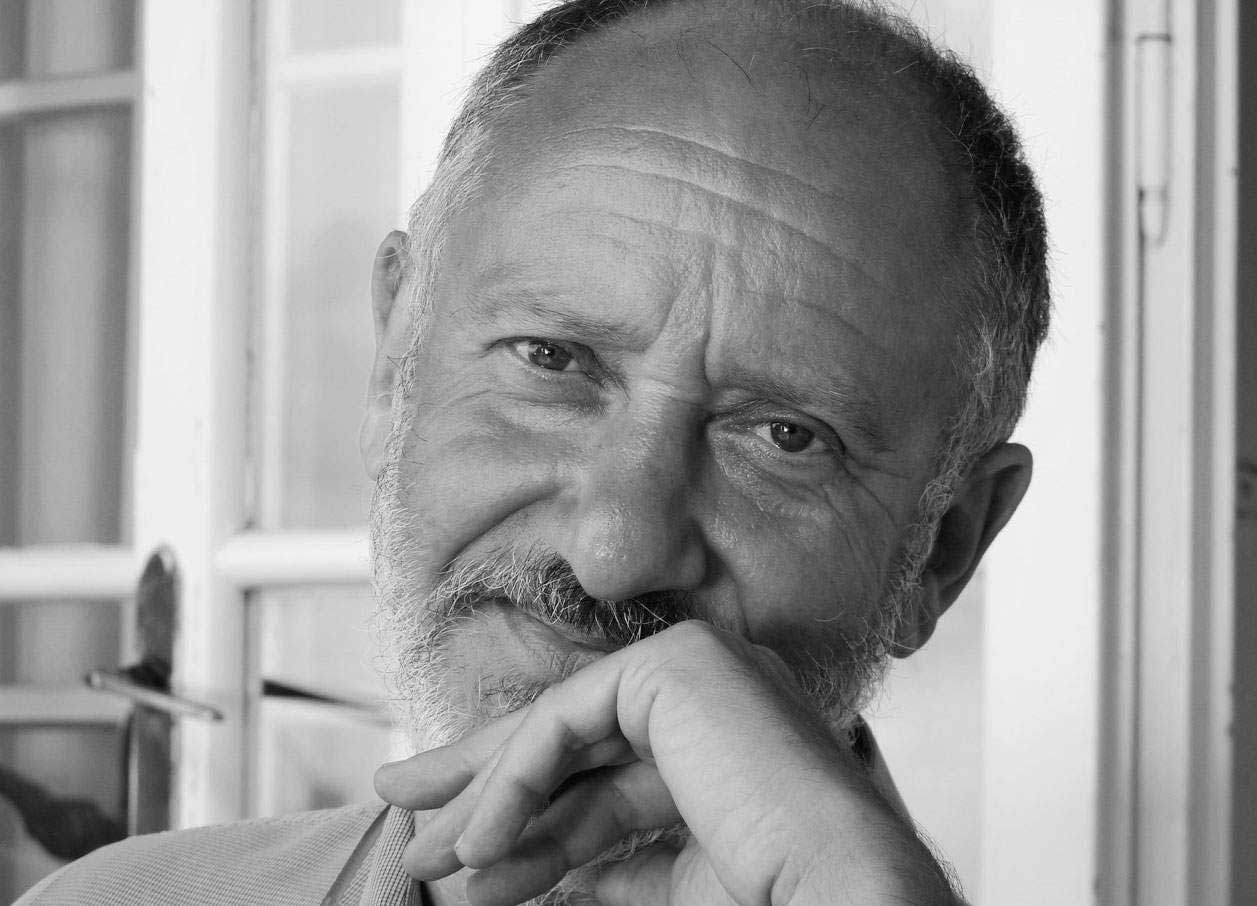
(Alessandria, 1952 - Torino, 2024) began his career in photography, before debuting as a director in 1976 with the documentary Perché droga. He published the book of photographs Ragazzi di stadio (then transformed into a documentary feature) and founded the production company I Cammelli. In 1983, he directed the feature-length fiction movie Testadura, which competed in Venice. It was followed by other films, including Manila Paloma Blanca, Vecchie, Mitraglia e il verme, Conversazione a Porto, Morire di lavoro, Lisetta Carmi - Un’anima in cammino, presented in Venice in 2010, and Sic Fiat Italia, which was presented at the 2011 Torino Film Festival, where in 2014 he also presented Il viaggio di Carlo, in 2015 Morituri and in 2016 Nome di battaglia donna. In 2018 the Festival screend Ragazzi di stadio, quarant’anni dopo, a reprise of the famous 1980's documentary.
FILMOGRAFIA
Perché droga (coregia/codirector Franco Barbaro, mm, doc., 1976), Il potere deve essere bianconero (cm, doc, 1978), Ragazzi di stadio (mm, doc., 1980), Testadura (1983), Vite di ballatoio (mm, doc., 1984), Manila Paloma Blanca (1992), Come prima, più di prima, t’amerò (mm, doc., 1995), Sto lavorando? (mm, doc., 1998), Via due macelli, Italia - Sinistra senza unità (2000), Volti - Viaggio nel futuro d’Italia (tv, doc., 2002), Vecchie (2002), Mitraglia e il verme (2004), Conversazione a Porto (doc., 2006), Morire di lavoro (doc., 2008), Lisetta Carmi - Un’anima in cammino (mm, doc., 2010), Je m’appelle Morando - Alfabeto Morandini (mm, doc., 2010), Sic Fiat Italia (doc., 2011), Il viaggio di Carlo (cm, doc., 2014), Morituri (2015), Nome di battaglia donna (doc., 2016), Ragazzi di stadio, quarant’anni dopo (doc., 2018), Tonino De Bernardi, un tempo, un incontro (doc, 2023), Bruno Segre, l’uomo che non si arrende (doc, 2024).
Declaration
film director
“This research into the world of young fans came about through something I saw written on a wall in Turin: “Il potere deve essere bianconero” (“Power must be black&white”). Since, as a photographer, I had also followed the political situations that developed after 1968, I was struck by that writing, which transported the political language of the 1968 slogan “ll potere deve essere operaio” (“Power must be the workers’”) into the language of sport. This transposition of languages piqued my curiosity to the point that, for the first time, I decided to go the stadium with a camera…”
Cast
& Credits
DIRECTOR: Daniele Segre. CINEMATOGRAPHY: Domenico Oliva. EDITING: Claudio Cutrí, Maristella Bassi Magiarotti. PRODUCTION: I Cammelli, Filmalpha.
CONTACT: I Cammelli emanuele@icammelli.com