

Country: New Zealand
Year: 2024
Duration: 100
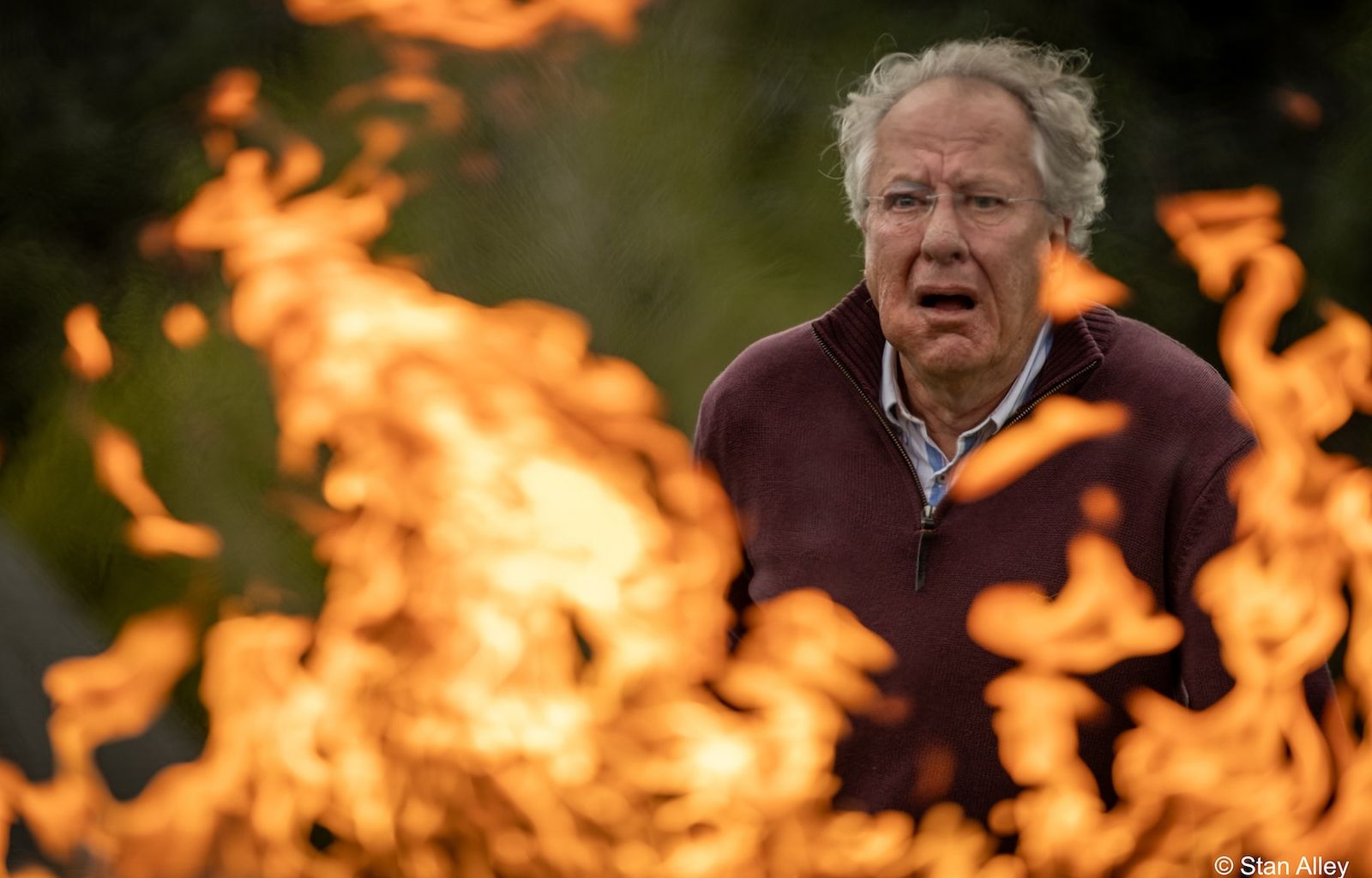
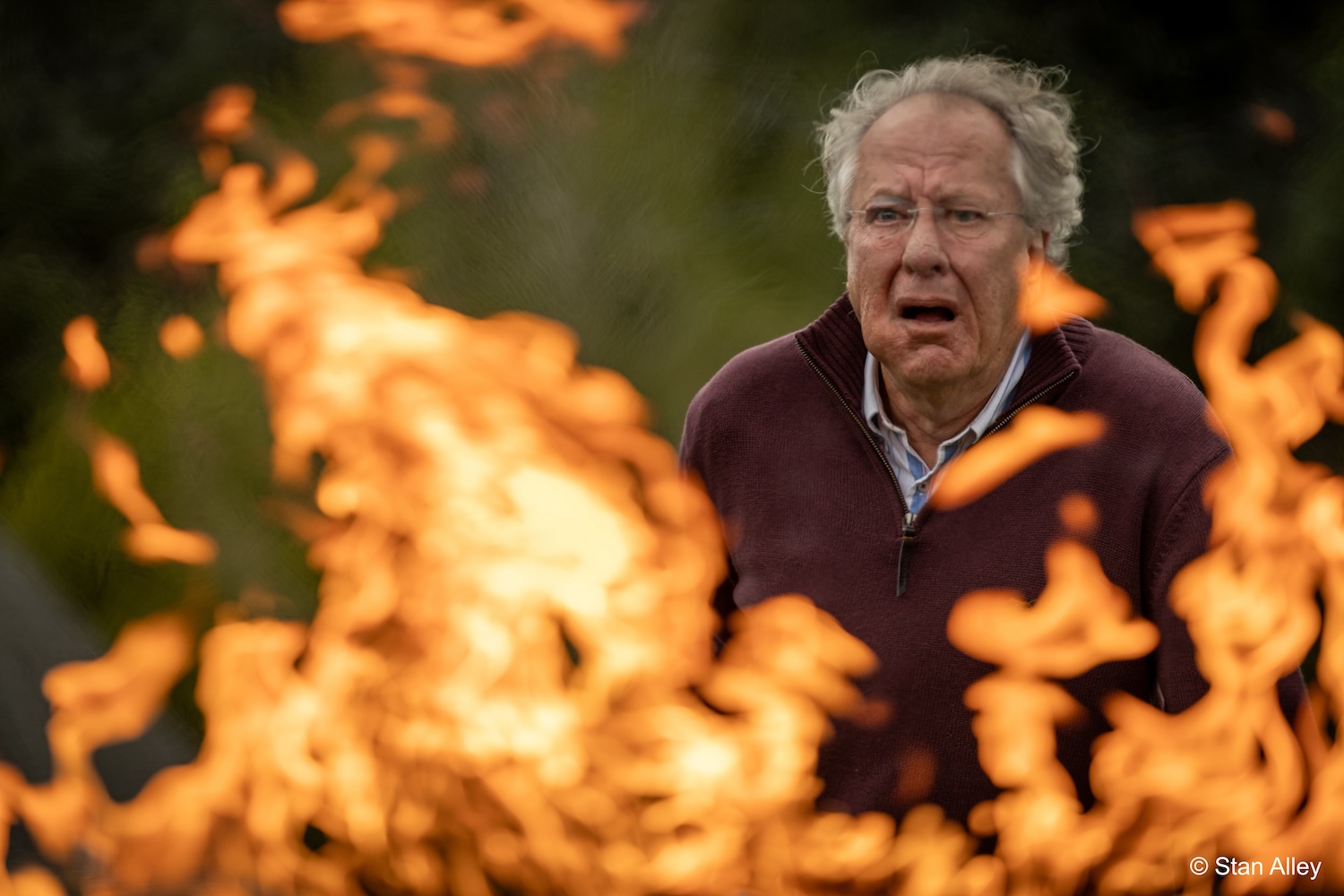
Stefan Mortensen, a misanthropic judge nearing retirement, suffers a stroke during a courtroom session and is forced to be admitted to a nursing home, where he refuses to cooperate with doctors and caregivers and mistreats his roommate, Tony Garfield. Also residing in the facility is Dave Crealy, a long-term patient who keeps the other residents in a dark realm of terror with a sadistic game of wills called "Jenny Pen’s Rule," carried out with the help of his dementia doll. When the elderly psychopath turns his attention to Mortensen and Garfield, the two residents find an unexpected bond and decide to put an end to his power.
Biography
film director
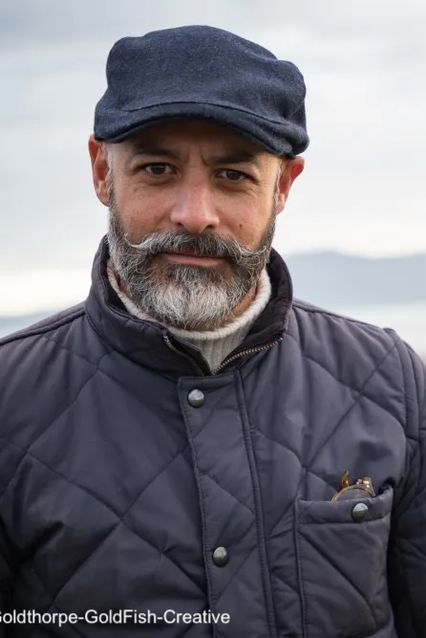
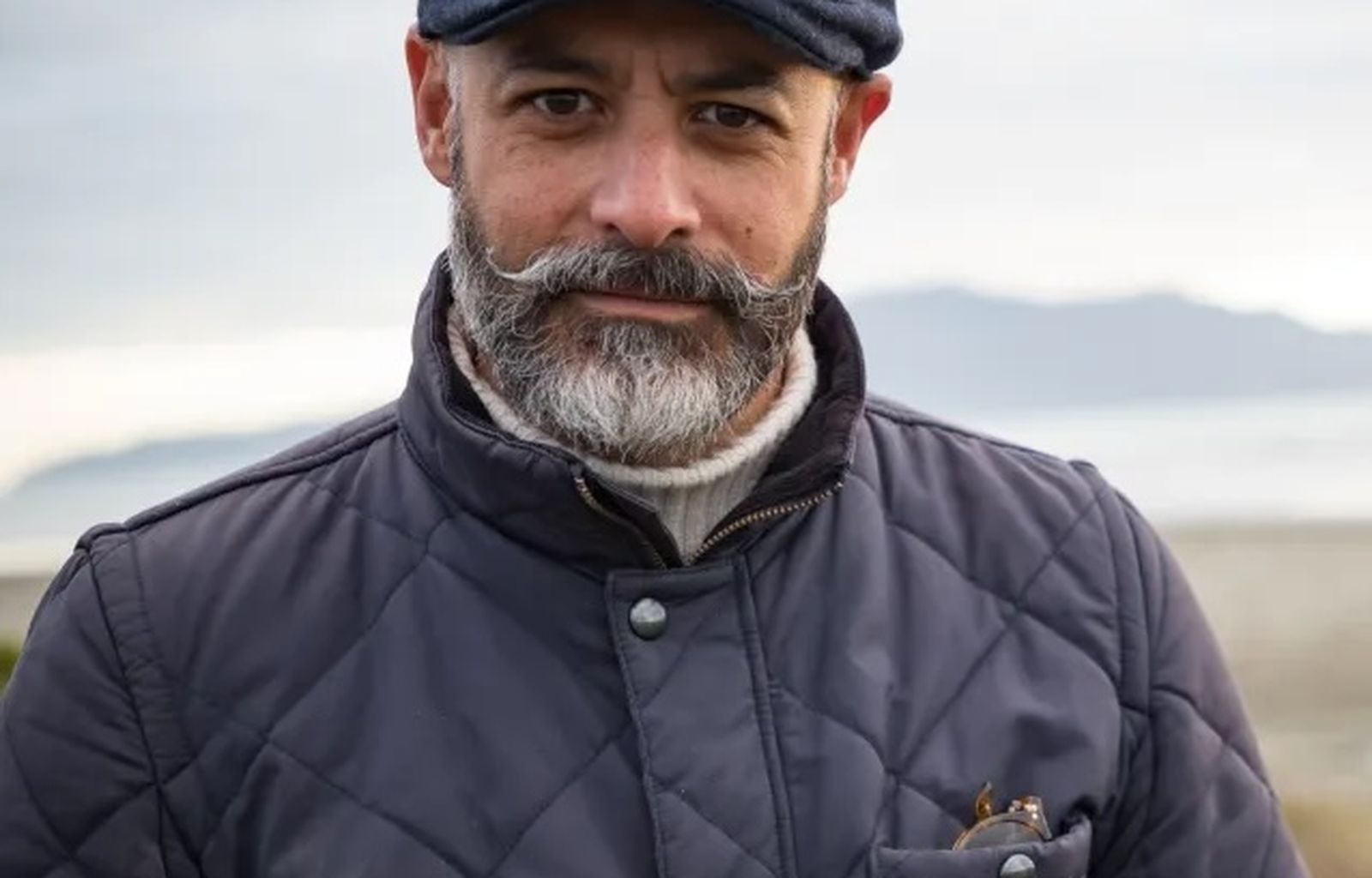
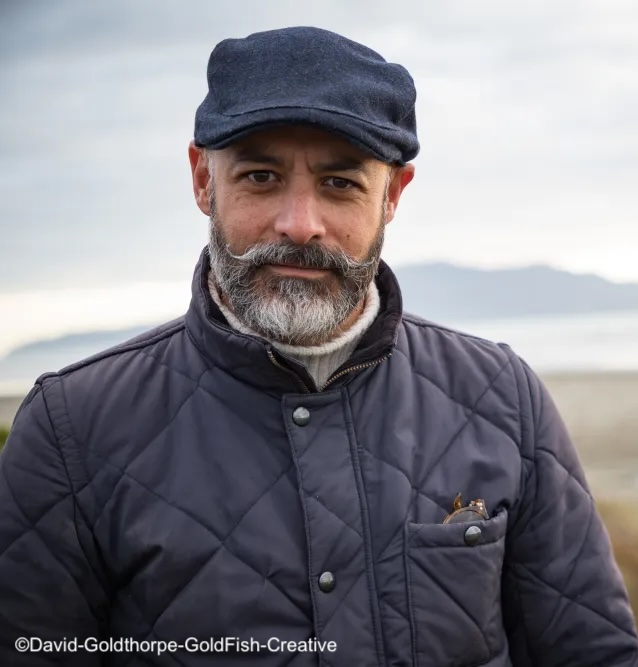
James Ashcroft
(New Zealand, 1978), tribal affiliations Ngati Kahu / Nga Puhi and English, formed Light in the Dark Productions in 2014. His feature film directing debut, Coming Home in the Dark, premiered at the Sundance Film Festival 2021. He is currently working on a slate of features in the US including Max Brook’s Devolution and Grady Hendrix’ How to Sell A Haunted House, for Legendary Studios and Sam Raimi’s Ghost House Pictures, The Whisper Man for the Russo Brother’s AGBO Productions/Netflix and an adaptation of the graphic novel Old Haunts for AWA Studios. He attended the Venice Biennale Cinema College as one of 12 teams selected worldwide. He was also one of 15 director/producers selected for the Torino Film Festivals inaugural Up & Coming Programme. From 2006-2013, he served as Artistic Director and Chief Executive of national Maori theatre company Taki Rua Productions. He is a graduate of Victoria University and Toi Whakaari: New Zealand Drama School. He has served internships with acclaimed theatre company The Wooster Group in New York.
FILMOGRAFIA
Coming Home in the Dark (2021), The Rule of Jenny Pen (2024).
Declaration
film director
“The Rule of Jenny Pen is a film about power, it’s about tyranny in a place you least expect it. Tyrants grow quickly, like weeds when given the right conditions to thrive, and their actions often occur in private, behind closed doors, tucked away in the corners away from prying eyes. They are insidious in their intent – whether in the school yard, in corporate structures, governments, or in this case, a rest home. I think the worst villains – both fictional and factual – are usually the most craven, only capable of feeling powerful when keeping others down. Often they possess little to no imagination. A coward with a dull mind can be a dangerous thing. But, it’s also a film about the choices we make in the face of oppression – whether to stand up to it or lay down before it, and how these choices are often less black and white than we would like to believe.”
Cast
& Credits
DIRECTOR: James Ashcroft. STORY: from the short story by Owen Marshall. SCREENPLAY: James Ashcroft, Eli Kent. CINEMATOGRAPHY: Matt Henley. EDITING: Gretchen Peterson. PRODUCTION DESIGN: Zahra Archer. COSTUMES: Gabrielle Stevenson. CAST: John Lithgow, Geoffrey Rush, Nathaniel Lees, Thomas Sainsbury, Maaka Pohatu, Ian Mune, Bruce Phillips, George Henare, Holly Shanahan, Yvette Parsons, Irene Wood, Hannah Lynch, Paolo Rotondo. PRODUCTION: Catherine Fitzgerald, Orlando Stewart for Light in the Dark Productions.
CONTACT: Charades sales@charades.eu