

Country: Italy
Year: 2025
Duration: 81'
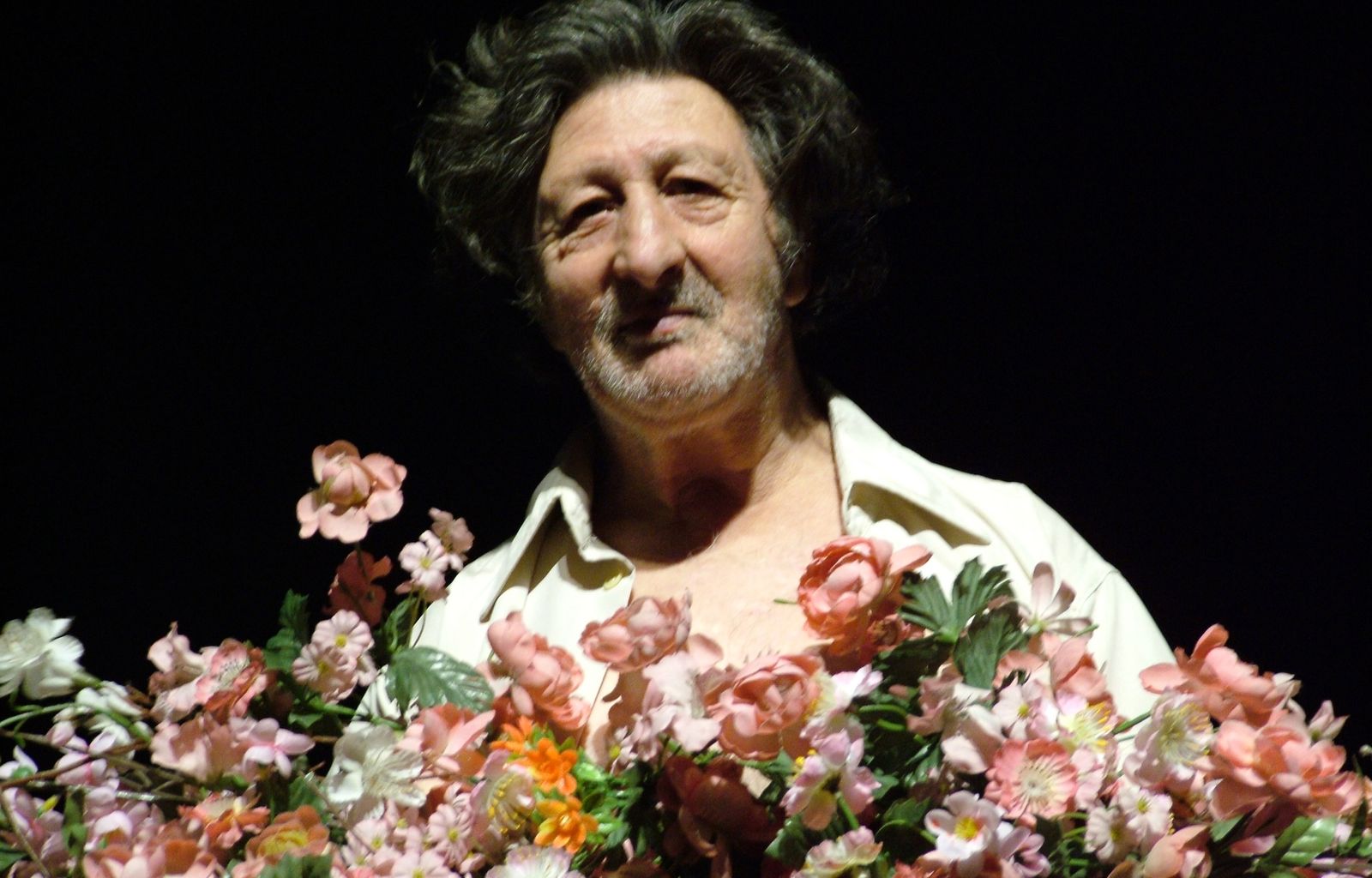
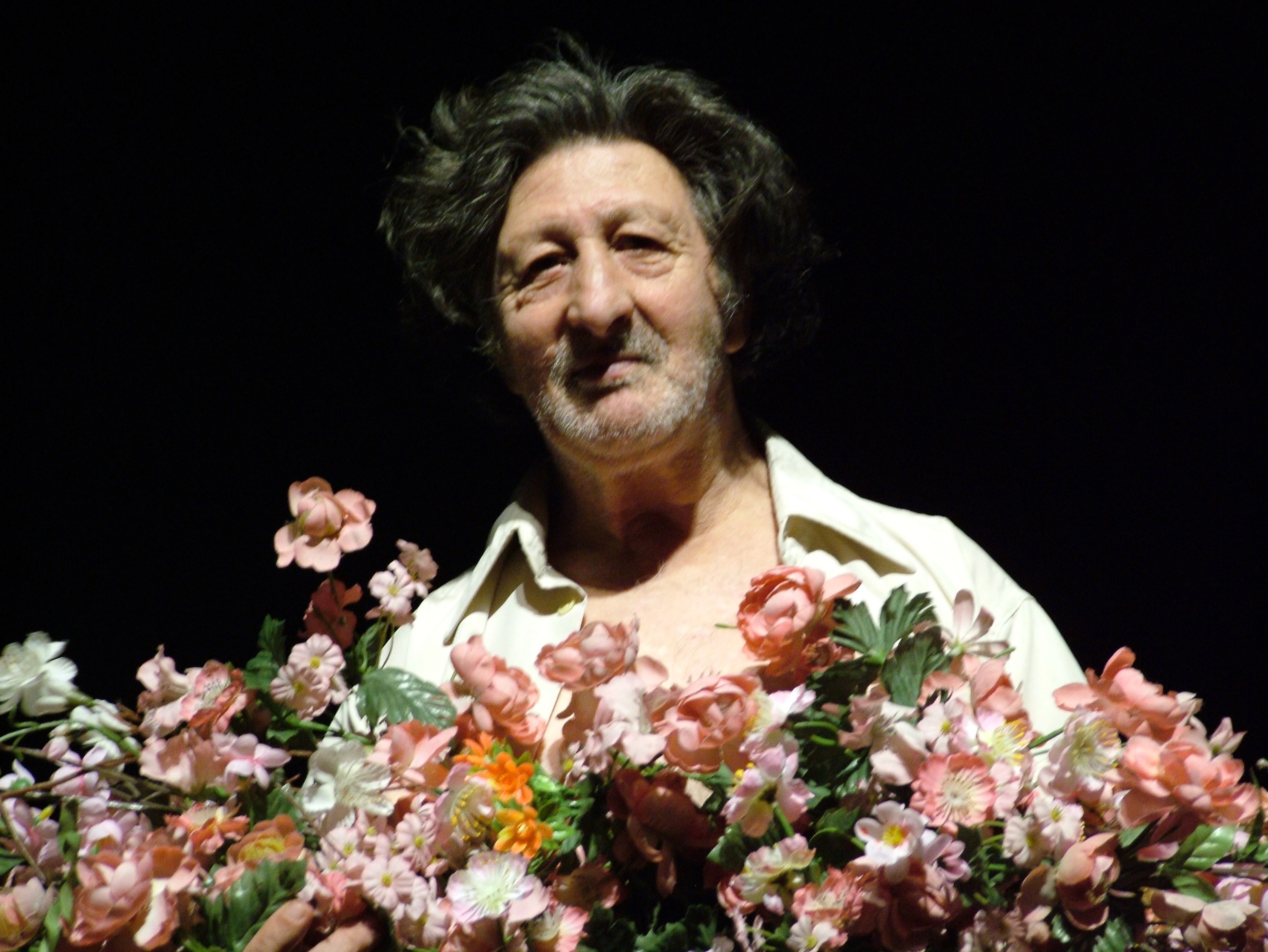
This film tells the extraordinary true story of Bobò, a deaf-mute, illiterate, and microcephalic man who spent 46 years in the Aversa asylum. His life takes an unexpected turn when he meets Pippo Delbono, who discovers him during a visit to the institution and is deeply moved. From that moment, a profound human and artistic bond develops, one that will change both their lives forever.
Biography
film director
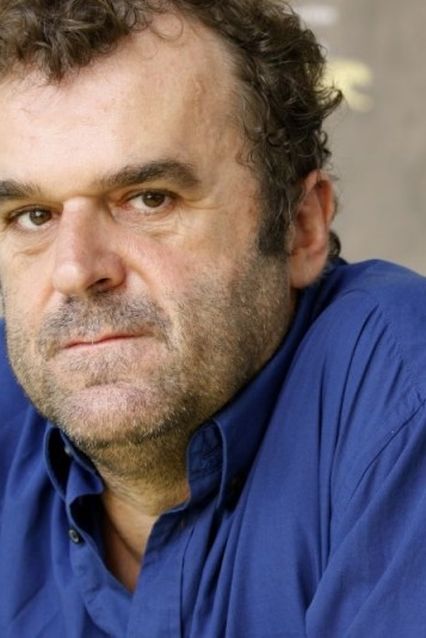
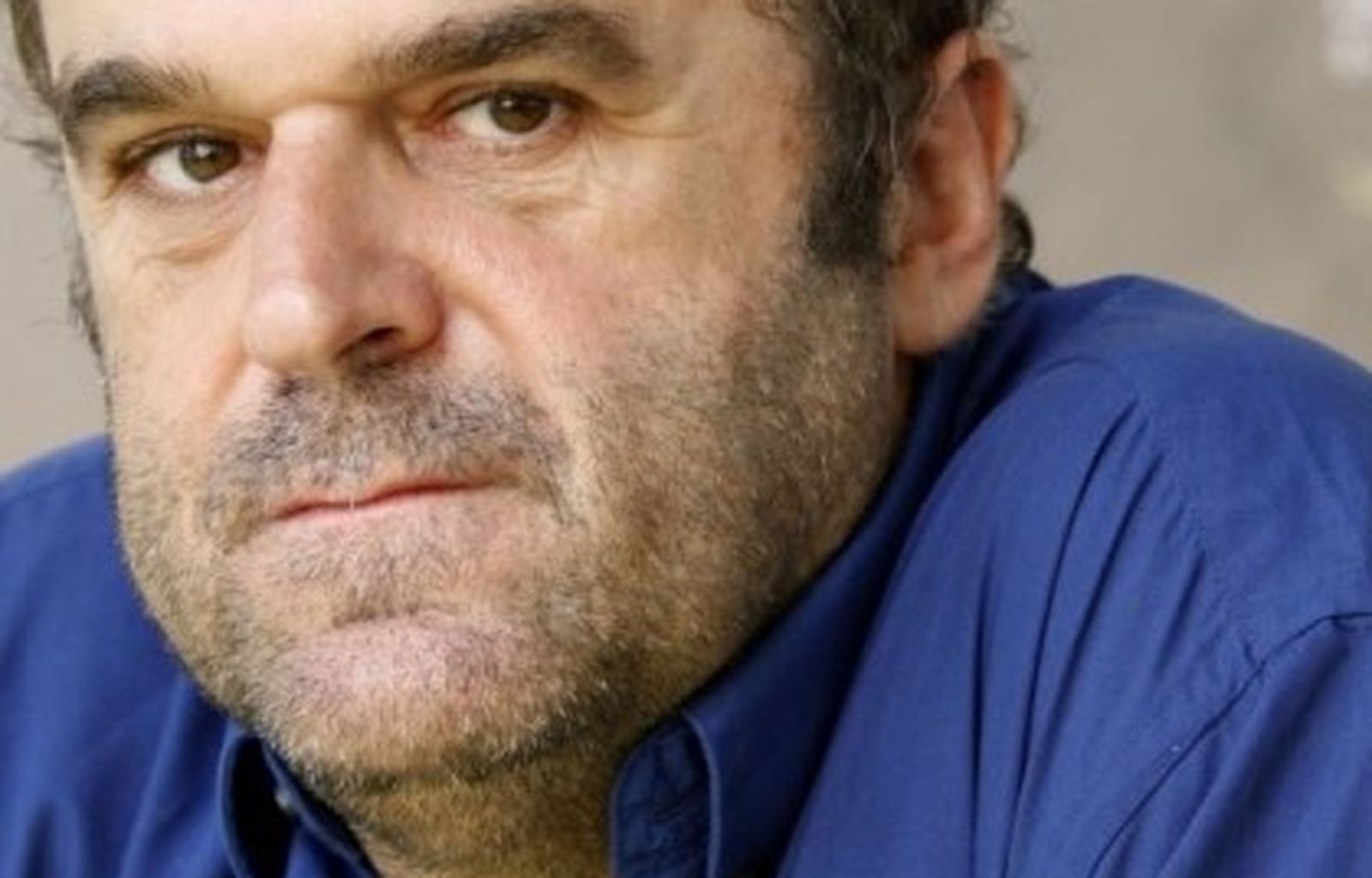
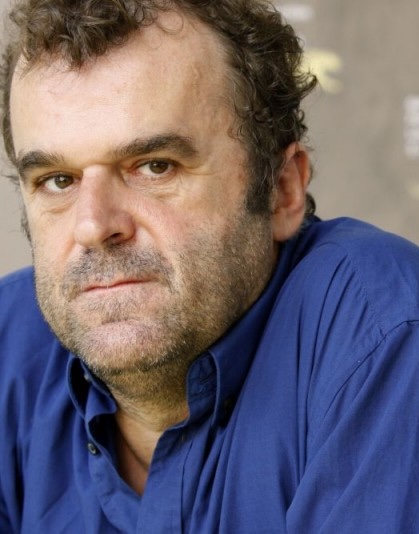
Pippo Delbono
(Varazze, Italy, 1959) began his training in traditional theater, later deepening his study of Eastern theater in Denmark, focusing on body and voice work, and in Germany with Pina Bausch. In the 1980s, he founded the Pippo Delbono Company, creating shows such as Il tempo degli assassini and La gioia. Encounters with marginalized people marked a turning point, leading to the creation of Barboni. His productions, including La rabbia, Guerra, Esodo, and Vangelo, have been presented in over fifty countries at major festivals and theaters, including the Avignon Festival and Teatro Argentina in Rome. His adaptation of Henry V is the only Italian production of a Shakespeare play presented at the Royal Shakespeare Company. As a film director, he has made Guerra (2003, David di Donatello for Best Documentary), Grido (2006), Amore carne (2013), Vangelo (2016), and Bobò (2025), presented at the Torino Film Festival. In opera, he has directed productions such as Don Giovanni and Madama Butterfly. He has received numerous awards, including the Ubu Special Prize and the Europa Prize for New Theatrical Realities. He has published several books on his theater and film experience, and in 2018 a retrospective of his cinema was presented at the Centre Pompidou in Paris.
FILMOGRAFIA
Guerra (doc, 2003), Grido (doc, 2006), Blue Sofa (doc, cm, 2009), La paura (doc, 2009), L’India che danza (doc, cm, 2009), Questo buio feroce (doc, cm, 2009), Amore carne (doc, 2011), Sangue (doc, 2013), La visite (doc, cm, 2015), Appunti sul Vietnam (doc, cm, 2016), Vangelo (doc, 2016), Bobò (doc, 2025).
Declaration
film director
“When one of Basaglia’s assistants saw Bobò—his ability to move the audience, his stage presence—he said, “Franco should have met him. He is his dream come true.” This man, who spent 46 years in one of Italy’s worst asylums, unable to express himself because he had no voice, became the star of a theater company that toured the world, sharing his experience as a remarkable artist. A man who went from being despised, pitied, misunderstood, to being admired as a great human being. I imagine a film full of life—the life that Bobò carried within him.”
Cast
& Credits
DIRECTOR, SCREENPLAY: Pippo Delbono. CINEMATOGRAPHY: Cesare Accetta. FILM EDITING: Marco Spoletini. MUSIC: Enzo Avitabile. CAST: Pippo Delbono, Bobò. PRODUCTION: Renata Di Leone, Giovanni Capalbo, Fabio Volpentesta, Marco Garavaglia, Gianluca Varriale,
Alessandro Riccardi for Fabrique Entertainment, Luce Cinecittà, Inlusion
Creative Hub, Vargo, with Rai Cinema.
CONTATTO: Cinecittà Luce sales@cinecitta.it