

Country: France
Year: 2025
Duration: 156'
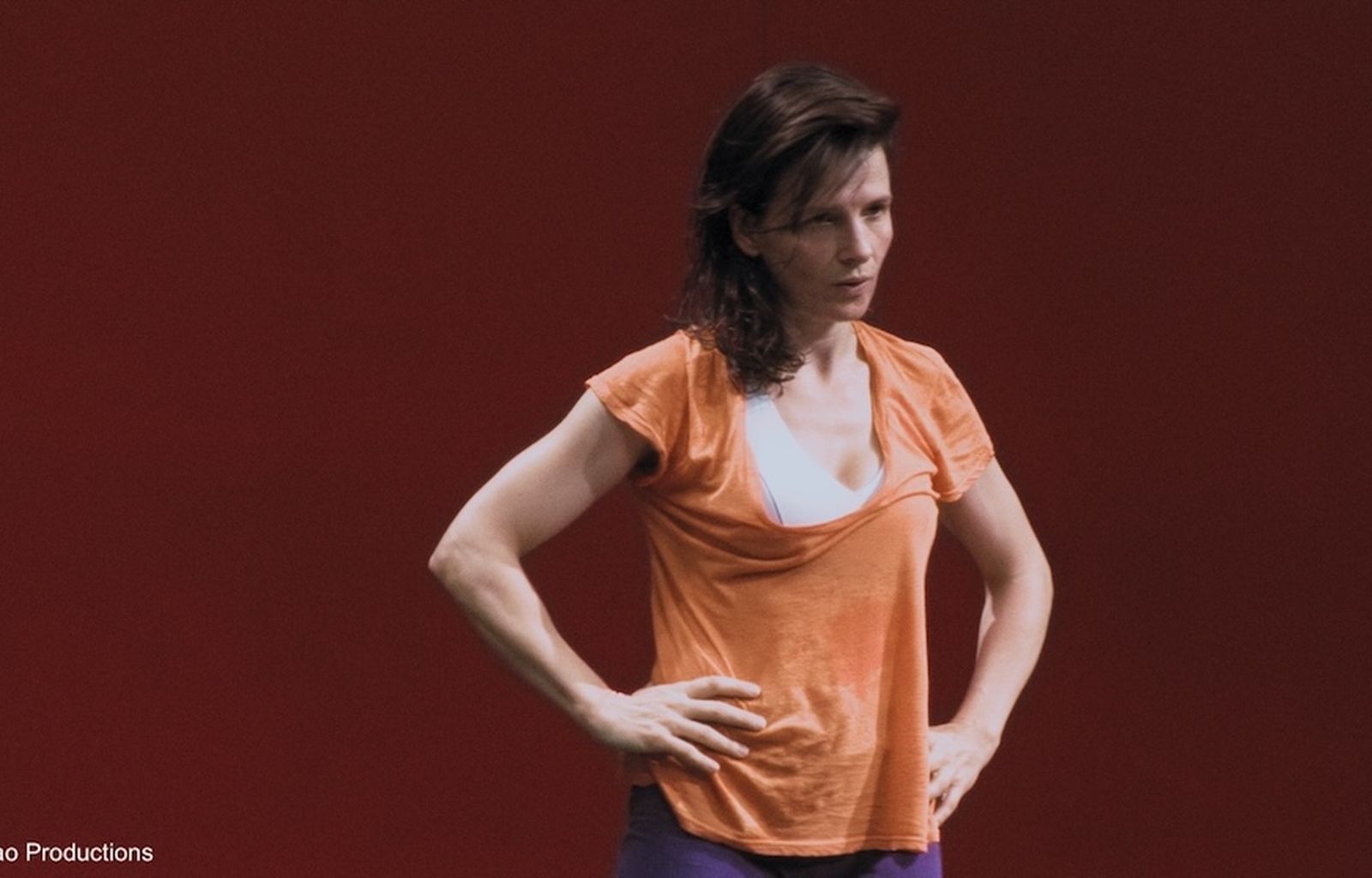
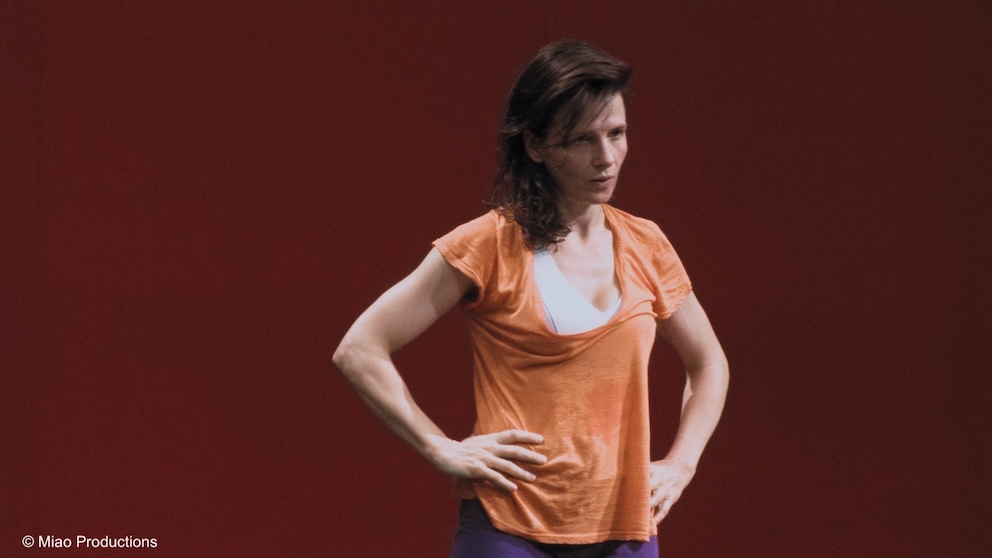
In 2007, French actress Juliette Binoche and British dancer-choreographer Akram Khan stepped away from their established careers to embark on a bold artistic experiment. Over six months, they co-created In-I, an intense, boundary-pushing performance they would go on to stage 100 times around the world. Today, Juliette Binoche returns to that intimate journey. From the first spark of inspiration to the final applause, she retraces the emotional and creative arc of a singular collaboration. Drawing on dozens of hours of previously unseen footage, she reflects, as a filmmaker, on the nature of artistic creation, the vulnerability and exhilaration of taking risks, and the personal transformation they demand.
Biography
film director
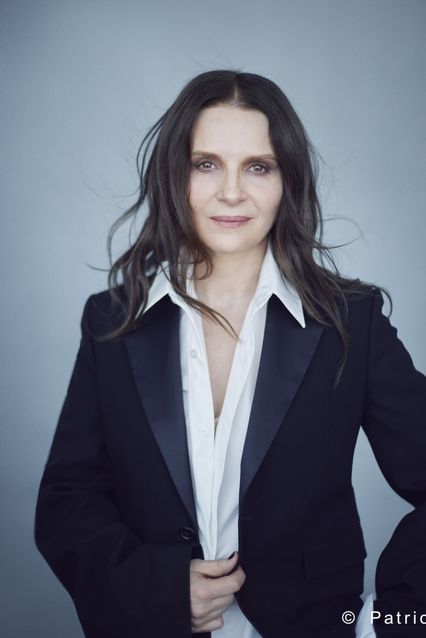
Juliette Binoche
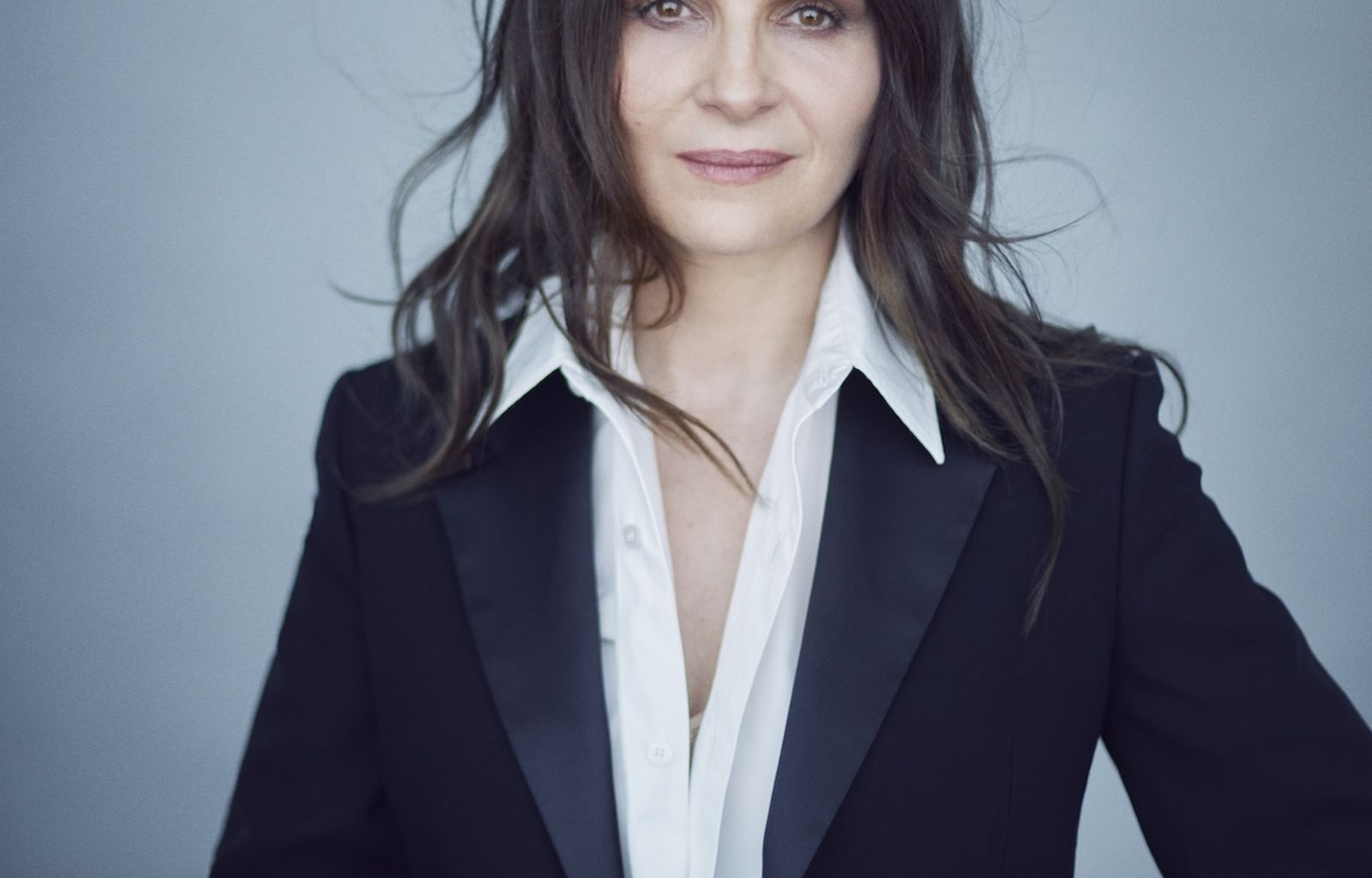
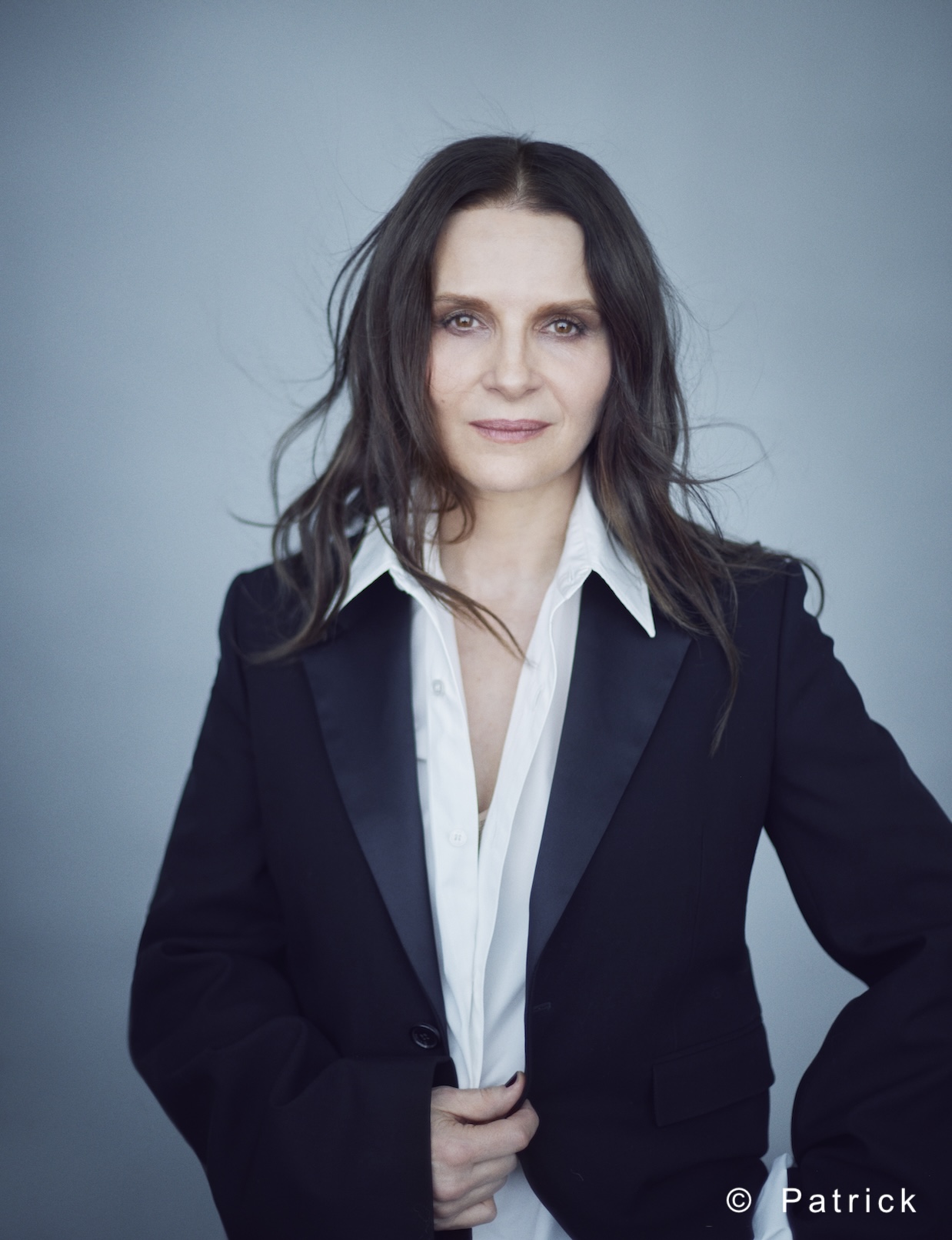
(Paris, 1964) is one of the greatest actresses in the history of French cinema. At 17, she began studying theater with Jean-Pierre Martino and Véra Gregh. She made her film debut in 1985 with André Téchiné’s Rendez-vous, which established her as a star of French cinema. Throughout her career, she has worked with renowned directors such as Jean-Luc Godard, Michael Haneke, David Cronenberg, Krzysztof Kieślowski, Leos Carax, Olivier Assayas, Claire Denis, Abbas Kiarostami, and Hirokazu Kore-eda, taking on roles ranging from drama to comedy, from auteur cinema to international blockbusters. Her most notable successes include The English Patient (1996), for which she won the Academy Award for Best Supporting Actress, Chocolat (2000), The Unbearable Lightness of Being (1988), and Three Colors: Blue (1993), which earned her the César Award for Best Actress. Beyond acting, Binoche has explored other art forms, including dance, music, and painting. In 2008, she co-created and performed in the dance production In-I with choreographer Akram Khan, and in 2025 she directed her first documentary, In-I In Motion.
FILMOGRAFIA
In-I In Motion (2025).
Declaration
film director
“The performance In-I was created through improvisation, allowing us to explore the links between acting and movement. We began with no pre-established idea or subject that particularly mattered to us. Akram knew he would not be able to choreograph in his usual way, as I wanted to discover a movement that belonged to me. Likewise, I could not perform a pre-written script to dedicate myself to the art of acting. Our artistic capacities would have to adapt to each other. If Akram took care of my body by relinquishing his own – knowing I could not match his speed, endurance, or breath – it also meant that, in terms of acting, I had to be patient with him, allowing him the time to find and reconnect with his internal bearings."
Cast
& Credits
DIRECTOR: Juliette Binoche. CINEMATOGRAPHY: Marion Stalens. FILM EDITING: Sophie Brunet, Sophie Mandonnet. MUSIC: Philip Sheppard. SOUND: Éric Tisserand. CAST: Juliette Binoche, Akram Kahn. PRODUCTION: Sébastien de Fonseca for Miao Productions.
CONTACT: CONTATTO: MK2 intlsales@mk2.com