

Country: USA
Year: 1968
Duration: 124'
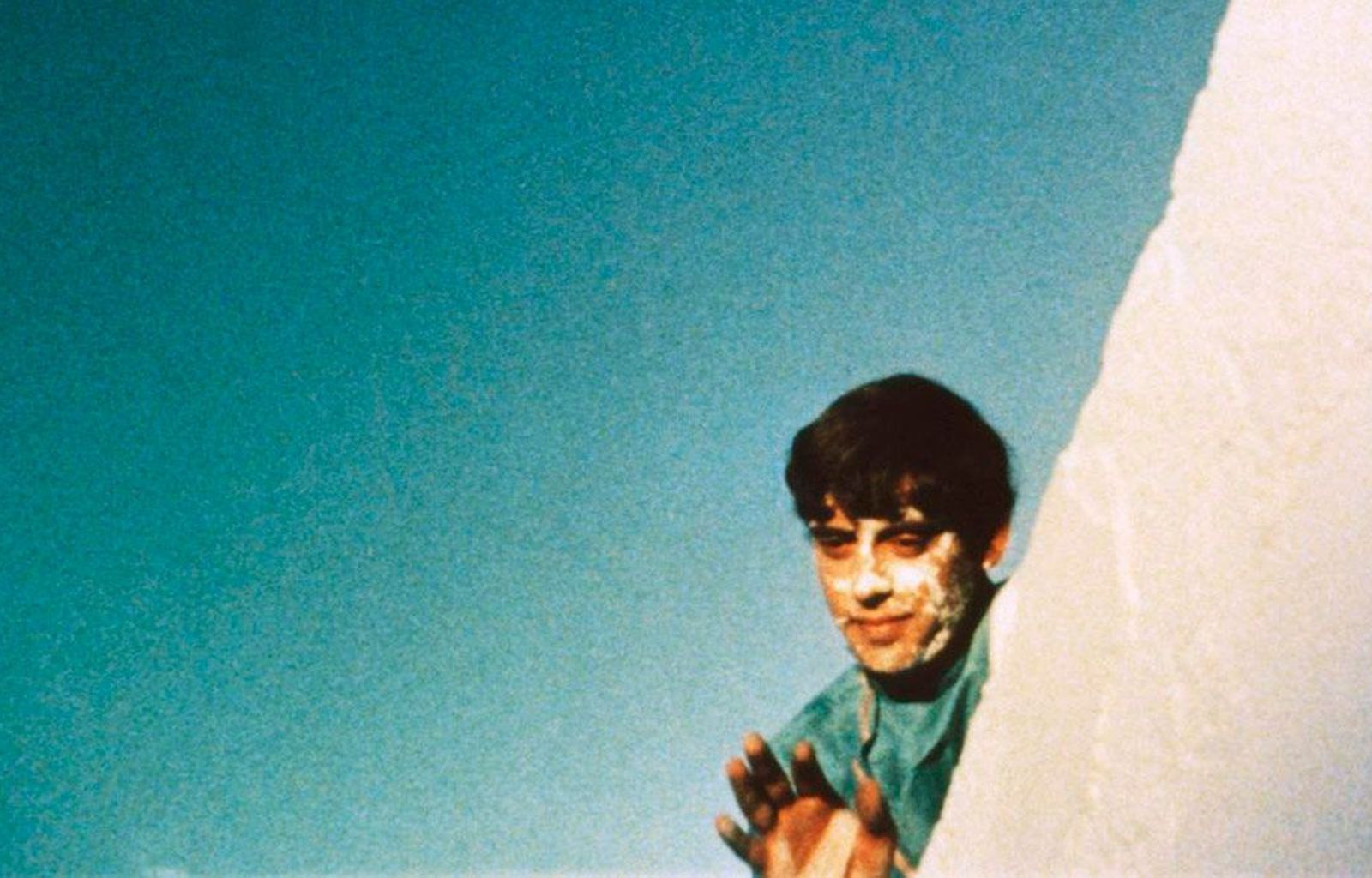
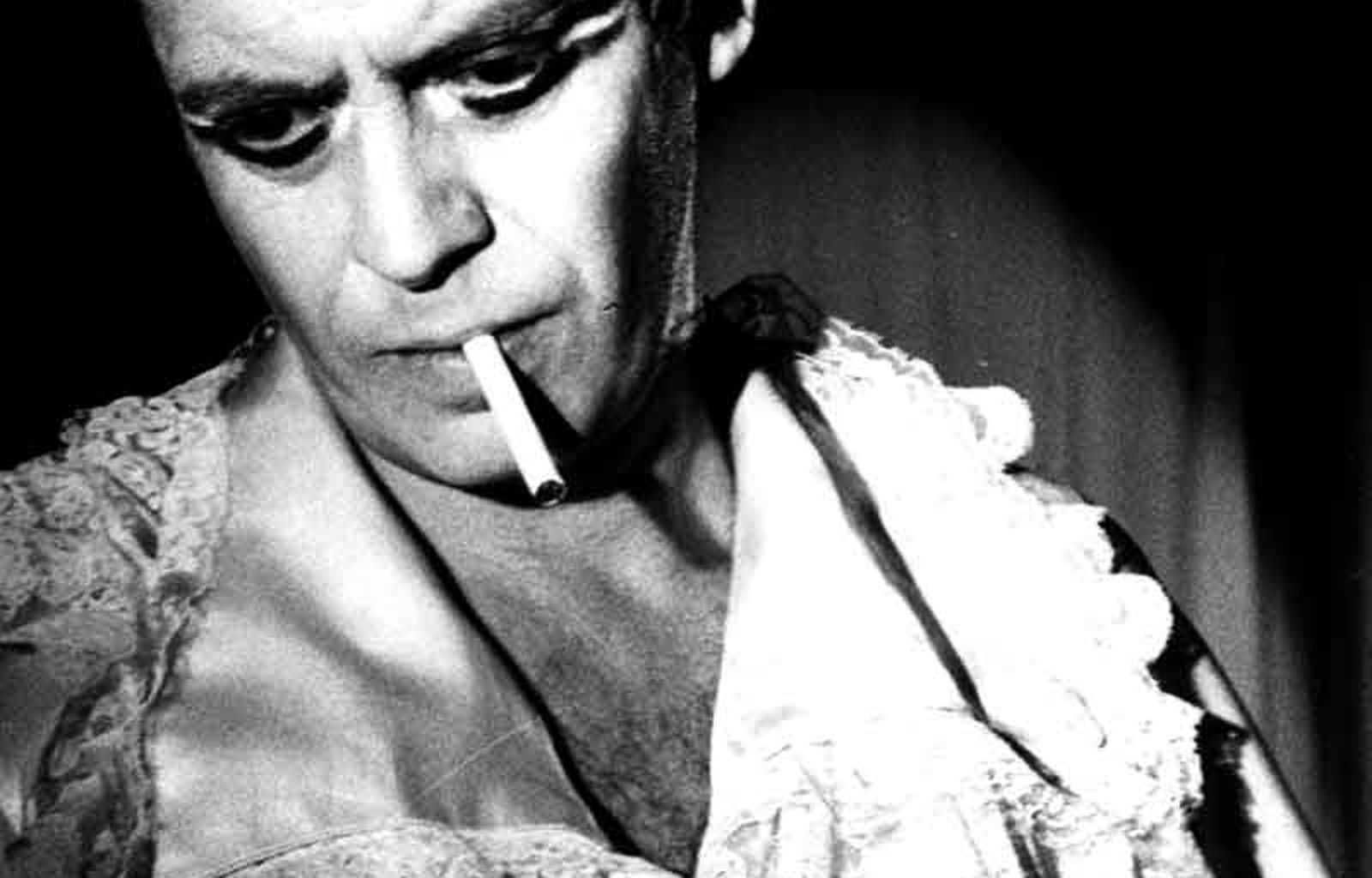
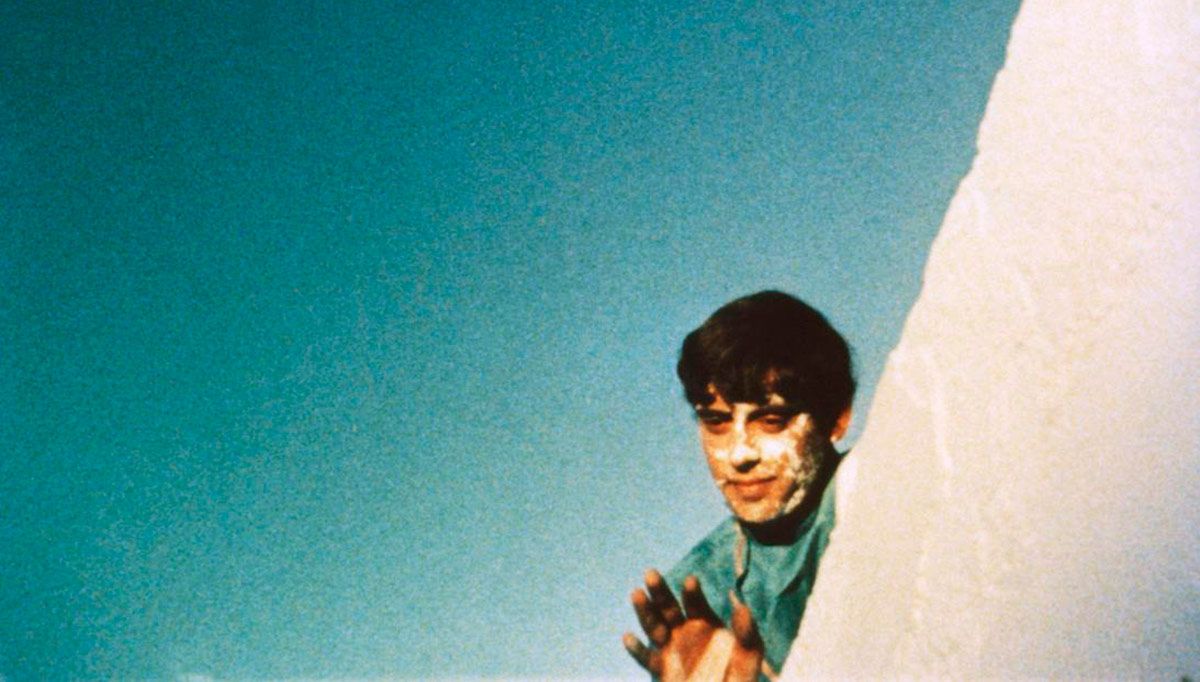
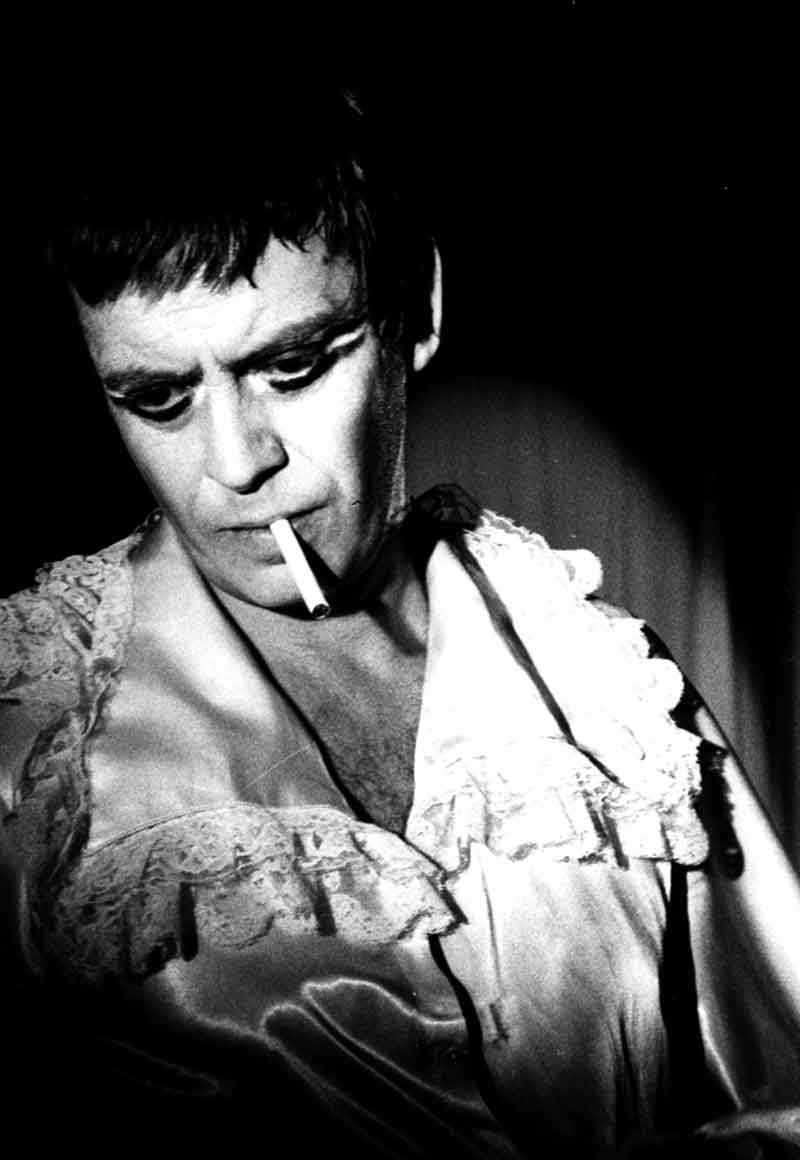
A man who thinks he is a saint decides to “become an idiot” and to do so teaches a series of death rituals: he renounces his love for the Virgin Mary, attempts suicide, bandages imaginary wounds. At the same time, the film tells the story of Palazzo Moresco, a building in the province of Otranto and the place where a Christian was martyrized by the Turks in 1481. The first film by Bene, Special Jury Prize at the 1968 Venice Film Festival, it is “death recounted by a living person,” as its author said. A movie about the eroticism of viewing, about history, autobiography, myth, half-way between the New American Cinema, Italian melodramatic tradition, and the imagery of Mediterranean Catholicism. Restored by Augustus Color for CSC - Cineteca Nazionale with Minerva Pictures and RaroVideo Channel.
Biography
film director
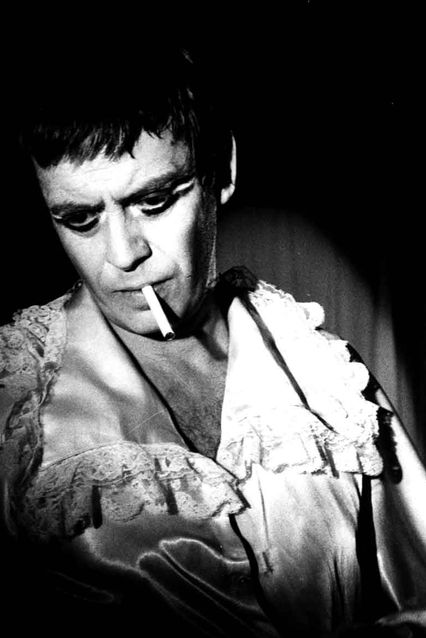
Carmelo Bene
(Campi Salentina, 1937-Rome, 2002) was primarily a man of the stage, one of the most famous and controversial actors and directors of the 20th century, in Italy and abroad. He had a difficult relationship with cinema, tied to a single season in the early 1970s, during which his experiments on the stage also found an outlet in film, thanks to works of deep research and experimentation which were often appreciated by critics (here, too, not only in Italy, as witnessed by the work conducted by Gilles Deleuze) but less so by the public, which was shocked by his narrative and formal provocations. His most famous movie is still his debut film, Nostra Signora dei Turchi, as excessive as its author, brilliant, torrential, baroque and wild, as were his following films, made between 1970 and 1973, in which Bene continued to try out new filming techniques and use of sound, in an overlapping of speech and music, performance and representation, letting images, bodies, surfaces, and various art forms (theatre, cinema, sculpture, poetry, literature) dialogue together.
FILMOGRAFIA
Nostra Signora dei Turchi (1968), Capricci (1969), Don Giovanni (1970), Salomè (1972), Un Amleto di meno (1973).
Cast
& Credits
DIRECTOR, STORY, SCREENPLAY, PRODUCTION DESIGN, COSTUME DESIGN, PRODUCTION: Carmelo Bene. CINEMATOGRAPHY: Mario Masini. FILM EDITING: Mauro Contini. CAST: Carmelo Bene, Lydia Mancinelli, Salvatore Siniscalchi, Anita Masini, Ornella Ferrari, Vincenzo Musso.
CONTACT: CSC - Cineteca Nazionale diffusioneculturale@fondazionecsc.it