

Country: USA
Year: 1966
Duration: 128'
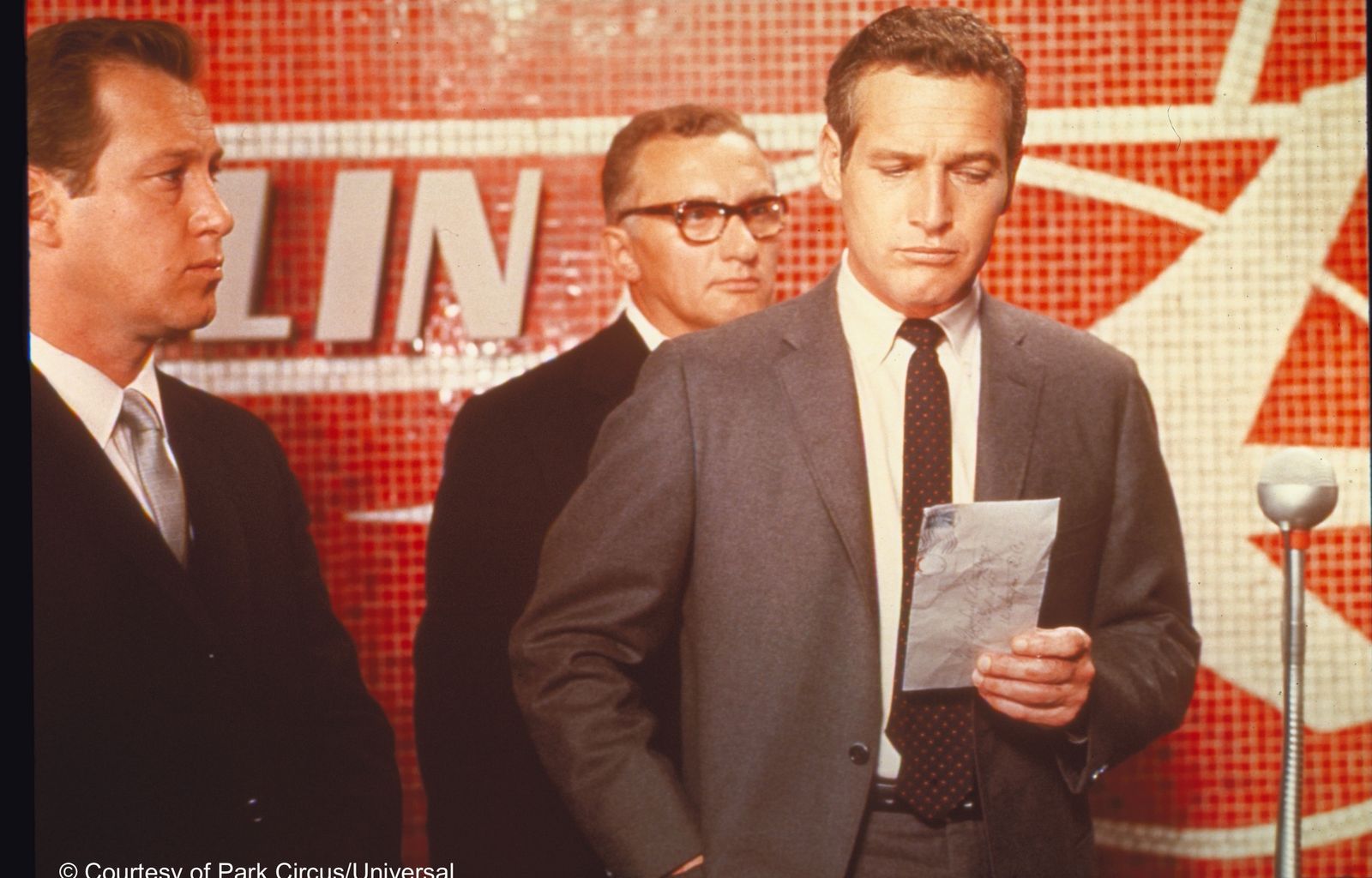
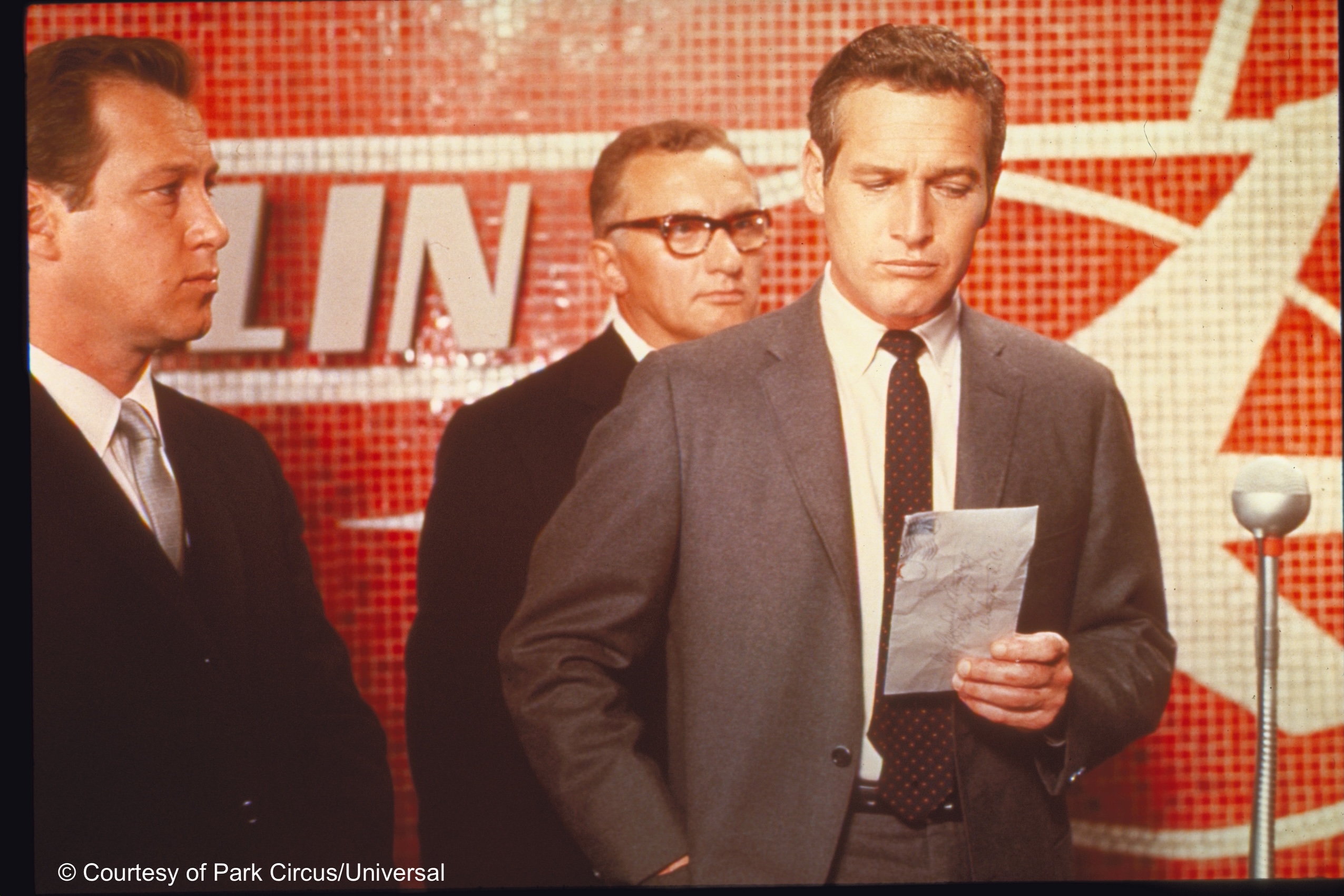
The American nuclear scientist Michael Armsrong publicly shifts his allegiance to the Communists and goes to East Germany with his assistant and fiancée, Sarah. Actually, the plan is to obtain information from a professor in charge of the country’s nuclear project, but after they accomplish their mission the two are unmasked. Hitchcock’s spy thriller shot in the middle of the Cold War, at the time the director didn’t like it much (in particular, he did not appreciate Newman’s “method,” despite recognizing his talent), today it is remembered, above all, for an incredible murder sequence, one of the most gory and shocking Hitch ever shot.
Biography
film director
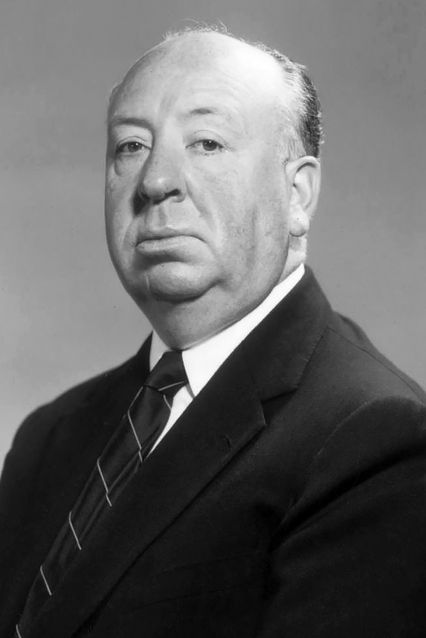
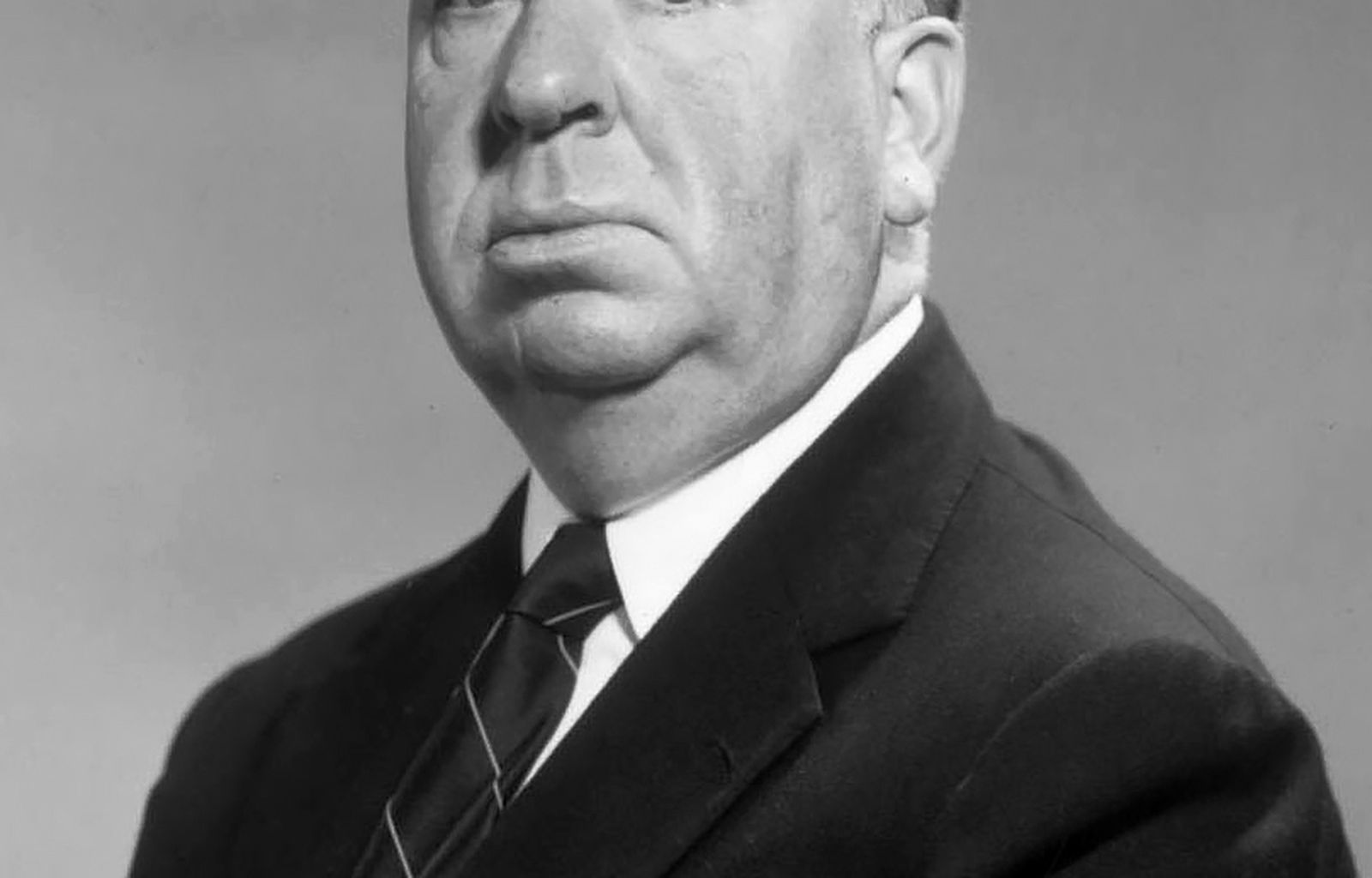
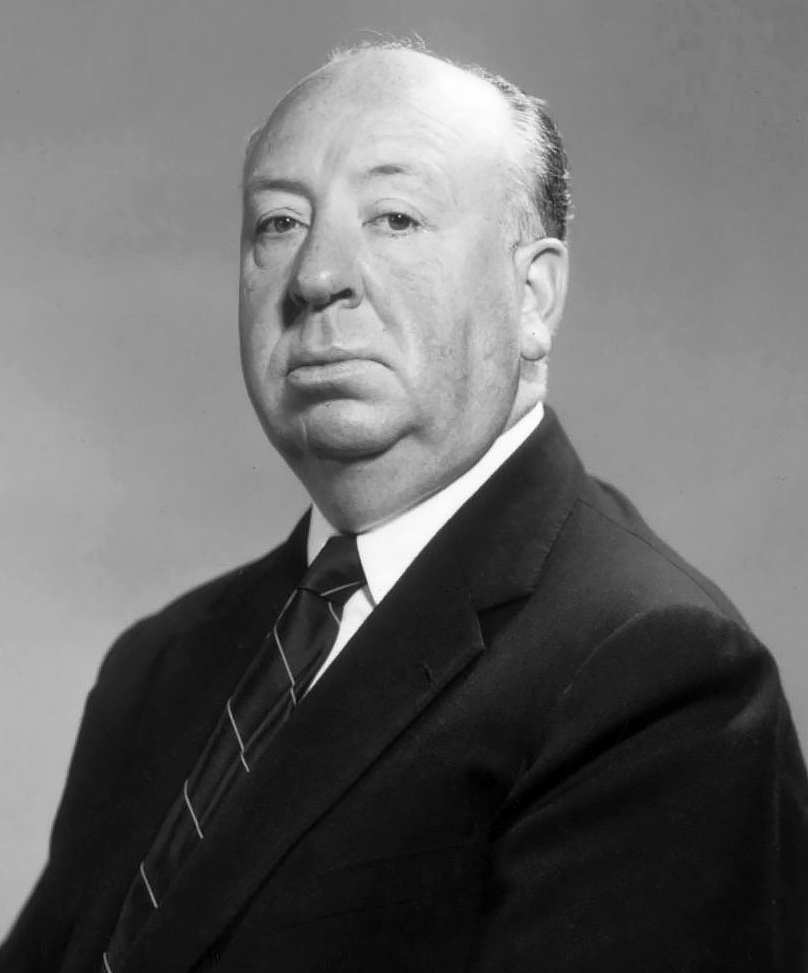
Alfred Hitchcock
(London, UK, 1899 – Los Angeles, USA, 1980) is one of the most famous and beloved directors in the history of cinema, considered the master of suspense and a true genius in creating mystery stories that revolve around the topics of suspicion, guilt, desire, doubles, and madness. English, he debuted in the early 1920s, becoming famous at home and emigrating to Hollywood in the ‘30s, where he shot some of the most famous and best movies ever. He worked with actresses such as Ingrid Bergman, Grace Kelly, Joan Fontaine, Janet Leith, Alida Valli, Vera Miles, Kim Novak, Shirley McLaine, and Tippi Hedren, and with actors such as Clark Gable, James Stewart, Peter Lorre, Joseph Cotten, Henry Fonda, and Paul Newman. He won an honorary Oscar (the Irving G. Thalberg Memorial Award) in 1968. The book-interview by François Truffaut, Il cinema secondo Hitchcock (in English, Hitchcock/Truffaut, 1966), is one of the best and most important books about cinema ever published.
FILMOGRAFIA
The Pleasure Garden (Il labirinto delle passioni, 1925), The Lodger: A Story of the London Fog (Il pensionante, 1927), The Ring (Vinci per me!, 1927), Downhill (Il declino, 1927), The Farmer’s Wife (La moglie del fattore, 1928), Easy Virtue (Virtù facile, 1928), Champagne (Tabarin di lusso, 1928), The Manxman (L’isola del peccato, 1929), Blackmail (Ricatto, 1929), Juno and the Paycock (Giunone e il pavone, 1930), Murder! (Omicidio!, 1930), The Skin Game (Fiamma d’amore, 1931), Rich and Strange (Ricco e strano, 1931), Number Seventeen (Numero diciassette, 1932), Waltzes from Vienna (Vienna di Strauss, 1934), The Man Who Knew Too Much (L’uomo che sapeva troppo, 1934), The 39 Steps (Il club dei 39, 1935), Secret Agent (Amore e mistero, 1936), Sabotage (Sabotaggio, 1936), Young and Innocent (Giovane e innocente, 1937), The Lady Vanishes (La signora scompare, 1938), Jamaica Inn (La taverna della Giamaica, 1939), Rebecca (Rebecca - La prima moglie, 1940), Foreign Correspondent (Il prigioniero di Amsterdam, 1940), Mr. & Mrs. Smith (Il signore e la signora Smith, 1941), Suspicion (Il sospetto, 1941), Saboteur (Sabotatori, 1942), Shadow of a Doubt (L’ombra del dubbio, 1943), Lifeboat (Prigionieri dell’oceano, 1944), Spellbound (Io ti salverò, 1945), Notorious (Notorious - L’amante perduta, 1946), The Paradine Case (Il caso Paradine, 1947), Rope (Nodo alla gola, 1948), Under Capricorn (Il peccato di Lady Considine, 1949), Stage Fright (Paura in palcoscenico, 1950), Strangers on a Train (L’altro uomo, 1951), I Confess (Io confesso, 1953), Dial M for Murder (Il delitto perfetto, 1954), Rear Window (La finestra sul cortile, 1954), To Catch a Thief (Caccia al ladro, 1955), The Trouble with Harry (La congiura degli innocenti, 1955), The Man Who Knew Too Much (L’uomo che sapeva troppo, 1956) – remake del film omonimo del 1934, The Wrong Man (Il ladro, 1956), Vertigo (La donna che visse due volte, 1958), North by Northwest (Intrigo internazionale, 1959), Psycho (Psyco, 1960), The Birds (Gli uccelli, 1963), Marnie (1964), Torn Curtain (Il sipario strappato, 1966), Topaz (1969), Frenzy (1972), Family Plot (Complotto di famiglia, 1976).
Cast
& Credits
DIRECTOR: Alfred Hitchcock. SCREENPLAY: Brian Moore. CINEMATOGRAPHY: John F. Warren. EDITING: Bud Hoffman. PRODUCTION DESIGN: Frank Arrigo, Hein Heckroth. COSTUME DESIGN: Edith Head. MUSIC: John Addison. CAST: Paul Newman, Julie Andrews, Lila Kedrova, Hansjörg Felmy, Tamara Tumanova, Wolfgang Kieling, Ludwig Donath, Günter Strack, Gisela Fischer, Mort Mills, Carolyn Conwell, David Opatoshu, Arthur Gould-Porter, Peter Lorre jr., Gloria Gorvin, Norbert Schiller, Robert Boon. PRODUCTION: Universal Pictures.
CONTACT: Park Circus www.parkcircus.com