

Country: France
Year: 1966
Duration: 102'
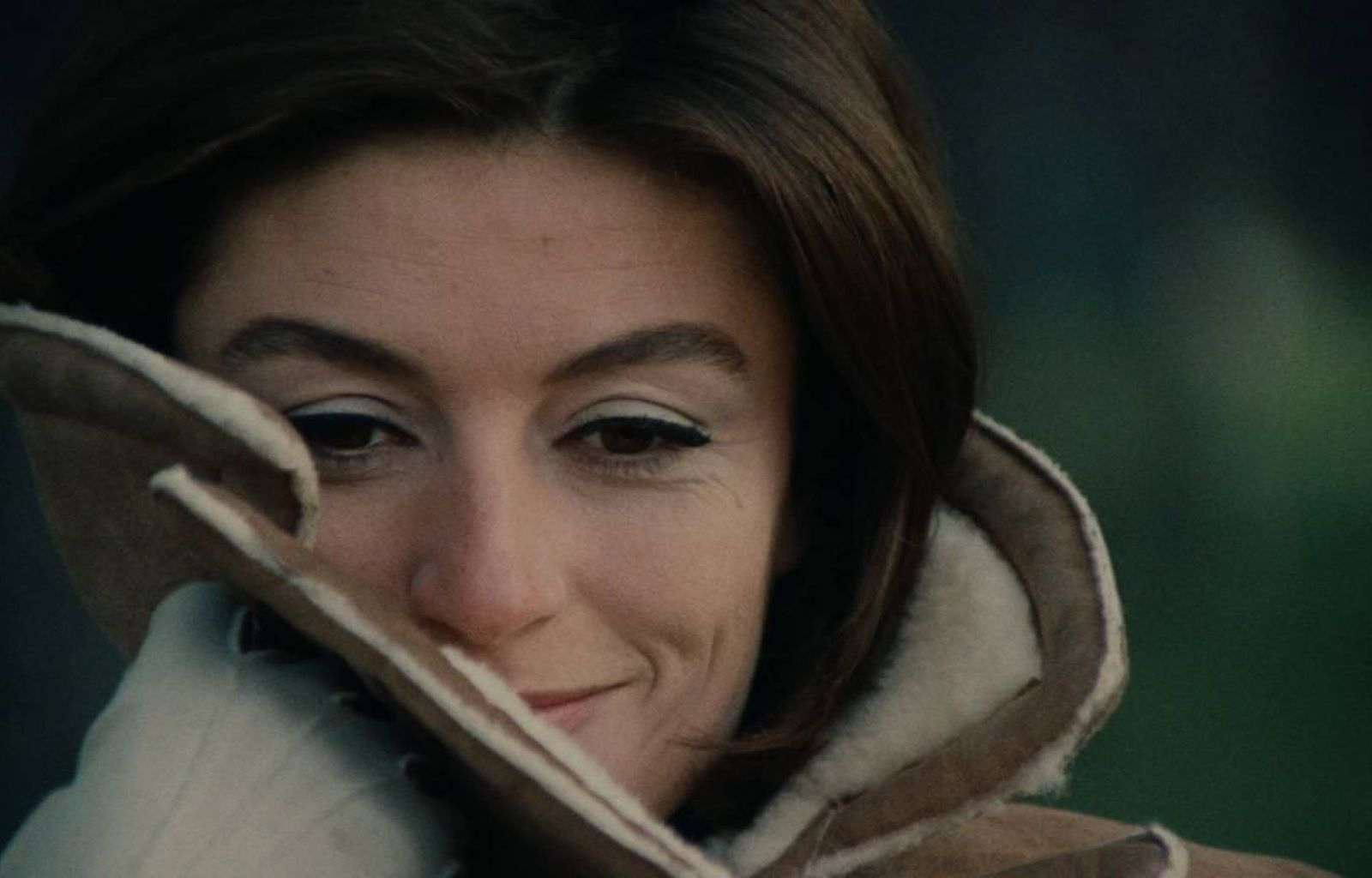
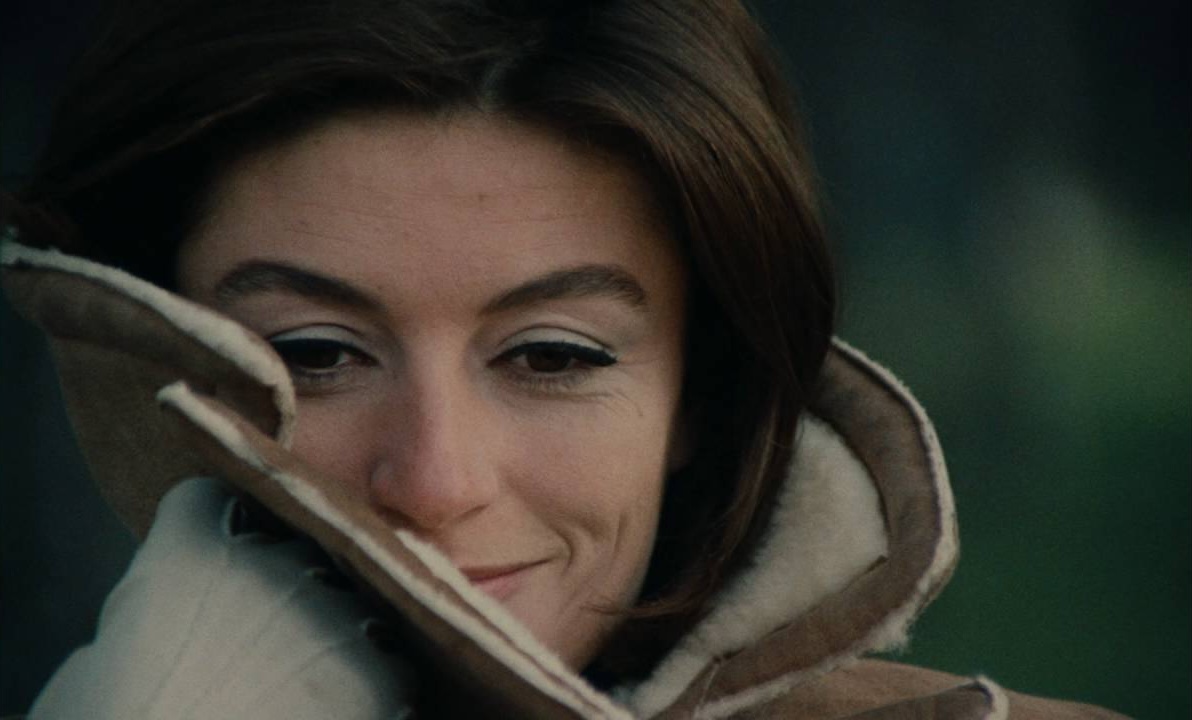
He and she meet on Sunday at Deauville, where they both have children at a boarding school. Together, they return to Paris and the next Sunday they set off once again. They are both widowed and have many things in common. He is a pilot and after each race he crosses France to reach her. They love each other but she is paralyzed by the obsessive memory of her late husband. Can they ever remain together? To the tune of the unforgettable musical theme by Francis Lai, the most famous love story of the 1960s and perhaps of French cinema as a whole. At the time, it was an extraordinary box office success (besides the Palme d’Or at Cannes and two Oscars for Best Original Screenplay and Best Foreign Language Film), Lelouch was recognized as one of the newest and most interesting voices in French cinema, and the two marvelous, previously-unknown performers, Anouk Aimée and Jean-Louis Trintignant, rose to stardom.
Biography
film director
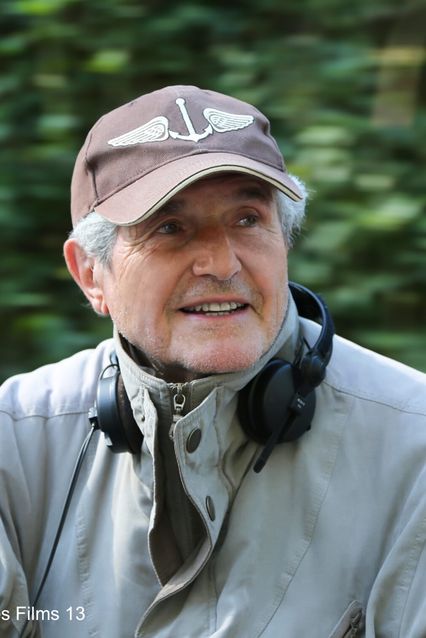
Claude Lelouch
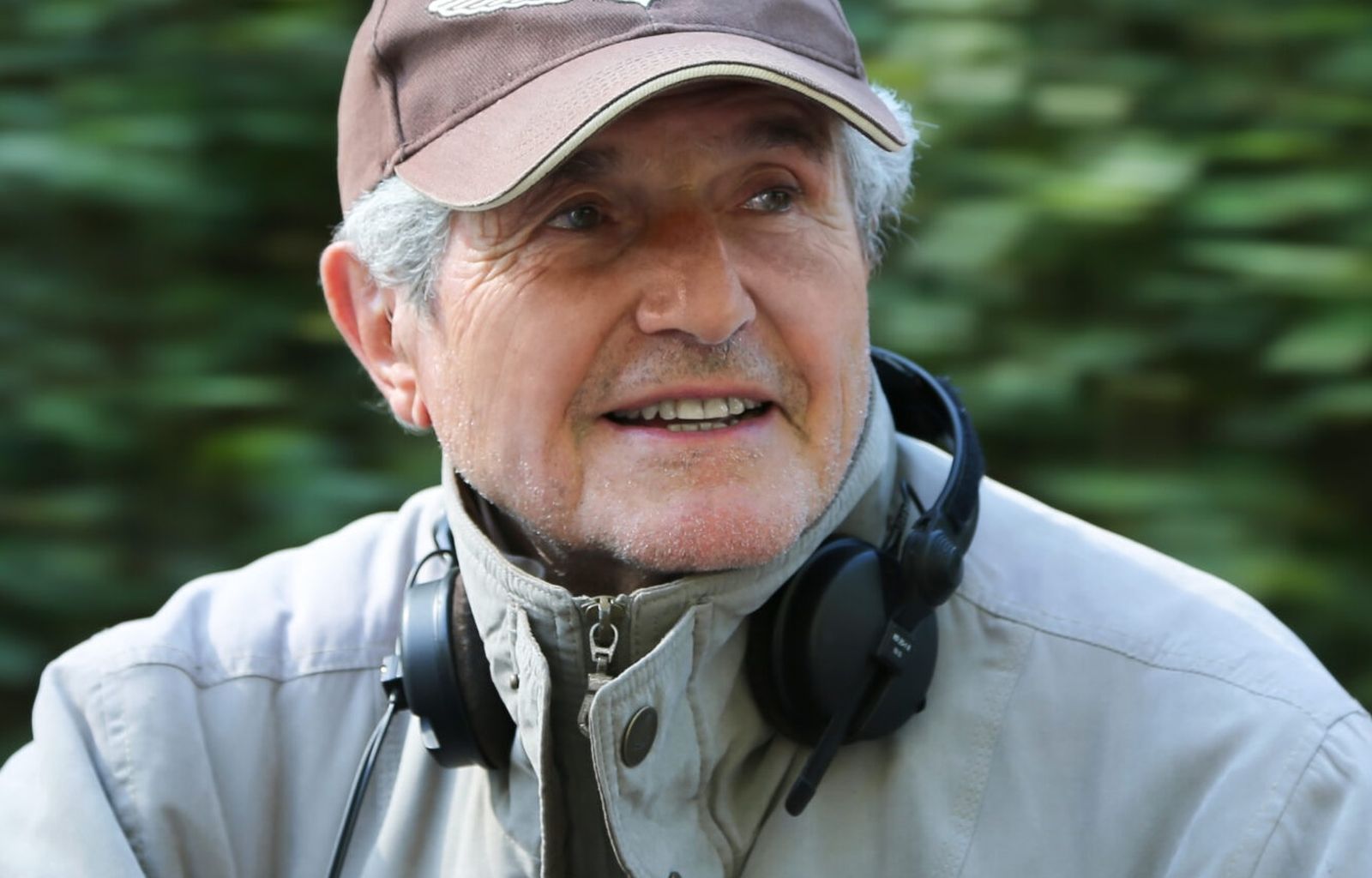
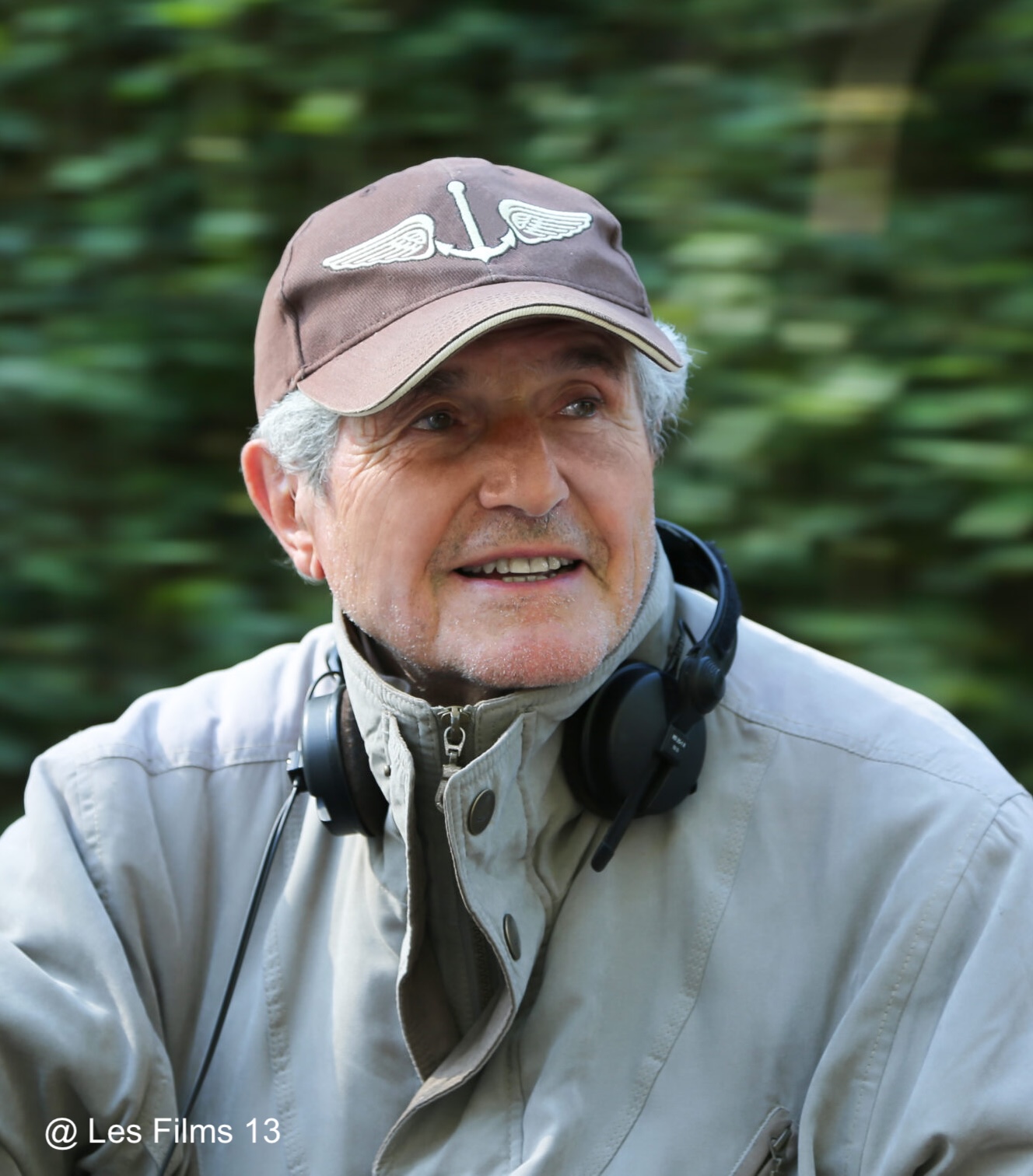
(Paris, 1937), one of France’s most famous directors from the 1960s on, has always maintained a relatively detached role from the film industry, having the creative and production freedom of an unusual, eccentric, and very prolific filmmaker. Attracted more by the commingling of genres (melodrama, comedy, comical, noir, adventure, and even western, science fiction, musical, war, spy…) than by control over the form and a search for true thematic coherency, through his films he has reflected on the relationship between chance and destiny, the relations between man and woman, and the need to recount stories as a way to manage the chaos of reality. Over the course of a career that is still ongoing (his most recent film, Finalement, was presented in 2024 at the Venice Film Festival), he found success with his momentous A Man and a Woman (Palme d’Or at Cannes and the Oscar for Best Foreign Language Film); he has worked in France, Italy and the United States, and also won a Golden Globe (for Les Misérables). His country has named him Commandeur de l’ordre des Arts et des Lettres, Officier de la Légion d’honneur, and Commandeur de l’ordre national du Mérite.
FILMOGRAFIA
USA en vrac (cm, 1957), Une ville pas comme les autres (cm, 1957), Quand le rideau se lève (mm, doc, 1957), La Guerre du silence (La guerra del silenzio, cm, 1959), I meccanici dell’aviazione (cm, 1959), S.O.S. Elicottero (cm, 1959), Le Propre de l’homme (Ciò che è proprio dell’uomo, 1960), L’amour avec des si... (L’amore senza ma..., 1962), Une fille et des fusils (Una ragazza e quattro mitra, 1964), La Femme spectacle (La donna è uno spettacolo 1964), Les Grands Moments (Operazione Golden Car, 1966), Un homme et une femme (Un uomo, una donna, 1966), Loin du Vietnam (Lontano dal Vietnam, aa.vv, 1967), 13 jours en France (coregia François Reichenbach, doc, 1968), Vivre pour vivre (Vivere per vivere, 1967), Un homme qui me plaît (Un tipo che mi piace, 1969), La vie, l’amour, la mort (La vita, l’amore, la morte, 1969), Le Voyou (La canaglia, 1970), Smic, smac, smoc (Tre dritti a St. Tropez, 1971), L’aventure, c’est l’aventure (L’avventura è l’avventura, 1972), Visions of Eight (Ciò che l’occhio non vede, aa.vv, doc, 1973), La Bonne année (Una donna e una canaglia, 1973), Mariage (Il matrimonio, 1974), Toute une vie (Tutta una vita, 1974), Le Chat et la Souris (Il gatto, il topo, la paura e l’amore, 1975), C’etait un rendez vous (Un appuntamento, cm, 1976), Le Bon et les méchants (La fabbrica degli eroi, 1976), Si c’était à refaire (Chissà se lo farei ancora, 1976), Un autre homme, une autre chance (Un altro uomo, un’altra donna, 1977), Robert et Robert (Agenzia matrimoniale A, 1978), À nous deux (A noi due, 1979), Les Uns et les autres (Bolero, 1981), Édith et Marcel (1983), Viva la vie! (Viva la vita, 1984), Partir, revenir (Tornare per rivivere, 1985), Un Homme et une femme vingt ans déjà (Un uomo, una donna oggi, 1986), Attention bandits! (Una storia dei nostri giorni, 1986), Itinéraire d’un enfant gâté (Una vita non basta, 1988), Il y a des jours... et des lunes (Ci sono dei giorni... e delle lune, 1990), La belle histoire (id., 1991), Tout ça... pour ça! (L’amante del tuo amante è la mia amante, 1993), Les Misérables (I miserabili, 1995), Lumière et compagnie (aa.vv, 1995), Hommes femmes: mode d’emploi (Uomini & donne - Istruzioni per l’uso, 1996), Hasards ou coincidences (Per caso o per azzardo, 1998), Une pour toutes (Una per tutte, 1999), And Now... Ladies & Gentlemen (id., 2002), 11’09"01 - September 11 (11 settembre 2001, aa.vv, 2002), Le Genre humain, première partie: Les Parisiens (2004), Le Courage d’aimer (2005), Chacun son cinéma ou Ce petit coup au cœur quand la lumière s’éteint et que le film commence (Chacun son cinéma - A ciascuno il suo cinema, aa.vv., 2007), Roman de gare (2007), Ces amours-là (2010), D’un film à l’autre (2011), Salaud, on t’aime (Parliamo delle mie donne, 2014), Un + une (Uno più una, 2015), Chacun sa vie (2017), Les Plus belles années d’une vie (I migliori anni della nostra vita, 2019), La Vertu des impondérables (2019), Le Grand rendez-vous (cm, 2020), L’amour c’est mieux que la vie (2021), Finalement (Finalement - Storia di una tromba che si innamora di un pianoforte, 2024).
Cast
& Credits
DIRECTOR, CINEMATOGRAPHY: Claude Lelouch. SCREENPLAY: Pierre Uytterhoeven. FILM EDITING: Claude Barrois. PRODUCTION DESIGN: Robert Luchaire. COSTUME DESIGN: Richard Marvil. MUSIC: Francis Lai. CAST: Anouk Aimée, Jean-Louis Trintignant, Pierre Barouh, Valérie Lagrange, Antoine Sire, Souad Amidou. PRODUCTION: Les Films 13.
CONTACT: Tamasa Distribution contact@tamasadistribution.com