

Country: Italy
Year: 2024
Duration: 125'
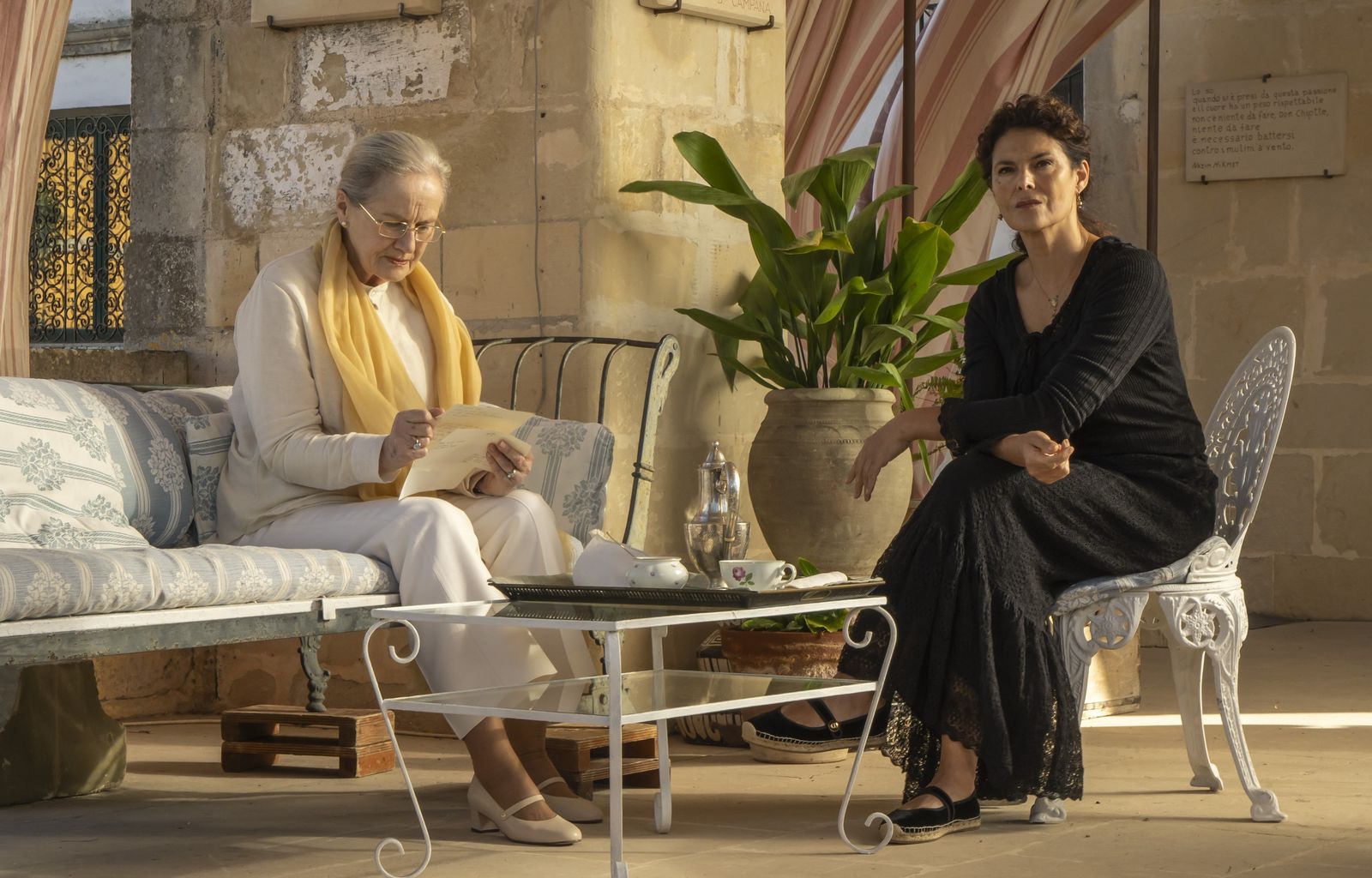
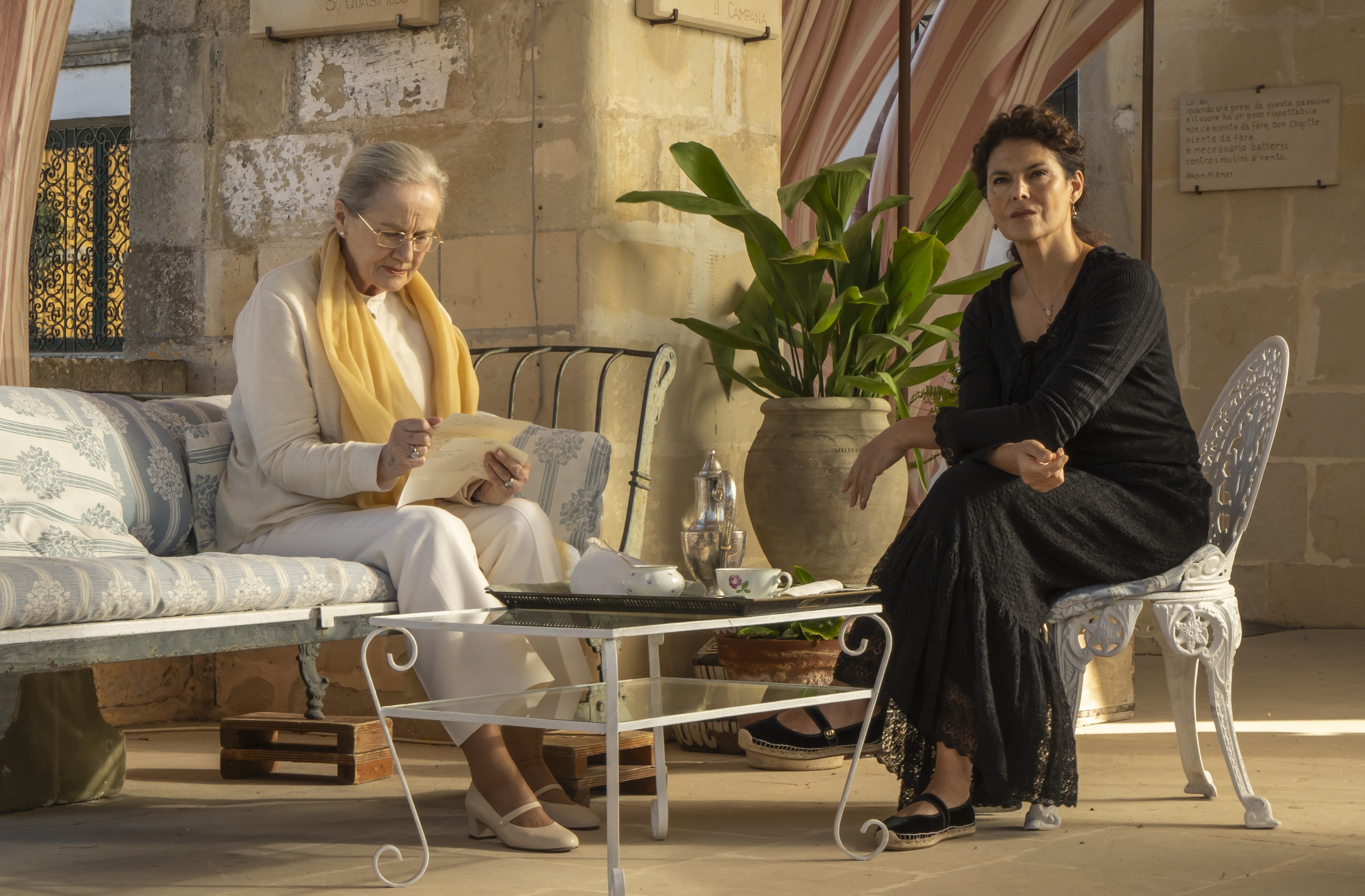
Didi’s life spans an entire century of European history. Born into one of Hungary’s most noble families, as a child she witnesses first the Nazi invasion and later the rise of communism. Forced into exile in France, she works as a seamstress at Maison Dior before marrying an Italian nobleman and settling in Salento, where she will spend the rest of her days. The film portrays her in old age – ill, yet still proud – compelled to seek help from Vita, a young woman from Puglia. Between the two grows a bond of respect and understanding that transcends social and cultural divides. Didi faces the hardships of a declining aristocracy, while Vita wavers between fascination with nobility and loyalty to her family’s class ideals. A journey to Hungary for her father’s beatification trial brings Didi face to face with the wounds of her past: war, the Shoah, and the survivor’s guilt that lingers. Her return to her homeland becomes a reckoning with memory and with herself. Through Vita’s friendship and care, Didi ultimately finds a new sense of balance – and a fragile, rediscovered serenity.
Biography
film director
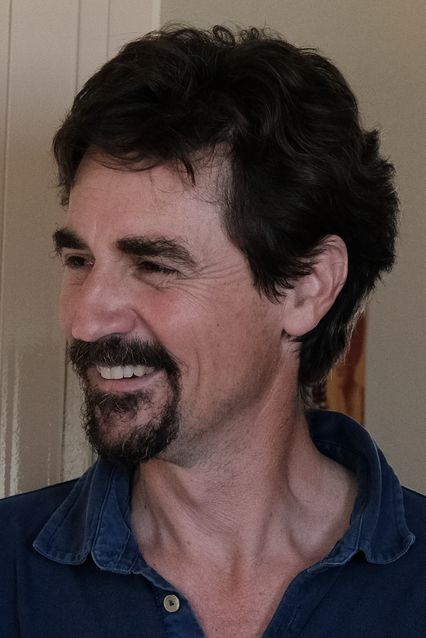
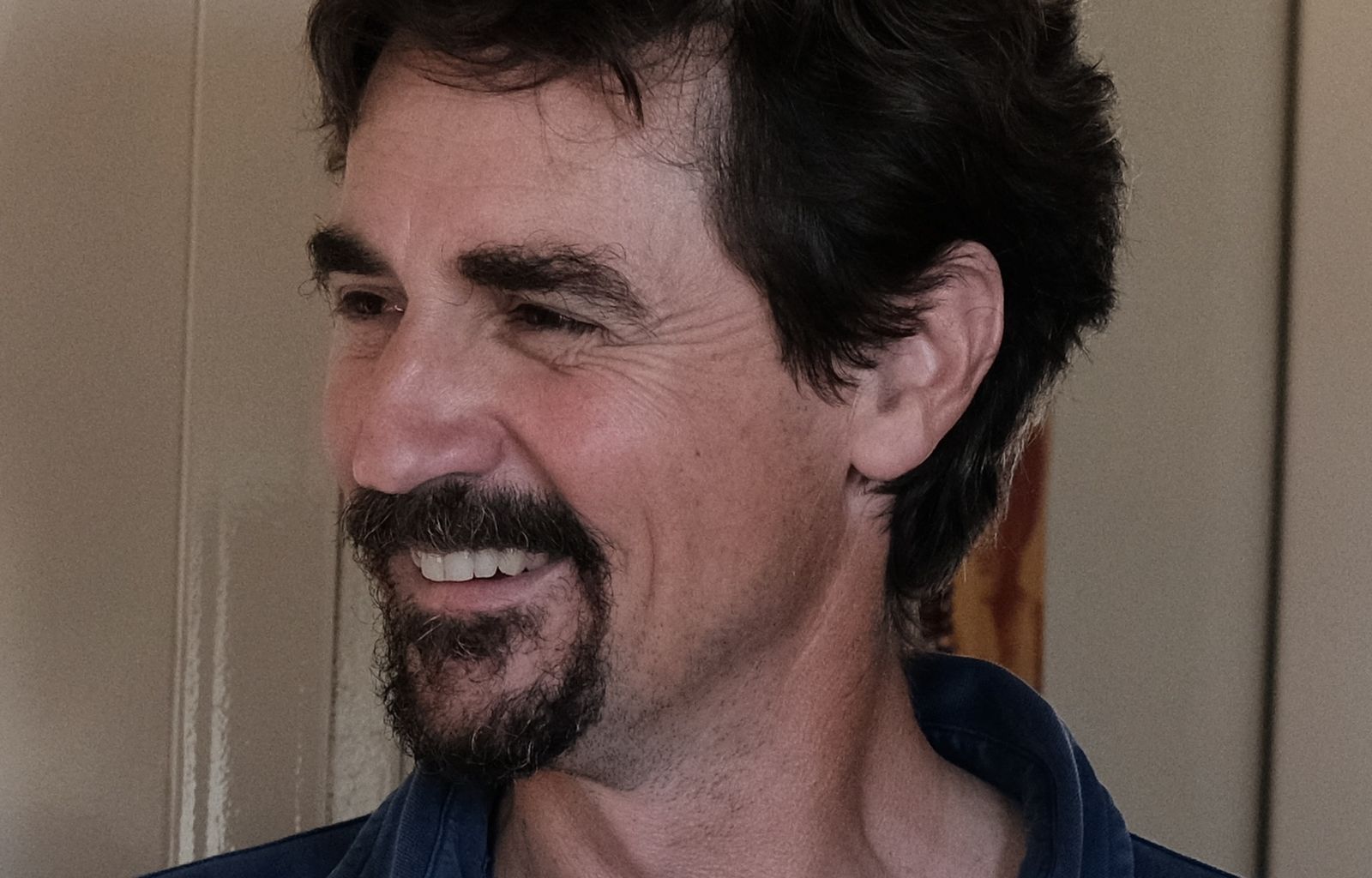
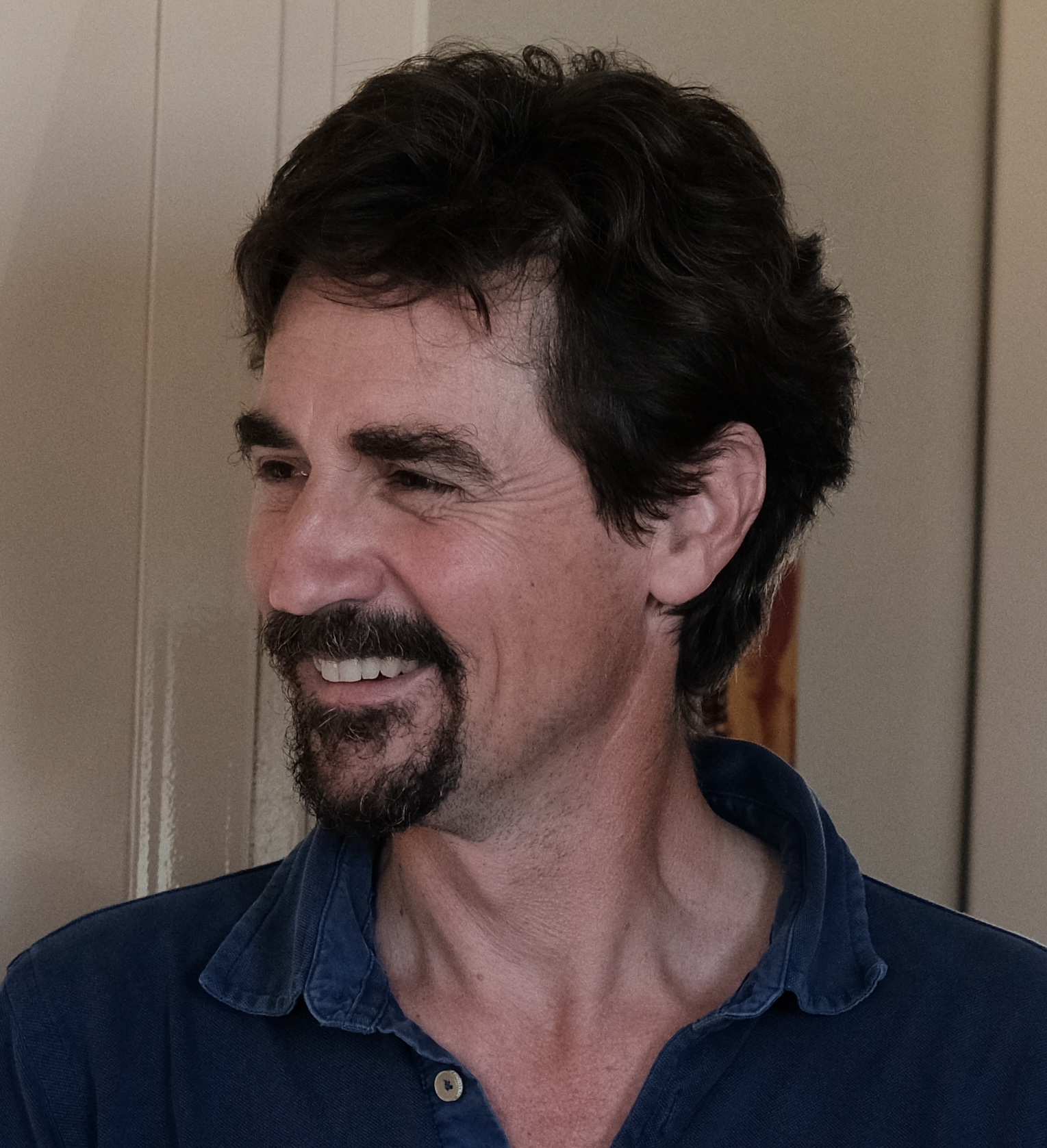
Edoardo Winspeare
(Klagenfurt, Austria, 1965) lived in Depressa, Puglia, until the age of 14 and returned there at 28, choosing to stay. In the meantime, he studied in Florence and at the HFF, University of Television and Film in Munich, and worked on various audiovisual productions. Puglia, with its stories and Mediterranean soul, has been the main source of inspiration for all his films (Pizzicata, 1996; Sangue vivo, 2000; Il miracolo, 2003; Galantuomini, 2008; Sotto il Celio Azzurro, 2009; In grazia di Dio, 2014; La vita in comune, 2017).
FILMOGRAFIA
Pizzicata (1996), Sangue vivo (2000), Il miracolo (2003), Galantuomini (2008), La festa che prende fuoco (2009), Sotto il Celio Azzurro (2009), L’anima attesa (cm, 2013), In grazia di Dio (2014), La vita in comune (2017), Dior in Puglia (cm, 2020), The Couture-Inspiring Splendor of the Palazzo Colonna (cm, 2021), Artist Anna Paparatti on revisiting her work for Dior (cm, 2021), Vita mia (2025).
Declaration
film director
“The idea for Vita mia came to me while observing, in recent years, the relationship my mother, who suffers from Parkinson’s, developed with a woman from Salento who took care of her. She went from an initial feeling of frustration and anger about her condition to one of almost maternal tenderness toward this simple, intelligent, and deeply kind woman. […] My personal experience inspired me to write a fictional story that nevertheless shares many elements with reality, particularly regarding the family environment, the experience of illness, and the relationship between the two protagonists.”
Cast
& Credits
DIRECTOR: Edoardo Winspeare. PLOT: Edoardo Winspeare, Alessandro Valenti, Francesca Marciano.SCREENPLAY: Edoardo Winspeare, Alessandro Valenti, with the collaboration of Mariangela Barbanente. CINEMATOGRAPHY: Roberta Allegrini. FILM EDITING: Luca Benedetti. MUSIC: Paolo Buonvino. MUSICAL EDITIONS: Goodlab Music. PRODUCTION DESIGN: Sabrina Balestra. COSTUME DESIGN: Stefania Grilli. SOUND: Riccardo Milano, Piero Fancellu, Gianluigi Gallo. CAST: Dominique Sanda, Celeste Casciaro, Ninni Bruschetta, Ignazio Oliva, Karolina Porcari, Johanna Orsini, Francesca Ziggiotti, Dora Sztarenki, Josef Scholler, Stefan Liechtenstein, Christian Liechtenstein. PRODUCTION: Donatella Palermo per Stemal Entertainment, Gustavo Caputo per Saietta Film, con Rai Cinema, con il contributo di MIC – DG Cinema e Audiovisivo, Regione Puglia, Fondazione Apulia Film Commission, Puglia Promozione, con la partecipazione di Banca Popolare Pugliese SCPA. INTERNATIONAL DISTRIBUTION: Beta Film.
CONTATTO: Stemal Entertaiment stemal.entertainment@gmail.com