

9° FESTIVAL INTERNAZIONALE CINEMA GIOVANI
Retrosective - New British Cinema 1956-1968
EVERY DAY EXCEPT CHRISTMAS
by Lindsay Anderson
Country: UK
Year: 1957
Duration: 40'
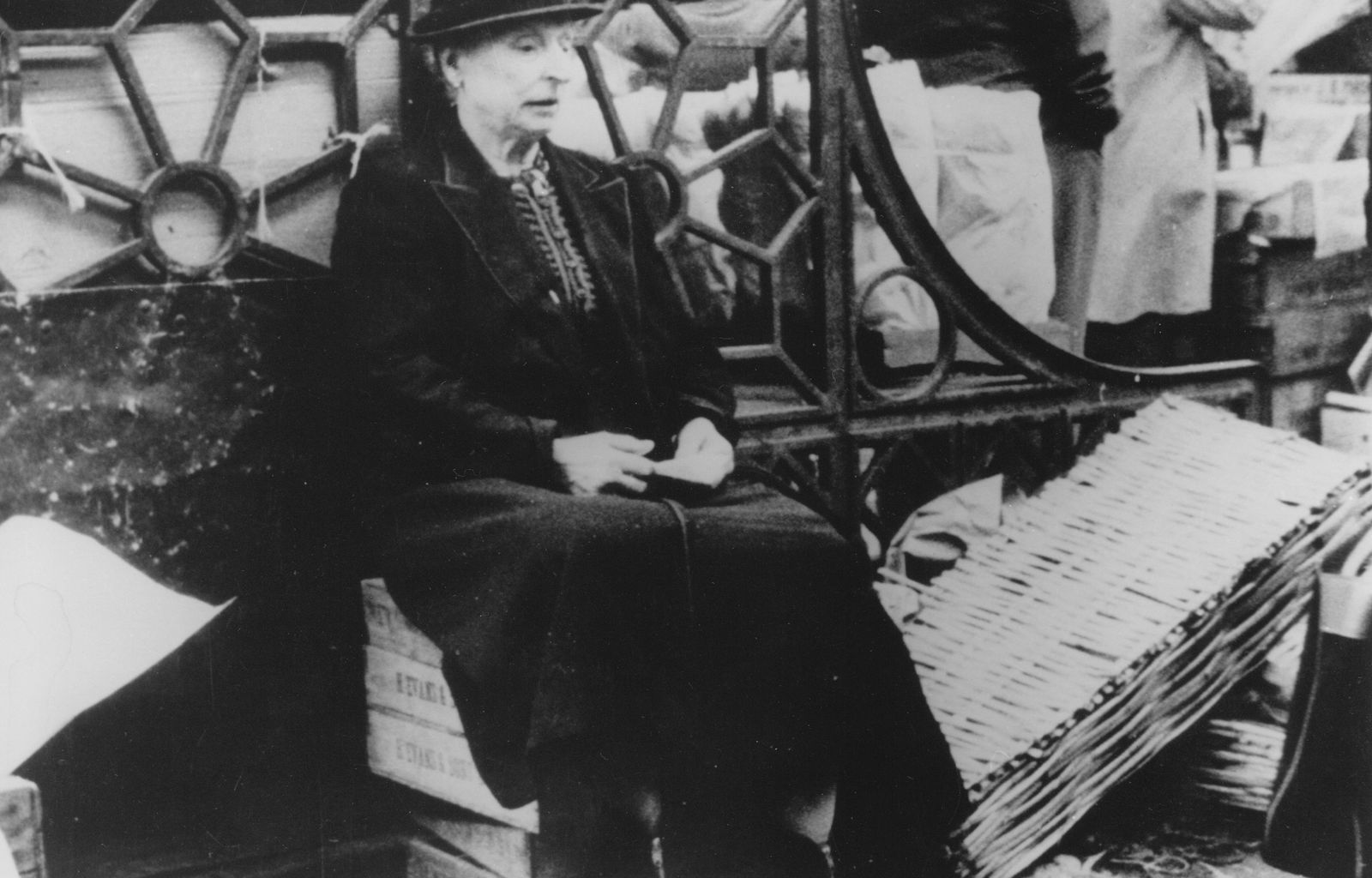
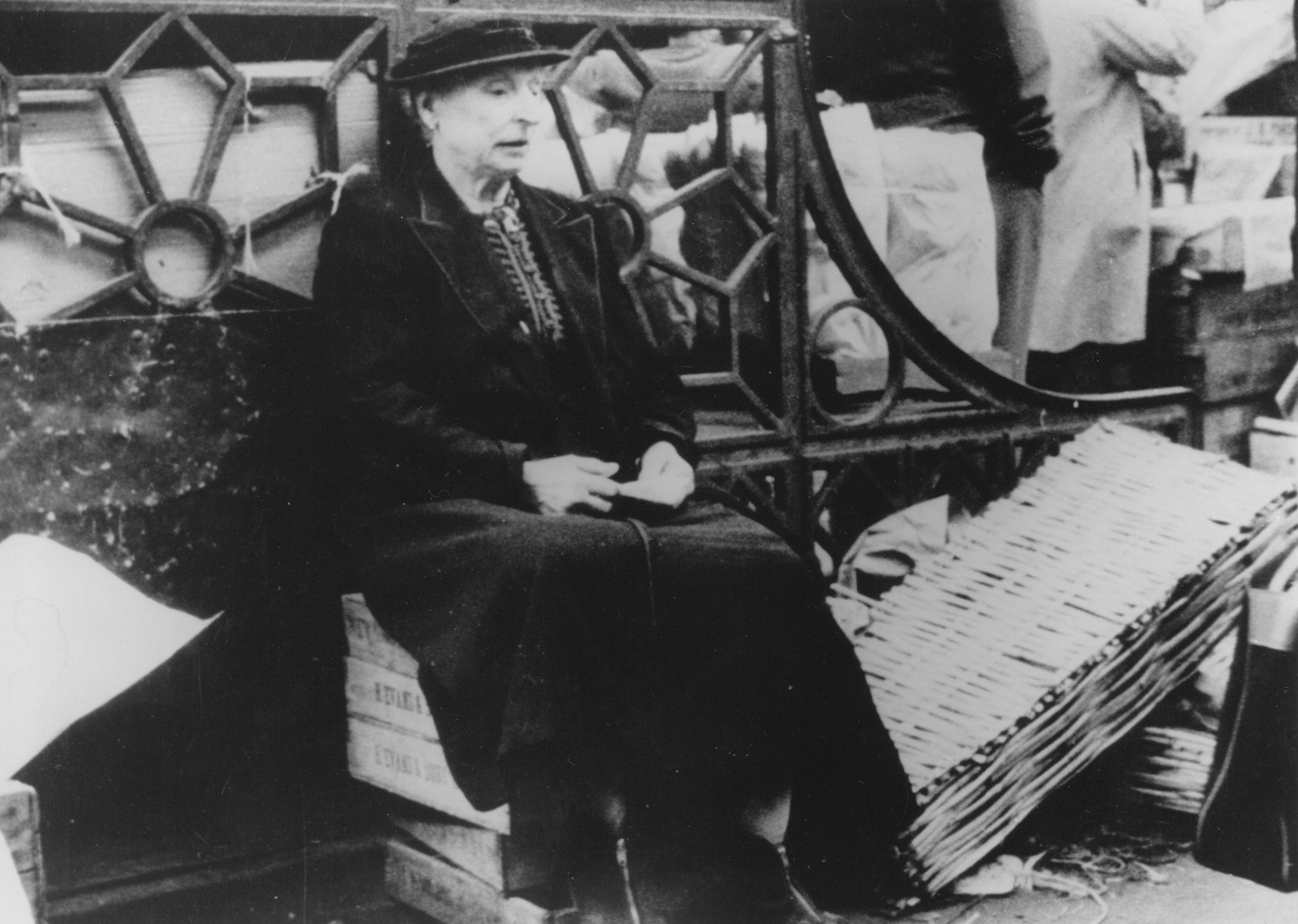
Twelve hours in Covent Garden market. The lorries roll in from the country and are unloaded; throughout the night the market men work to display the flowers and vegetables they have for sale. There are pauses for chats and cups of tea, visits to the cafés. Early in the morning the buyers arrive; and gradually the market is emptied of its goods, until only the straggling scavengers are left to salvage the remnants; and the market men begin to look forward to the next night's work.
"The key word is affectionately. Personally I would never have used such a word; for me it has too many avuncular dutiful associations. But Anderson gives it new associations and justifies his use of it by the film that follows. He approaches his heroes (there are no villains) and so also makes us approach them, on a basis of natural equality. He neither idealises them nor does he 'study' them, as Lionel Rogosin studied his unfortunates in On the Bowery. What he does is to muck in with them. In itself this would not of course be enough. At the most it means that he can put his characters at their ease, and so eliminate their self-consciousness when the camera is only a few feet from their faces. It is from here, however that the poet in Anderson takes over. Having dissolved the problem of his relationship to his subject, and having decided to leave in abeyance the question of what the single purpose, the concluding argument of the film is going to be, he is intensely openminded, openeared, openeyed to the ironies, the contrasts, the undertones, the warm, momentary human revelations in the scenes through which he takes his cameraman Walter Lassally." (John Berger, Look at Britain!, "Sight and Sound", n. 1, summer 1957, p. 13)
Biography
film director
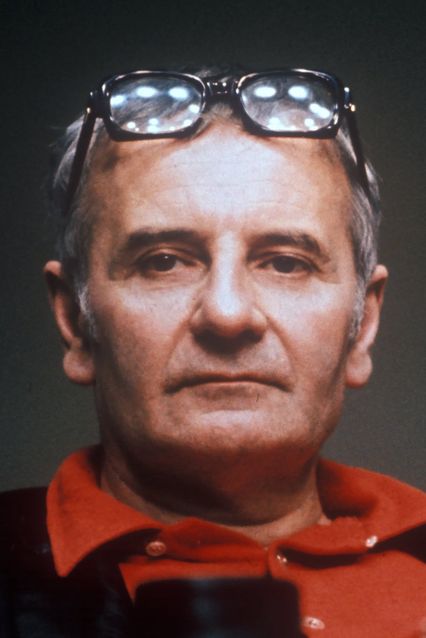
Lindsay Anderson
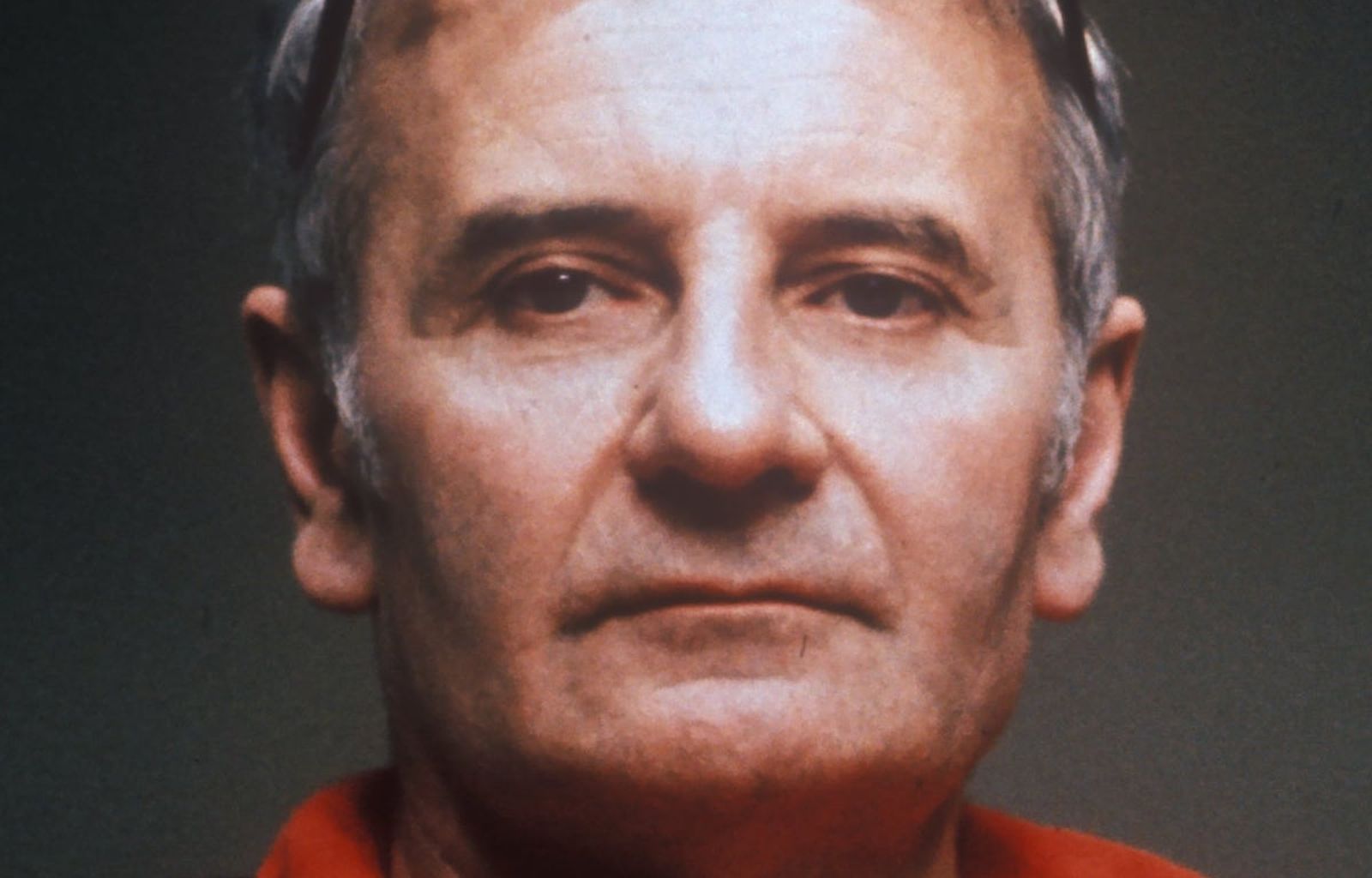
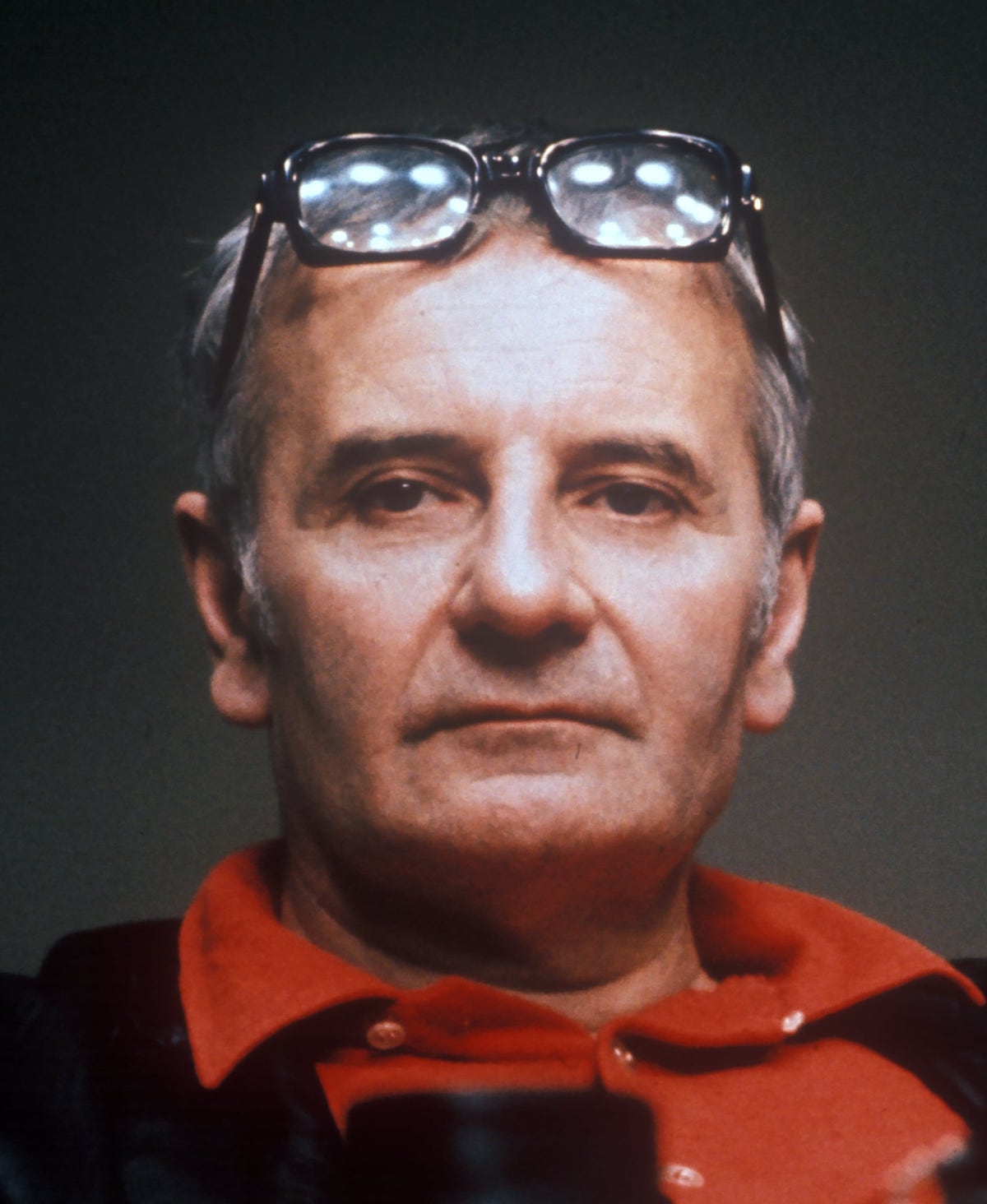
Lindsay Anderson (Bangalore, India, 1923 - Angoulême, France, 1994) graduated in 1948 from Oxford, where he was captivated by theater. He was one of the first collaborators of the magazine “Sequence” and the founder along with Karel Reisz and Tony Richardson of Free Cinema. He directed several short films, like O Dreamland and Every Day Except Christmas, and his debut feature film was This Sporting Life (1963). In 1968 he made If…, which won the Golden Palm at Cannes, and then dedicated himself primarily to theater and television. He later directed films such as O Lucky Man! (1973), Britannia Hospital (1982) and, in 1986, The Whales of August, the last film he directed for cinema.
FILMOGRAFIA
Meet the Pioneers (mm, doc., 1948), Three Installations (cm, doc., 1952), O Dreamland (cm, doc., 1953), Thursday’s Children (cm, doc., 1954), £20 a Ton (cm, doc., 1955), A Hundred Thousand Children (cm, doc., 1955), Every Day Except Christmas (mm, doc., 1957), This Sporting Life (Io sono un campione, 1963), The White Bus (mm, 1967), If... (Se..., 1968), O Lucky Man! (id., 1973), In Celebration (Celebrazione, 1975), Look Back in Anger (1980), Britannia Hospital (id., 1982), The Whales of August (Le balene d’agosto, 1987), Glory! Glory! (tv, 1989), Is That All There Is? (mm, tv, 1993).
Cast
& Credits
Director: Lindsay Anderson.
Director of photography: Walter Lassally.
Music: Daniel Paris.
Sound: John Fletcher.
Assistenti: Alex Jacobs, Bran Probyn, Maurice Ammar.
Voce fuori campo: Alun Owen.
Production company: Leon Clore e Karel Reisz per la British Ford.
Director of photography: Walter Lassally.
Music: Daniel Paris.
Sound: John Fletcher.
Assistenti: Alex Jacobs, Bran Probyn, Maurice Ammar.
Voce fuori campo: Alun Owen.
Production company: Leon Clore e Karel Reisz per la British Ford.