

Country: USA
Year: 1941
Duration: 100'
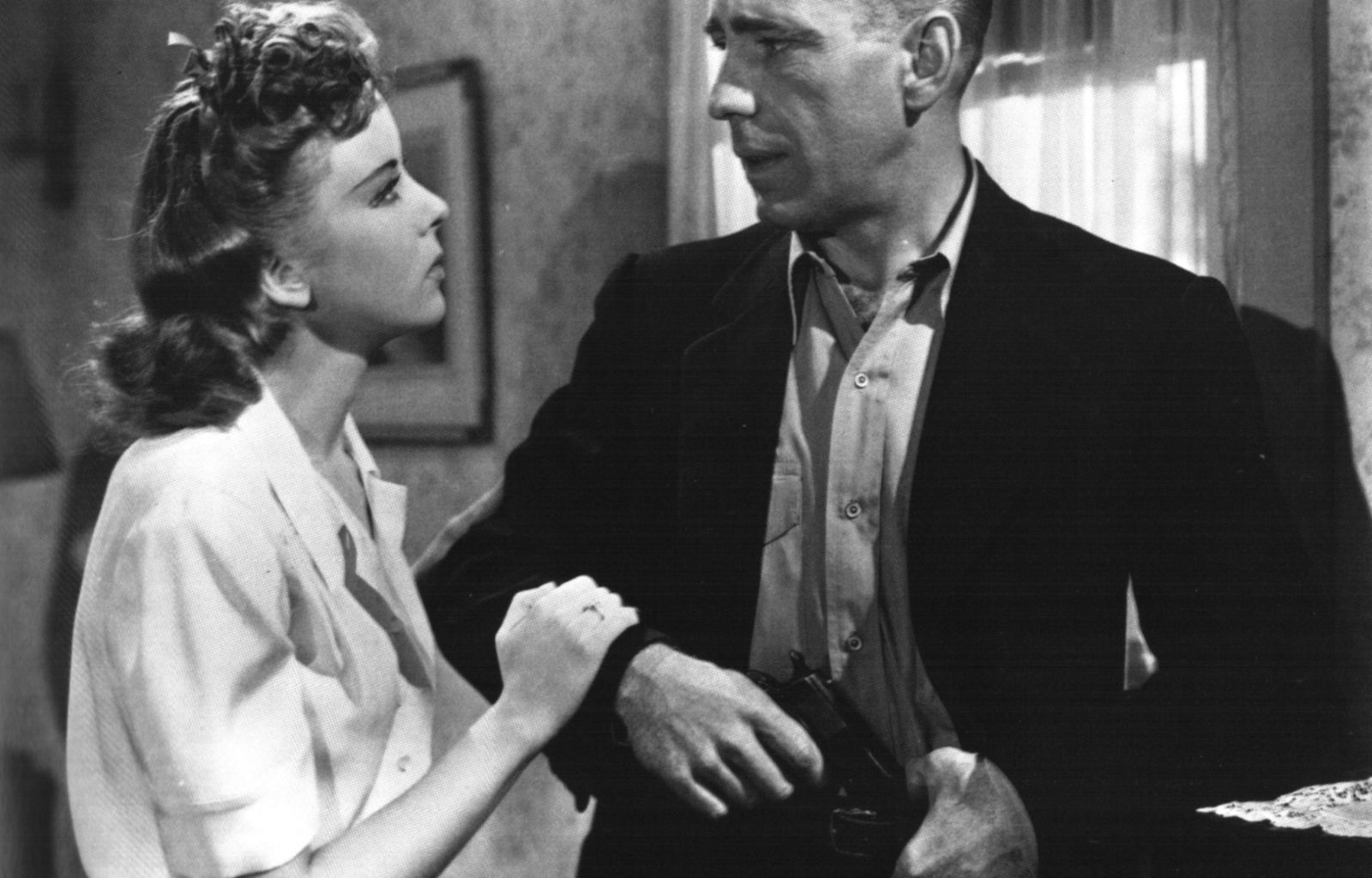
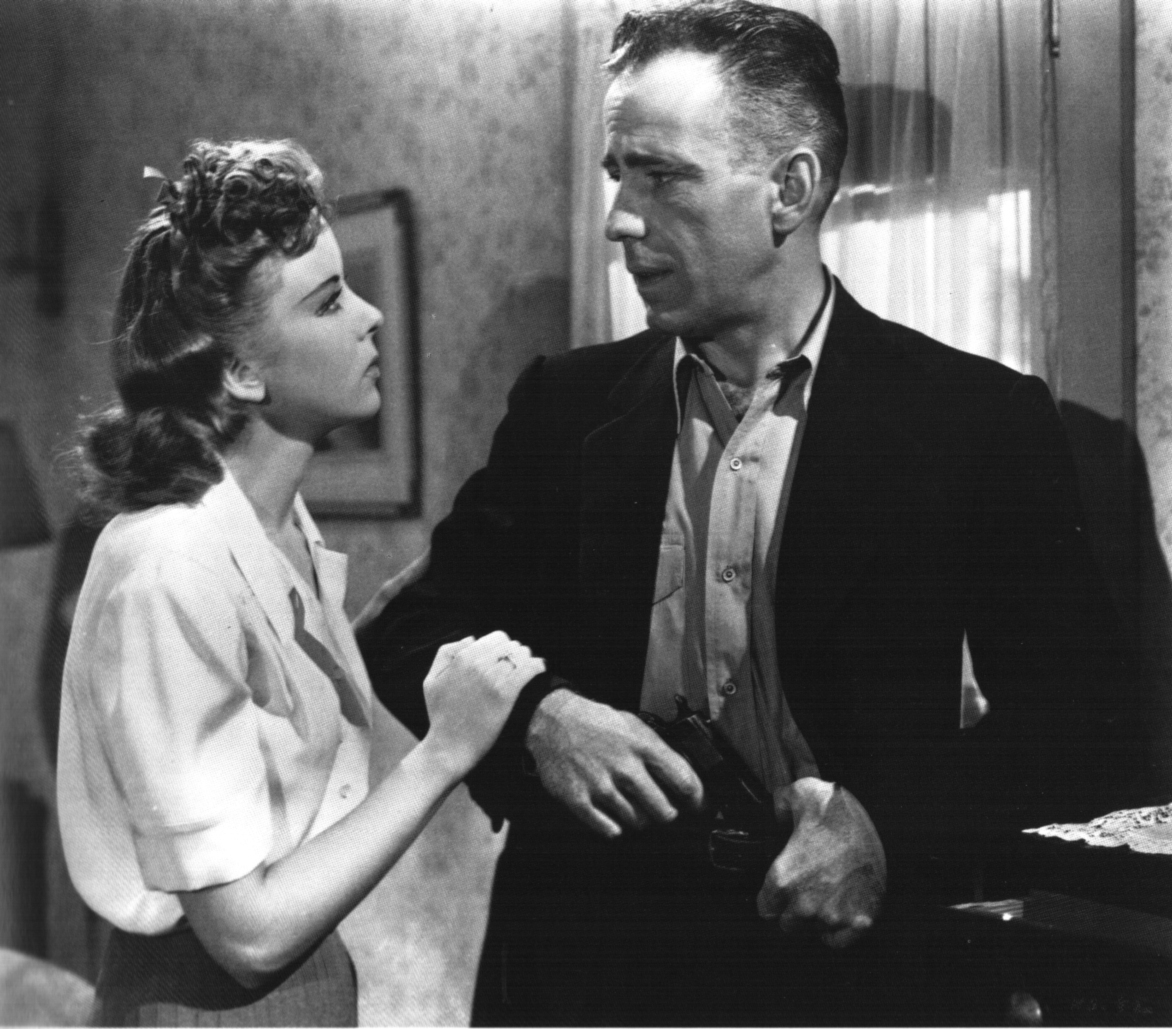
high sierra “Mad Dog” Roy Earle wants to live a quiet life off the loot from his last holdup. But fate is against him and Roy finds himself being tracked down in the mountains. The most personal screenplay John Huston wrote at Warner, with the collaboration of W.R. Burnett. His first film with Humphrey Bogart, who embodies Huston’s typical loser. Co-stars Ida Lupino.
Biography
film director
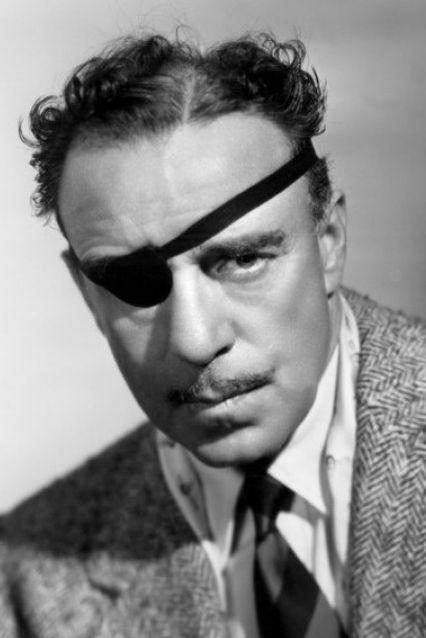
Raoul Walsh
New York, 1887 – Simi Valley, 1980), an assistant of Griffith (for whom he played the role of Lincoln's assassin in The Birth of a Nation, 1915), debuted as a director during that same period and dedicated himself full-time to directing. One of the founders of the Academy of Motion Picture Arts and Sciences in 1927 (after the success of silent movies such as The Thief of Bagdad, 1924, and What Price Glory?, 1926), he went on to make talkies. After losing his sight in one eye after a car accident, and later adopting his iconic eye patch, he became one of the top directors of the golden age of Hollywood, making Westerns for Fox (The Big Trail, 1930, which launched John Wayne's career), and gangster movies (The Roaring Twenties, 1939), detective stories (Dark Command, 1940), war movies (Objective Burma, 1945) and other Westerns (Pursued, 1947, Distant Drums, 1951) for Warner Bros. After his contract with Warner expired in 1953, he continued to direct high quality movies until the mid-1960s.
FILMOGRAFIA
The Pseudo Prodigal (cm, 1913), The Life of General Villa (coregia/co-director Christy Cabanne, 1914), The Double Knot (cm, 1914), Out of the Deputy’s Hands (cm, 1914), Who Shot Bud Walton? (cm, 1914), The Bowery (1914), The Mistery of the Hindou Image (cm, 1914), The Death Dice (cm, 1915), The Fatal Black Bean (cm, 1915), His Return (cm, 1915), The Greaser (cm, 1915), The Fencing Master (Il maestro di scherma, cm, 1915), 11:30 P.M. (cm, 1915), Regeneration (1915), Peer Gynt (coregia/co-director Oscar Apfel, 1915), Carmen (coregia/co-director Carl Harbaugh, 1915), The Lone Cowboy (1915), The Buried Hand (1915), Siren of Hell (1915), Home from the Sea (1915), Il serpente (The Serpent, 1916), Blue Blood and Red (Sangue blu e sangue rosso, 1916), Pillars of Society (Le colonne della società, 1916), The Honor System (Il metodo dell’onore, 1917), The Silent Lie (La bugia muta, 1917), The Innocent Sinner (La peccatrice innocente, 1917), Betrayed (Tradita, 1917), The Conqueror (Il conquistatore, 1917), This Is the Life (1917), The Pride of New York (Orgoglio di New York, 1917), The Woman and the Law (1918), The Prussian Cur (Il bastardo prussiano, 1918), On the Jump (All’attacco, 1918), Every Mother’s Son (Tutti i figli di una madre, 1918), I’ll Say So (Lo dirò, (1918), Evangeline (1919), Should a Husband Forgive? (Deve perdonare un marito?, 1919), The Strongest (Il più forte, 1920), The Deep Purple (Profondo rosso, 1920), From Now On (D’ora in poi, 1920), The Oath (Il giuramento, 1921), Serenade (Serenata, 1921), Kindred of the Dust (Come polvere, 1922), Lost and Found on a South Sea, 1923), The Thief of Bagdad (Il ladro di Bagdad, 1924), East of Suez (All’ombra delle pagode, 1925), The Spaniard (Matador, 1925), The Wanderer (Il figliol prodigo, 1925), The Lucky Lady (La principessa bionda, (1926), The Lady of the Harem (La vergine dell’harem), 1926), What Price Glory? (Gloria, 1926), The Monkey Talks (La scimmia che parla, 1927), The Loves of Carmen (Gli amori di Carmen, 1927), Sadie Thompson (Tristana e la maschera, 1928), The Red Dance (La danzatrice rossa, 1928), In Old Arizona (Notte di tradimento, 1928), Me, Gangster (Mondo senza luce, 1928), The Cock-Eyed World (I due rivali, 1929), Hot for Paris (Fifì dimmi di sì, 1929), The Big Trail (Il grande sentiero, 1930), The Man Who Came Back (Rinascita, 1931), Women of All Nations (Sempre rivali, 1931), The Yellow Ticket (Il passaporto giallo, 1932), Wild Girl (Ragazza selvaggia, 1932), Me and My Gal (Io e la mia ragazza, 1932), Sailor’s Luck (Marinai a terra, 1933), The Bowery (Spavalderia, 1934), Going Hollywood (Verso Hollywood, 1934), Under Pressure (Sotto pressione, 1935), Baby Face Harrington (Harrington faccia-di-bambino, 1935), Every Night at Eight (Ogni sera alle otto, 1935), Klondike Annie (Annie del Klondike, 1936), Big Brown Eyes (Occhioni scuri, 1936), Spendthrift (Il dissipatore, 1936), O.H.M.S. (Corpo militare britannico in oriente, 1937), Jump for Glory (Per la sua donna, (1937), Artists & Models (Artisti e modelle, 1937), Hitting a New High (Una donna in gabbia, 1937), College Swing (Ritmi a scuola, 1938), St. Louis Blues (1939), The Roaring Twenties (I ruggenti anni Venti, 1939), Dark Command (La belva umana, 1940), They Drive by Night (Strada maestra, 1940), High Sierra (Una pallottola per Roy, 1941), The Strawberry Blonde (Bionda fragola, 1941), Manpower (Fulminati, 1941), They Died with Their Boots On (La storia del generale Custer, 1941), Desperate Journey (L’avventura impossibile, 1942), Gentleman Jim (Il sentiero della gloria, 1942), Background to Danger (Le spie, 1943), Northern Pursuit (L’ostaggio, 1943), Uncertain Glory (Tre giorni di gloria, 1944), Objective Burma (Obiettivo Burma, 1944), Salty O’Rourke (La corsa della morte, 1944), The Horn Blows at Midnight (La tromba squilla a mezzanotte, 1944), San Antonio (Duello a S. Antonio, coregia/co-director David Butler, 1945), The Man I Love (Io amo, 1947), Pursued (Notte senza fine, 1947), Cheyenne (Notte di bivacco, 1947), Silver River (Sul fiume d’argento, 1948), Falchi in picchiata (Fighter Squadron, 1948, One Sunday Afternoon (Una domenica pomeriggio, 1949), Colorado Territory (Gli amanti della città sepolta, 1949), White Heat (La furia umana, 1951), Along the Great Divide (Sabbie rosse, 1951), Captain Horatio Hornblower (Le avventure del capitano Hornblower, 1951), Distant Drums (Tamburi lontani, 1952), Glory Alley (La strada dell’eternità, 1952), The World in His Arms (Il mondo nelle mie braccia, 1952), Blackbeard the Pirate (Il pirata Barbanera, 1953), The Lawless Breed (Il diario di un condannato, 1953), Sea Devils (Gli sparvieri dello stretto, 1953), A Lion Is in the Street (Un leone per la strada, 1953), Gun Fury (Duello all’ultimo sangue, 1953), Saskatchewan (Le giubbe rosse del Saskatchewan, 1954), Battle Cry (Prima dell’uragano, 1955), The Tall Men (Gli implacabili, 1955), The Revolt of Mamie Stover (Femmina ribelle, 1956), The King and Four Queens (Un re per quattro regine, 1956), Band of Angels (La banda degli angeli, 1957), The Naked and the Dead (Il nudo e il morto, 1958), The Sheriff of Fractured Jaw (La bionda e lo sceriffo, 1959), A Private’s Affair (La moglie sconosciuta, 1959), Esther and the King (Ester e il re, coregia/co-director Mario Bava, 1960), Marines Let’s Go (Avventura d’amore e di guerra, 1961), A Distant Trumpet (Far West, 1964).
Cast
& Credits
regia/director
Raoul Walsh
soggetto/story
dal romanzo La trappola di/from the novel of the same title by W.R. Burnett
sceneggiatura/screenplay
John Huston, W.R. Burnett
fotografia/cinematography
Tony Gaudio
montaggio/film editing
Jack Killifer
scenografia/production design
Ted Smith
costumi/costume design
Milo Anderson
musica/music
Adolph Deutsch
suono/sound
Dolph Thomas
interpreti e personaggi/cast and characters
Humphrey Bogart (Roy Earle), Ida Lupino (Marie), Alan Curtis («Babe»), Arthur Kennedy («il rosso»/“Red”), Joan Leslie (Velma), Henry Hull («Doc» Banton)
produzione/production
Warner Bros. Pictures