

Country: Italy
Year: 2022
Duration: 105'
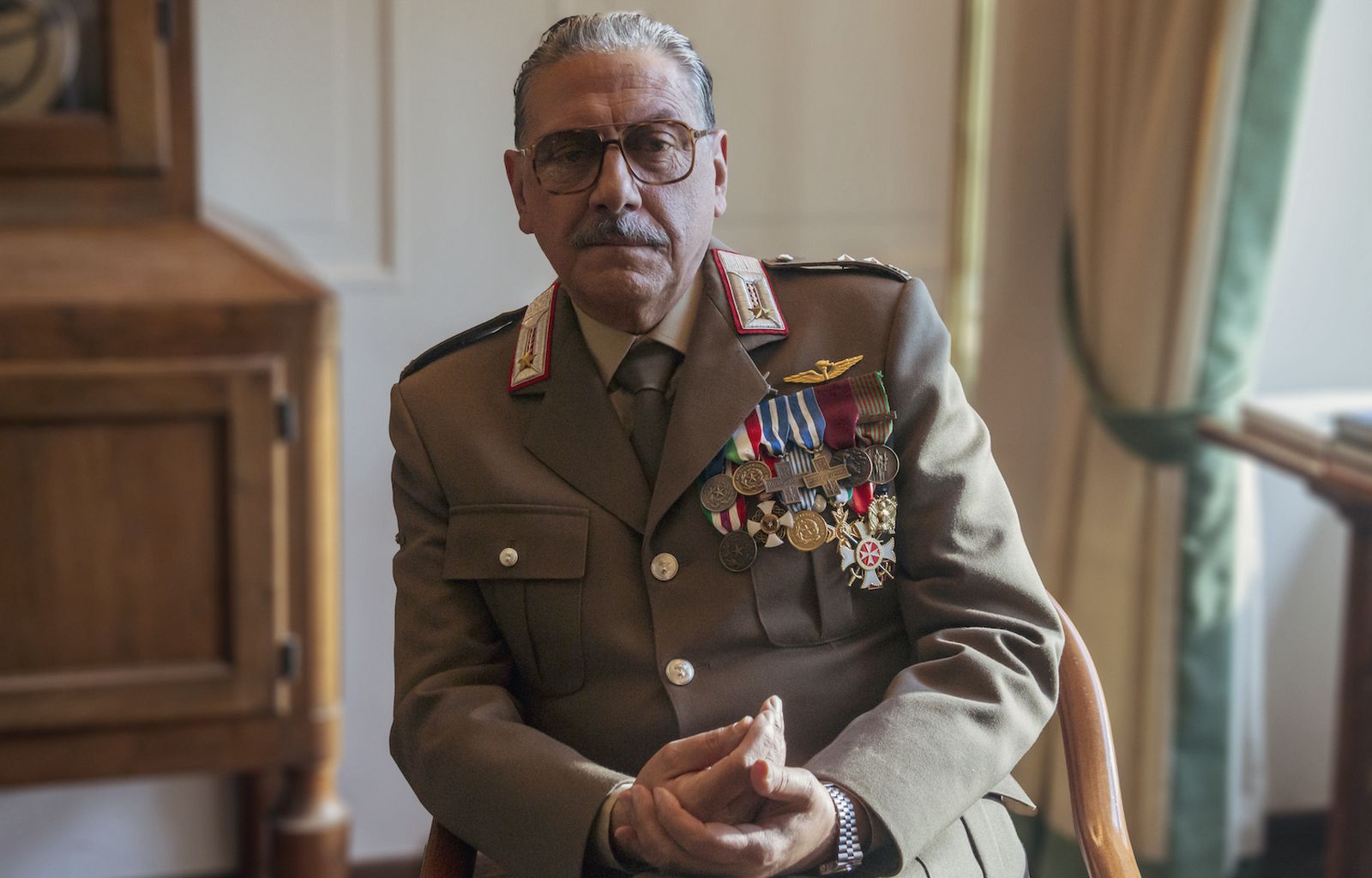
1973. General Carlo Alberto dalla Chiesa, who is involved in the fight against the mafia, is transferred to Turin, where the Red Brigades are beginning their subversive activity. Despite the resistance of the upper echelons of the Army, dalla Chiesa creates the Nucleo speciale antiterrorismo (Special Anti-terrorism Nucleus), a group of specialized men who become totally dedicated to the fight against terrorism. Starting with the boxer Nicola, one of dalla Chiesa's favorites, the men of the Nucleo establish a deep bond with the General, marked by moments of great tension. As the country slowly begins to defeat terrorism, the members of the Nucleo become adults and dalla Chiesa, a widower after his first wife Dora died, marries Emanuela and fathers Nando, Rita, and Simona. He is transferred back to Palermo, where he is killed on September 3rd, 1982.
Biography
film director
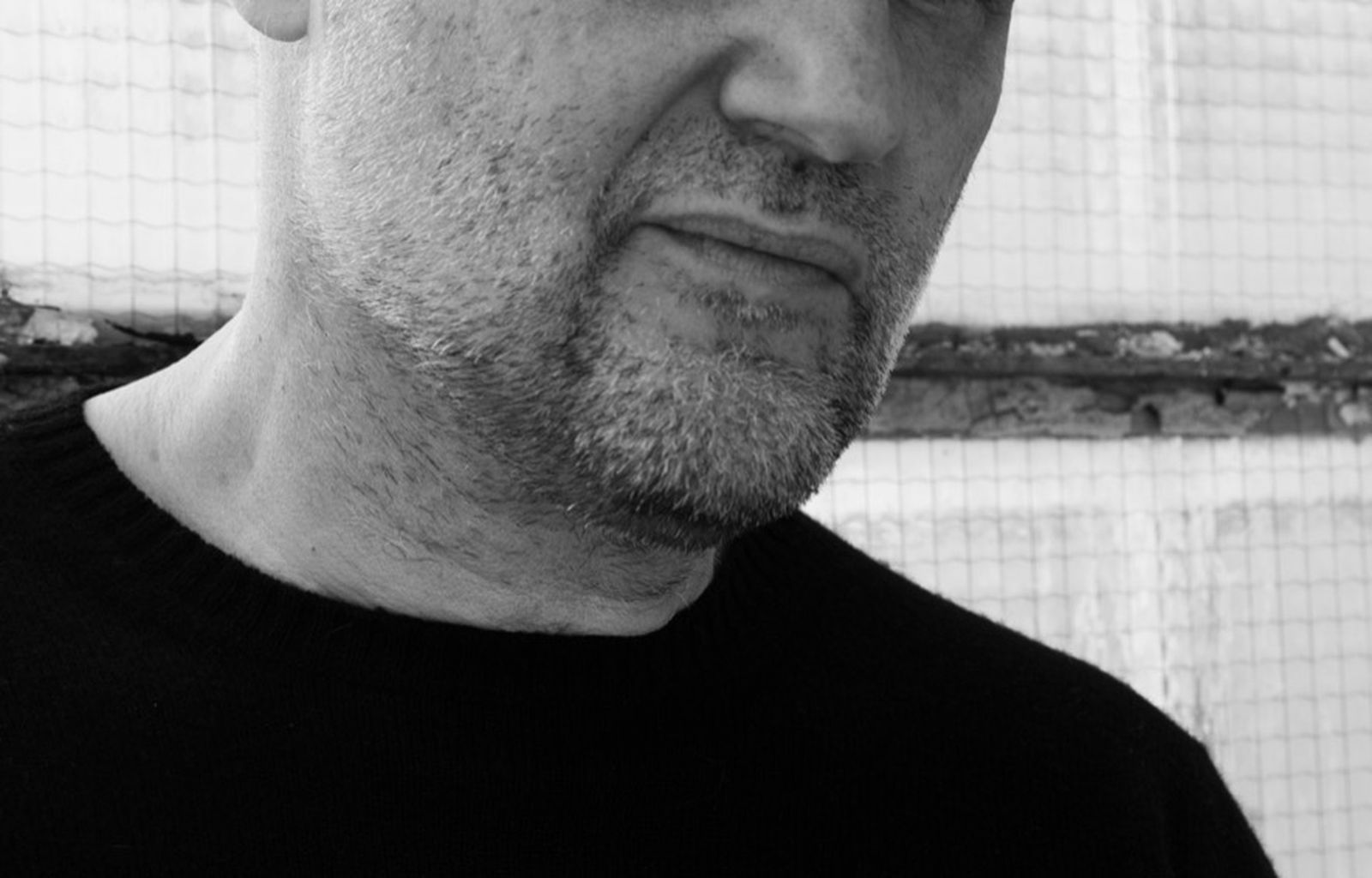
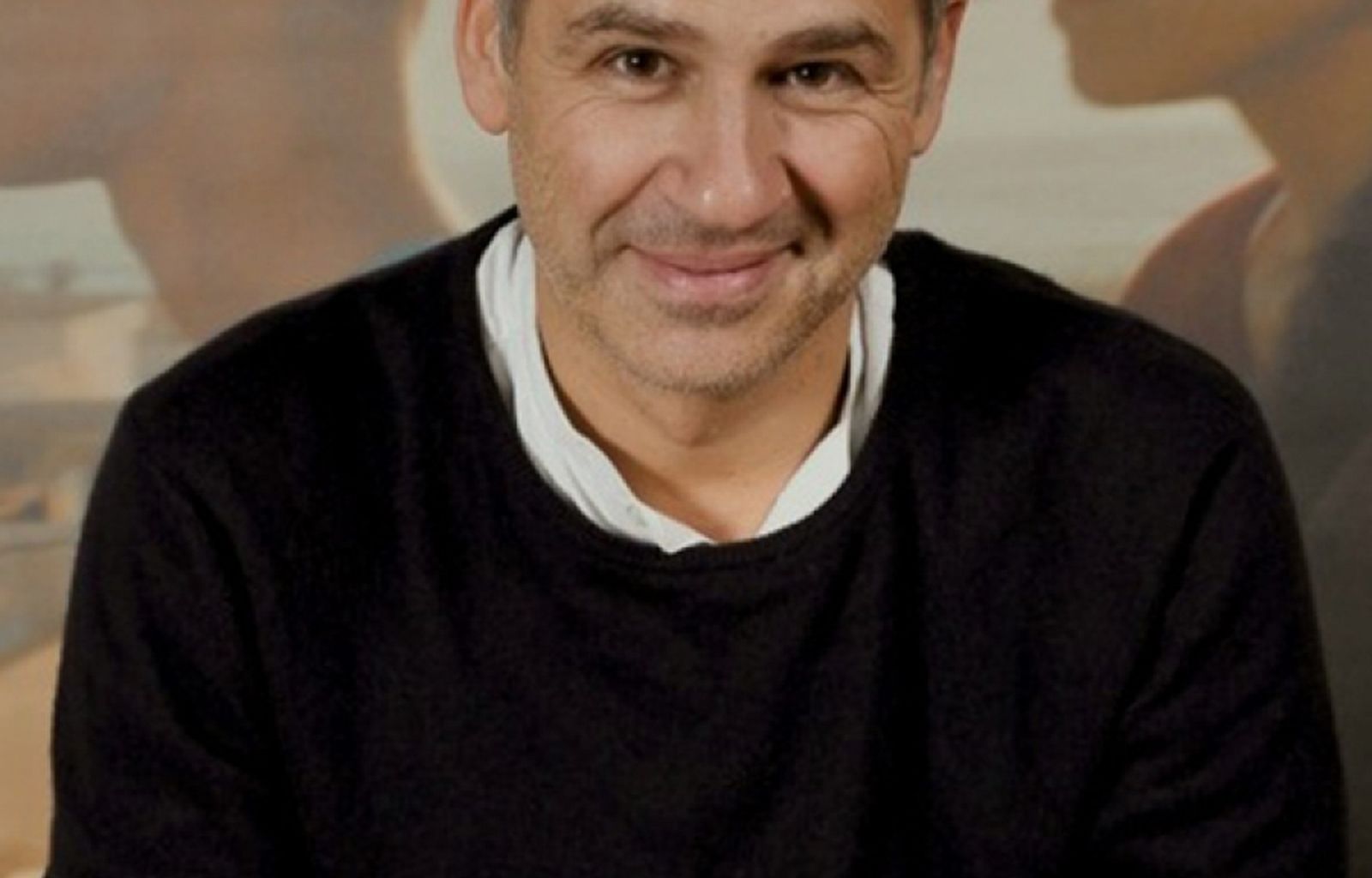
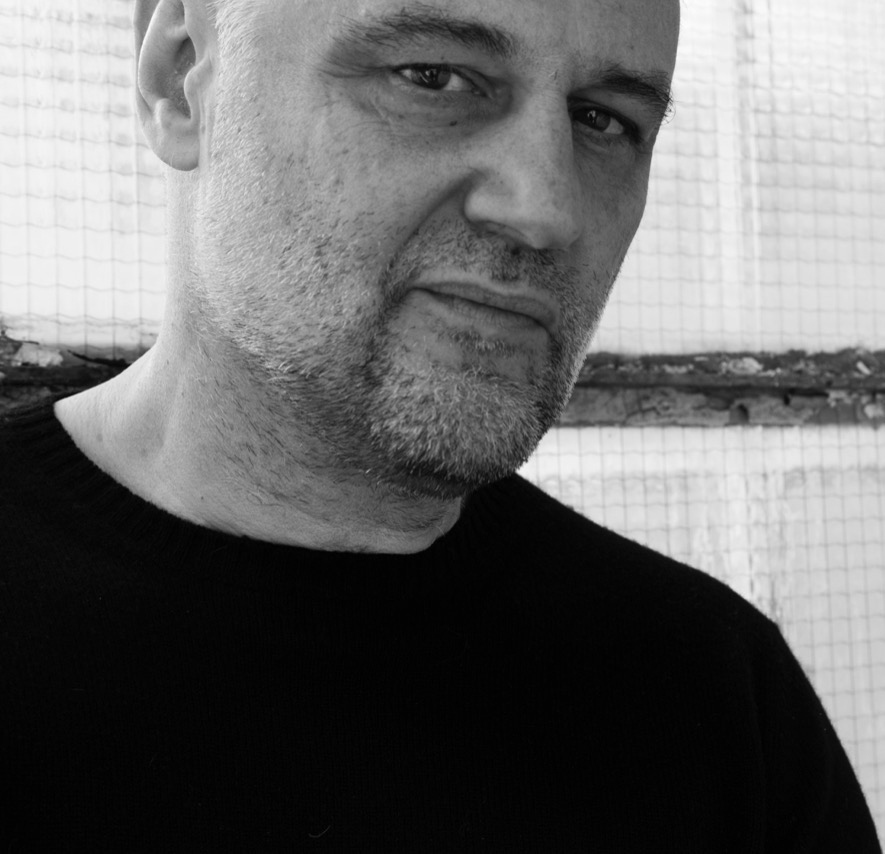
Lucio Pellegrini
(Asti) has been writing, directing, and producing movies and TV series since 1999. He debuted as a director in 1999 with E allora mambo! and in 2003, with Ora o mai più, he participated in competition at Locarno. In 2005, he and Gianni Zanasi shot La vita è breve ma la giornata è lunghissima, which won a Special Mention and the Pasinetti Award at the Venice Film Festival, where it was presented as an official selection in the Venezia Digitale section. In 2006, he made Una volta nella vita, the official documentary of the Torino 2006 Olympic Games, and between 2008 and 2009 he directed the TV series I liceali. He is the producer of the movie Non pensarci by Gianni Zanasi and he directed a few episodes of the series that is based on the film. Over the following years, he continued working for movies and TV, also directing the series Il miracolo (2017-18), written by Niccolò Ammaniti, Flaiano Award for best director.
FILMOGRAFIA
E allora mambo! (1999), Tandem (2000), La primavera del 2002 - L'Italia protesta, l'Italia si ferma (tv, doc, 2002), Ora o mai più (2003), Ti amerò per sempre (ep. Giovani talenti italiani, video, 2004), La vita è breve ma la giornata è lunghissima (coregia Gianni Zanasi, doc, 2004), La strana coppia (serie tv, 2007), Non pensarci, la serie (serie tv, 2009), I liceali (serie tv, 2008-2009), Figli delle stelle (2010), La vita facile (2011), È nata una star? (2012), Benvenuti a tavola (serie tv, 2013), Limbo (tv, 2015), Romanzo siciliano (serie tv, 2016), Il miracolo (serie tv, 2018), Tutto può succedere (serie tv, 2018), Carosello Carosone (tv, 2021), Il nostro Generale (serie tv, 2022).
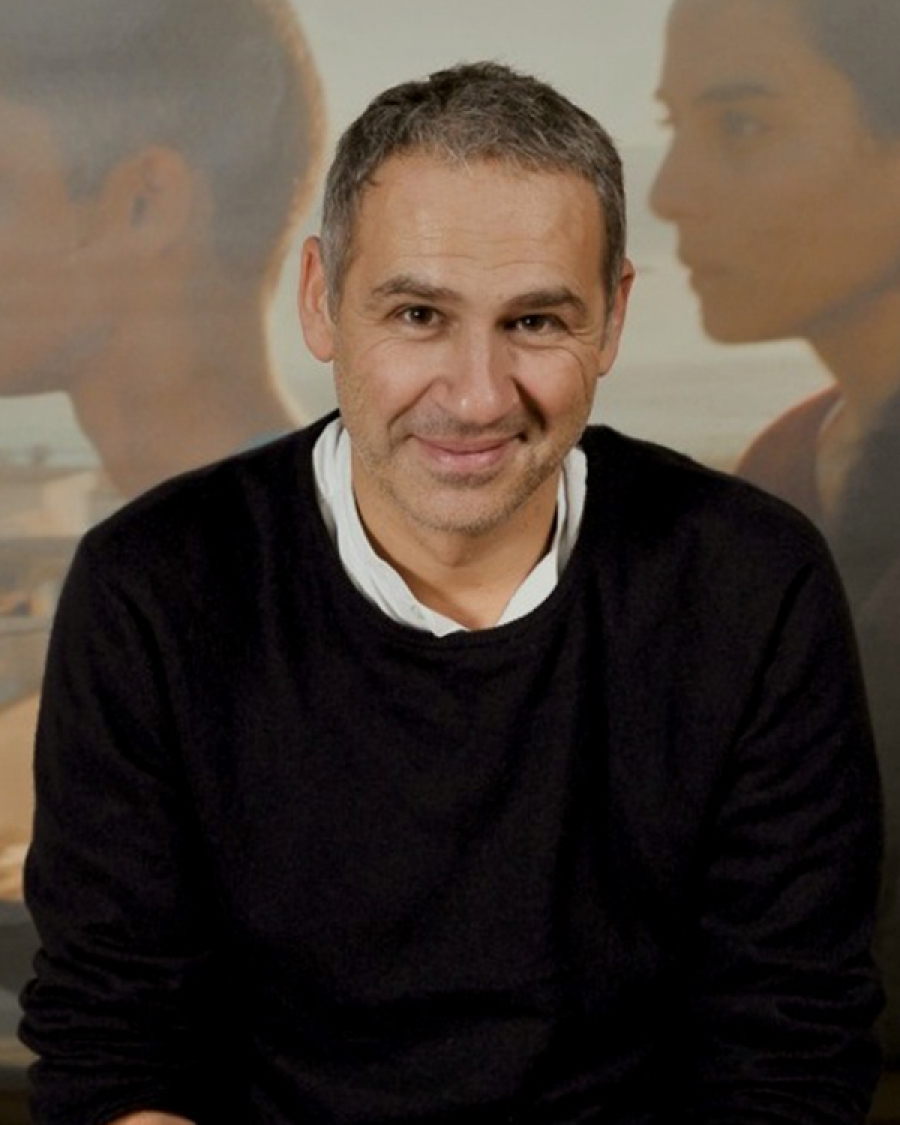
Andrea Jublin
FILMOGRAFIA
Ginestra (2002), Il supplente (cm, 2007), Banana (2015), Per lanciarsi dalle stelle (2022).
Declaration
film director
“This series recounts the years of lead from an unusual perspective. It isn't a story that centers around the members of the Red Brigades; it isn't a story that delves into the gray area of our society, which was dangerously skirting insurgency; and it isn't even a biopic about a key figure in Italy during the second half of the 20th century, General Carlo Alberto dalla Chiesa. This is the story of the war between the State and the Red Brigades as it has never been recounted before, from the lightning kidnappings in 1973 to the arrest of the last leader of the Red Brigades, Giovanni Senzani, in 1982, passing by way of the Moro kidnapping and the first member of the Red Brigades to turn state's evidence, Patrizio Peci. A grim and violent decade, which left behind an enormous trail of blood. The memory of this period is safeguarded in the black and white TV news reports and in the headlines of Rai's first news programs in color. I constructed the series using this visual memory.”
Cast
& Credits
DIRECTORS: Lucio Pellegrini, Andrea Jublin. STORY: Monica Zapelli. SCREENPLAY: Monica Zapelli e Peppe Fiore. CINEMATOGRAPHY: Marco Bassano. FILM EDITING: Michelangelo Garrone. PRODUCTION DESIGN: Biagio Fersini. COSTUME DESIGN: Gaia Calderone. MUSIC: Giuliano Taviani. SOUND: Fabio Conca. CAST: Sergio Castellitto, Antonio Folletto, Flavio Furno, Andrea Di Maria, Viola Sartoretto, Romano Reggiani, Alessio Praticò. Teresa Saponangelo. PRODUCER: Simona Ercolani. PRODUCTION: Rai Fiction, Stand by me.
CONTACT:
Stand By Me info@standbyme.tv