

Country: Italy
Year: 1981
Duration: 121'
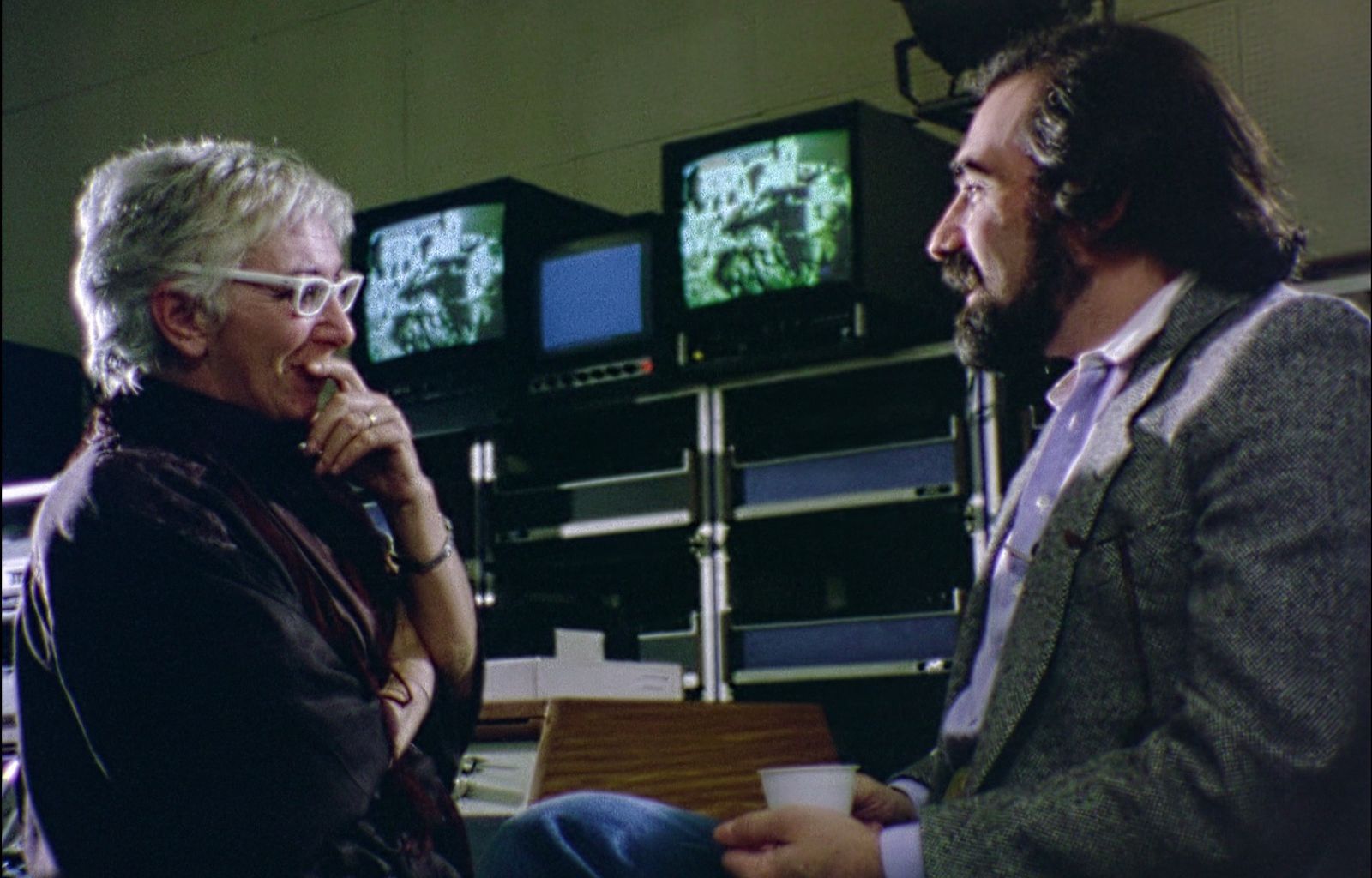
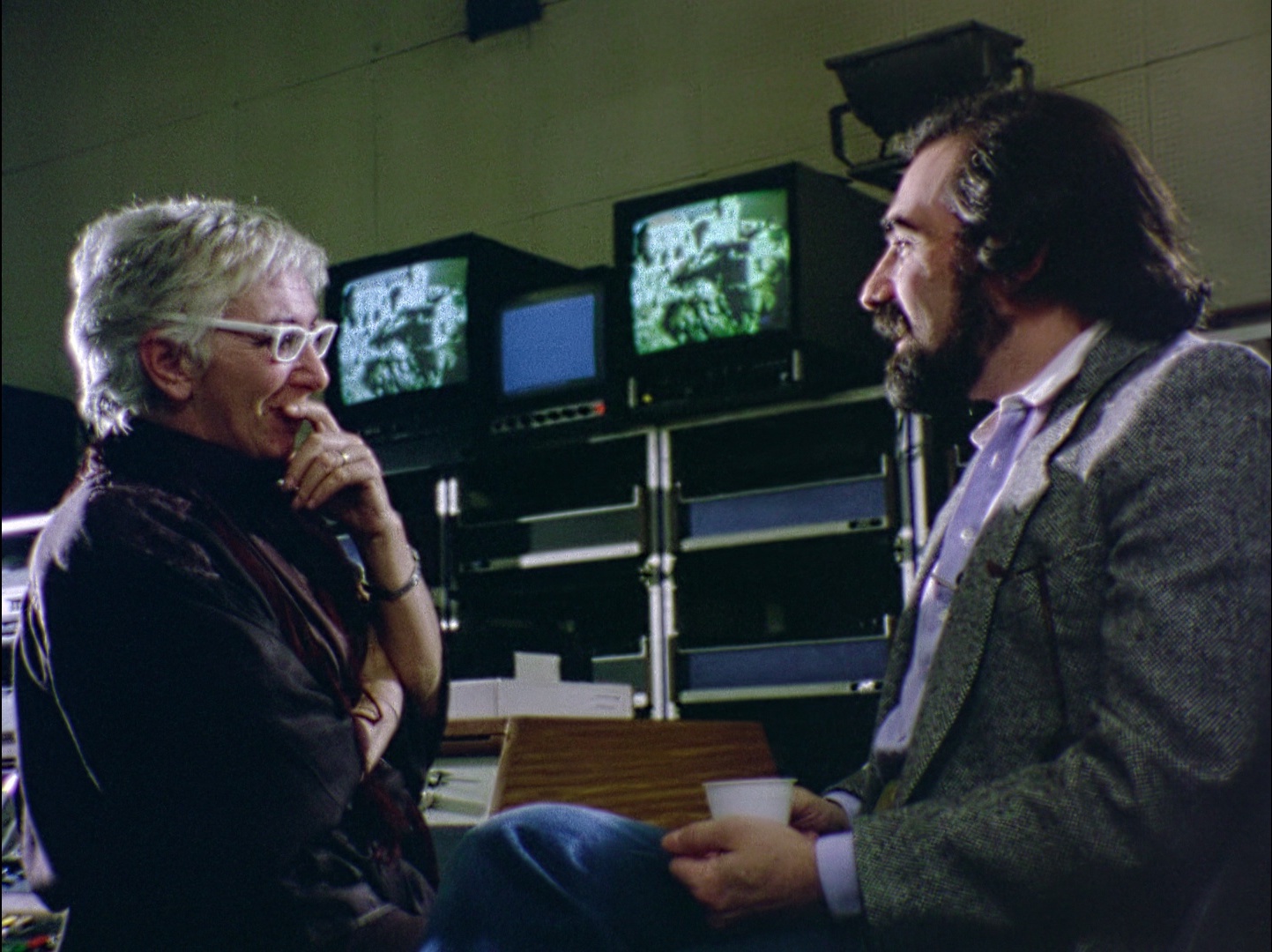
A documentary that aired on November 23, 1981 about the earthquake that hit Irpinia on November 23, 1980. One year after the earthquake, the report shows the first images broadcast on Rai's regional and national news programs. It focuses on the reconstruction, the survivors' sense of loss, the demolished places and homes, the defeats, but also the victories of the rescuers, for each person they extracted from the rubble. Made with the consultancy of the sociologist Domenico De Masi, it offers a view of southern Italy as it interweaves reports narrated by the protagonists with readings by Lina Wertmüller and Piera degli Esposti of editorials published in “Mezzogiorno” (written by Alberto Moravia, Carlo Levi, Furio Colombo, Alberto Ronchey, and Giampaolo Pansa), excerpts of works by Leonardo da Vinci, Plinio il Giovane, Johann Wolfgang Goethe, and Giacomo Leopardi, and an interview with Martin Scorsese, who dedicated many of his films to the world of Italian-Americans. Restored by Rai Teche Tecnologico.
Biography
film director
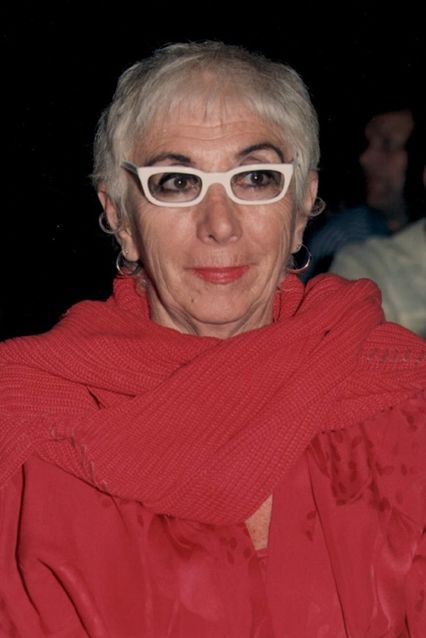
Lina Wertmüller
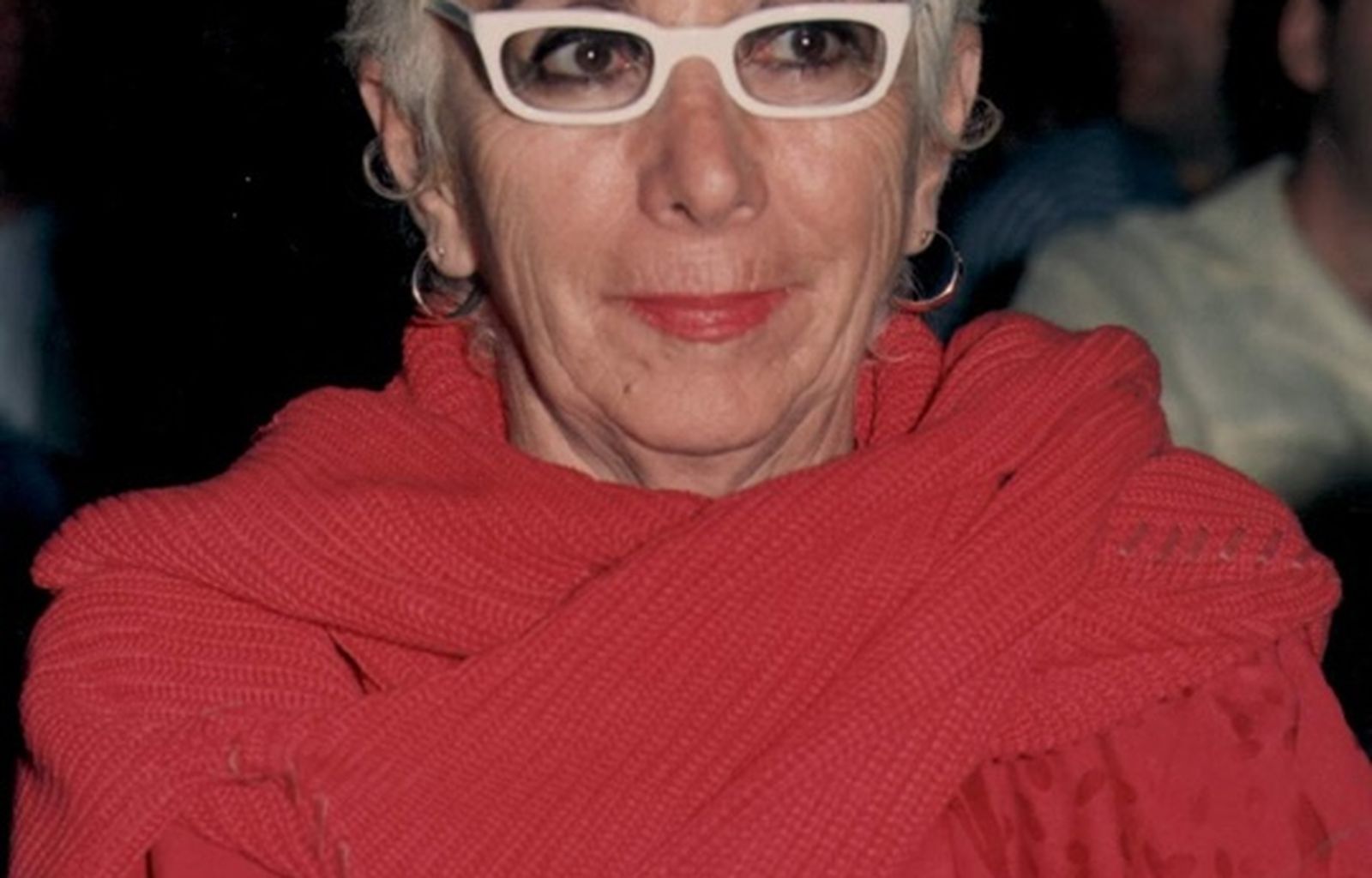
(Rome, 1928-2021), the pseudonym of Arcangela Felice Assunta Wertmüller von Elgg Spanol von Braueich, studied at the Theatre Academy directed by Pietro Sharoff and later worked with exponents of Italian theatre such as Guido Salvini, Giorgio De Lullo, and Garinei and Giovannini. She was involved in radio and television (she was the director of Canzonissima and the series Il giornalino di Gian Burrasca) and she was an assistant to Fellini for La dolce vita (The Sweet Life, 1960) and 8½ (1962). She debuted as a movie director with I basilischi (The Basilisks, 1963), which won the Silver Sail at the Locarno Film Festival. Her many films, characterized by strong social satire that is grotesque and overwhelming, were extraordinarily successful thanks to her artistic partnership with Giancarlo Giannini and Mariangela Melato in movies such as Mimì metallurgico ferito nell'onore (The Seduction of Mimi, 1972), Film d'amore e d'anarchia, ovvero stamattina alle 10 in Via dei Fiori nella nota casa di tolleranza (Love & Anarchy, 1973), and Travolti da un insolito destino nell'azzurro mare d'agosto (Swept Away, 1974). In 1975, her film Pasqualino Settebellezze (Seven Beauties, 1975) received three Oscar nominations, including best director (the first woman to be nominated). She continued her brilliant career until the 2000s, winning an Oscar for lifetime achievement in 2019.
FILMOGRAFIA
I basilischi (1963), Il giornalino di Gian Burrasca (serie tv, 1964-1965), Questa volta parliamo di uomini (1965), Rita la zanzara (1966), Non stuzzicate la zanzara (1967), Il mio corpo per un poker, co-regia di Piero Cristofani (1968), Mimì metallurgico ferito nell'onore (1972), Film d'amore e d'anarchia - Ovvero Stamattina alle 10 in via dei Fiori nella nota casa di tolleranza... (1973), Tutto a posto e niente in ordine (1974), Travolti da un insolito destino nell'azzurro mare d'agosto (1974), Pasqualino Settebellezze (1975), La fine del mondo nel nostro solito letto in una notte piena di pioggia (1978), Fatto di sangue fra due uomini per causa di una vedova. Si sospettano moventi politici (1978), E una domenica sera di novembre (tv, doc, 1981), Scherzo del destino in agguato dietro l'angolo come un brigante da strada (1983), Sotto… sotto… strapazzato da anomala passione (1984), Un complicato intrigo di donne, vicoli e delitti (1985), Notte d'estate con profilo greco, occhi a mandorla e odore di basilico (1986), Imago urbis (doc, 1987), In una notte di chiaro di luna (1988), Il decimo clandestino (tv, 1989), Bari (ep. di 12 registi per 12 città, 1989), Sabato, domenica e lunedì (tv, 1990), Io speriamo che me la cavo (1992), Vivaldi, (ep. di L'encyclopédie audio-visuelle, tv, 1993), Ninfa plebea (1996), Metalmeccanico e parrucchiera in un turbine di sesso e politica (1996), Ferdinando e Carolina (1999), Un Angelo di seconda classe (tv, 1999), Francesca e Nunziata (tv, 2002), Peperoni ripieni e pesci in faccia (2004), Mannaggia alla miseria (tv, 2010), Carmen (tv, 2010), TV, Roma, Napoli, Venezia... in un crescendo rossiniano (cm, doc, 2014).
Cast
& Credits
DIRECTOR: Lina Wertmüller. CINEMATOGRAPHY: Alberto Corbi, Giorgio Magliulo, Francesco Rossetti. FILM EDITING: Pierluigi Leonardi. MUSIC: Marcel Cellier, Domenico Cimarosa, Roberto De Simone, Gian Battista Pergolesi, Krzysztof Penderecki, Gheorghe Zamfir. VOICES: Lina Wertmüller, Piera Degli Esposti. CAST: Martin Scorsese.
CONTACT:
RAI Teche