

Country: USA
Year: 2022
Duration: 167'
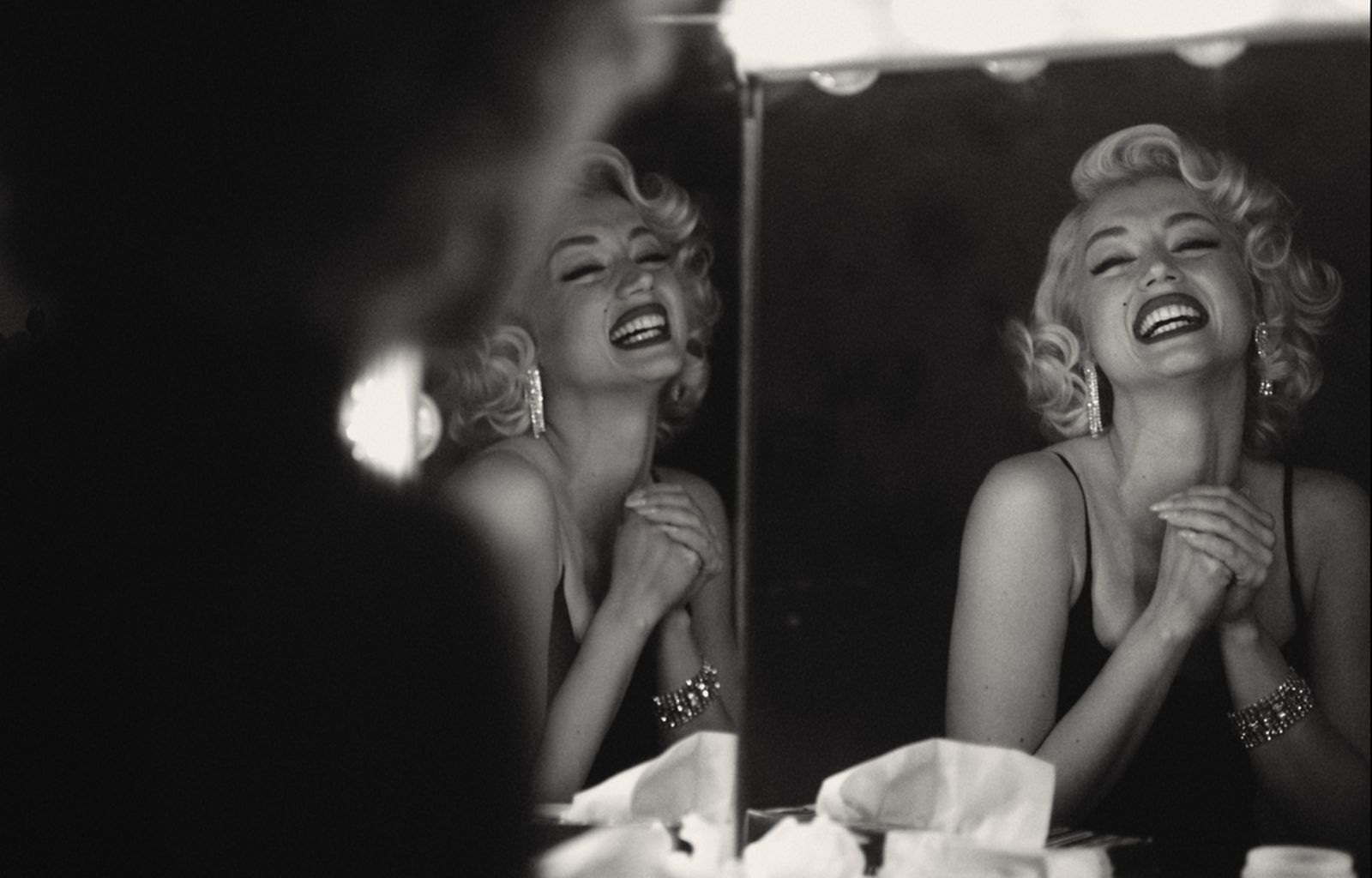
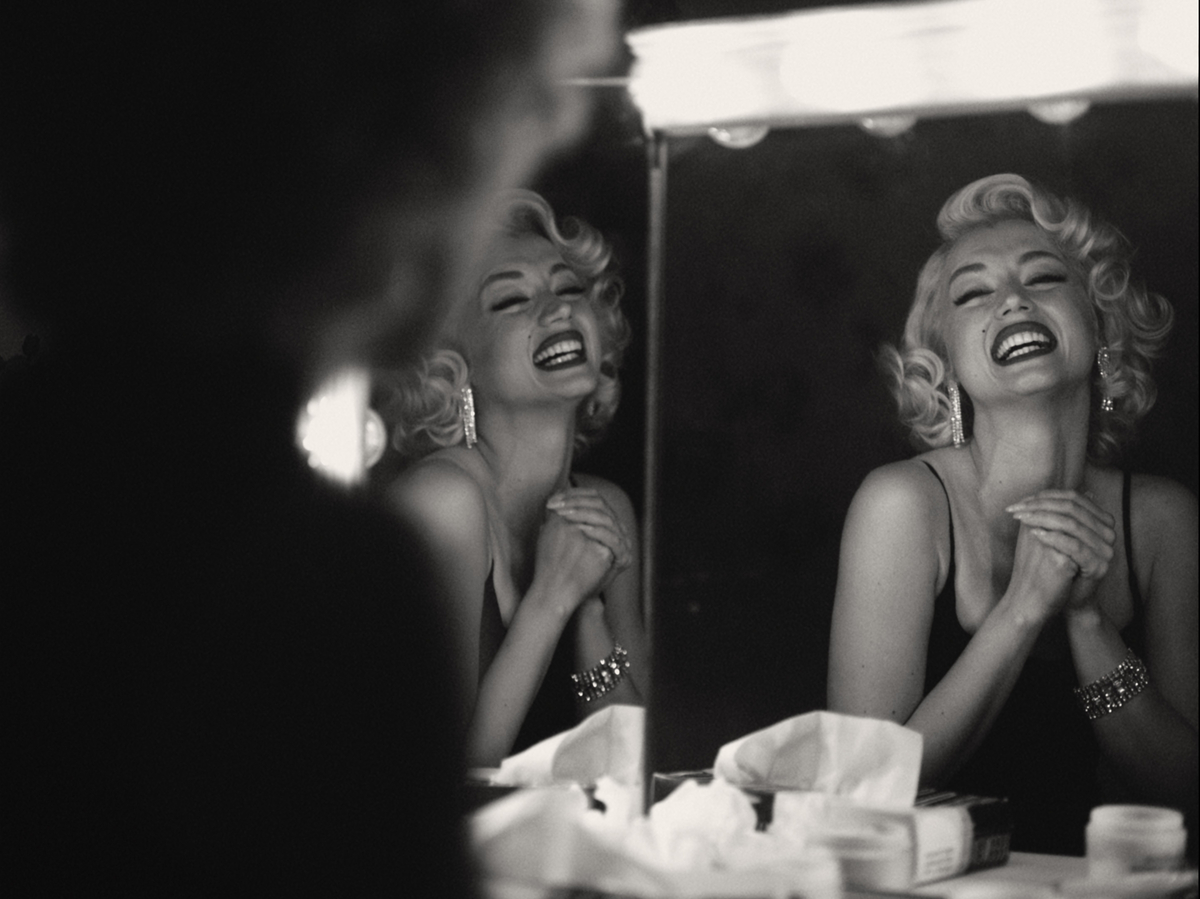
From the childhood and adolescence of Norma Jeane, a small-town girl who grows up without a father and with a troubled mother, to the creation of Marilyn Monroe, Hollywood star and the most famous and desired woman in the world, the arc of a life divided between a public self, constantly in the spotlight and relentlessly pursued by the gaze of others, and a private self in existential crisis and mounting distress. A reinterpretation of the greatest cinematic icon of the 20th century, based on Joyce Carol Oates’s celebrated novel of the same name.
Biography
film director
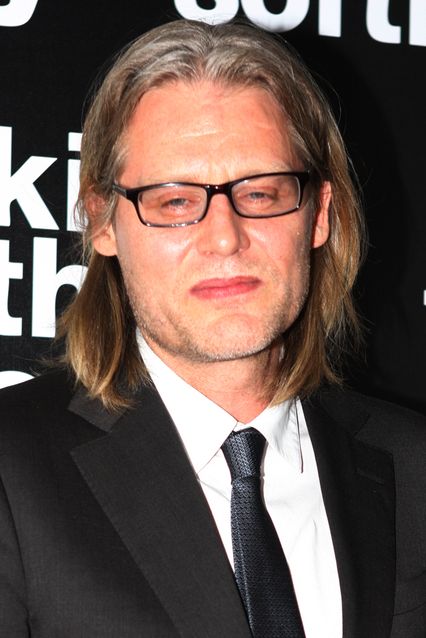
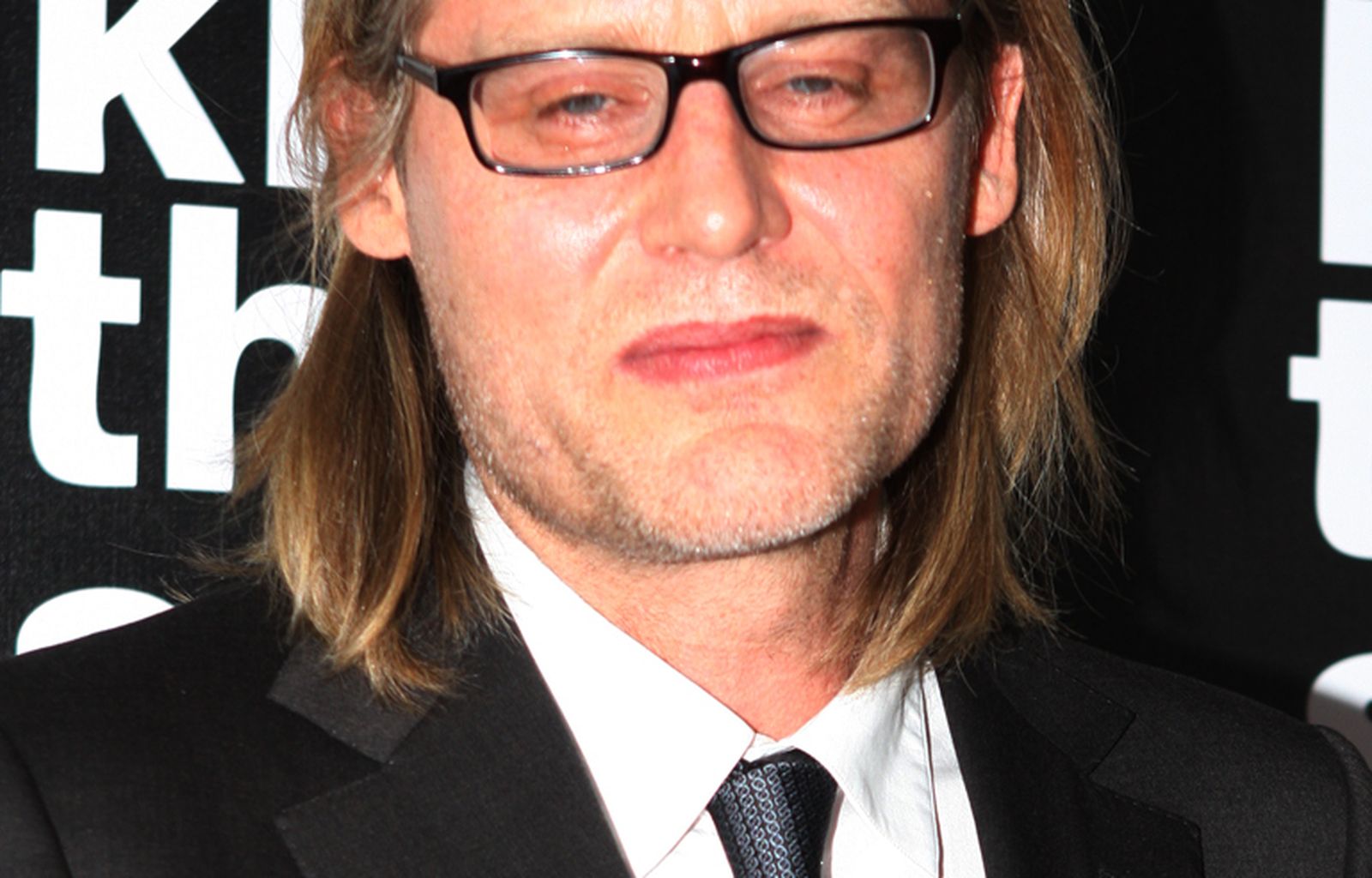
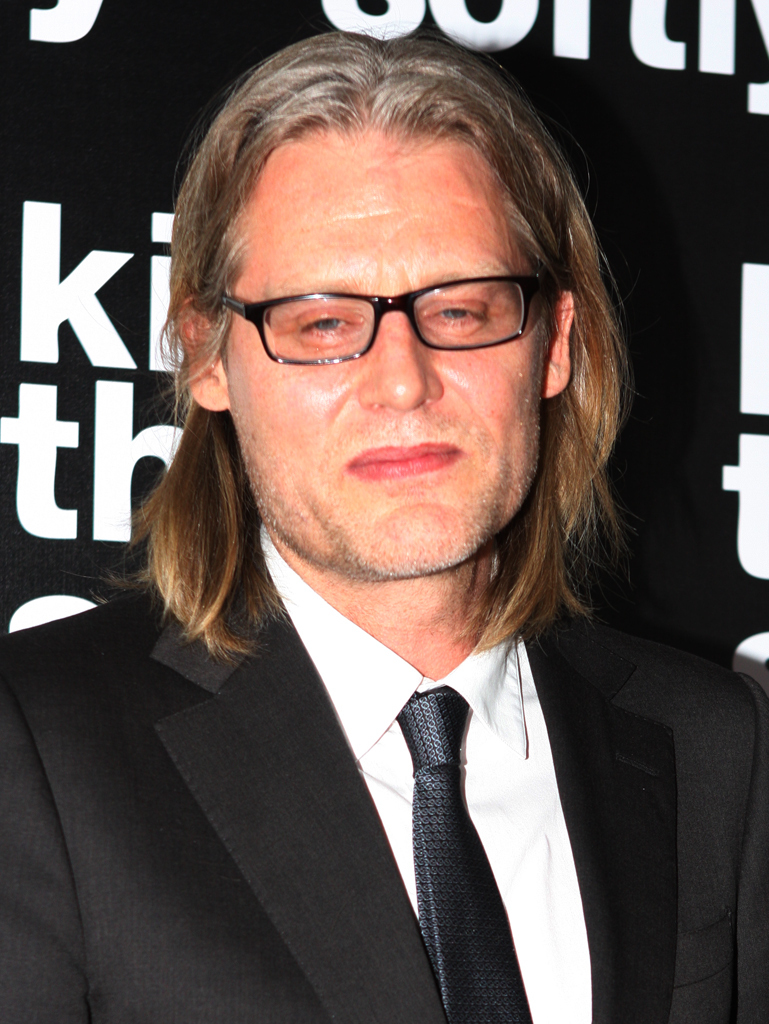
Andrew Dominik
(Wellington, New Zealand, in 1967) grew up in Australia and studied at Swinburne Film School in Melbourne. After working in television and advertising, he made his feature-film debut with Chopper (2000), which earned him the Australian Film Institute Award for Best Direction. In 2007, he directed The Assassination of Jesse James by the Coward Robert Ford, in competition in Venice, followed by Killing Them Softly (2012), competition in Cannes. In 2016, he made One More Time with Feeling, a documentary about Nick Cave and the recording of the album Skeleton Tree. In 2019, he directed two episodes of the series Mindhunter. In 2022, he reunited with Nick Cave and Warren Ellis for the documentary This Much I Know to Be True and directed Blonde, which premiered in competition at Venice. In 2025, he directed another music documentary, Bono: Stories of Surrender.
FILMOGRAFIA
Chopper (2000), The Assassination of Jesse James by the Coward Robert Ford (L’assassinio di Jesse James per mano del codardo Robert Ford, 2007), Killing Them Softly (Cogan - Killing Them Softly, 2012), One More Time with Feeling (doc, 2016), Mindhunter (serie tv, 2019), Blonde (2022), This Much I Know to Be True (doc, 2022), Bono: Stories of Surrender (doc, 2025).
Declaration
film director
“Is it possible to see the world outside of our traumas, outside of our fears and desires? And if you’re an object of desire, is the world seeing you, or its own projected needs? Marilyn Monroe once said: ‘When you’re famous, you’re always running into people’s unconscious.’ How does an unwanted child deal with becoming the most wanted woman in the world? Does it require her to split herself in half? Turn a dazzling image toward the world, as the unwanted self suffocates within. And isn’t cinema itself a desire machine? Did we somehow kill her by watching?”
Cast
& Credits
DIRECTOR: Andrew Dominik. STORY: based on the novel Blonde by Joyce Carol Oates. SCREENPLAY: Andrew Dominik. CINEMATOGRAPHY: Chayse Irvin. EDITING: Adam Robinson. PRODUCTION DESIGN: Florencia Martin. COSTUME DESIGN: Jennifer Johnson. MUSIC: Nick Cave, Warren Ellis. SOUND: Lisa Pinero. CAST: Ana de Armas, Adrien Brody, Bobby Cannavale, Xavier Samuel, Julianne Nicholson, Lily Fisher, Evan Williams, Caspar Phillipson, Toby Huss, David Warshofsky, Sara Paxton, Scoot McNairy, Garret Dillahunt. PRODUCTION: Brad Pitt, Dede Gardner, Jeremy Kleiner for Plan B Entertainment. CONTACT: Netflix www.netflix.com