

Country: France
Year: 2026
Duration: 88'
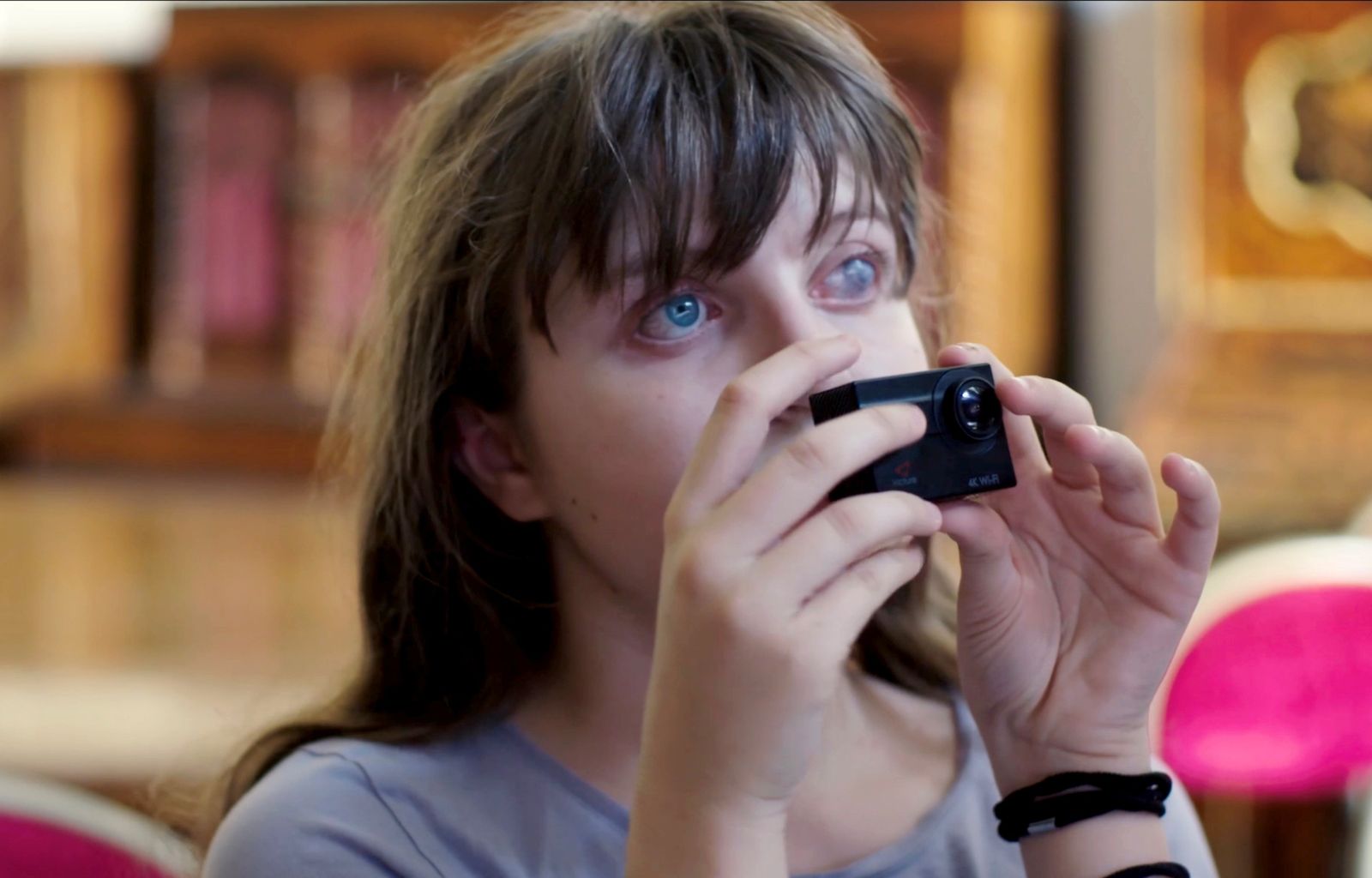
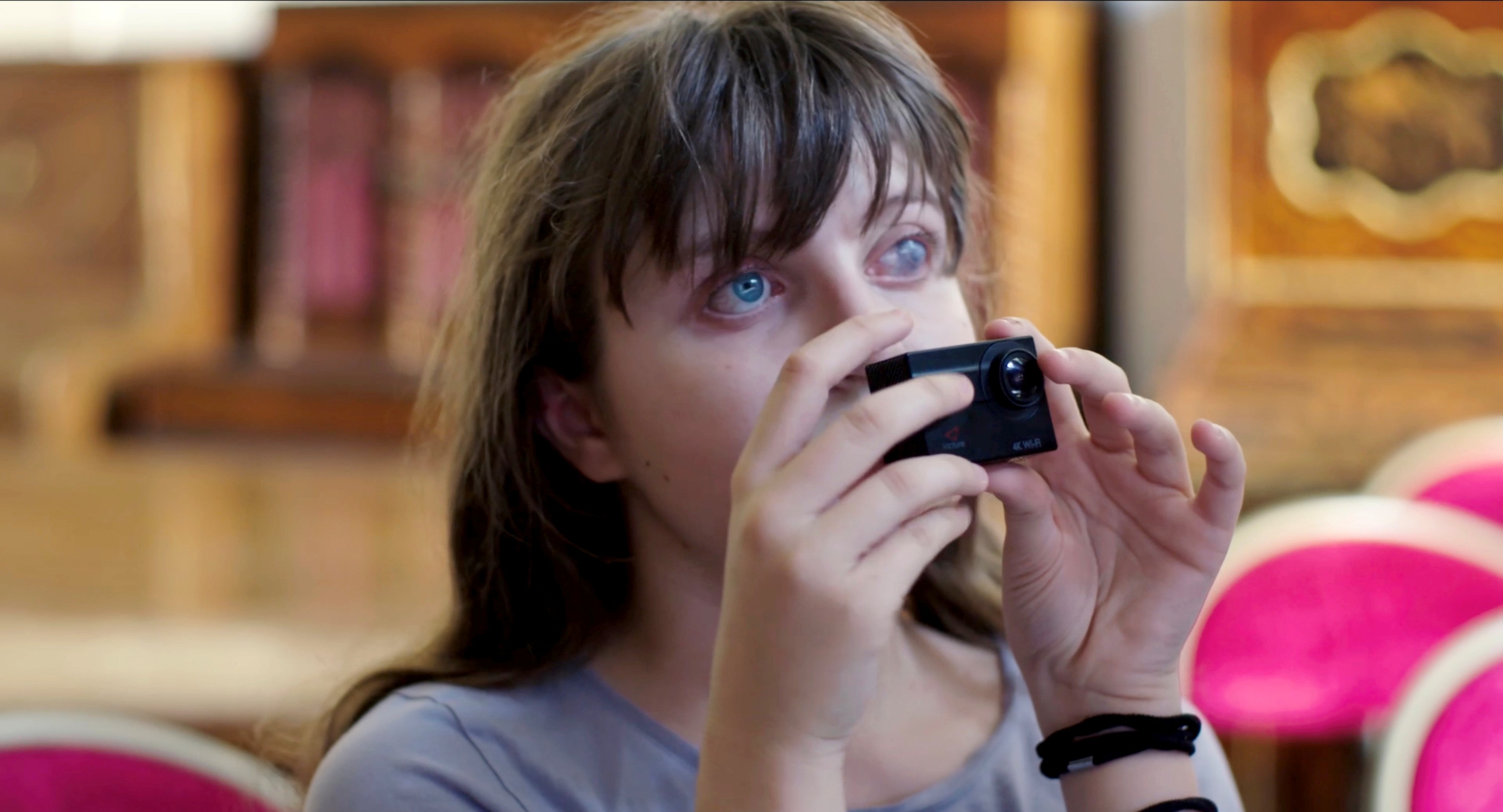
Shot at the National Institute for the Young Blind in Paris, a collaborative film created with five visually impaired students. Moving between observational cinema and collective invention, Éric Baudelaire questions the very notion of the gaze and the construction of images when our perception of the world relies on senses other than sight. Gradually, it unfolds an expanded experience of perception and redefines the idea of the visible itself through those who do not “see,” yet teach us how to see anew.
Biography
film director
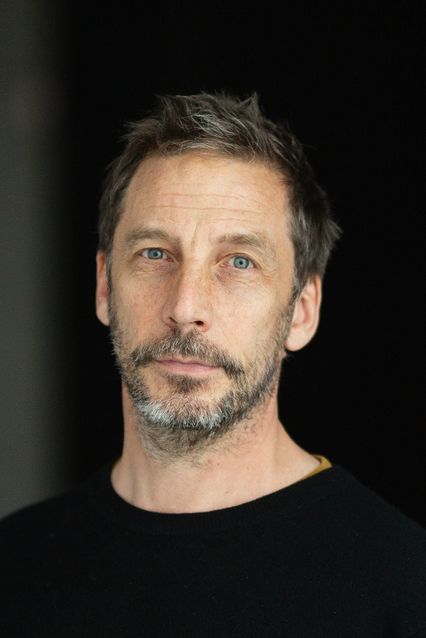
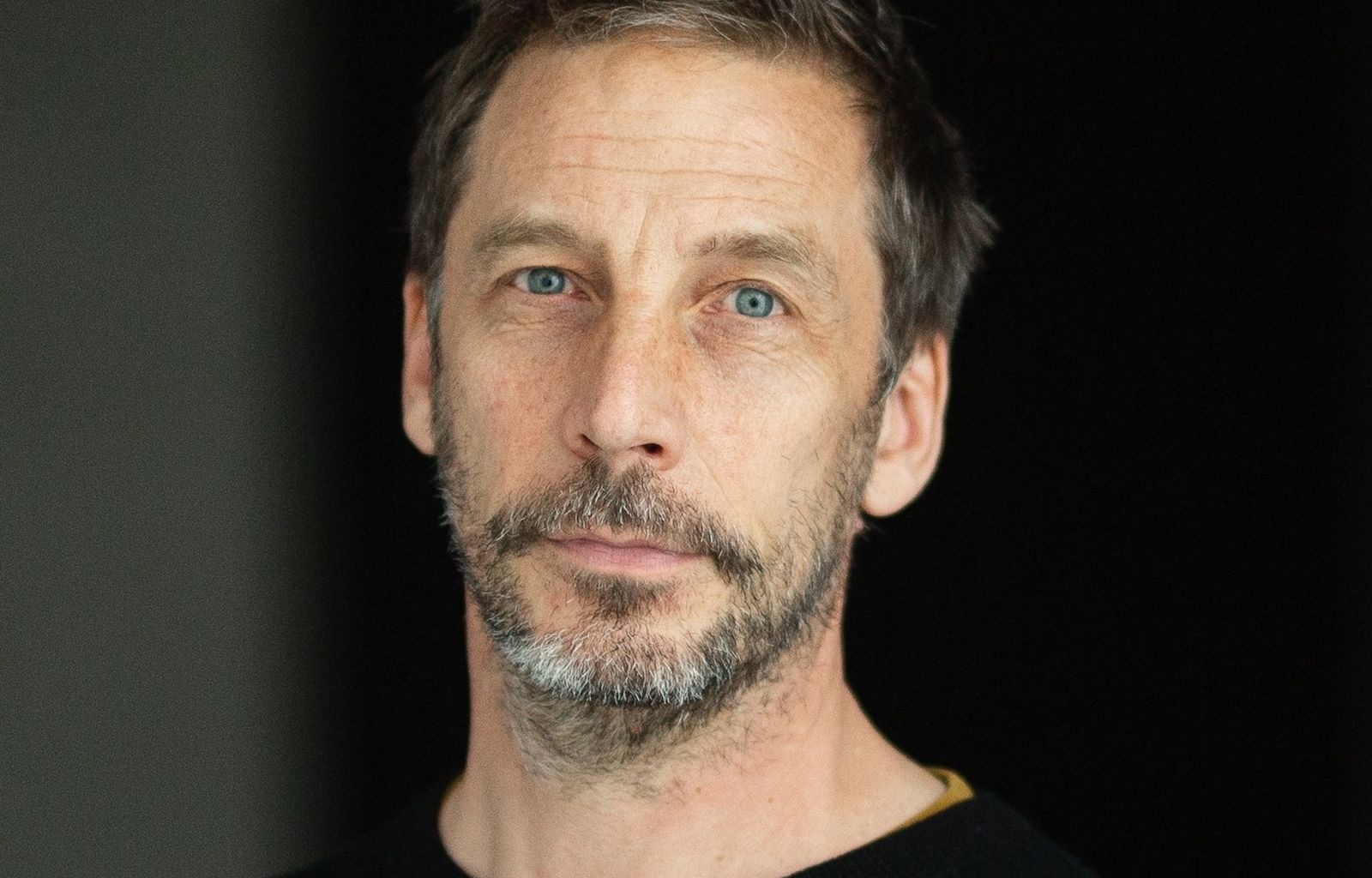
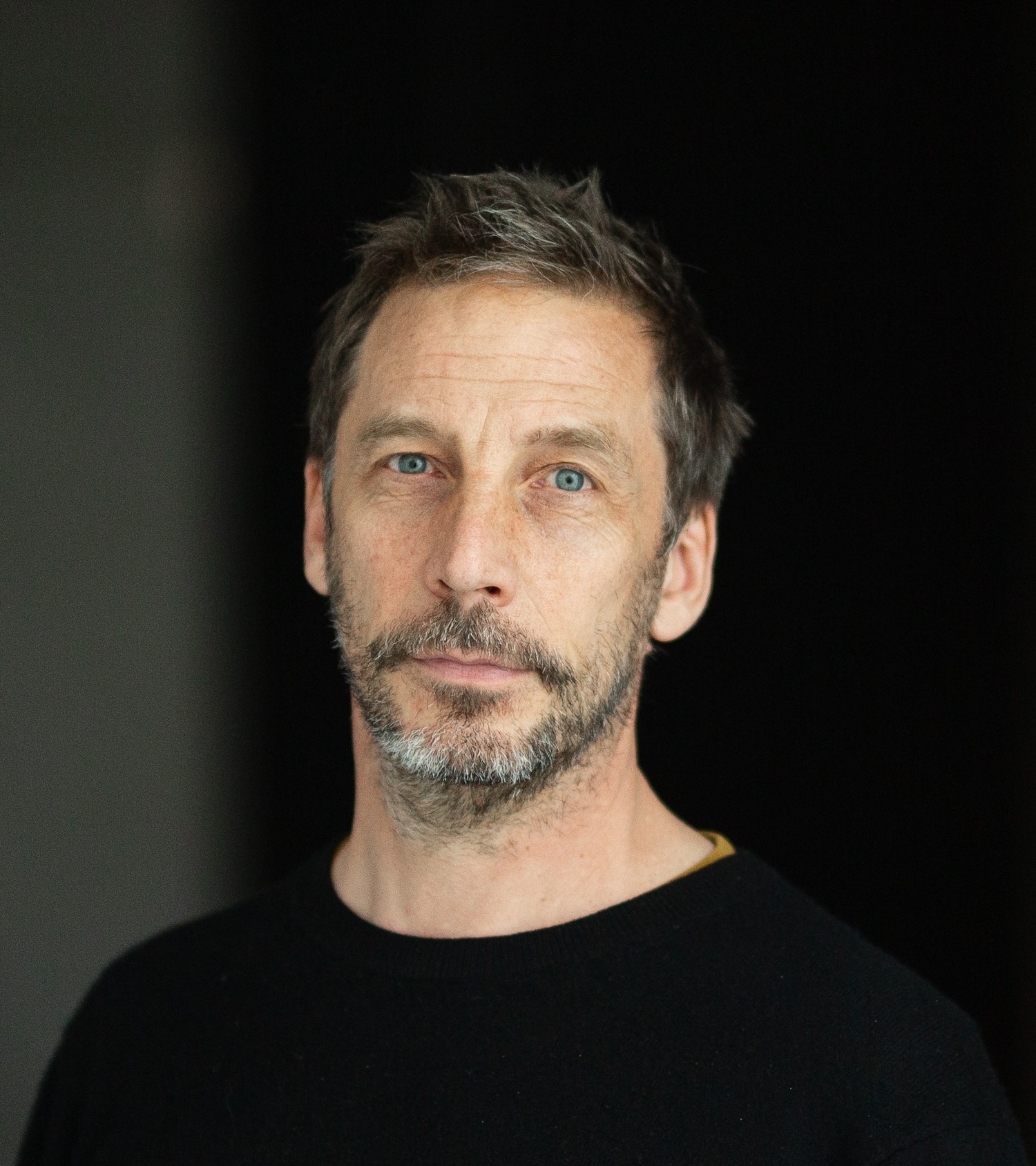
Éric Baudelaire
(Usa) after training as a political scientist, became a photographer and then an artist before cinema emerged, from 2011 onward, as the central focus of his work. At the intersection of documentary and fiction, his films explore political narratives, the blind spots of contemporary history, and collaborations that blur the traditional notions of authorship. Presented at numerous international festivals, his work also circulates in the form of exhibitions. His work has bis currently on view at the Venice Biennale 2026.
FILMOGRAFIA
The Makes (cm, 2009), Sic (cm, 2010), L’Anabase de May et Fusako Shigenobu, Masao Adachi, et 27 années sans images (doc, 2011), The Ugly One (2013), Lettres à Max (2014), Also Known as Jihadi (doc, 2017), Walked the Way Home (cm, 2018), Un Film dramatique (2019), The Glove (cm, 2020), Une Fleur à la bouche (2022), When There Is No More Music to Write (doc, 2022), Car la lune (doc, 2026).
Declaration
film director
“Beginning, in its first minutes, as a documentary by Frederick Wiseman might have, Éric Baudelaire’s film moves toward a zone I once believed impossible to reach when dealing with blindness and visual impairment, and succeeds in turning the disturbance that results into a utopian promise. To put it differently, without revealing too much, I learned while watching it that it is possible to give to see what cannot be seen, while remaining the subject of that gift.” (Philippe Mangeot)
Cast
& Credits
DIRECTOR, SCREENPLAY: Éric Baudelaire. CINEMATOGRAPHY: Claire Mathon. EDITING: Claire Atherton. SOUND: Éric Lesachet. CAST: Mèï Jendoubi, Jade Ebara Ossebi, Iris Fontanella, Crystal Lau Chang, Kadiatou Diakite. CONTATTO: Éric Baudelaire
info@baudelaire.net