

44° TORINO FILM FESTIVAL
FEATURE FILMS COMPETITION
IL PRIMO GIORNO DI VITA DI LEONARDO REVELLI, FIGLIO UNICO
by Stefano Grasso
Country: Italy
Year: 2026
Duration: 108'
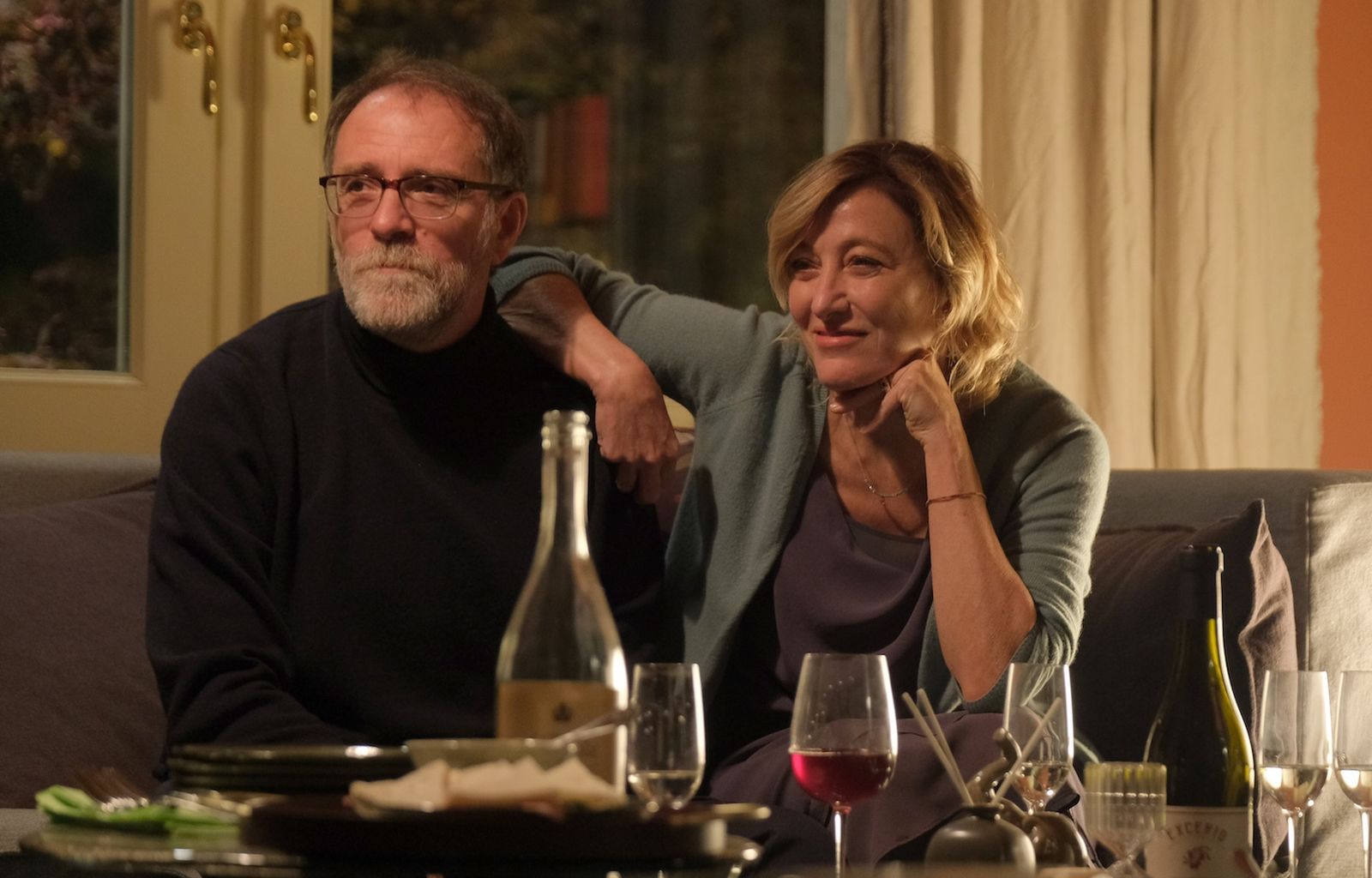
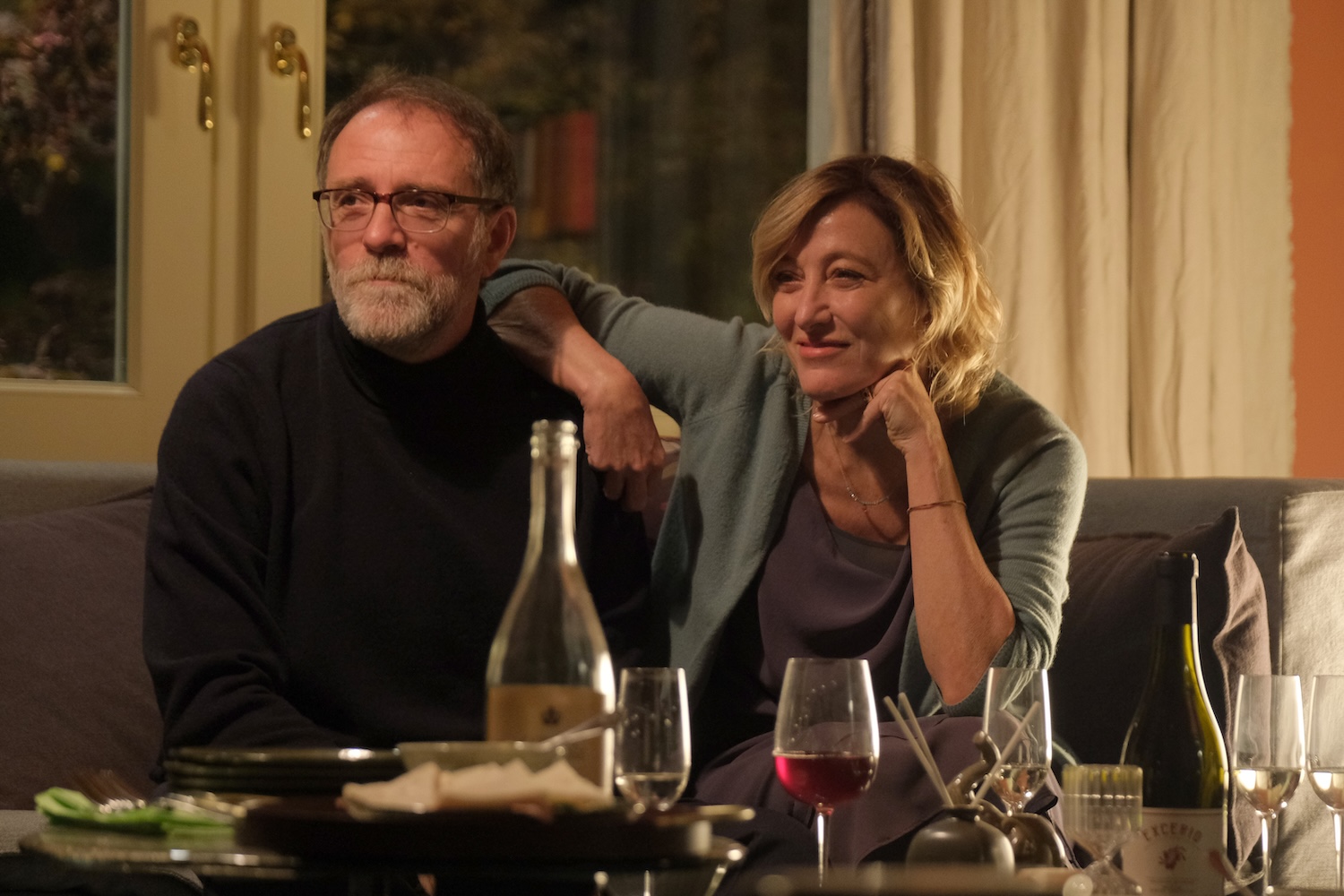
Leonardo Revelli has everything to be happy: his first written film is coming out in cinemas, the love of a French girl whom he reciprocates deeply, and two parents who have always made him feel special since childhood. So special that Leonardo ended up believing it, an only child in both senses. Giovanni and Laura, established psychoanalysts from Turin, have built around him a family unit held together by a precise mythology: no form of mediocrity is contemplated, and pain is banned. When Laura is struck by a serious illness, her husband falls into a despair that makes him unrecognizable, revealing himself without inhibitions for what he is: a misfit in practical and emotional life. Leonardo suddenly finds himself without certainties or points of reference, in a two-person relationship with his father that mirror-like shows him to be just one of many.
Biography
film director
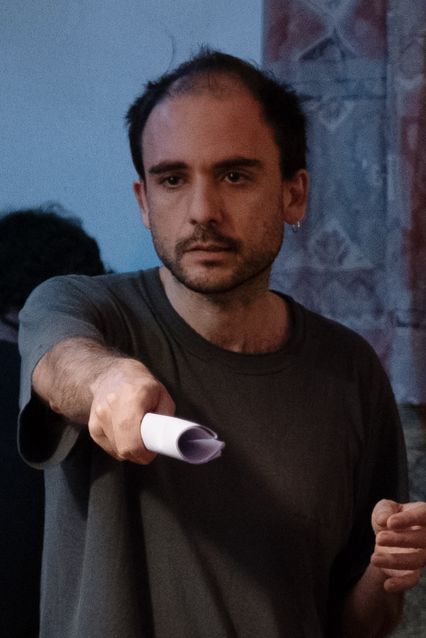
Stefano Grasso
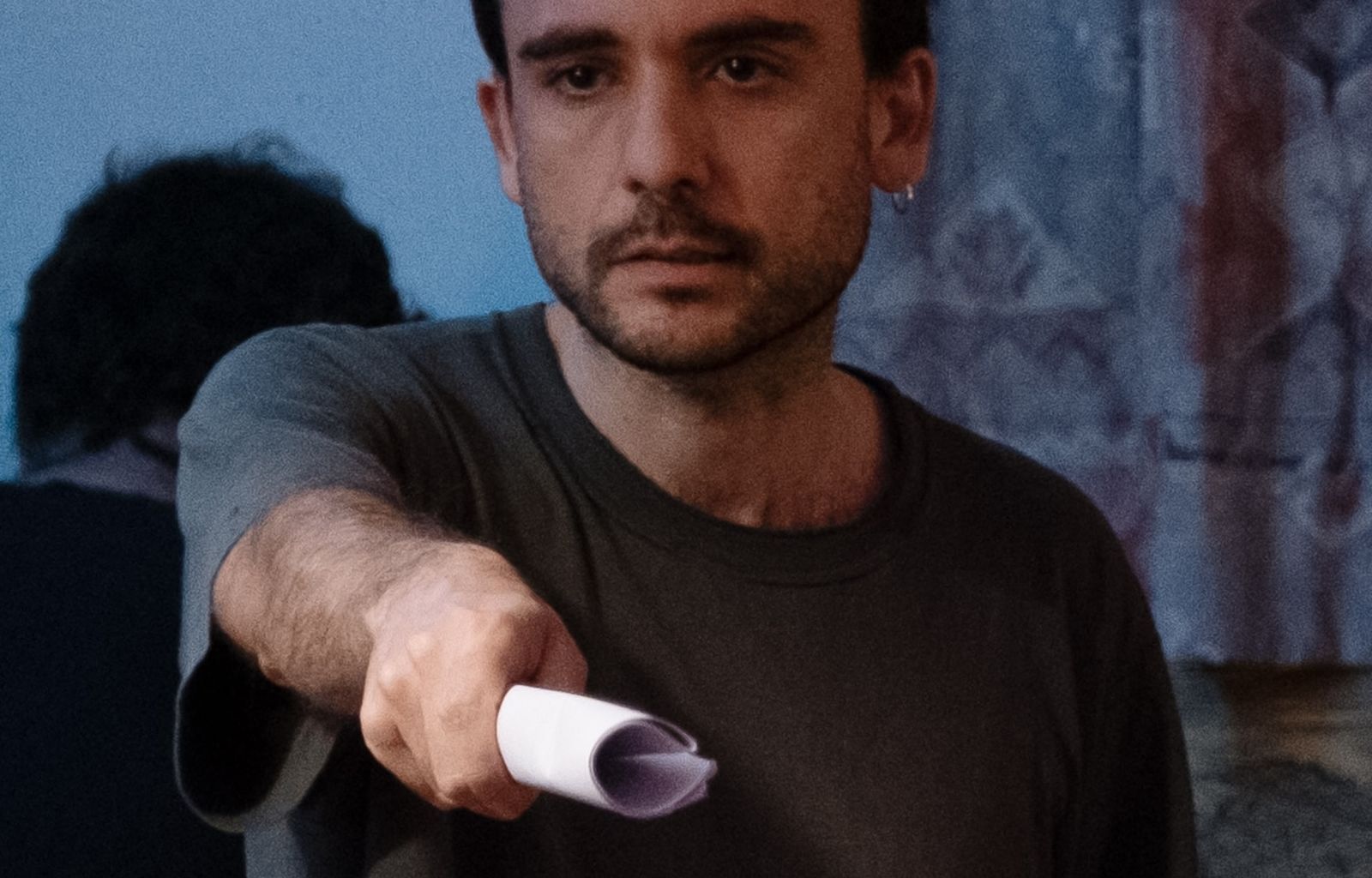
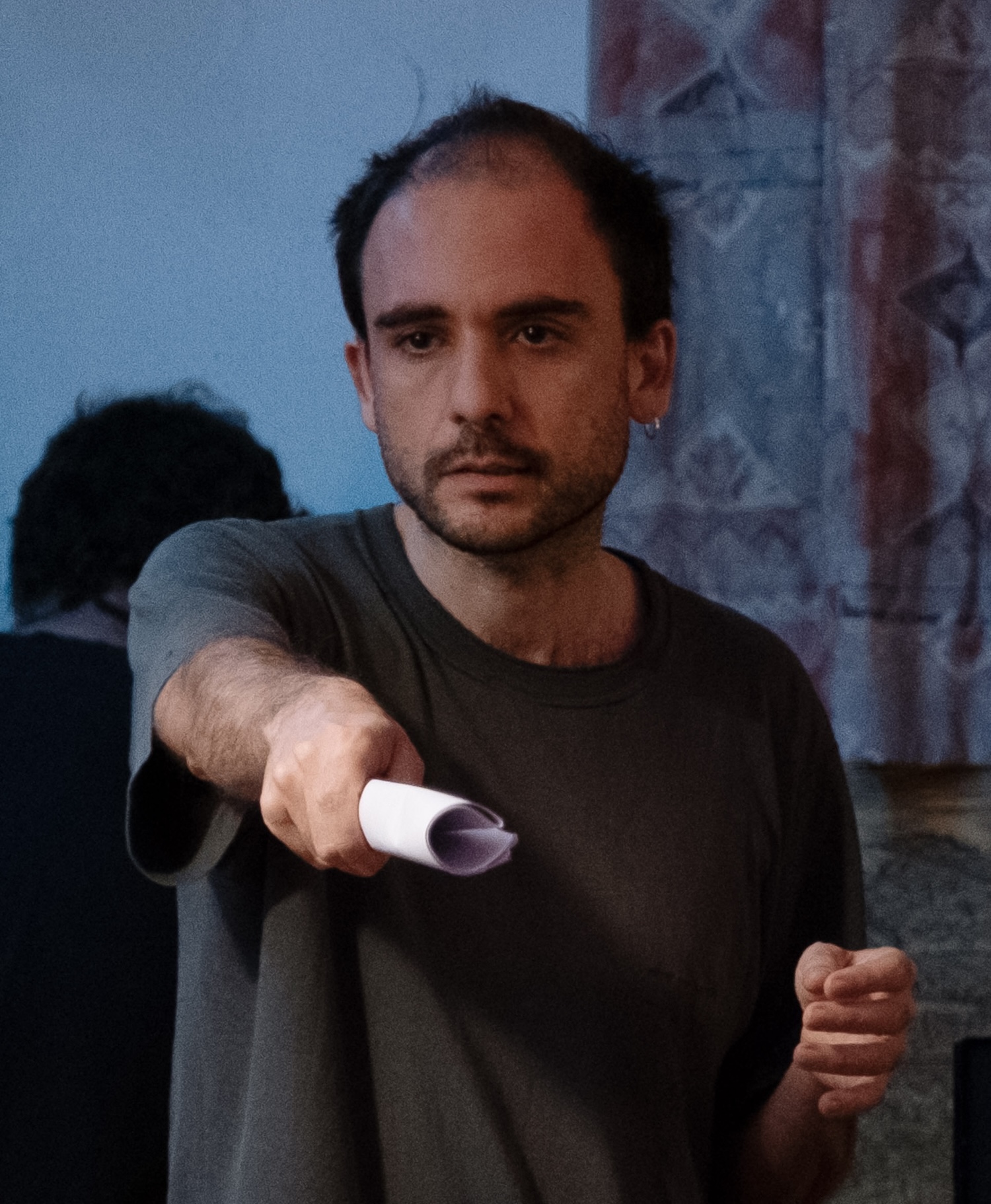
(Italy), a graduate of the Centro Sperimentale di Cinematografia, has been working as a screenwriter for films and TV series since 2009. He wrote the screenplays for Levi Riso’s films Più buio di mezzanotte (2014) and Una famiglia (2017); the former was presented at the Semaine de la critique in Cannes, and the latter was in competition at the Venice Film Festival. Il primo giorno di vita di Leonardo Revelli, figlio unico, about an only child, is his directorial debut.
FILMOGRAFIA
Il primo giorno di vita di Leonardo Revelli, figlio unico (2026).
Declaration
film director
“Leonardo Revelli, the only child of the title, is me. This film stems from my story, with very little fictionalization. My mother’s sudden illness and her death within two weeks shattered a balance I thought was perfect: my father and I became two castaways, clinging to a family mythology founded on the idea of the special child, the predestined genius. That mourning liberated me from an identity built on towering expectations. Bell’s palsy, which struck me shortly after, was the definitive signal: the extraordinary child had to die so that I could be reborn as an adult, finally real. I spared nothing to anyone, not even to myself.”
Cast
& Credits
DIRECTOR, SCREENPLAY: Stefano Grasso (story and screenplay also by Massimo Gaudioso, Giuditta Avossa, Caterina Venturini). CINEMATOGRAPHY: Luca Bigazzi. EDITING: Stefano Cravero AMC. PRODUCTION DESIGN: Alessandra Mura. MUSIC: Giulia Tagliavia. SOUND: Mirko Guerra, Gianni Pallotto. CAST: Valerio Mastandrea, Francesco Gheghi, Valeria Bruni Tedeschi, Angelina Rose Woreth, Chiara Caselli, Astrid Casali. PRODUCTION: Andrea Occhipinti, Serena Sostegni, Stefano Massenzi for Lucky Red and Academy Two with Rai Cinema. COPRODUCTION: Vision Distribution, Sky. CONTACT: Vision Distribution - www.visiondistribution.it