

Country: Italy
Year: 2026
Duration: 96'
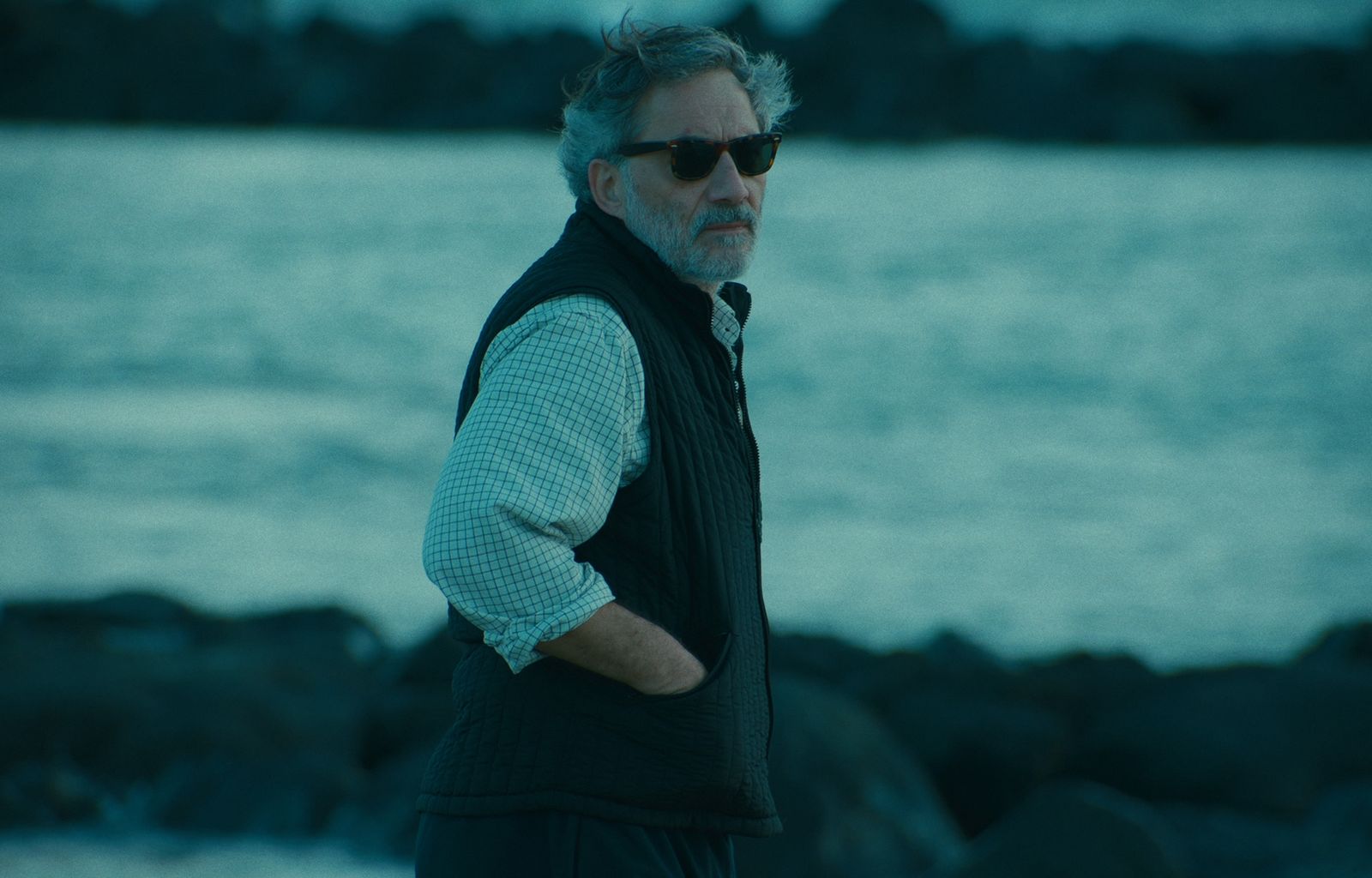
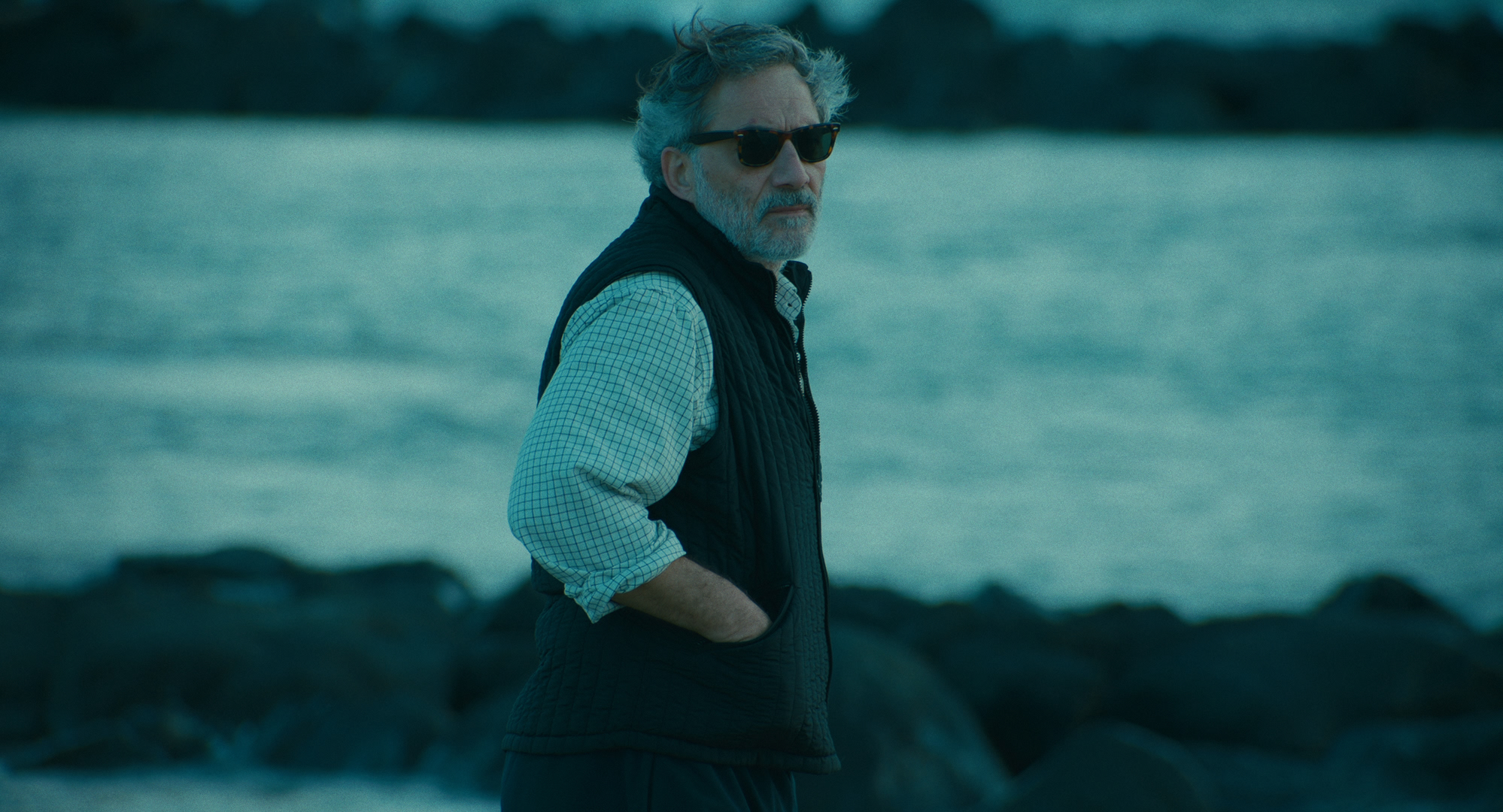
At eleven, Nicola is forced by his father, Lucio, to kill a man. To make him disappear, Lucio then sends him to Mexico. Nicola grows up in the care of his uncle Nando, who raises him while making him believe that his father is dead. Twenty years later, however, the past catches up with him: Nando reveals that Lucio is still alive. Determined to confront the man who destroyed his childhood, Nicola returns to Calabria under a false identity. Lucio fails to recognize the young stranger as the son he abandoned, yet senses something strangely familiar about him. A relationship built on silences, half-truths, and restrained gestures develops between the two, until the charade collapses and the truth finally comes to light.
Biography
film director
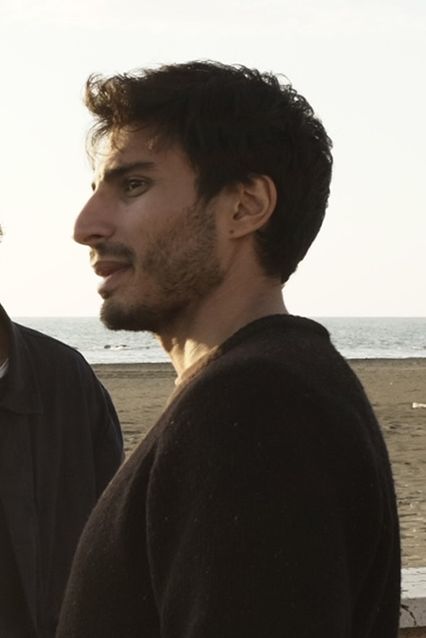
Ernesto Maria Censori
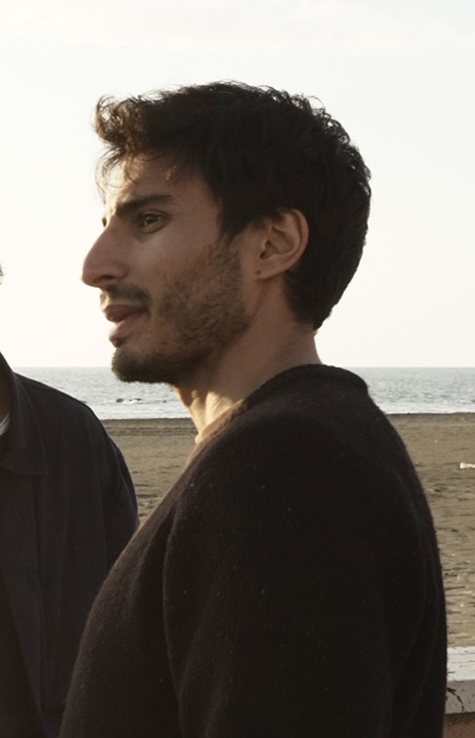
(Italy) moved to Rome after graduating from high school. After his first experiences in film production departments, from 2017 to 2019 he studied at the Centro Sperimentale di Cinematografia in Rome, where he made short films, music videos, and a documentary. Together with Lorenzo Marinelli and Fabrizio Mazzeo, he won the Best Screenplay Award at the HP Master of Short Film Competition in Cannes with Feel Like Sharing? (2017). Red Paint, made for The Red Hour, a series resulting from a collaboration between the CSC and Campari, was presented in Venice. He subsequently worked on the set of Daniele Luchetti’s Lacci (2020) and, in the same year, directed Ninnaò, which received awards in Italy and abroad. L’ora più bella is his feature debut.)
FILMOGRAFIA
9 e 40 (doc, 2017), U’ Sarcinale (cm, 2019), Red Paint (cm, 2019), Ninnaò (cm, 2020), L’ora più bella (2026).
Declaration
film director
“L’ora più bella explores violence not as an isolated episode, but as an inheritance: something passed down through blood, language, silence, and the very idea of belonging. Nicola’s journey seeks neither legal justice nor easy redemption. It is an attempt to reclaim his identity from the man who shaped it. The film sets two worlds against each other. Mexico is the distance created in order to survive; Calabria is the place where memory and origins converge once again. Between these two poles, the sea becomes at once a border, a witness, and a means of erasure. But water does not absolve: it gives Nicola back the freedom to choose.”
Cast
& Credits
DIRECTOR: Ernesto Maria Censori. STORY, SCREENPLAY: Ernesto Maria Censori, Lorenzo Marinelli. CINEMATOGRAPHY: Andrea Benjamin Manenti. EDITING: Chichi Taddeucci. PRODUCTION DESIGN: Marcella Mosca. COSTUME DESIGN: Eirini Pandi. MUSIC: Samuele De Biase. SOUND: Arianna De Luca. CAST: Andrea Arcangeli, Filippo Timi, Sasà Striano, Havana Alfarano, Peppe Servillo, Marjo Berasategui, Lorenzo Celani Mejia, Leonardo Zaia, Swamy Rotolo, Luigi Diberti. PRODUCTION: Giorgio Gucci for Alcor, Fulvio and Federica Lucisano for Italian International Film. COPRODUCTION: Rai Cinema. CONTACT: Fabio Tucci, True Colors fabio@truecolours.it