

Country: Italy
Year: 2026
Duration: 71'
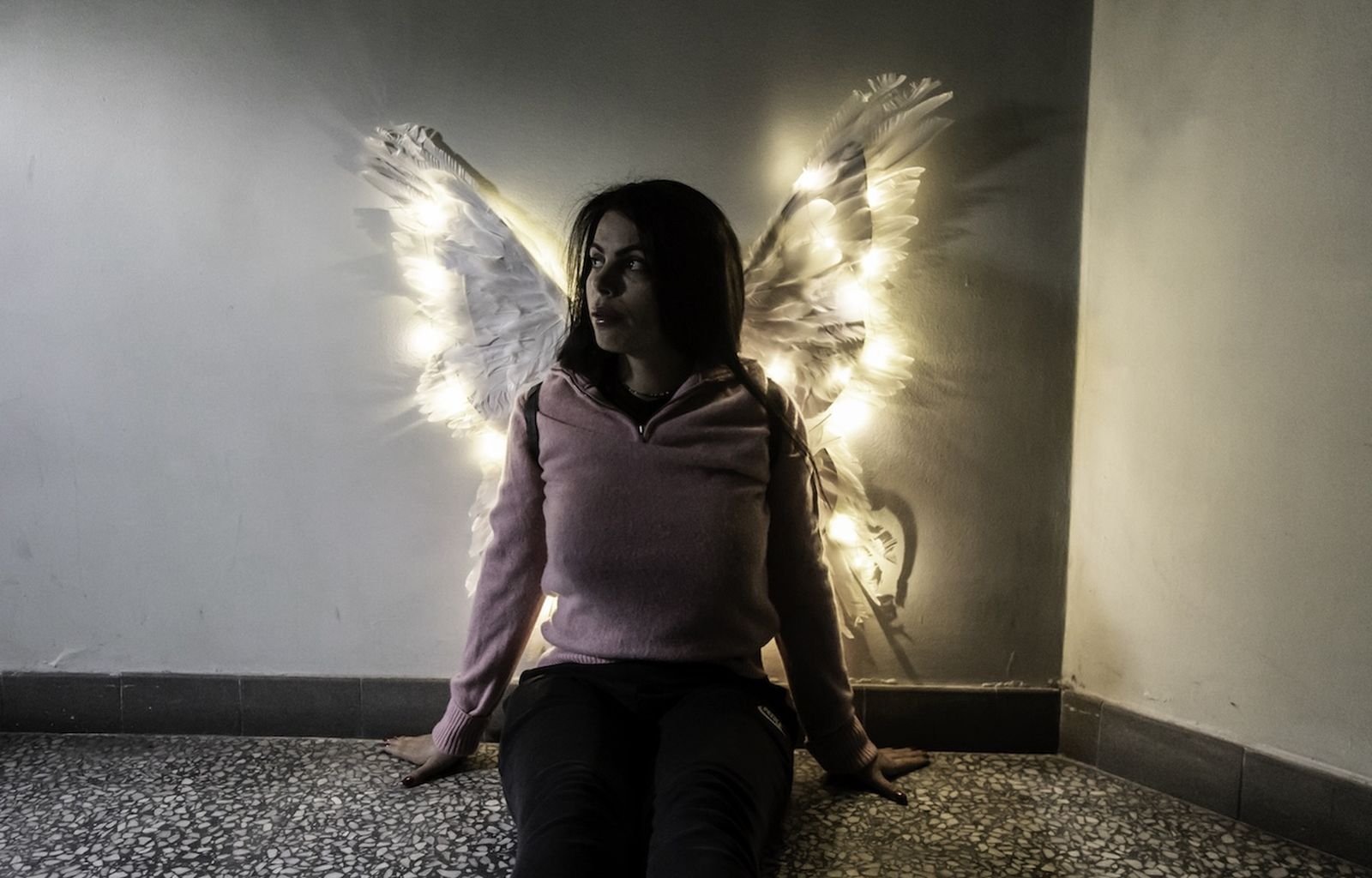
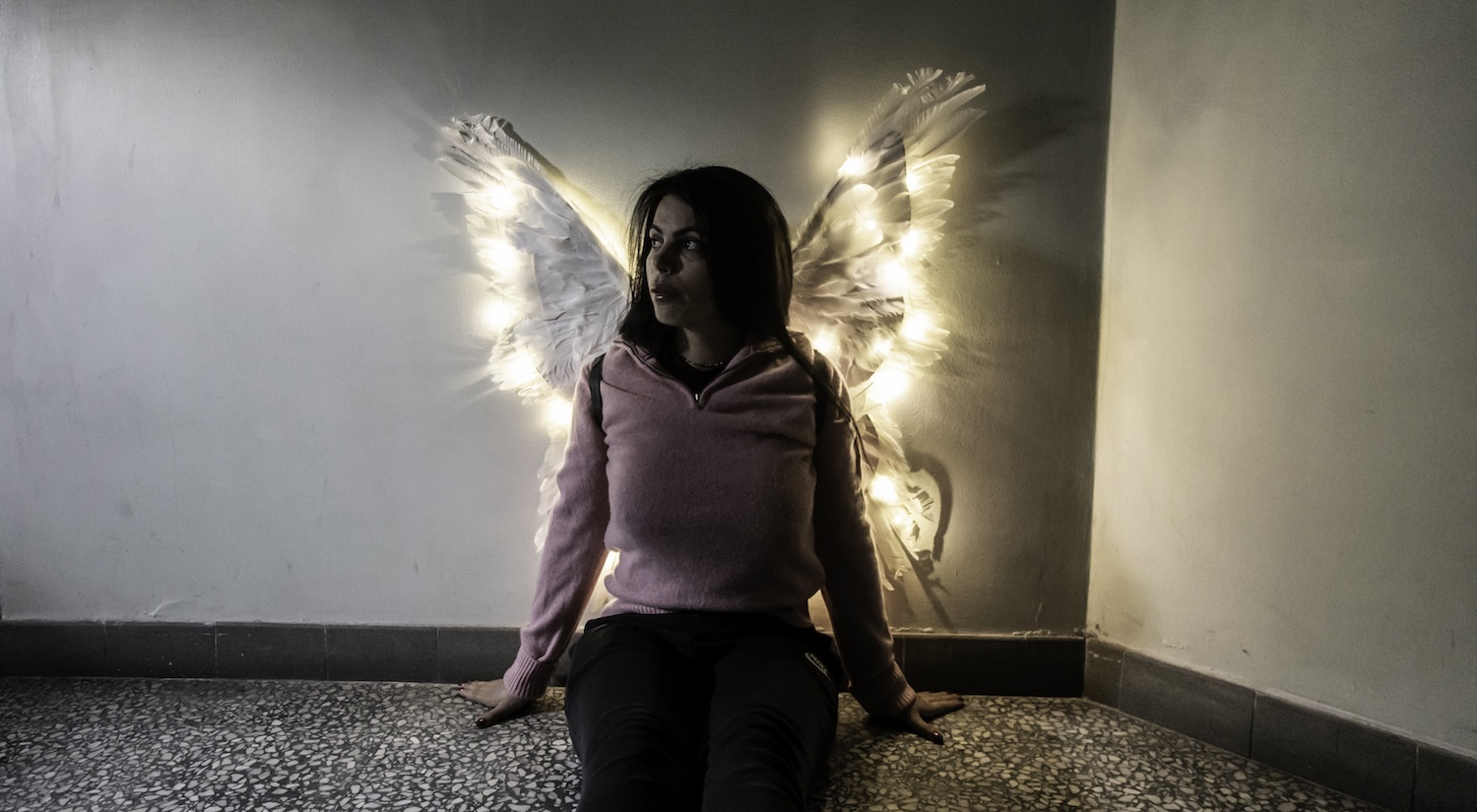
The film documents the theatrical and cinematic staging of a group of incarcerated women, transformed into a company of performers who tell their own stories. The narration of crime, imprisonment and multiple truths is removed from the realm of news reporting and restored to the universal dimension of tragedy. Isolated against a black background, each performer takes personal responsibility for her own ethical and aesthetic choices. The film takes place inside the women’s sections of Milan’s Bollate and San Vittore prisons. Here, far removed from the rhetoric of collective pity and the sociological categories of deviance, a radical formal choice is made: the protagonists are isolated against an entirely black background. Under this geometric, surgical light, stripped of environmental alibis and systemic justifications, the State disappears, leaving only the individual. Transcending the cell does not mean escaping through anarchy, but through the rigor of technique. Hence the title, Le Angelesse (id: Female angels): their angelic flight is the paradoxical emancipation of the mind, which, through the confines of the stage, rediscovers individuality, private dignity and personal freedom, even under conditions of imprisonment.
Biography
film director
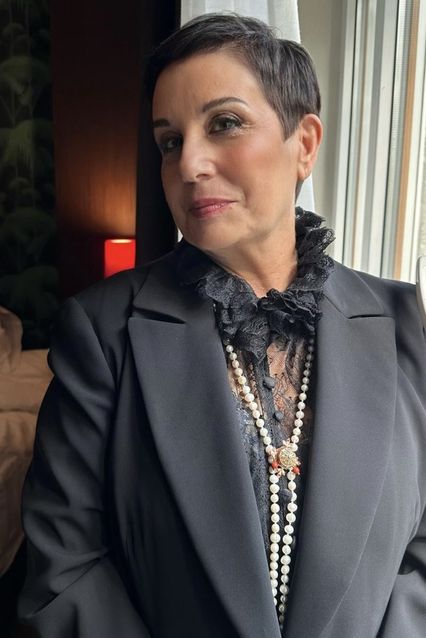
Roberta Torre
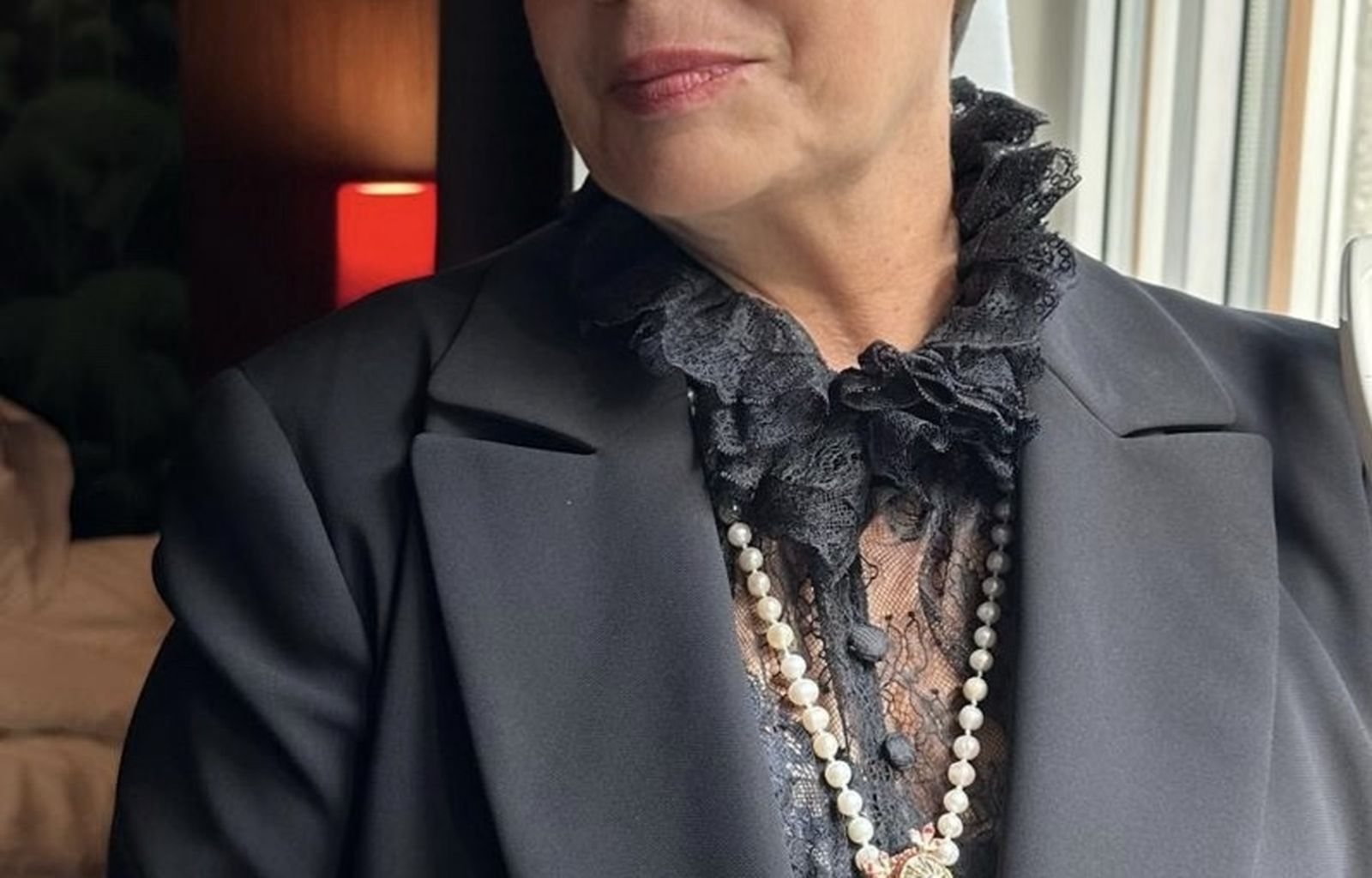
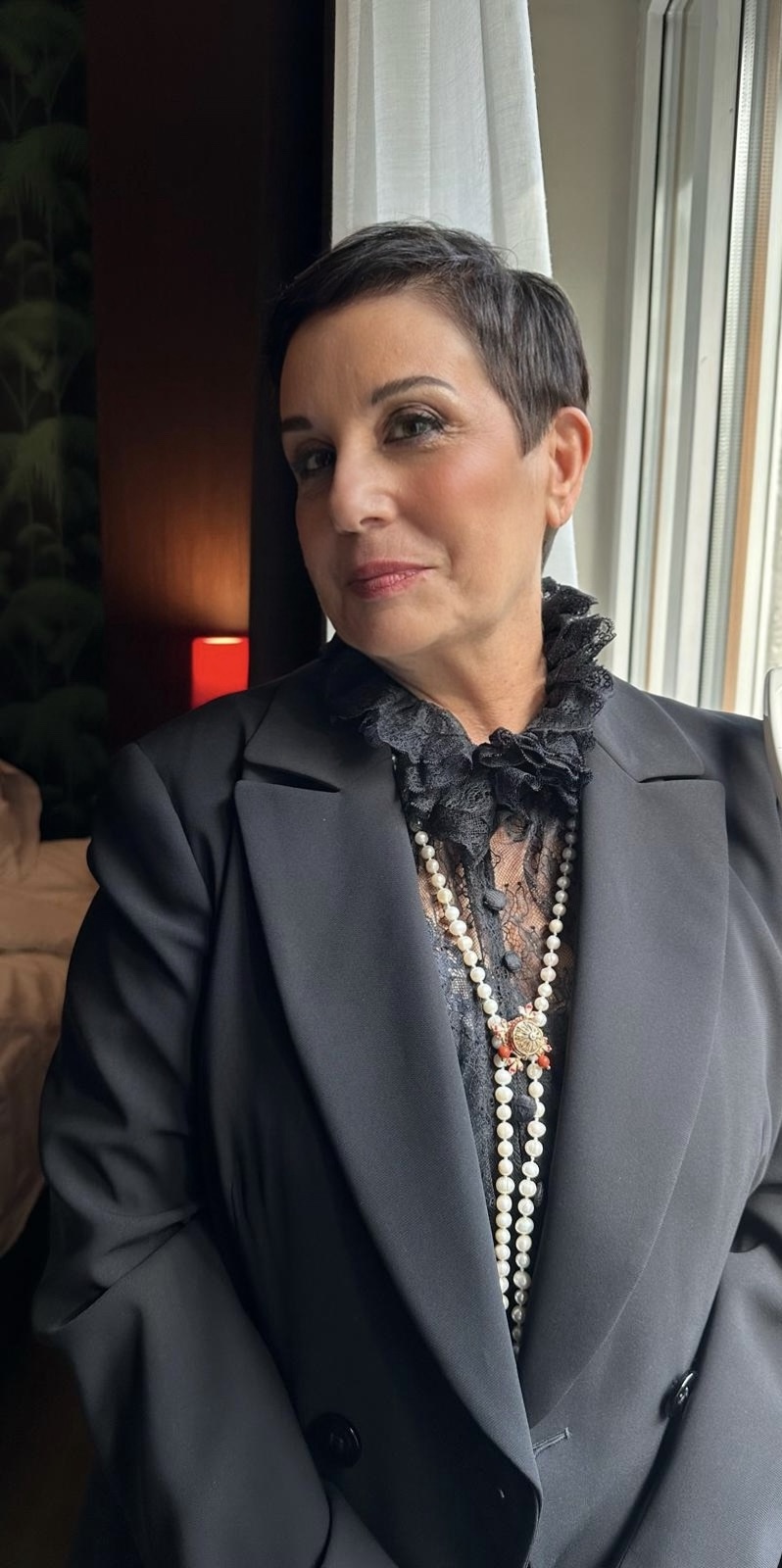
(Milan, Italy, 1962), a film and theatre director and writer, she is recognised as one of the most eclectic artists on the contemporary Italian scene. She made her debut with Tano da morire (1997), presented at the Venice International Film Festival, where it won the Lion of the Future – Luigi De Laurentiis Award for Best Debut Film, the International Critics’ Week Award and a Special Mention from FIPRESCI. Since then, she has pursued a distinctive artistic path across genres, from reimagining the musical to works poised between fiction and documentary. Her films, including Sud Side Stori (2000), Angela (2002), Mare nero (2006), I baci mai dati (2010), Riccardo va all’inferno (2017), Le favolose (2022) e Mi fanno male i capelli (2023), have been presented at major international festivals in Venice, Cannes, Locarno, Rome, IDFA, Tokyo and Outfest Los Angeles, receiving numerous awards. In 2026, her film Scarpe rotte is presented in the Giornate degli Autori – Notti Veneziane section of the 83rd Venice International Film Festival. Alongside her filmmaking, she pursues an active theatre career, focusing on contemporary reinterpretations of classical works. She is the artistic director of the Teatro Pirandello in Agrigento for the 2025–26 season.
FILMOGRAFIA
Tano da morire (1997), Sud Side Stori (2000), Angela (2002), Mare nero (2006), I baci mai dati (2010), Riccardo va all’inferno (2017), Le favolose (2022), Mi fanno male i capelli (2023), Scarpe rotte (2026), Le Angelesse (doc, 2026).
Declaration
film director
“The film’s principal visual choice was to isolate the protagonists against an entirely black background, precisely to eliminate the sociological alibi. When we see a female inmate inside a grey cell, the audience looks for the source of guilt in the institution, the State or the environment. By removing reality and placing the women against a black background, every systemic justification disappears. All that remains is the individual, standing alone before her own story. I would describe this as an Enlightenment-inspired approach: human beings are fully responsible for their actions, for better or worse. The black background elevates their guilt from the realm of crime reporting to the universal dimension of classical tragedy, in which each person bears responsibility for her own ethical and aesthetic choices.”
Cast
& Credits
DIRECTOR, STORY: Roberta Torre. CINEMATOGRAPHY: Jacopo Loiodice, Mattia Colombo. EDITING: Simona Paggi. MUSIC: Mario Conte. ANIMATION: Roiy Nitzan, Michael Faust. SOUND: Daniele Sosio. CAST: Maria Karissa Musacchia, Xu Linghua, Jennifer Hudorovic, Laura Onofri, Rodica Lacatus, Jocelyn Salazar, Cristina Bozzola, Vilma Valleri, Delia Piemontese, Favour Fred, Mariarca Varlese, Antonella Di Mauro, Beatrice Grazioli, Mirella Ravetti, Samantha Carsetti, Irene Bini, Alessandra Faiella, Vera Molgora, Barbara Maria Pasetti, Jessica Trancucci, Precious Egbe, Cristina Di Rocco, Jessika Pirovano, Lindsay Lino Agurto, Patricia Acosta, Maura Grandi, Ana Belen Prieto Gonzáles, Lizabetta Vicola, Gina-Jenny Burgaletto, Flavia Trentin, Antonietta Biancaniello. PRODUCTION: Faber Produzioni, Stemal Entertainment, Luce Cinecittà with Rai Cinema. CONTACT: Stemal - www.stemal.it