

Country: Taiwan, France
Year: 2026
Duration: 119'
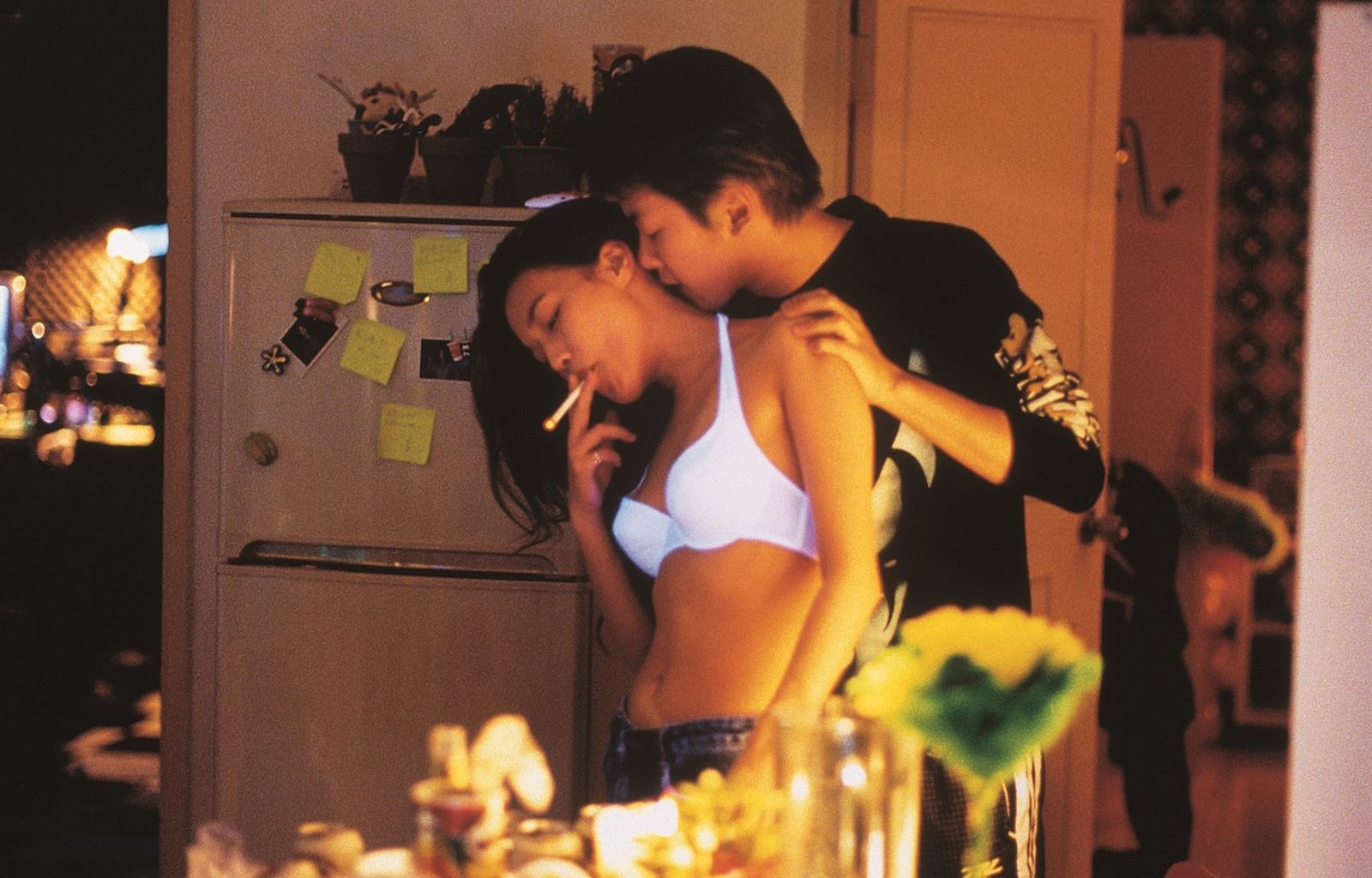
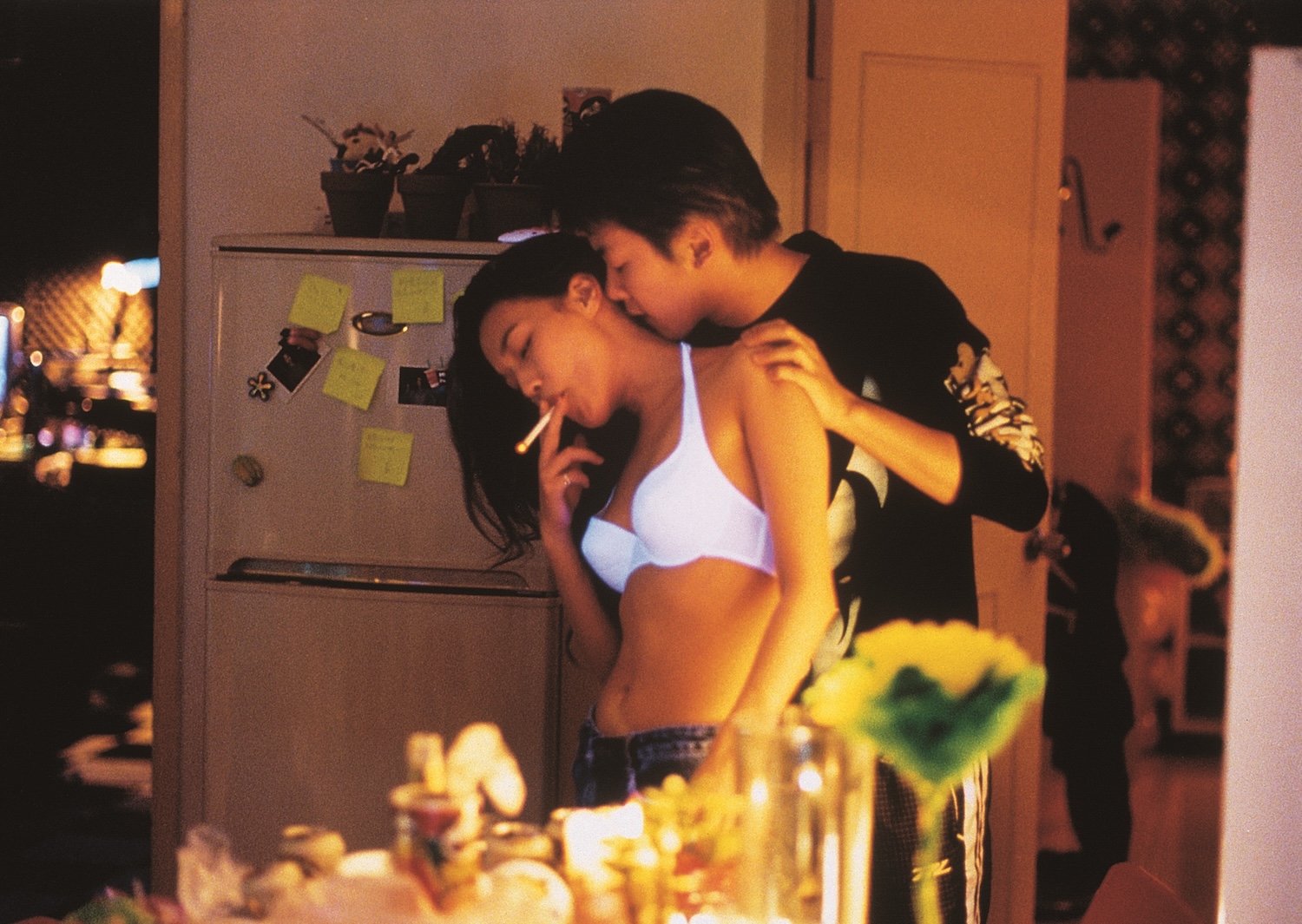
Vicky is a young woman living in Taipei who works as a hostess in a nightclub. At the turn of the millennium, her life oscillates between her troubled relationship with Hao-hao, a possessive and obsessive boyfriend, and her bond with Jack, an older man who offers her refuge and protection. Amid the neon lights of the clubs she frequents, the electronic music she loves, and a daily routine punctuated by excess and moments of intimacy, Vicky searches for an ideal way out of her life. She tells her own story ten years after events that seemed to have little meaning at the time, but which she now recalls with a melancholic gaze that encompasses the fate of an entire generation.
Biography
film director

Hou Hsiao Hsien
Hou
Hsiao-hsien (China 1947)
graduated from the
Academy of Fine
Arts in 1972 and became
one of the leaders of Taiwan's new cinema with his films The Boys from
Fengkuei (1983) and A
Summer at Grandpa's (1984). City of
Sadness won the Leone d'Oro at Venice
in 1989. He then made a trilogy
about the history of Taiwan: The Puppetmaster (1993),
which won the
Jury's Prize at Cannes; Good Men, Good Women (1995)
and Flowers of
Shanghai (1999). In 2001 his film Millennium Mambo
also received the
Jury's Prize at Cannes.
FILMOGRAFIA
Jiushi liuliu
de ta (Cute
Girl, 1980), Feng er
ti ta cai (Blind of Love, 1981), Zai
na hepan qingcao qing (The
Green, Green Grass of Home, 1983), Fenggui lai de
ren (I ragazzi
di Feng Kuei, 1983), Erzi de Dawan'ou (The
Sandwich Man,
1983), Dongdong de jiaqi (In vacanza dal nonno,
1984), Tong nian wang
shi (Tempo di vivere, tempo di morire 1985),
Lianlian Fengchen (Dust
in the Wind, 1986), Nilouhe Nuer (La
figlia del Nilo, 1987), Beqing
chengshi (Città dolente,
1989), Hsimeng Rensheng (Il maestro
burattinaio, 1993), Hao nan, hao nü (Good
Men, Good Women,
1995), Nanguo zaijan, nanguo (Goodbye
South, Goodbye, 1996), Hai
shang hua (Flowers of
Shanghai,
1998), Qianxi Mambo (Millennium Mambo,
2001), Kôhî jikô (Cafè
Lumière, 2003), Zui hao de shi guang
(Three Times, 2005).
Declaration
film director
“With the dop Mark Lee Ping-bing, since we were filming, particularly in this discotheque during opening hours, we were forced to work according to the space. Everything was in its original setting, and we didn’t want to recreate a disco ambiance. So there was a lot of neon, black light, and the contribution we made, from an artistic point of view, was to use a lot of plastic since this gave really interesting reflections and a certain richness in terms of the color. Because of this particularity, we chose long lenses, a 135, an 85, so that we could film close-ups in front of very direct lighting that would have otherwise created spots of light.” (https://metrograph.com/hou-hsiao-hsien/)
Cast
& Credits
DIRECTOR: Hou Hsiao-hsien. SCREENPLAY: Chu T’ien-wen. CINEMATOGRAPHY: Mark Lee Ping-bing. EDITING: Liao Ching-sung, Hsiao Ju-kuan. PRODUCTION DESIGN: Hwarng Wern-ying, Wang Chih-cheng. COSTUME DESIGN: Wang Kuan-i. MUSIC: Lim Giong, Yoshihiro Hanno, Huang Kai-yu (DJ Fish). SOUND: Tu Duu-chih, Kuo Li-chi. CAST: Shu Qi, Jack Kao, Tuan Chun-hao, Jun Takeuchi, Ko Takeuchi, Doze Niu, Chen Yi-hsuan. PRODUCTION: Hou Hsiao-hsien, Éric Heumann for 3H Productions, Paradis Films, Orly Films, SinoMovie.com. CONTACT: Double Line (Stefano Gariglio) - info@doubleline.it