

Country: Italy
Year: 1941
Duration: 106'
Restoration by Surf Film and Museo Nazionale del Cinema, with the collaboration of Intesa San-
paolo.
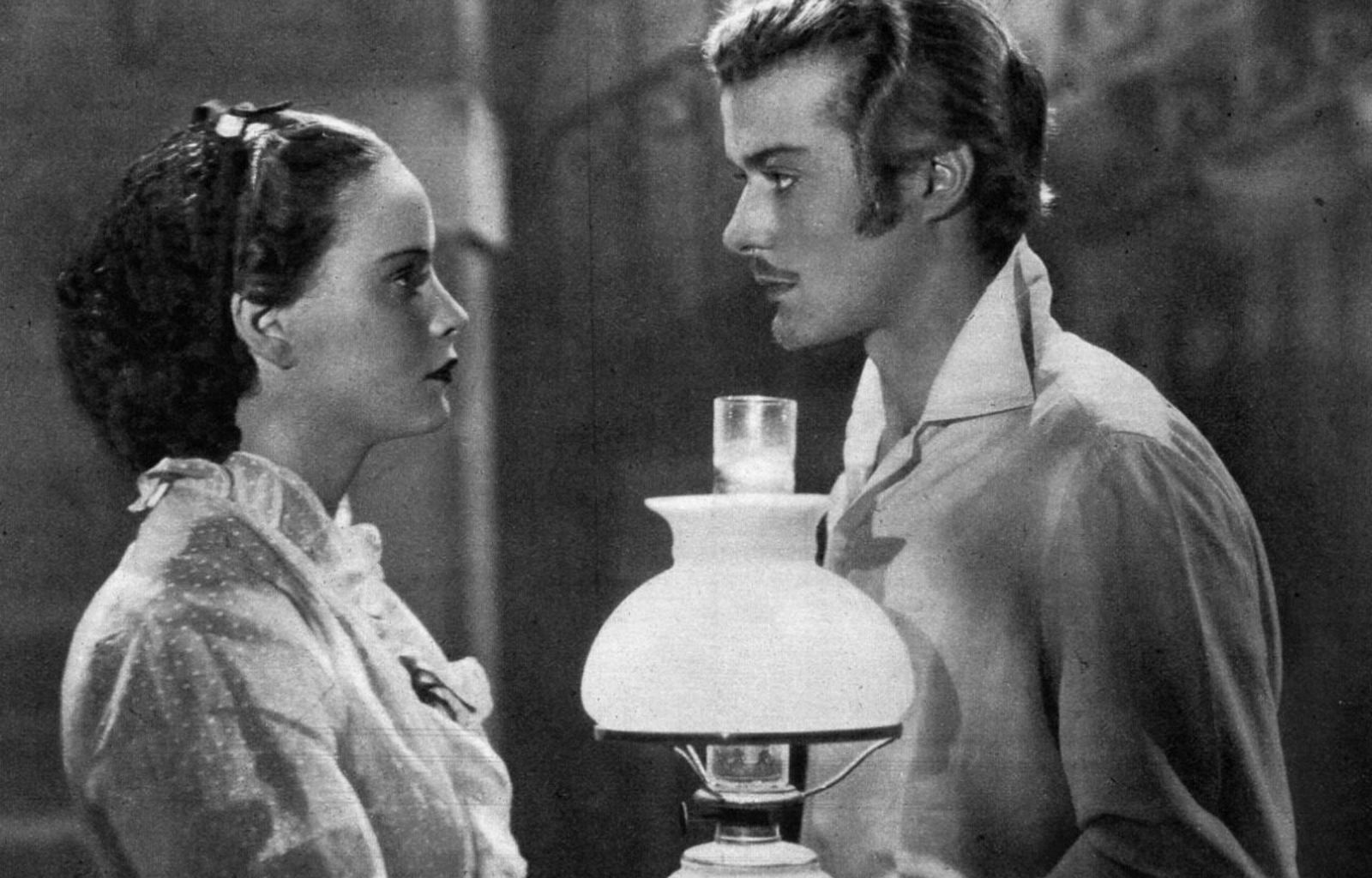
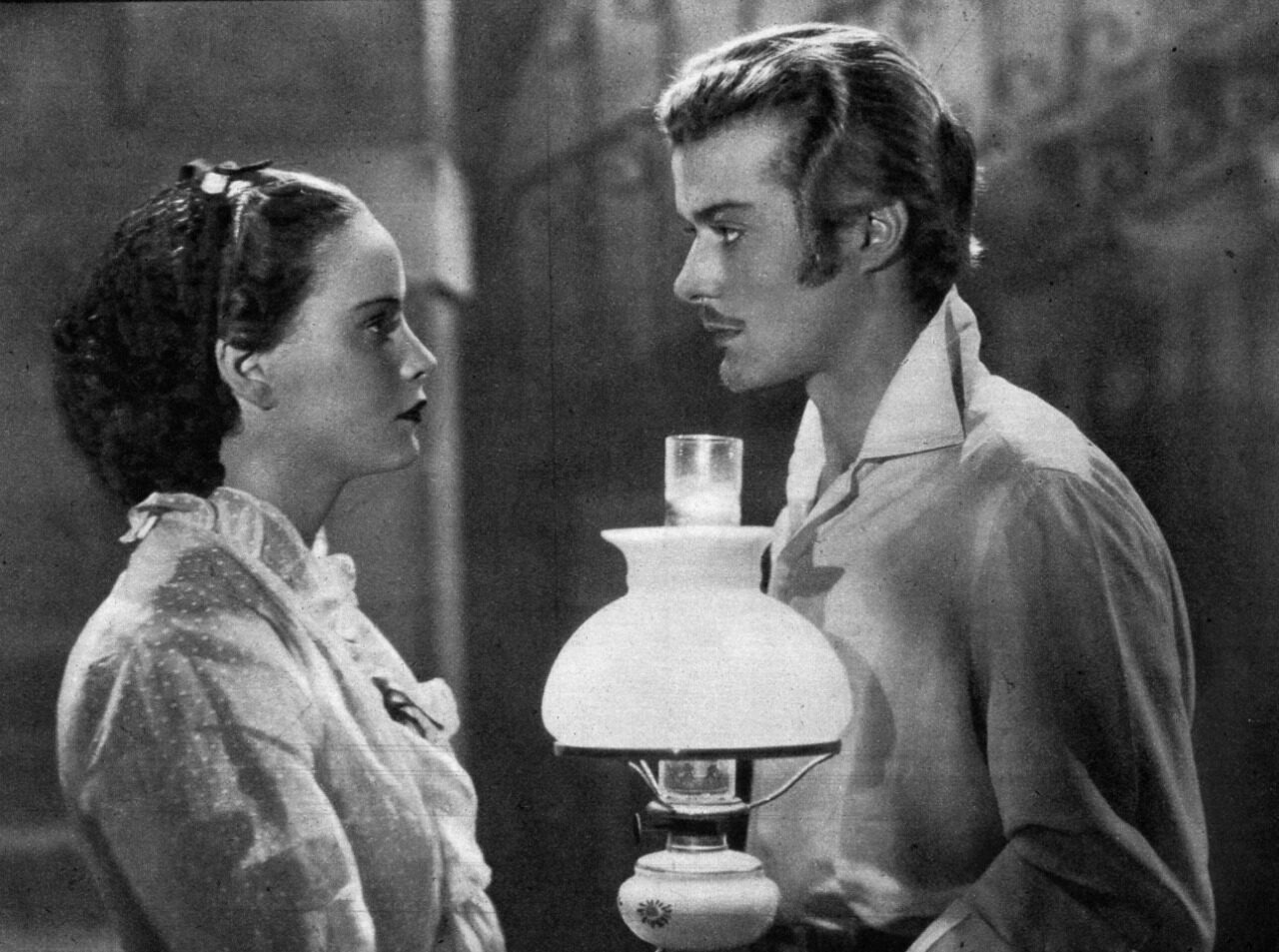
Between 1848 and 1859. Against the wishes of his grandmother, a marchioness, Franco Maironi marries Luisa, a fatherless young woman and the granddaughter of an engineer in the service of the kingdom. After the birth of their little daughter, Ombretta, the grandmother disinherits Franco and has Luisa’s uncle, the family’s sole source of financial support, dismissed from his job. Reduced to poverty, the couple and their child leave their home on Lake Lugano and move to Turin, where Franco finds work. One day, as Luisa confronts the marchioness and reveals the existence of a will that would make Franco the heir to a fortune, Ombretta drowns in the lake. In the depths of their despair, it is the elderly marchioness, tormented by guilt, who restores a glimmer of peace to the couple, acknowledging Franco as the rightful heir shortly before he leaves to fight in the Crimean War.
Biography
film director

Mario Soldati
(Turin, Italy, 1906 - Tellaro, La Spezia, Italy, 1999) made his debut as a storyteller in 1929 with the short story collection Salmace. After a period spent in the United States, in 1931 he returned to Italy, where he began working at the Cines-Pittaluga. He had his first aknowlegment as a director 1939 with Dora Nelson, inaugurating a style of very elegant formal invoice, influenced by literary ancestry, as testified by the Piccolo mondo antico (1941) and Malombra (1942). Curious and attentive to new languages, as well as a narrator and filmmaker, he will also be a pioneering television author, realizing, with Alla ricerca dei cibi genuini - Viaggio nella valle del Po (1957), one of the fundamental moments of our country’s television.
FILMOGRAFIA
La principessa Tarakanova (1938), La signora di Montecarlo (1938), Due milioni per un sorriso (1939), Tutto per la donna (1939), Dora Nelson (1939), Piccolo mondo antico (1941), Tragica notte (1942), Malombra (1942), Chi è Dio (1945), Quartieri alti (1945), Le miserie del signor Travet (1946), Eugenia Grandet (1947), Daniele Cortis (1947), Fuga in Francia (1948), Quel bandito sono io (1950), Botta e risposta (1950), Donne e briganti (1950), È l'amor che mi rovina (1951), O.K. Nerone (1951), Il sogno di Zorro (1952), Le avventure di Mandrin (1952), I tre corsari (1952), Jolanda, la figlia del Corsaro Nero (1953), La provinciale (1953), Questa è la vita (ep. Il ventaglino, 1954), La mano dello straniero (1954), La donna del fiume (1954), Era di venerdì 17 (1956), Italia piccola (1957), Policarpo, ufficiale di scrittura (1959), 12 registi per 12 città (ep. Torino, 1989).
Cast
& Credits
DIRECTOR: Mario Soldati. STORY: based on the novel of the same name by Antonio Fogazzaro. SCREENPLAY: Mario Bonfantini, Emilio Cecchi, Alberto Lattuada, Mario Soldati. CINEMATOGRAPHY: Carlo Montuori, Arturo Gallea. EDITING: Gisa Radicchi Levi. PRODUCTION DESIGN: Gastone Medin, Ascanio Coccè. COSTUME DESIGN: Gino C. Sensani, Maria De Matteis. MUSIC: Enzo Masetti. CAST: Alida Valli, Massimo Serato, Mariù Pascoli, Annibale Betrone, Ada Dondini, Giacinto Molteni, Enzo Biliotti, Elvira Bonecchi, Renato Cialente, Adele Garavaglia, Carlo Tamberlani, Giovanni Barrella, Nino Marchetti, Giorgio Costantini, Jone Morino, Anna Carena, Domenico Viglione Borghese. PRODUCTION: Carlo Ponti for A.T.A. (Artisti Tecnici Associati). CONTACT: Museo Nazionale del Cinema di Torino - info@museocinema.it