

Country: Canada
Year: 2026
Duration: 82'
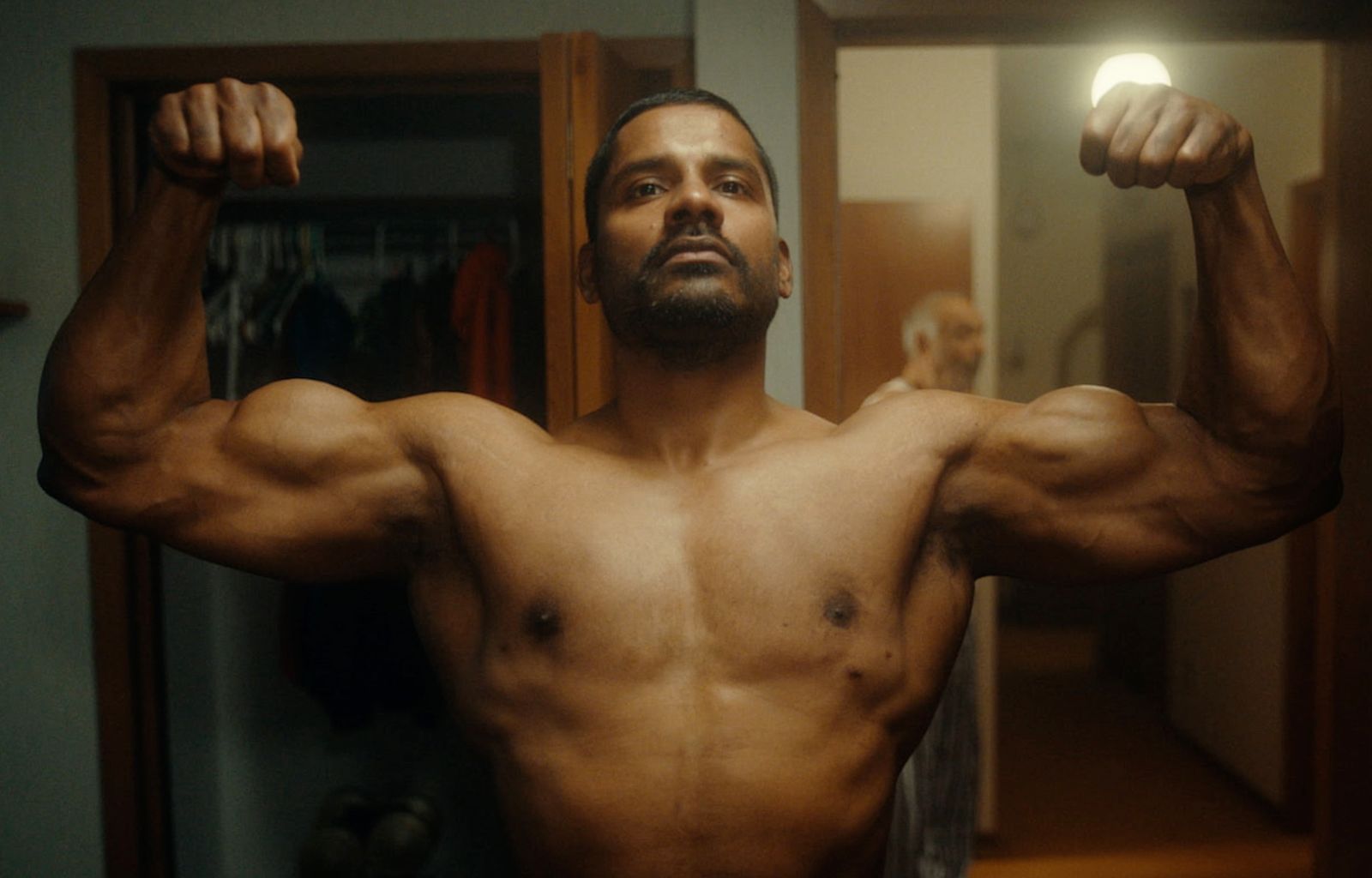
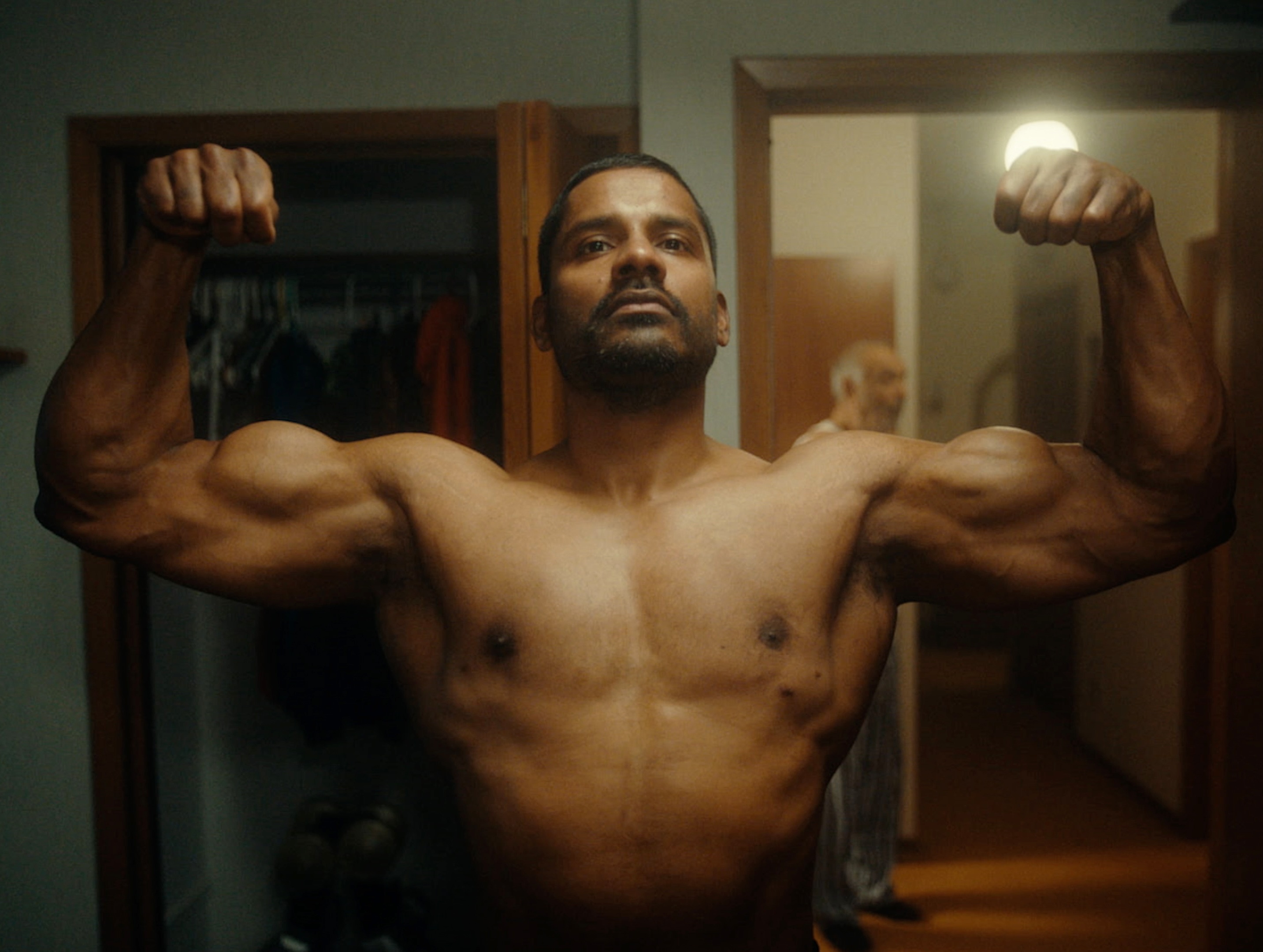
fter a breakup, former bodybuilder Harvinder “Harvey” Singh moves back in with his frail father, Jagdeep, to care for him. Struggling with anxiety, panic attacks, and his father’s belief that “men don’t cry,” Harvey finds solace at the gym and begins training in amateur wrestling to prove his strength. But when caregiving pushes him to the breaking point, a series of crises — including a near-fatal health scare — forces both father and son to confront their ideas of strength, vulnerability, and love. In the end, Harvey learns that true strength lies in embracing his emotions, and Jagdeep learns to be proud of his good, strong son.
Biography
film director
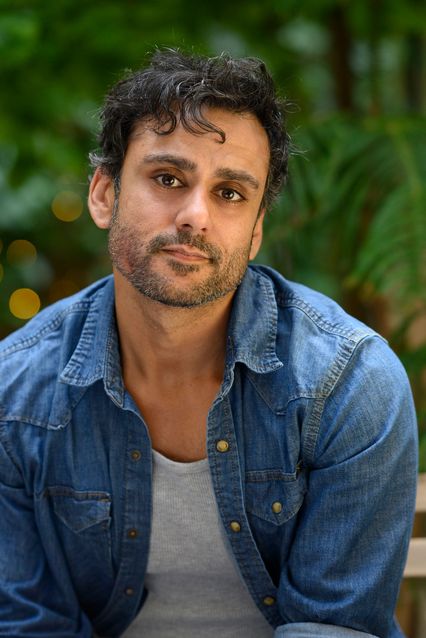
Ian Bawa
Canada) is a South Asian filmmaker based in Winnipeg, Manitoba. A graduate of the University of Winnipeg and an alumnus of the Norman Jewison Canadian Film Centre’s 2023 Director’s Lab, he also participated in the prestigious TIFF Filmmaker Lab in 2021. His films have screened at top festivals including TIFF, Slamdance, Fantasia, and Aspen Shortsfest. The notable “Sad Dad” trilogy includes Strong Son (2020), My Son Went Quiet (2024), and The Best (2024). Strong Son is an evolution of the short of the same title, and is his first feature.
FILMOGRAFIA
Offline (cm, 2013), Meteorite Before Prom Night (cm, 2015), Spectre (cm, 2015), Trevor’s Turban (cm, 2016), Missing Toes (cm, 2017), Cruise Ship Killers (serie tv, 2020-2021), Canadian Reflections (serie tv, 2021), Disaster Deja vu (serie tv, 2021), Strong Son (cm, 2020), Seeking Fire (doc, 2022), Almost Unsolved (serie tv, 2023), Finally Caught (serie tv, 2023), Sunshine Slayings (serie tv, 2020-2023), Death of the Party (serie tv, 2023-2024), An Hour to Kill (serie tv, 2024), Finding Diamonds (serie tv, 2024), The Best (cm, 2024), My Son Went Quiet (cm, 2024), Strong Son (2026).
Declaration
film director
“Strong Son is inspired by my ongoing “Sad Dad” trilogy of short films, which includes Strong Son, My Son Went Quiet and The Best. Across these films, I’ve been exploring masculinity, family, caregiving, and the emotional distance that can exist between fathers and sons, especially within working class immigrant families. The feature felt like a natural continuation of those ideas. Growing up in a South Asian household in Winnipeg, I also grew up around stories of duty and care. One that stayed with me was the story of Shravan Kumar, who carried his aging parents on a pilgrimage as an act of devotion. That idea of caring for your parents and carrying responsibility for family has always felt deeply rooted in our culture, but I became interested in the messier and more human side of it.”
Cast
& Credits
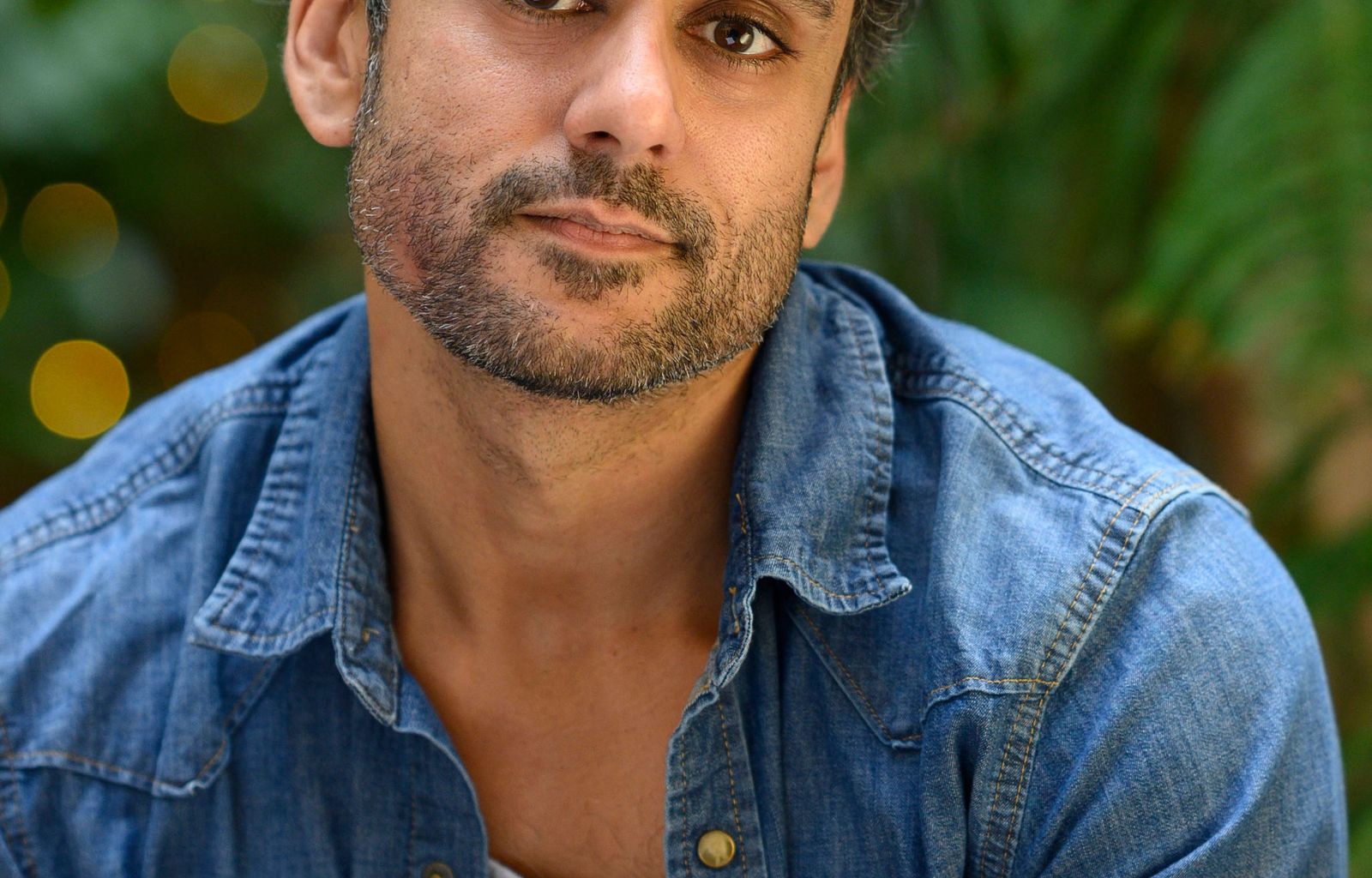
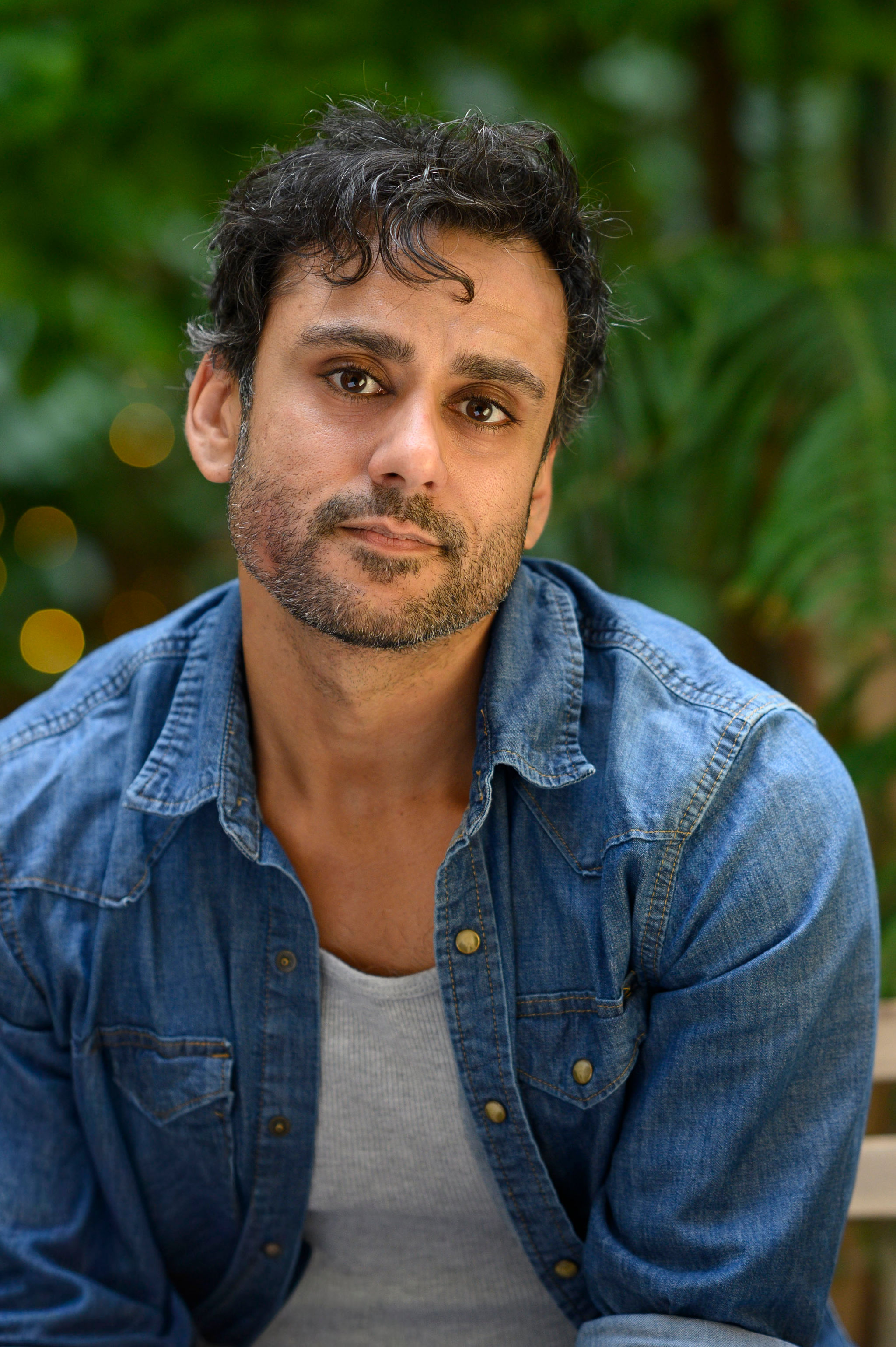
DIRECTOR, SCREENPLAY: Ian Bawa. CINEMATOGRAPHY: Markus Henkel. EDITING: Ian Bawa, Markus Henkel, Ted Husband. PRODUCTION DESIGN: Jillian Groen. MUSIC: Amine Bouzaher, Milos Mitrovic, Max Walter. SOUND: Max Walter. CAST: Mandeep Sodhi, Amrit Parbhakar, Yuvraj Dhesi, Michaela Kurimsky, Erik Athavale, Onalee Ames, Diana Botelho-Urbanski, Darcy Fehr, Quinn Greene, Kristian Jordan, Susan Loewen, Josh Pinette, Suzanne Pringle. PRODUCTION: Fritzi Adelman, Ian Bawa, Markus Henkel. CONTACT: Ian Bawa ianbawa@gmail.com