

Country: Austria, Luxemburg, Germany
Year: 2026
Duration: 119'
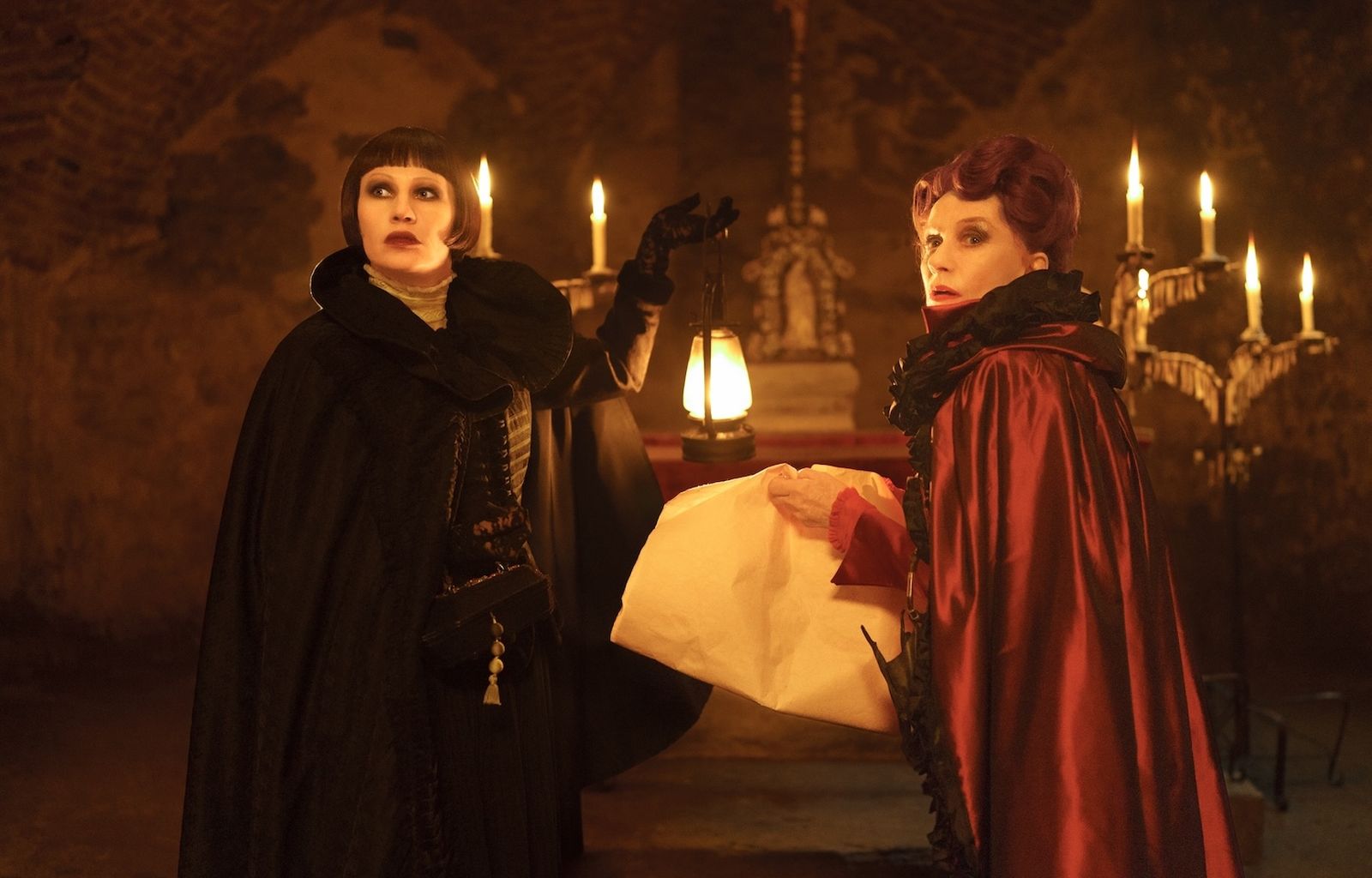
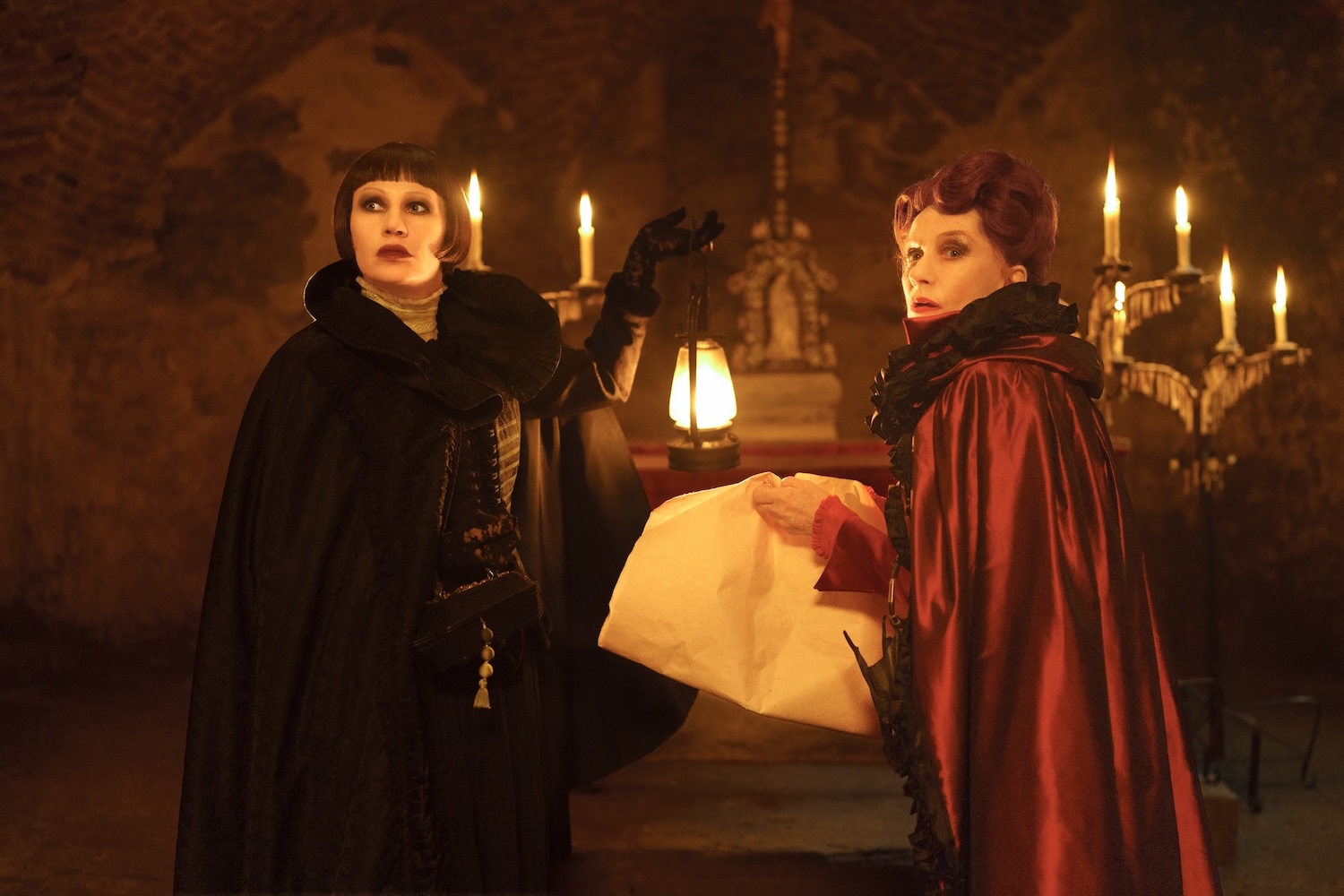
Decades after her mysterious disappearance, the Blood Countess reemerges in modern-day Vienna, where she reunites with her devoted maid, Hermine, to track down a dangerous book with the power to destroy all evil – Including all vampires such as themselves. The duo embark on a scavenger hunt through the city’s magnificent historic sites, and conscript the countess’s melancholic nephew – a vegetarian vampire named Bubi—and his psychotherapist as they expand their search to Bohemia. Meanwhile, a pair of vampirologists and a police inspector remain hot on their trail.
Biography
film director
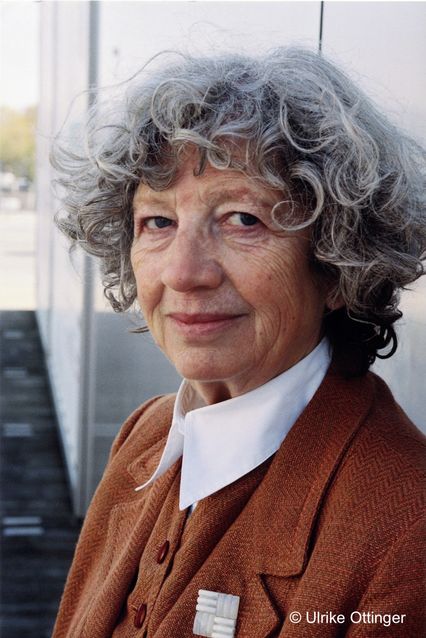
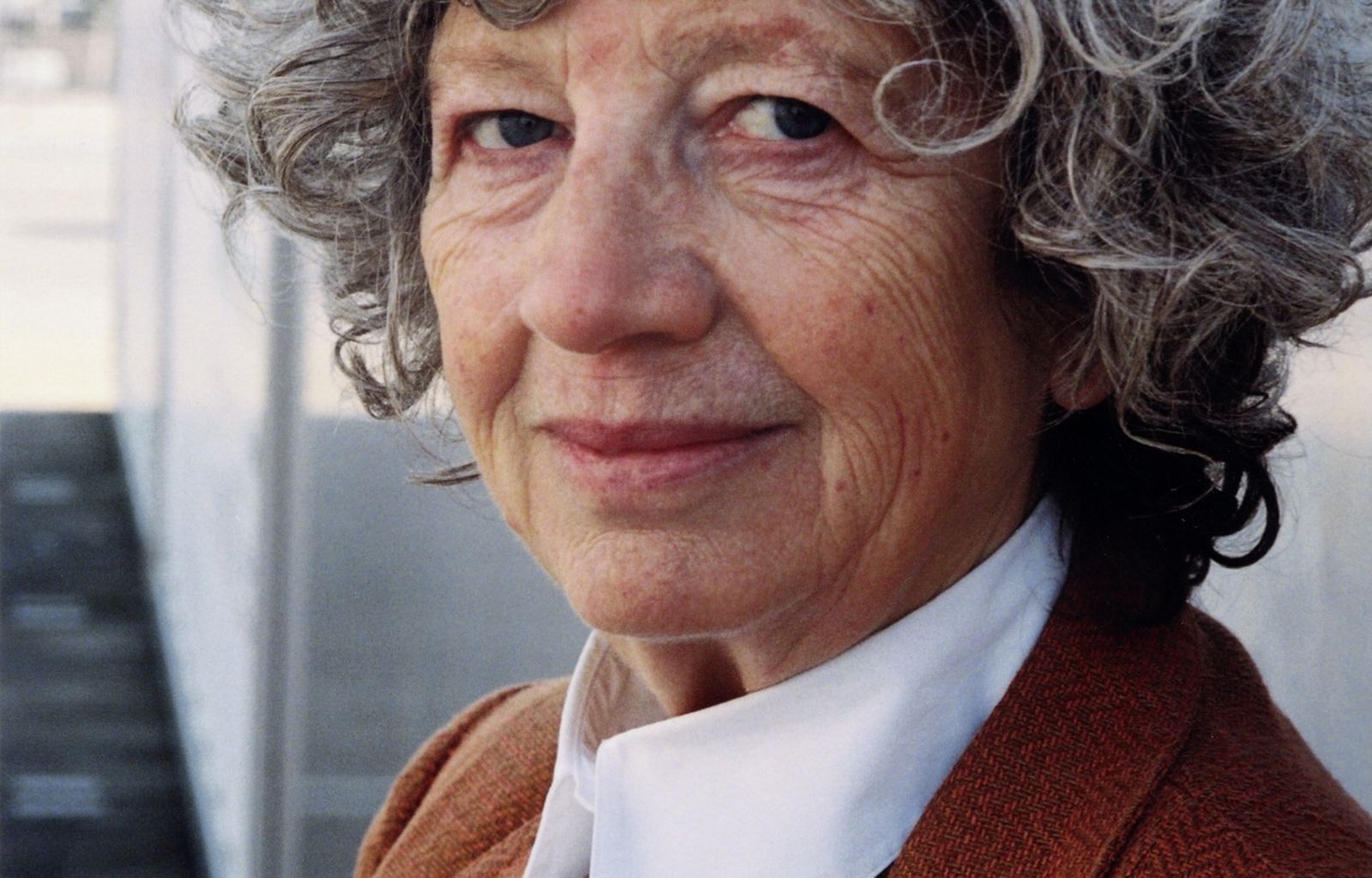
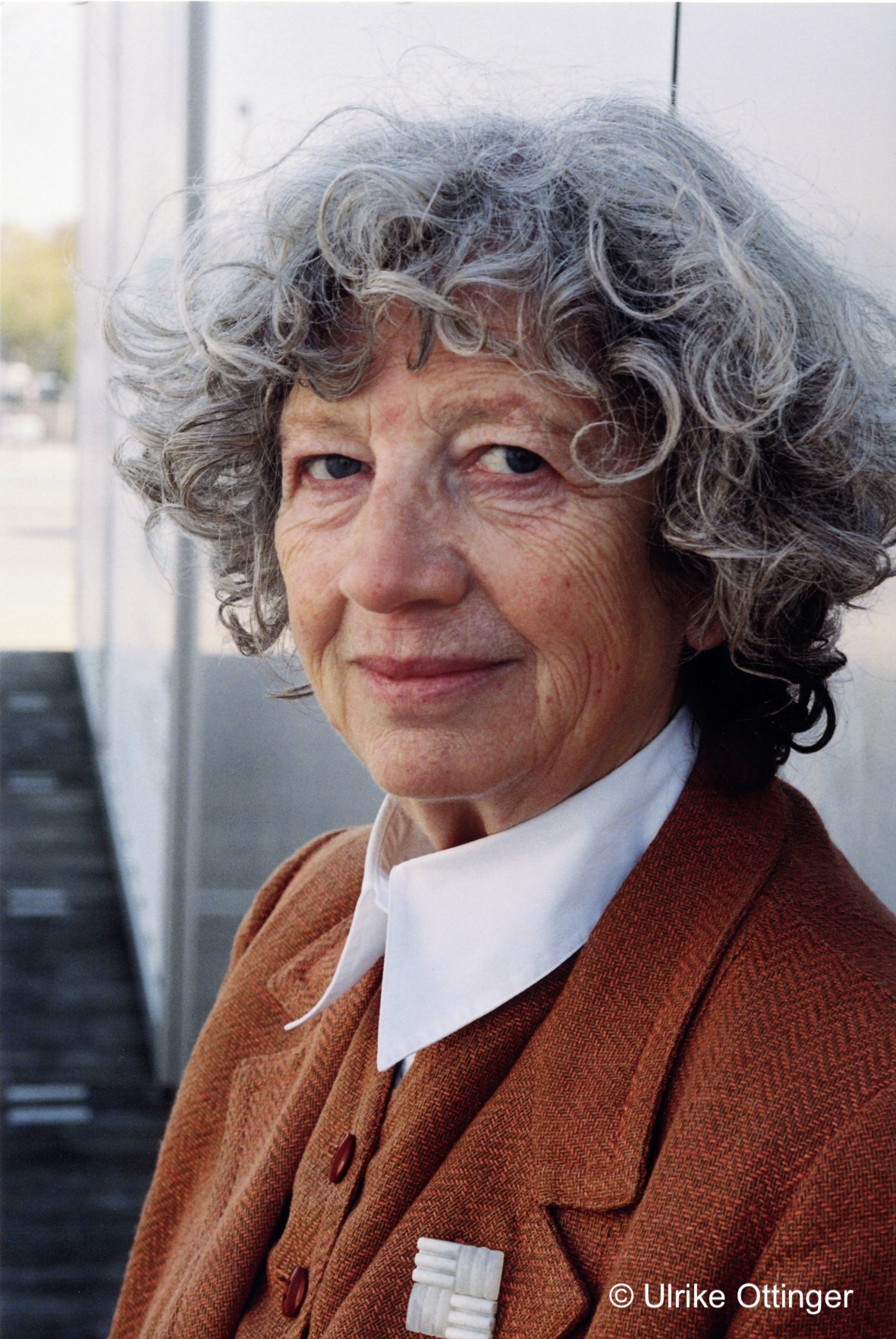
Ulrike Ottinger
(Germany) she is an iconoclastic filmmaker and visual artist, best known as a prominent female member of the New German Cinema. A rare lesbian auteur, she first made her mark with a series of gender-bending fantasias, beginning with her debut Madame X: An Absolute Ruler (1977), followed by Ticket of No Return (1979). Serving frequently as her own costume and production designer, her flamboyant films like Freak Orlando (1981) and Dorian Gray in the Mirror of the Yellow Press (1984) reimagine cultural archetypes through a queer lens. Over the past thirty years, she shifted her focus to nonfiction and epic documentaries (Taiga, 1992; Under Snow, 2011; Paris Calligrammes, 2020). With The Blood Countess she returns to the realm of fiction.
FILMOGRAFIA
Laokoon & Söhne (cm, 1972), Berlin-Fieber (cm, 1973), Die Betörung der blauen Matrosen (cm, 1975), VOAEX (cm, 1976), Madame X – Eine absolute Herrscherin (1977), Bildnis einer Trinkerin (1979), Freak Orlando (1981), Dorian Gray im Spiegel der Boulevardpresse (1984), China. Die Künste – der Alltag (1985), Sieben Frauen - Sieben Todsünden (cm, 1986), Usinimage (cm, 1987), Johanna d'Arc of Mongolia (1989), Countdown (1990), Taiga (doc, 1992), Exil Shanghai (doc, 1997), Südostpassage (doc, 2002), Zwölf Stühle (doc, 2004), Prater (doc, 2007), Still Moving (cm, 2009), Die koreanische Hochzeitstruhe (doc, 2009), Unter Schnee (doc, 2011), Chamissos Schatten (doc, 2016), Paris Calligrammes (2020), Die Blutgräfin (2026).
Declaration
film director
“Travel and locations are my main sources of inspiration. For many years, my cinematic work has moved along the fault lines of global change. This has enabled me to observe how political and economic crises give rise to fears and bizarre fantasies of redemption—simultaneously.”
Cast
& Credits
DIRECTOR: Ulrike Ottinger. SCREENPLAY: Ulrike Ottinger, Elfriede Jelinek. CINEMATOGRAPHY: Martin Gschlacht. EDITING: Pia Dumont. PRODUCTION DESIGN: Christina Schaffer. MUSIC: Wolfgang Mitterer. SOUND: Marc Thill, Karim Weth, Alexander Koller. CAST: Isabelle Huppert, Birgit Minichmayr, Thomas Schubert, Lars Eidinger, André Jung, Marco Lorenzini, Karl Markovics, Felix Oitzinger, Tom Neuwirth, Maresi Riegner, Branko Samarovski, Inge Maux, Paul Matic, Elisabeth Augustin, Lino Gaier, Noah Saavedra. PRODUCTION: Amour Fou Vienna, Amour Fou Luxembourg, Heimatfilm. CO-PRODUCTION: Ulrike Ottinger Filmproduktion, ZDF/Arte. CONTACT: Magnify (Summer Goldstein) - sgoldstein@magpictures.com