

Country: USA
Year: 1957
Duration: 115'
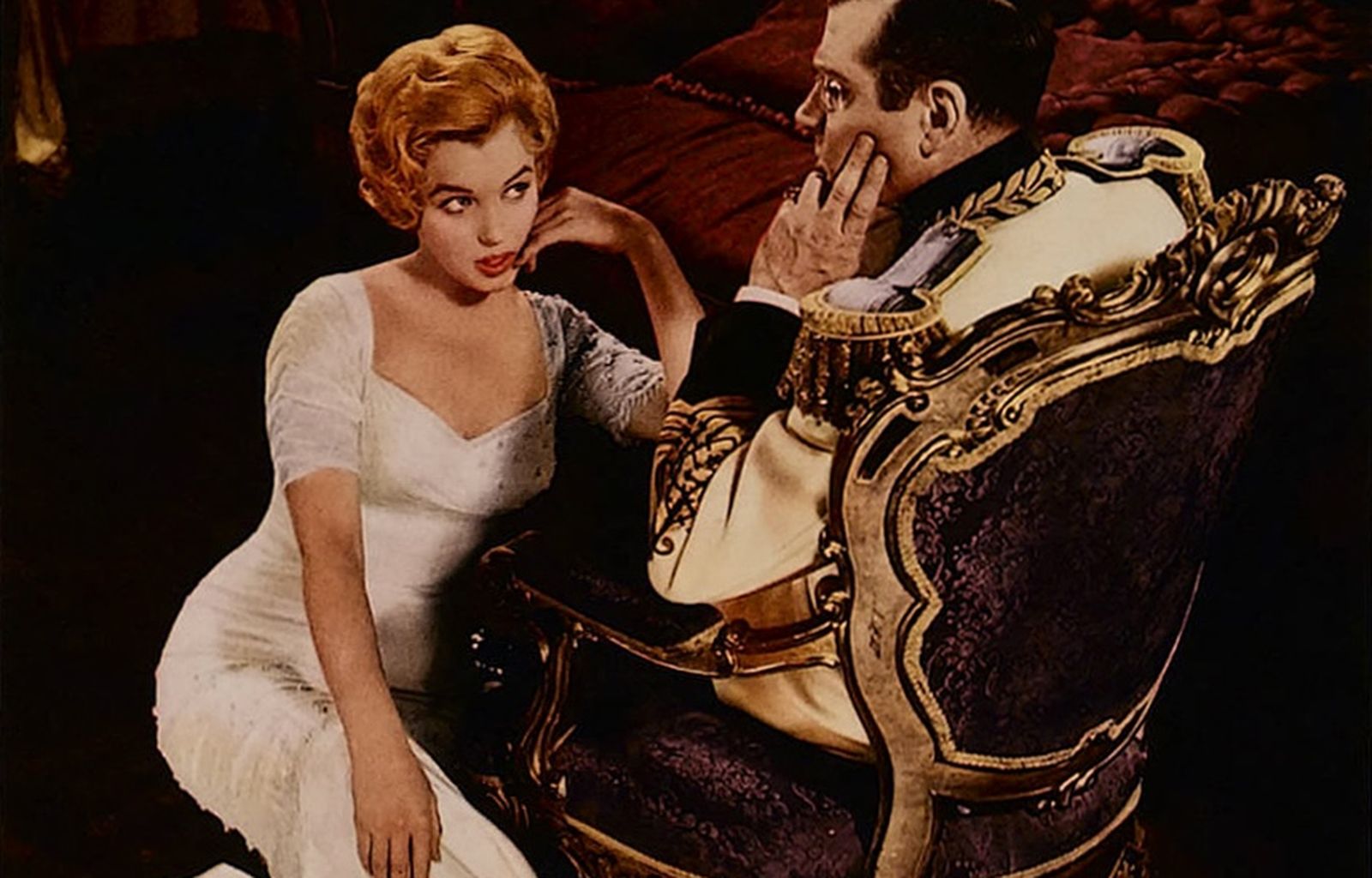
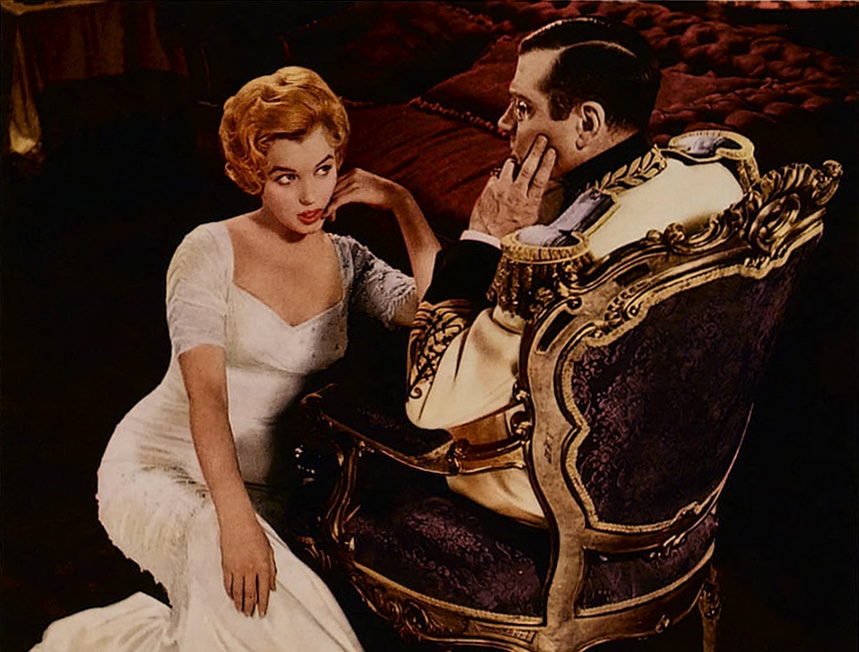
London, 1911. On the occasion of the coronation of King George V, the city welcomes royals from around the world, among them Charles, Regent of the Kingdom of Carpathia. The ruler meets Elsa, a charming and exuberant American actress and dancer. Against all expectations, and displaying intelligence and resourcefulness, Elsa foils a court intrigue that threatens the crown and wins the heart of the reserved Charles. The two pledge their undying love, promising to marry as soon as Nicholas, Charles’s young son, ascends the throne. The first and only production of Marilyn Monroe Productions, the company founded by the actress with photographer Milton H. Greene, the film is adapted from Terence Rattigan’s successful stage play, with Rattigan himself as screenwriter. The film was not particularly well received by audiences at the time, but the chemistry between Monroe and Laurence Olivier still makes it a little gem.
Biography
film director
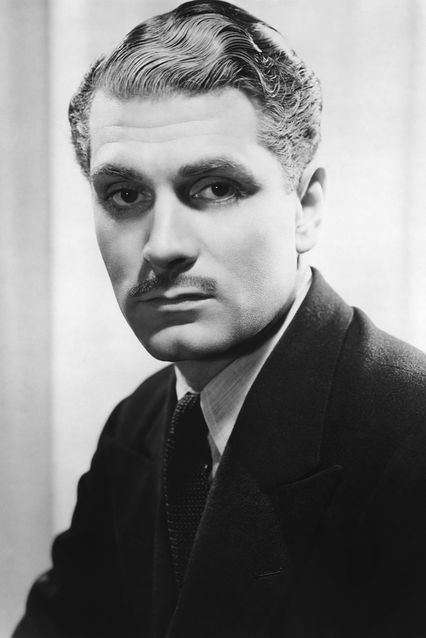
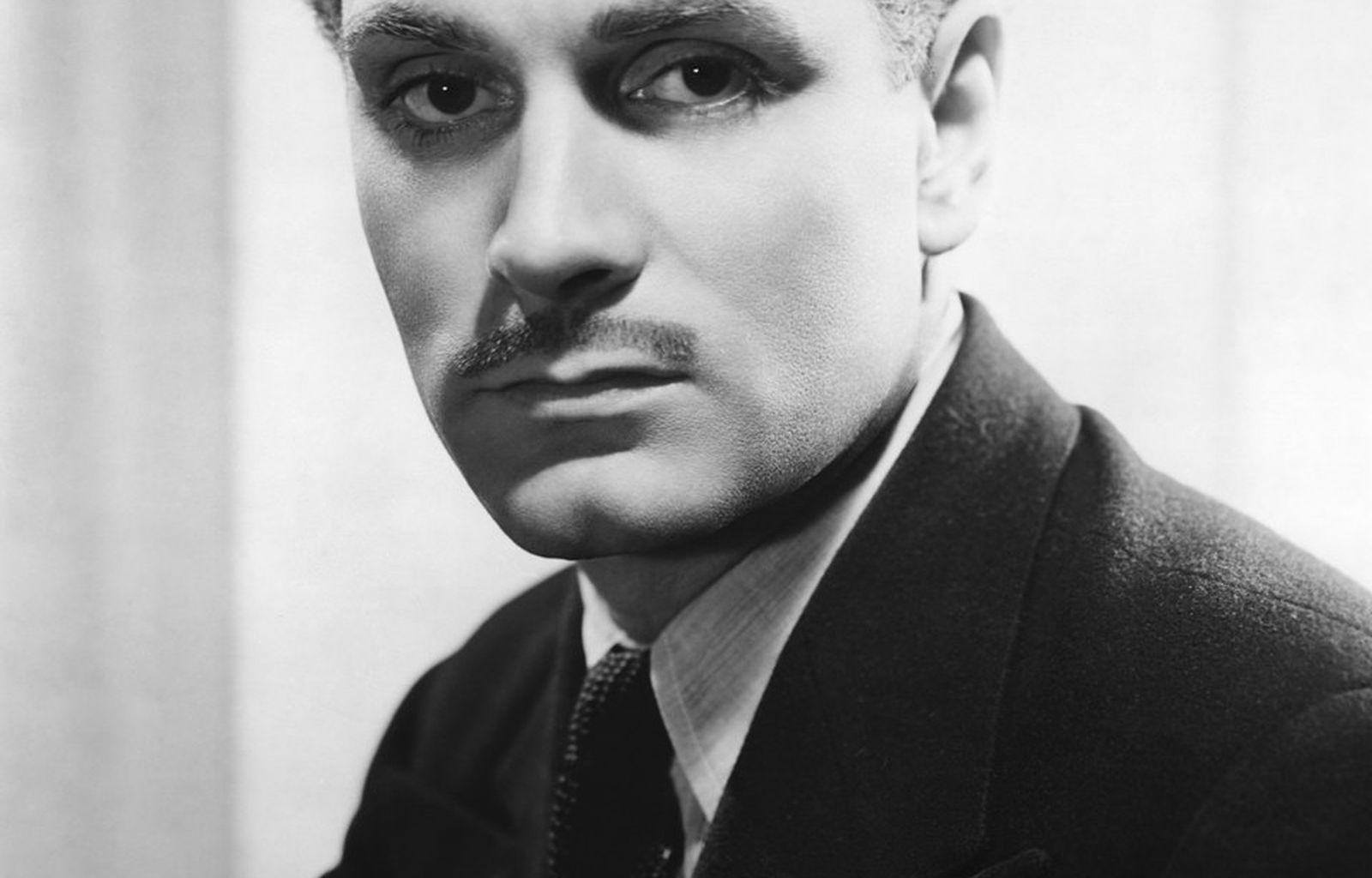
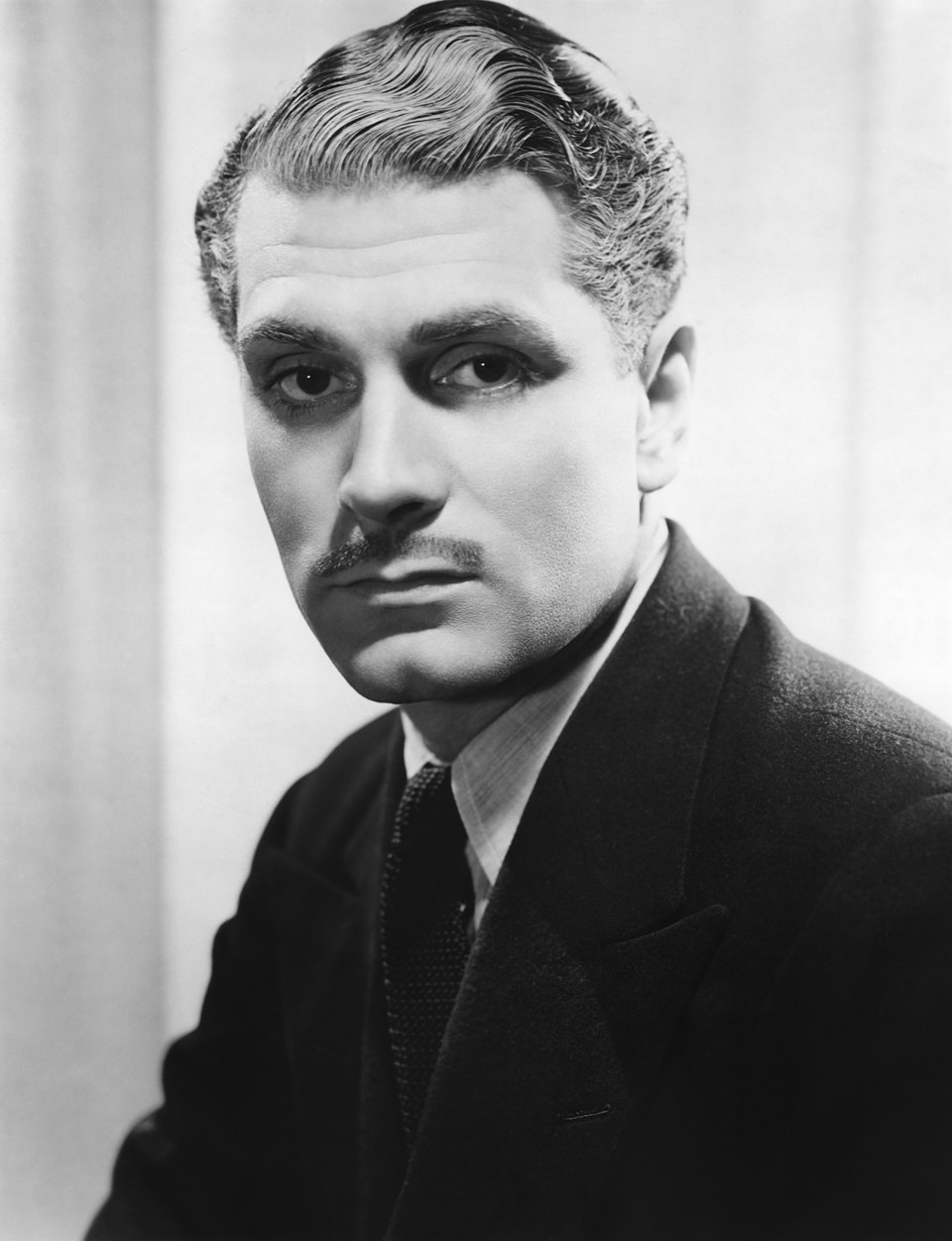
Laurence Olivier
(Dorking, United Kingdom, 1907–London, United Kingdom, 1989) was a leading figure in British theater and film, acclaimed even during his lifetime as the greatest English-speaking actor of the 20th century. He was the first person in his profession to be awarded a “life peerage.” Best known in theater for the avant-garde productions he staged beginning in 1957 for the English Stage Company and later, in the 1960s and 1970s, for founding and directing Britain’s National Theater; in film, working between England and Hollywood, he collaborated with directors such as William Wyler, Alfred Hitchcock, Stanley Kubrick, Joseph L. Mankiewicz, and John Schlesinger, and directed himself in adaptations of Shakespeare (his favorite playwright on stage as well): Henry V (1944), Hamlet (1948), and Richard III (1955). In 1957, he starred alongside Marilyn Monroe in The Prince and the Showgirl (1957).
FILMOGRAFIA
Henry V (Enrico V, 1944), Hamlet (Amleto, 1948), Richard III (Riccardo III, 1955), The Prince and the Showgirl (Il principe e la ballerina, 1957), Three Sisters (Tre sorelle, 1970).
Cast
& Credits
DIRECTED BY: Laurence Olivier. STORY: based on the play of the same title by Terence Rattigan. SCREENPLAY: Terence Rattigan. CINEMATOGRAPHY: Jack Cardiff. EDITED BY: Jack Harris. PRODUCTION DESIGN: Roger K. Furse. COSTUMES: Beatrice Dawson. MUSIC: Richard Addinsell. CAST: Marilyn Monroe, Laurence Olivier, Sybil Thorndike, Jeremy Spenser, Richard Wattis, Paul Hardwick, David Horne, Gladys Henson, Daphne Anderson. PRODUCED BY: Milton H. Greene for Marilyn Monroe Production. CONTACT: Park Circus www.parkcircus.com